Our verdict
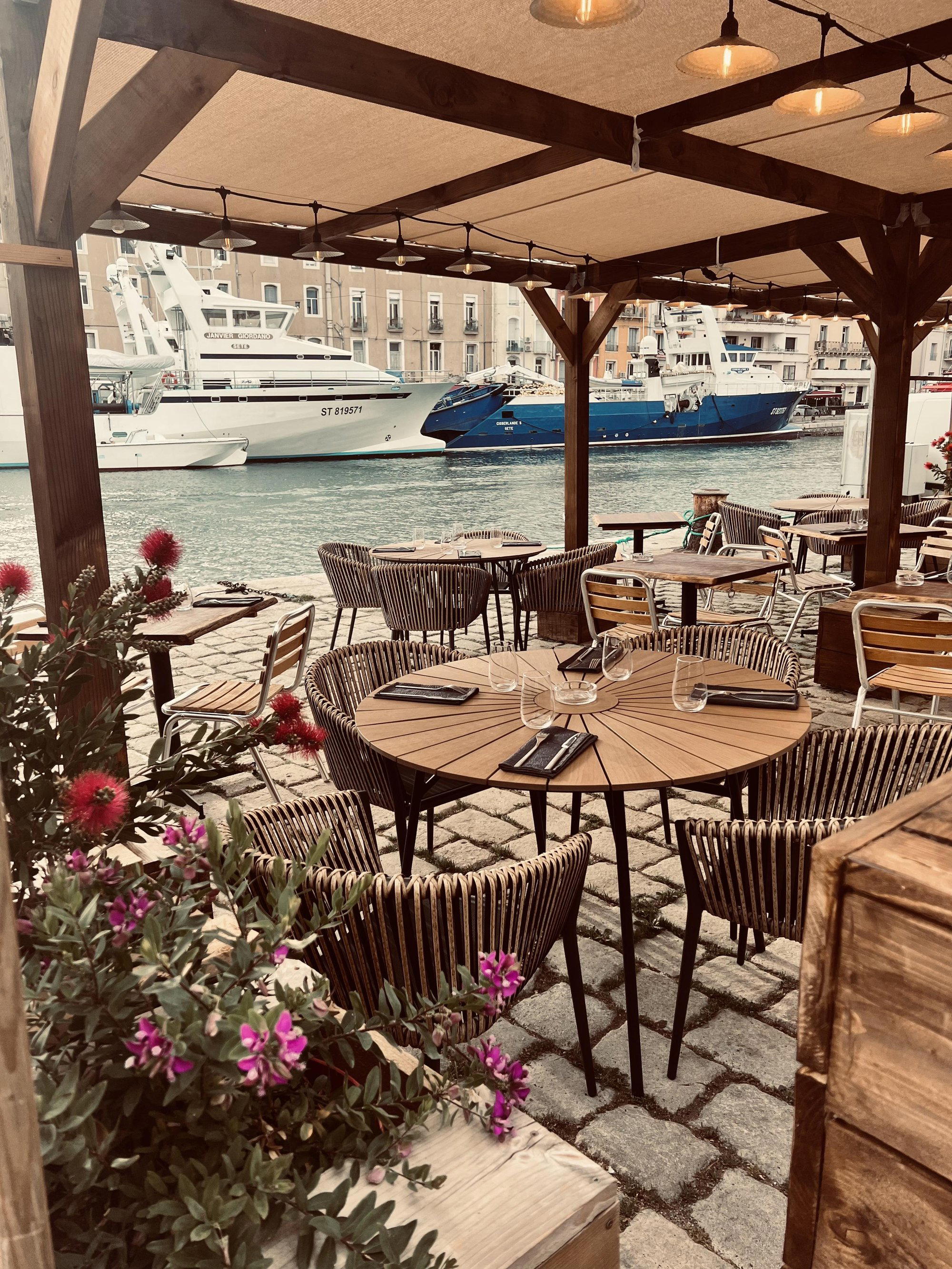
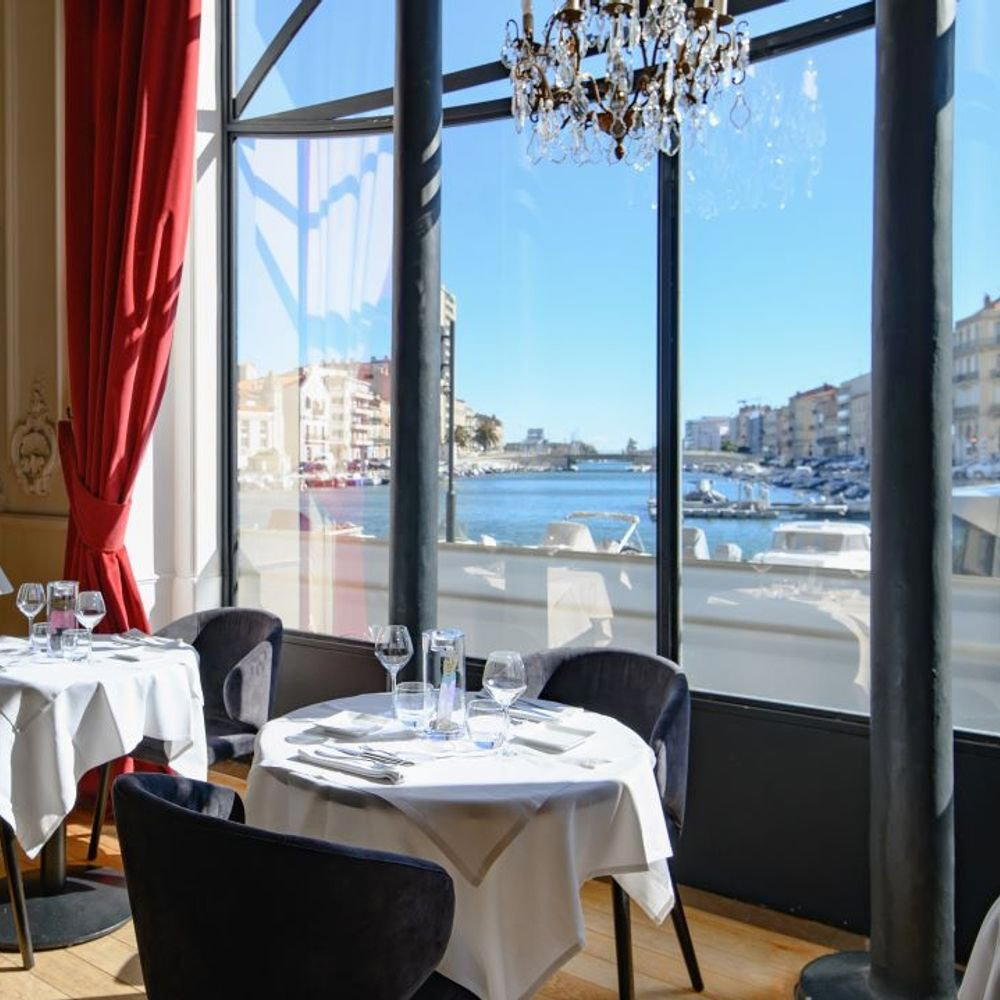
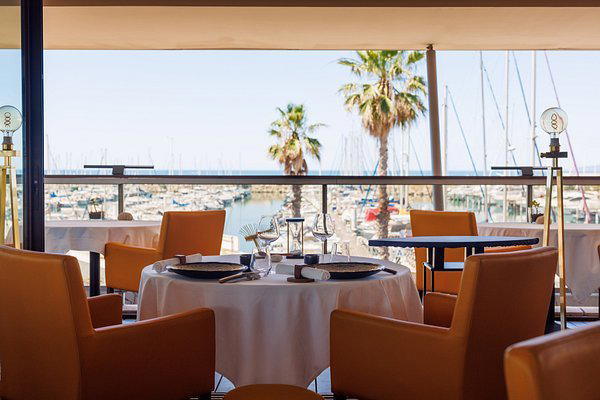
On Sète's working quayside at 11 Quai Aspirant Herber, Quai d'en Face occupies the kind of waterfront position where the boundary between port life and dining table stays deliberately thin. The address places it inside a city whose canal-threaded geography and deep fishing tradition shape every meal eaten near the water. For visitors reading Sète's dining scene, this is a reference point worth understanding.

Pearl is the En Primeur Club membership app, where members save venues, book tables and use the concierge.
The menu
What to order
- Tartare espadon
- Burger espadon
- Cassolette de crustacés
Where the Port Sets the Pace
Sète eats differently from the rest of Languedoc, and the waterfront explains why. The city sits on a narrow strip of land between the Étang de Thau lagoon and the Mediterranean, its economy historically tied to commercial fishing and the shellfish beds of the étang. That geography shows up at the table in ways that feel structural rather than decorative: tielle sétoise (the local octopus pie), raw oysters from Bouzigues, sea urchin served with a spoon. These are not dishes placed on a menu for tourist appeal, they are what this port has always eaten, in the order and manner the port has always eaten them. Quai d'en Face, at 11 Quai Aspirant Herber, sits directly on that waterfront continuum.
The address alone frames expectations. The Quai Aspirant Herber is a working stretch, not a landscaped promenade, and restaurants here have historically drawn as much from the boats pulling in nearby as from any formal supply chain. That relationship between catch and counter is the central ritual of quayside dining in Sète, and it tends to govern pacing, portion logic, and the sequence in which things arrive.
The Rhythm of a Sète Waterfront Meal
Understanding how a meal unfolds in this part of France matters more than the menu itself. Languedoc's southern coast has a dining culture that resists the formality of, say, a tasting counter in Paris or Lyon, compare the studied progression at Alléno Paris au Pavillon Ledoyen or the mountain-precise sequencing at Flocons de Sel in Megève, and the contrast with Sète's port restaurants becomes clear. Here, meals tend to open with shared shellfish platters or a single briny starter, move through a fish main treated with minimal intervention, and close with something from the local pastry tradition or a regional cheese. The pace is set by the table, not the kitchen.
That informality carries its own etiquette. At waterfront addresses like Quai d'en Face, the expectation is that you linger. Lunch frequently extends past 3pm without social pressure from staff. Wine is poured from the region's production, Picpoul de Pinet, from vineyards around the étang, is the default white pairing for the local shellfish, and it is usually offered early rather than presented as an afterthought. The ritual is participatory: you choose the pace, you choose when to order the next course, and the kitchen responds to the table's rhythm rather than driving it.
For context on where this fits within Sète's broader dining options, La Méditerranéenne and ami - la table conviviale represent different registers of the same regional tradition, while La Coquerie and Paris Méditerranée operate at the modern cuisine end of the spectrum. Quai d'en Face occupies the quayside tier, where the physical address and the fishing port backdrop carry as much weight as kitchen technique.
Sète in the Southern France Dining Hierarchy
Sète rarely appears in the same conversation as France's Michelin-weighted dining cities. The region's fine dining gravity sits further east along the coast, at addresses like Mirazur in Menton or AM par Alexandre Mazzia in Marseille, and further north at institutions such as Troisgros in Ouches, Bras in Laguiole, or Auberge de l'Ill in Illhaeusern. The older institutional tier, represented by Paul Bocuse in Collonges-au-Mont-d'Or, Assiette Champenoise in Reims, and Au Crocodile in Strasbourg, operates in a different national category entirely.
Sète's claim is not technical ambition but geographical and cultural specificity. Few port cities in France maintain this degree of culinary self-sufficiency: the étang produces oysters and mussels, the Mediterranean supplies sea bream, monkfish, and urchin, and the city's Italian-influenced pastry tradition (a legacy of 19th-century immigration) fills the gap left by the absence of a formal dessert culture. That compressed local supply chain gives waterfront restaurants here a coherence that is harder to find at equivalent coastal addresses further along the coast, where produce sourcing has become more diffuse.
For comparison at the transatlantic level, the kind of product-driven clarity that defines Sète's leading waterfront tables shares a logic with what Le Bernardin in New York applies to fish at a much higher technical register, or what Atomix in New York does with Korean ingredient integrity in a tasting format. The philosophy of letting the primary ingredient carry the meal rather than burying it in technique connects those addresses to the simpler, less decorated version operating on the Sète quayside.
Approaching the Meal Practically
Visitors coming to Sète specifically for the waterfront dining circuit should plan around the lunch service. Dinner remains active on the Quai Aspirant Herber, but the lunch sitting captures the port at its most functional, deliveries, movement on the canal, and the light off the water in the early afternoon. The walk from the town centre to the quayside takes under ten minutes and passes through the central market area, which gives useful context for what the kitchens here are working with.
Given the format and address, visiting as a walk-in during shoulder hours, before 12:30 or after 2pm for lunch, is a reasonable approach for a quayside address of this type, though confirming availability directly with the venue before travelling specifically for a meal is advisable. Our full Sète restaurants guide covers the broader circuit, including Chez Lanchois, which represents the older bistro tradition in the city.
Frequently asked questions
What's Quai d'en Face's location?
Quai d'en Face is located at 11 Quai Aspirant Herber, 34200 Sète, France, Sète.
Is Quai d'en Face a good option for a long waterfront lunch in Sète?
The address at 11 Quai Aspirant Herber puts Quai d'en Face directly on the working port, which is the reference point for Sète's midday dining culture. Languedoc's southern coast operates on an unhurried lunch rhythm, and the quay setting reinforces that pace. For visitors building an afternoon around the water, this is the format the city's dining culture is built for.
What's the signature dish at Quai d'en Face?
The Étang de Thau, directly behind the city, is the primary source for oysters and mussels that define waterfront cooking here. Expect the plate to reflect what the lagoon is producing rather than a fixed signature item year-round.
Can I walk in to Quai d'en Face?
Walk-in availability on the Quai Aspirant Herber is tighter at lunch, when Sète's waterfront tables fill quickly with locals and visitors working through the port circuit. Dinner service on this stretch tends to have more flexibility, though that shifts in summer when the quay runs at capacity. Calling ahead or arriving early for lunch is the practical approach at this address.
Where It Fits
Comparable venues nearby, for context on price, style, and recognition.
| Venue | Cuisine | Price | Awards | Notes |
|---|---|---|---|---|
| Quai d'en FaceThis venue (the venue you are viewing) | Gastronomic Mediterranean Seafood | Not listed | Not listed | Not listed |
| ami - la table conviviale | French Bistro and Tapas | $20–30 | Not listed | City Center |
| chez Lanchois | Modern French-Mediterranean with Asian influences | $30–50 | Not listed | port |
| Quai 17 | Mediterranean Seafood Bistro | $30–50 | Michelin Bib Gourmand | Sète |
| Paris Méditerranée | Modern Mediterranean Bistro | $30–50 | Michelin Bib Gourmand | centre-ville |
| La Méditerranéenne | Traditional Mediterranean Seafood | $20–30 | Not listed | Quai Maximin Licciardi |
Continue exploring
More in Sète
Restaurants in Sète
All restaurants in Sète →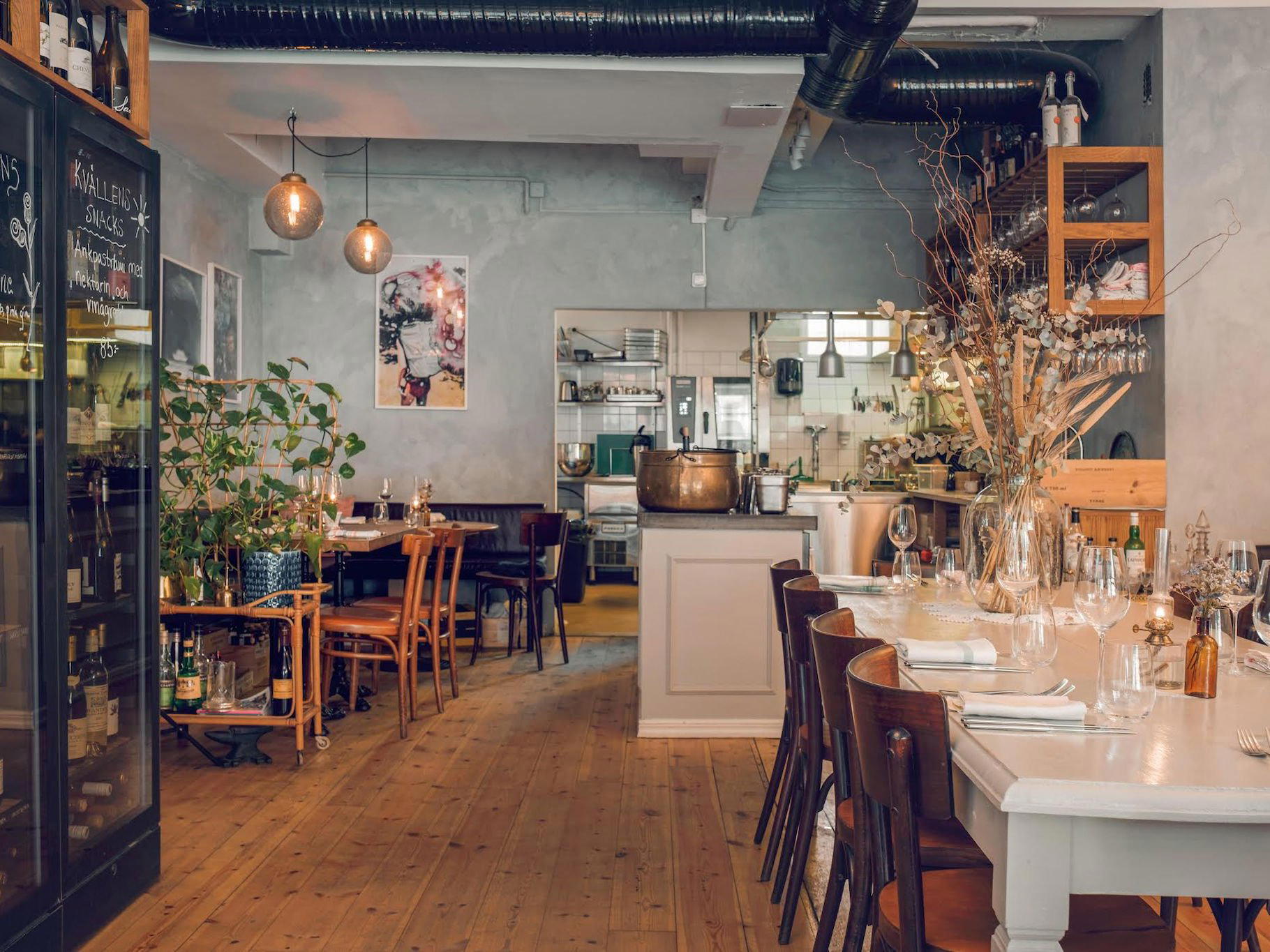

Details
- Cozy
- Elegant
- Intimate
- Date Night
- Special Occasion
- Waterfront
- Open Kitchen
- Terrace
- Private Dining
- Extensive Wine List
- Natural Wine
- Local Sourcing
- Organic
- Waterfront
- A La Carte
- Wine
- Vegetarian Friendly
Current opening hours
- Monday
- 7:30–10 PM
- Tuesday
- 12–2 PM, 7:30–10 PM
- Wednesday
- 12–2 PM, 7:30–10 PM
- Thursday
- 12–2 PM, 7:30–10 PM
- Friday
- 12–2 PM, 7:30–10:30 PM
- Saturday
- 12–2 PM, 7:30–10:30 PM
- Sunday
- Closed
Hours can change for holidays and private events. Hours as of .
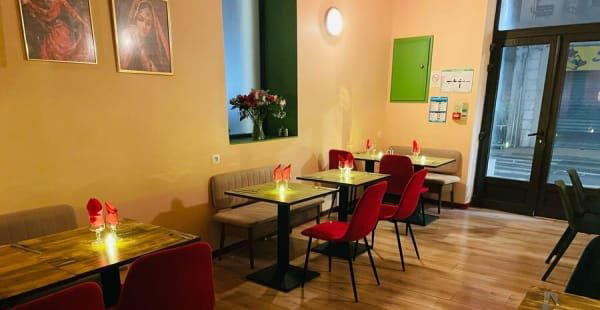
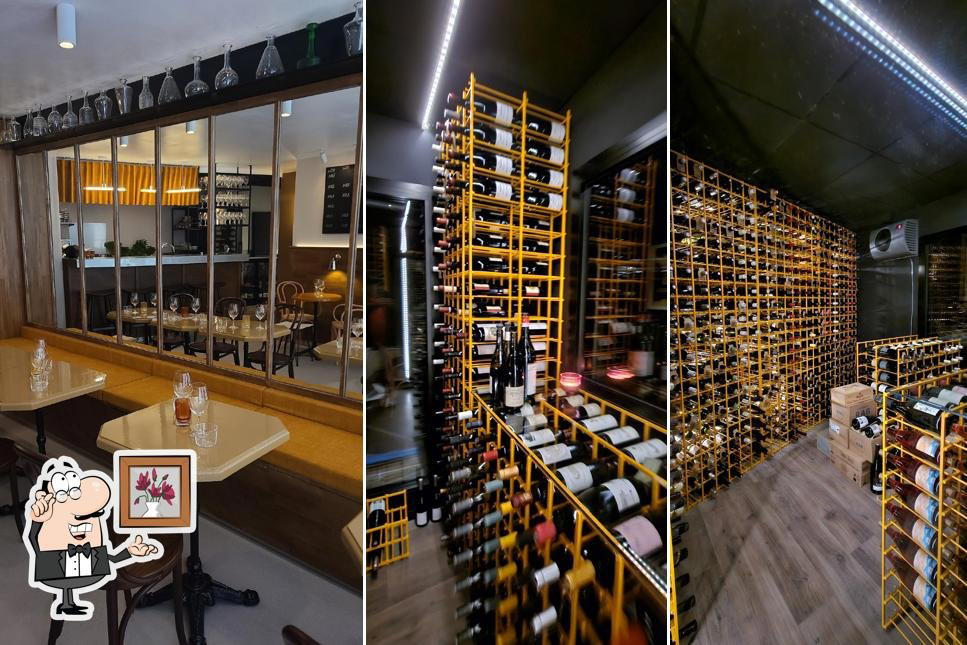
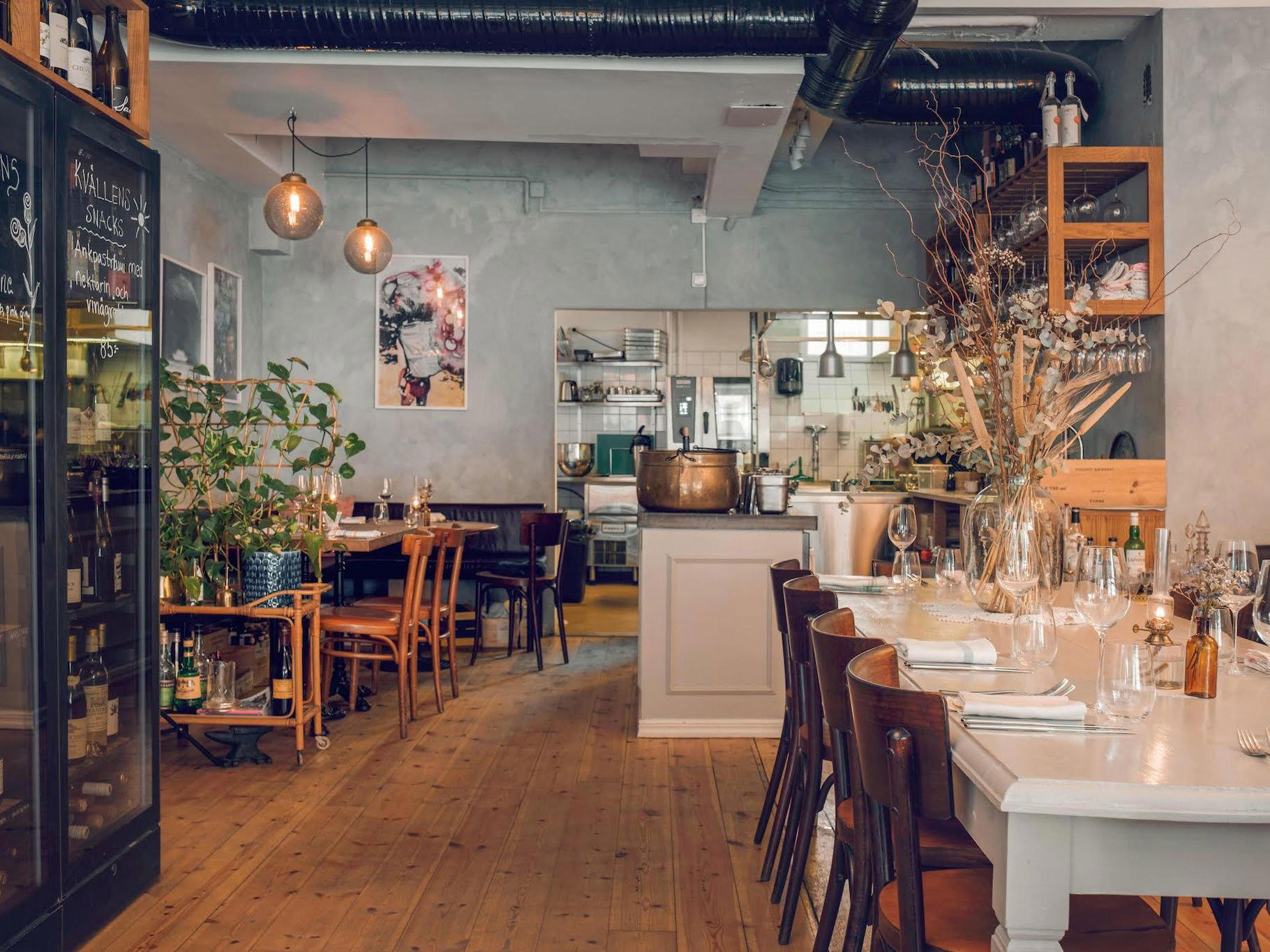
Chaleureux et familial with warm lighting, open kitchen, and convivial atmosphere praised in reviews.