Restaurant Klosterhof Bayerisch Gmain
Our verdict
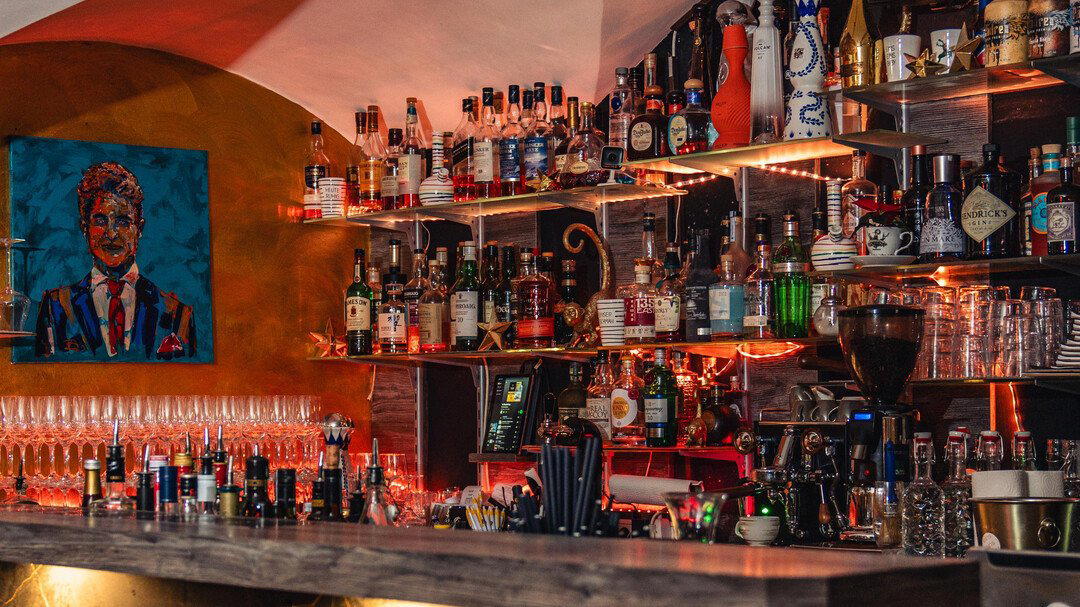
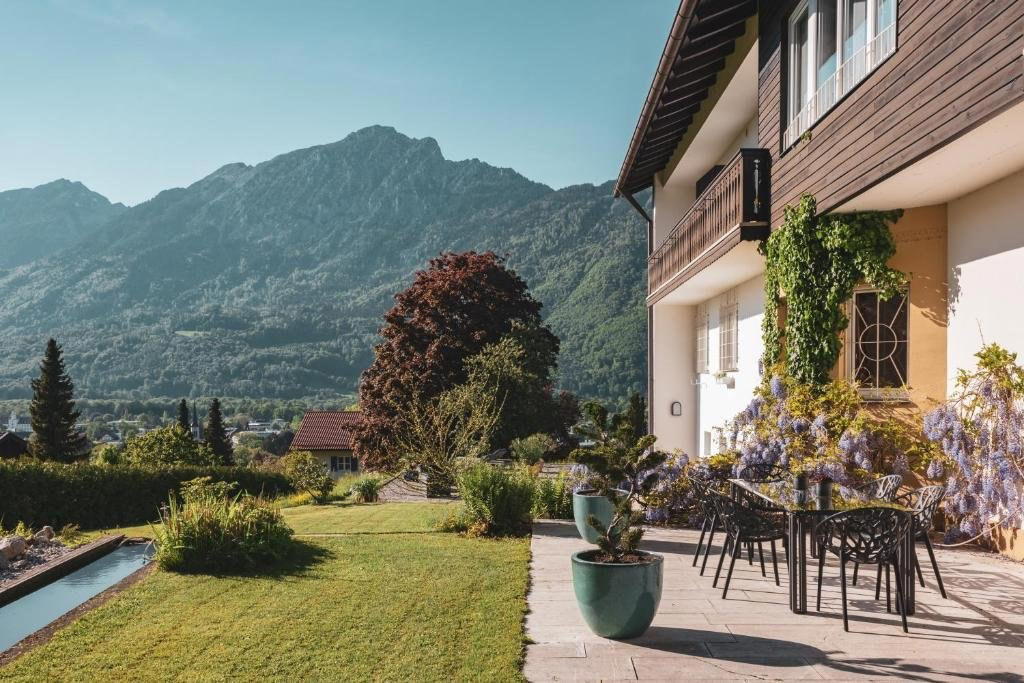
Restaurant Klosterhof Bayerisch Gmain serves Modern Alpine Gourmet with International Influences, an extensive wine list, craft cocktails, and mountain and garden views at a leisurely pace.

Pearl is the En Primeur Club membership app — saves, bookings, and concierge access live there. Same editors, same standards.
The menu
What to order
- Chef’s Choice Menu
- Bergwiese Menu
- Kraut & Rüben Menu
Where the Chiemgau Alps Meet the Table
Bayerisch Gmain sits in the eastern corner of Bavaria, pressed against the Austrian border near Bad Reichenhall, in a stretch of the Chiemgau foothills where the air carries a particular clarity and the surrounding farmland still functions the way it did a generation ago. Restaurants in this region operate in a specific context: they are not urban destination dining rooms competing on spectacle, but places shaped by proximity to one of Germany's most productive agricultural corridors. The Alpine borderlands between Bavaria and Salzburgerland have long supported a dense network of small producers, mountain dairies, and lake fisheries, and the kitchens that work here tend to reflect that supply chain directly on the plate. Restaurant Klosterhof Bayerisch Gmain, on Steilhofweg 19, occupies this setting with a physical address that already implies altitude, enclosure, and a certain remove from the main road.
The approach to a restaurant named after a cloister yard — Klosterhof translates literally as monastery courtyard — carries architectural associations that shape expectations before a single dish arrives. Monastery farm traditions in Bavaria were historically self-sufficient: gardens, orchards, brewing, and preservation all under one roof. Whether the kitchen at Klosterhof operates with that degree of sourcing integration is a question any serious diner should bring to the booking, but the cultural grammar of the name positions it inside a tradition that prizes provenance, locality, and seasonal discipline over imported luxury ingredients.
The Sourcing Logic of Alpine Border Kitchens
In the broader German fine-dining conversation, the question of ingredient origin has shifted from a marketing point to a structural one. Kitchens at the level of ES:SENZ in Grassau, a peer property in the same Chiemgau region, have built their menus around hyper-local sourcing as a competitive differentiator rather than a garnish to the concept. Grassau and Bayerisch Gmain are separated by roughly 30 kilometres of the same Alpine foothills, which means they share access to the same Chiemsee basin fish, the same high-pasture dairy herds, and many of the same market garden producers. What distinguishes kitchens within this geography is not the availability of ingredients but what they choose to do with them: whether they default to classical Bavarian preparation, engage French technique applied to local produce, or pursue a more contemporary regional idiom.
Further afield, the reference points for German regional sourcing at serious price points include Schwarzwaldstube in Baiersbronn, where Black Forest produce has anchored a three-Michelin-star kitchen for decades, and Waldhotel Sonnora in Dreis, which similarly uses its rural Eifel setting as both a logistical and an aesthetic foundation. The pattern across these kitchens is consistent: distance from a major urban centre becomes an asset when the kitchen treats local supply as a non-negotiable constraint rather than an optional positioning choice. Bayerisch Gmain, with its elevation, its border proximity, and its relative obscurity compared to destinations like Munich or Berchtesgaden, places any kitchen here in that same structural position.
What Regional Obscurity Produces
Dining in a town as small as Bayerisch Gmain, population figures sit well below 5,000, tends to produce a specific kind of restaurant culture. Without the volume of footfall that urban kitchens rely on, places that survive here do so through a combination of destination appeal, local loyalty, and tight operational discipline. The pricing pressure of a tourist-heavy Alpine resort town like Bad Reichenhall, just a few kilometres away, creates a particular competitive environment: guests who have driven from Munich or arrived from Salzburg via the Autobahn carry expectations calibrated to their journey, and kitchens have to meet or exceed those expectations without the safety net of passing trade.
This dynamic produces restaurants that tend to be more considered about their identity than their urban counterparts. See the contrast with larger-city creative programs like CODA Dessert Dining in Berlin or JAN in Munich, where the city itself provides context and audience. In Bayerisch Gmain, the restaurant must carry more of that contextual weight itself. For guests accustomed to the full-format ambition of Aqua in Wolfsburg or the conceptual precision of Vendôme in Bergisch Gladbach, the register here is almost certainly different: more grounded, more tied to place, less interested in international reference points.
Internationally, a useful parallel is the way ingredient-led kitchens in comparably remote settings, from Le Bernardin in New York City's singular focus on fish to the produce-driven precision of Atomix in New York City's Korean-rooted tasting format, demonstrate that sourcing specificity and geographic identity are not incompatible with ambition. The terrain simply changes the vocabulary.
Planning a Visit to Bayerisch Gmain
The town is most easily reached by road from Munich, roughly 130 kilometres to the northwest via the A8 Autobahn, with the final stretch running through the Berchtesgadener Land. The nearest rail connection is Bad Reichenhall, served by regional trains from Munich Hauptbahnhof and from Salzburg Hauptbahnhof across the Austrian border, putting the Klosterhof address within a short taxi or transfer. The area sits inside a recognised spa and health resort corridor, the designation Heilklimatischer Kurort applies to several communities here, which means the guest profile tends toward longer stays rather than day-trip dining, and booking ahead is advisable, particularly during summer and the winter Alpine season. For a broader orientation to the dining options in the area, see our full Bayerisch Gmain restaurants guide.
Those building a wider German fine-dining itinerary around this corner of Bavaria might also consider AUGUST in Augsburg, AURA by Alexander Herrmann and Tobias Bätz in Wirsberg, or, further west, ammolite in Rust. For those travelling via the Mosel or Rhineland, Schanz in Piesport, Bagatelle in Trier, and Restaurant Haerlin in Hamburg represent comparable regional ambition in different landscape registers. ATAMA by Martin Stopp in Sankt Ingbert and Victor's Fine Dining by Christian Bau in Perl round out the southwestern end of the German fine-dining circuit for those routing through the Saarland.
Frequently asked questions
Does Restaurant Klosterhof Bayerisch Gmain work for a family meal?
Bayerisch Gmain is a small town with a population well below 5,000, and restaurants in communities of this scale typically serve a broad local clientele rather than a narrowly defined audience. The address at Steilhofweg 19 places Klosterhof in a residential-adjacent setting, which in the Chiemgau region tends to mean relaxed, multi-generational dining rather than a strictly destination-only format. That said, confirming current arrangements directly with the restaurant before visiting is advisable.
What should I expect atmosphere-wise at Restaurant Klosterhof Bayerisch Gmain?
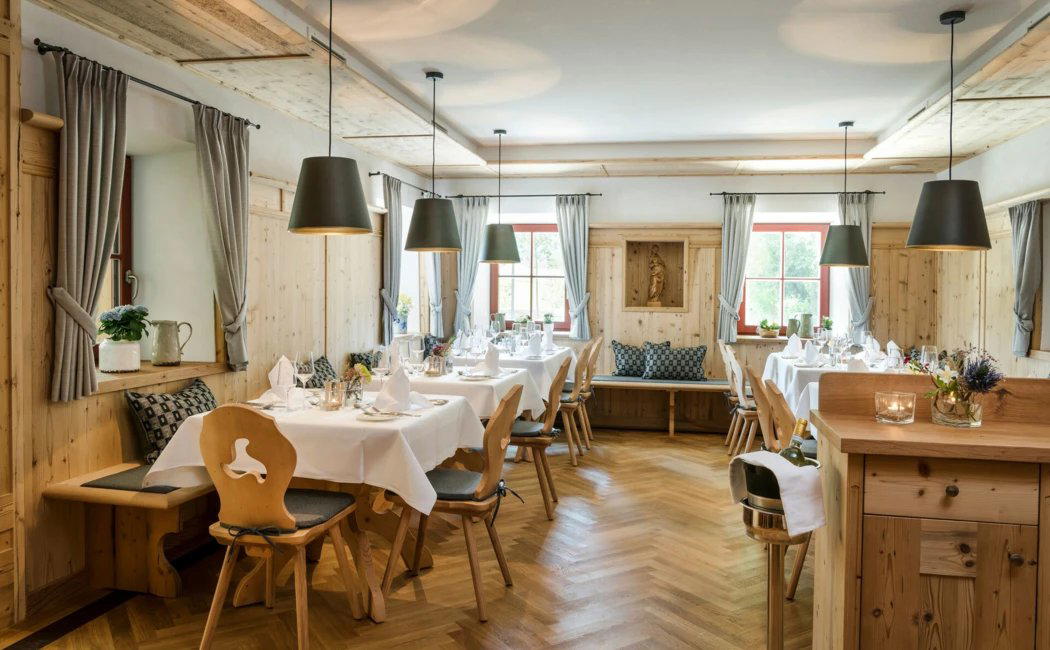
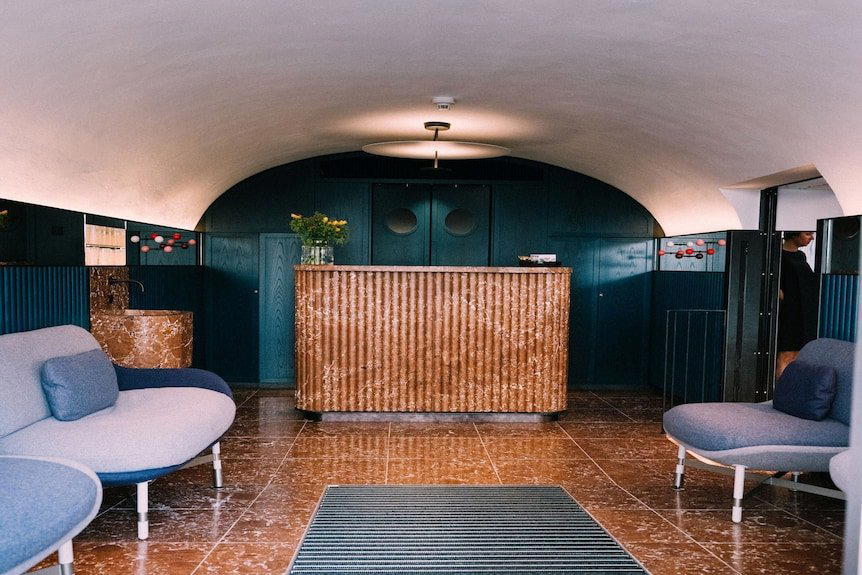
Restaurants in the Chiemgau foothills near Bad Reichenhall tend toward grounded, alpine-inflected interiors rather than metropolitan formality — think natural materials, a pace set by the surrounding landscape, and a room that reflects the cooking's regional logic. Klosterhof's position in Bayerisch Gmain, a town pressed against the Austrian border, situates it within a dining culture shaped more by cross-border alpine tradition than by urban trend cycles. Specific interior details are best confirmed ahead of your visit.
How far is Restaurant Klosterhof Bayerisch Gmain from Munich, and is it worth the drive?
Bayerisch Gmain sits roughly 130 kilometres southeast of Munich via the A8 Autobahn, making it a realistic half-day or full-day excursion from the city. The final stretch runs through the alpine foothills near Bad Reichenhall, which frames the drive as part of the experience. For a restaurant rooted in the sourcing logic of an alpine border kitchen, that geographic remove from the city is part of what shapes the cooking's character.
What do regulars order at Restaurant Klosterhof Bayerisch Gmain?
In kitchens operating across the eastern Bavarian-Austrian border corridor, the menu tends to follow the rhythm of local sourcing: mountain dairy, freshwater fish from the Inn and Salzach catchments, and game in season. Klosterhof's location in Bayerisch Gmain places it squarely within that tradition. For current menu specifics, contacting the restaurant directly before your visit will give you the most accurate picture of what's on.
In Context: Similar Options
Comparable venues nearby, for context on price, style, and recognition.
| Venue | Cuisine | Price | Notes |
|---|---|---|---|
| Restaurant Klosterhof Bayerisch GmainThis venue — the venue you are viewing | Modern Alpine Gourmet with International Influences | $50–100 | Not listed |
| Restaurant zumOXN | Modern Bavarian Grill & Seasonal Cuisine | $50–100 | Laufen, Upper Bavaria |
| Hausmann's | Traditional German Brasserie | $20–30 | Frankfurt Airport |
| Bauer Restaurant | Traditional Bavarian | $30–50 | Feldkirchen |
| Restaurant Schapeau | German & Central European | $30–50 | Altstadt |
| Restaurant Ofenhaus | Modern German Crossover | $50–100 | Oberhausen |
Continue exploring
More in Bayerisch Gmain
Restaurants in Bayerisch Gmain
All restaurants in Bayerisch Gmain →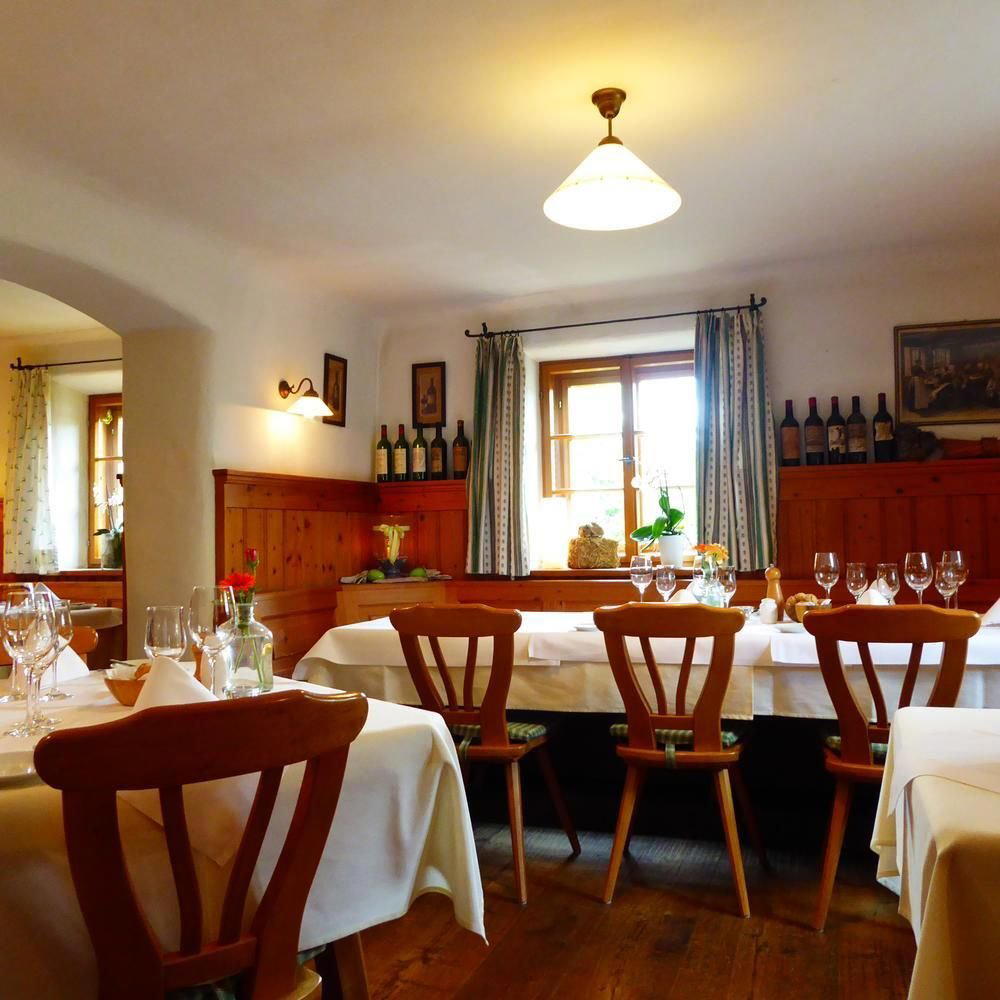
Bars in Bayerisch Gmain
Browse all →
Restaurant Klosterhof Bayerisch Gmain
The wine
- Wine program
- Curated wine list
- Extensive wine list
- Craft cocktails
Details
- Cozy
- Elegant
- Rustic
- Scenic
- Special Occasion
- Date Night
- Hotel Restaurant
- Terrace
- Open Kitchen
- Historic Building
- Extensive Wine List
- Craft Cocktails
- Local Sourcing
- Mountain
- Garden
- A La Carte
- Tasting Menu
- Wine Program
- Beer Program
- Vegetarian Friendly
- Vegan Options
- Gluten Free Options
Current opening hours
- Monday
- 6–10 PM
- Tuesday
- 6–10 PM
- Wednesday
- 6–10 PM
- Thursday
- 6–10 PM
- Friday
- 6–10 PM
- Saturday
- 6–10 PM
- Sunday
- 6–10 PM
Hours can change for holidays and private events. Last verified .
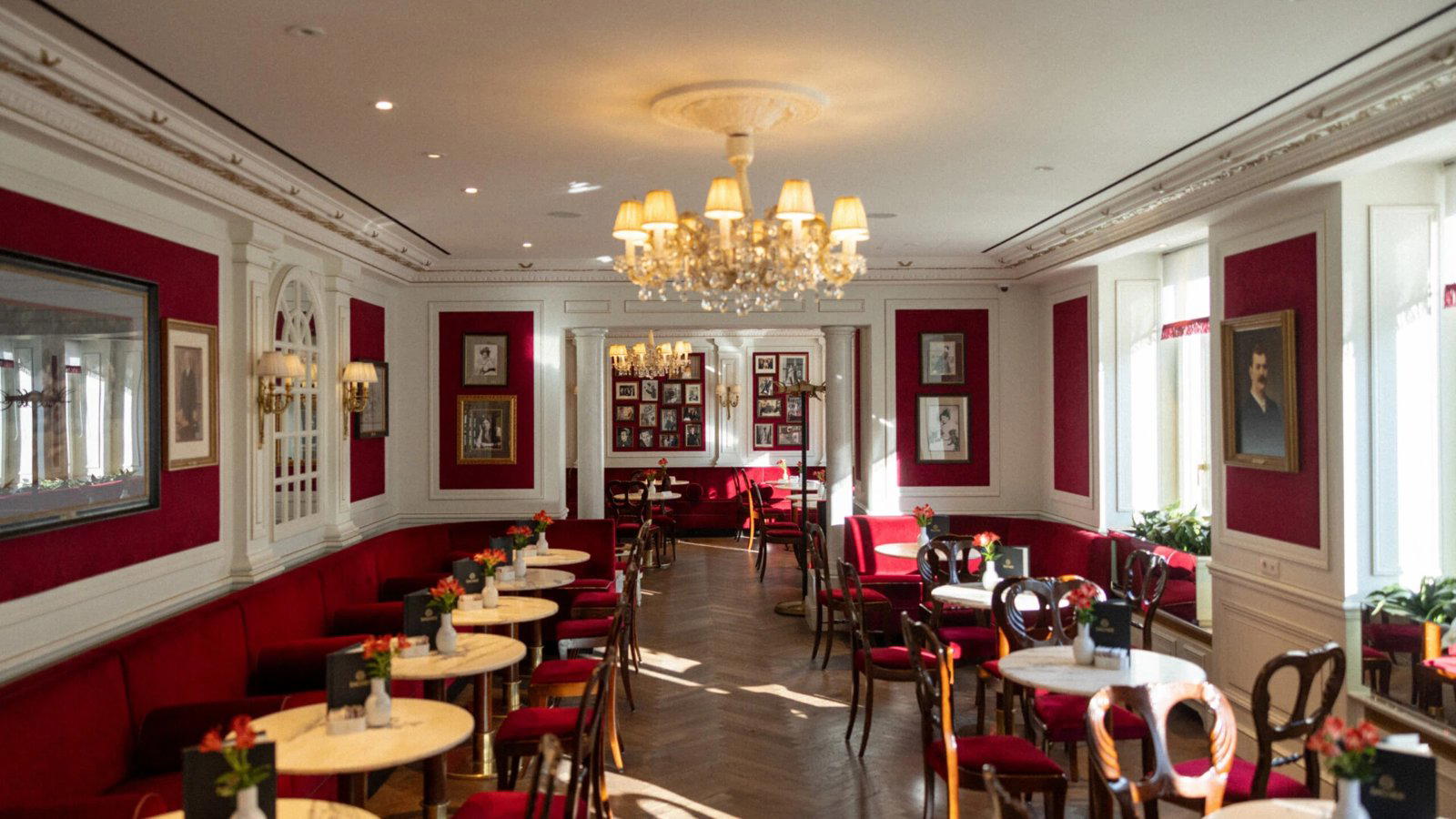
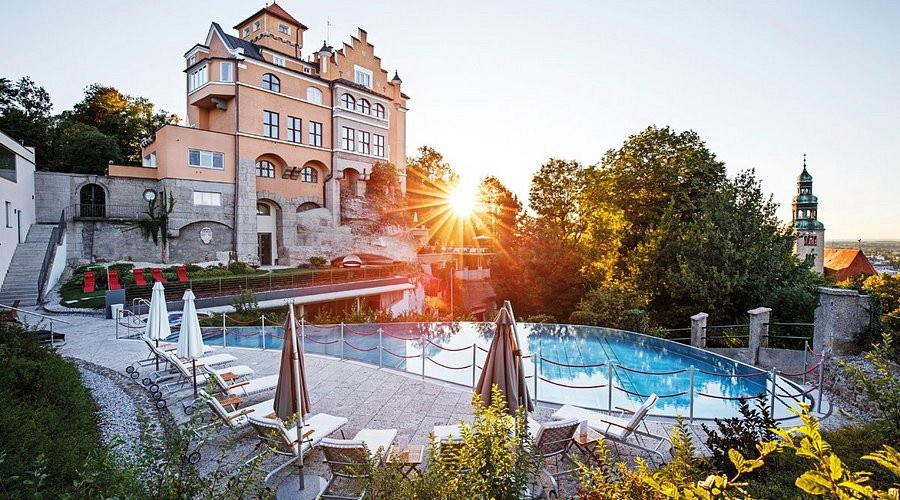
Stilvolles Ambiente with relaxed terrace views of mountain panorama, combining elegant indoor dining with outdoor summer lounge atmosphere.