Our verdict
Restaurant héni is a French Traditional Bistro in Auzances with local sourcing, casual dress, and standard pacing for lunch or dinner.

Pearl is the En Primeur Club membership app — saves, bookings, and concierge access live there. Same editors, same standards.
- Address
- 28 Rte de Montluçon, 23700 Auzances, France
- Phone
- +33587043077
- Hours
- Mon ClosedTue–Wed 12–2 PMThu–Fri 12–2 PM, 7 PM–1 AMSat 7 PM–1 AMSun Closed
- Website
- restaurantheni23.wixsite.com
- Directions
- Get directions
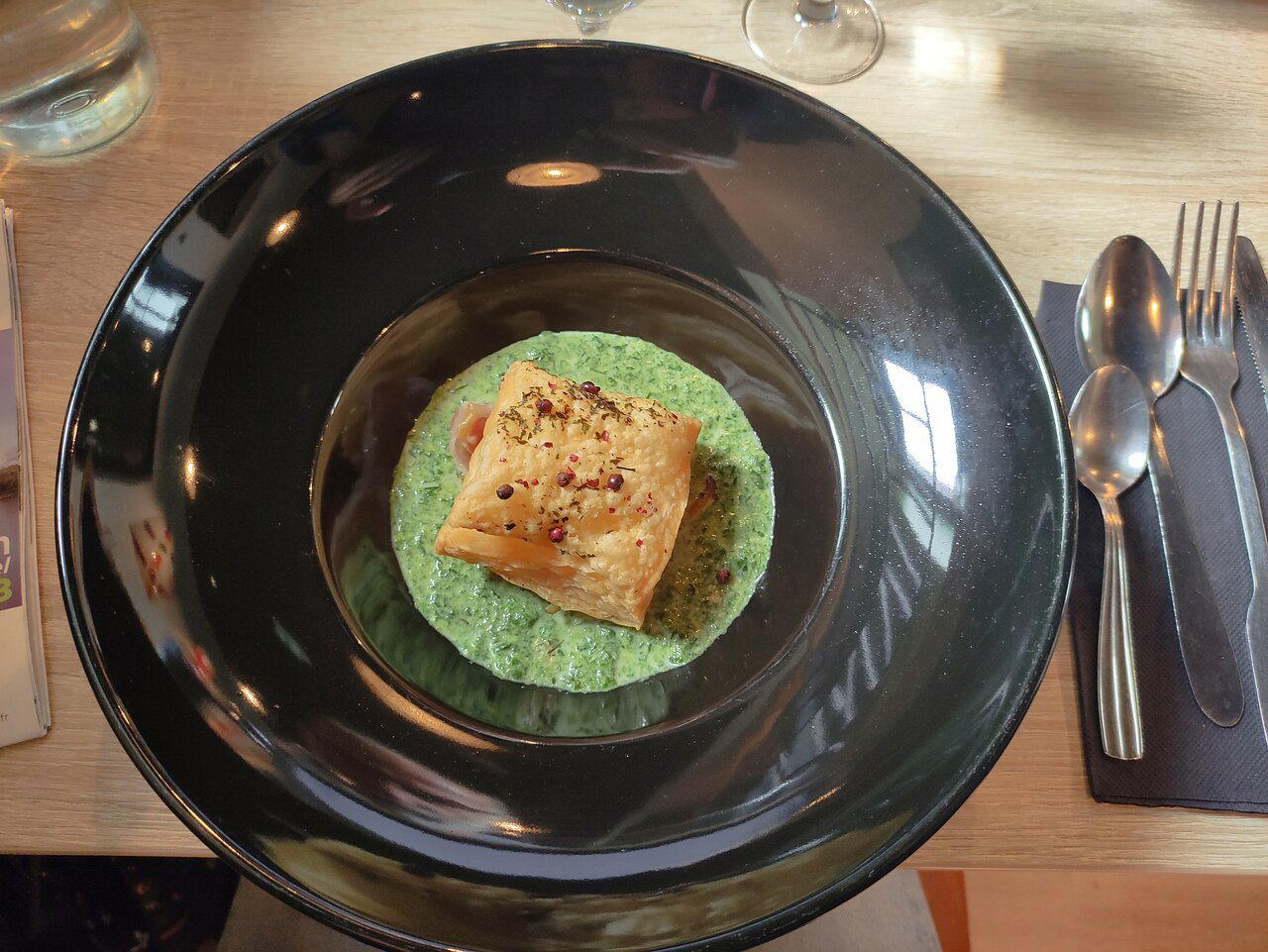
A Restaurant in Rural Creuse, and What That Actually Means
The Creuse department sits in the geographic heart of France, a place where the country folds into itself: gentle plateaus, river valleys, and market towns spaced far enough apart that a restaurant's decision to open here reads as a statement about where food comes from rather than where it is served. Auzances, population under two thousand, occupies that territory. Route de Montluçon runs through it without ceremony. Restaurant héni sits on that road at number 28, and the setting shapes everything about how the food should be understood.
Rural French dining in this register operates differently from the destination tables along the Atlantic coast or in the alpine valleys. The reference points that matter at Mirazur in Menton or Flocons de Sel in Megève are proximity to luxury tourism infrastructure, seasonal clientele drawn by landscape, and kitchens resourced by celebrity supply chains. None of those conditions apply in the Creuse. A restaurant here is embedded in a local agricultural economy by necessity, and that constraint tends to produce a more direct relationship between producer and plate than consciously curated farm-to-table programs in larger cities ever manage.
Sourcing in the Creuse: Proximity as Method
The Massif Central and its northern approaches produce food of considerable quality: Charolais cattle graze the neighboring Allier and Saône-et-Loire departments; the rivers carry crayfish and trout; the forests produce mushrooms whose season runs from early autumn well into winter. Lamb from the plateaus has a lean, mineral quality shaped by thin grass and altitude. These are not specialty items imported for prestige. They are the local larder, and in a town the size of Auzances, a kitchen that takes them seriously is drawing from producers who may be visible from the dining room window.
This stands in sharp contrast to the supply logic of high-profile urban French tables. At Alléno Paris au Pavillon Ledoyen or Assiette Champenoise in Reims, sourcing decisions are deliberate and often publicized, the result of relationships built over time with named producers across France. In a market town in the Creuse, sourcing proximity is simply the practical condition of operating. The editorial point is not that one approach is superior to the other, but that they produce different kitchens with different constraints and different textures of honesty. Rural restaurants in France's interior have been doing ingredient-led cooking since before it became a marketing category.
The broader tradition is well-established. Bras in Laguiole built its international reputation on precisely this logic, translating the Aubrac plateau's specific ecology into a kitchen vocabulary that the wider world eventually recognized. Auberge du Vieux Puits in Fontjoncouse operates in a village of comparable scale in the Aude and holds three Michelin stars. The pattern of serious cooking appearing in unlikely market-town locations is not anomalous in France; it is structural, rooted in a culinary culture that has always valued the table in the village as much as the table in the city.
Auzances sits roughly equidistant between Clermont-Ferrand to the southeast and Guéret to the west, with Montluçon a manageable drive to the north. For travelers moving through the center of France rather than targeting a coastal or mountain destination, the Creuse represents an honest interior, less trafficked than the Loire Valley and less mapped than Burgundy. Restaurants in this context compete on local loyalty and word of mouth more than guide recognition, which shapes how they operate and what they prioritize.
This is a different competitive register than the one occupied by Georges Blanc in Vonnas or L'Oustau de Baumanière in Les Baux, both of which anchor tourist routes and carry decades of guide accumulation. It is also different from the port-city ambition of Christopher Coutanceau in La Rochelle or the highly technical programs at AM par Alexandre Mazzia in Marseille. Restaurant héni operates without the apparatus of those contexts. That is not a limitation; it is a different set of terms.
For full context on the dining options across Auzances, our full Auzances restaurants guide maps the local field.
The Broader French Country Table Tradition
France's interior has a long history of tables that feed a community first and attract outside attention second. The classic auberge model, still visible at Auberge de l'Ill in Illhaeusern, built its identity over generations before guide recognition arrived. Troisgros in Ouches relocated from Roanne specifically to be closer to its agricultural sources, a move that reinforced the same logic that rural kitchens in the Creuse apply by default. Even at the level of Paul Bocuse's Auberge du Pont de Collonges, the foundational identity is a country restaurant that happened to become something larger rather than a metropolitan institution that exported itself outward.
That lineage matters when reading a restaurant in a small market town in the Creuse. The form is not marginal to French dining culture; it is one of its original shapes. The ingredient sourcing angle, the local producer economy, the relatively contained menu shaped by what the surrounding land delivers at any given point in the year: these are not compromises. They are the terms of a culinary tradition that city-based fine dining has spent decades trying to replicate.
International comparison is instructive. The intensity of technique at Le Bernardin in New York City or the conceptual precision of Atomix in New York City represent one mode of serious cooking. The French country table, rooted in its particular geography and agricultural calendar, represents another. Neither is reducible to the other. Readers planning a journey through central France rather than toward its well-documented destination cities should factor in what this kind of table offers that the better-known addresses cannot.
Planning a Visit
Restaurant héni is located at 28 Route de Montluçon in Auzances, in the Creuse department of the Nouvelle-Aquitaine region. The town is accessible by road from Montluçon to the north and Clermont-Ferrand to the southeast, making it a plausible stop on a longer route through central France. Given the size of the town and the absence of a large passing tourist trade, confirming hours and availability directly before visiting is advisable. Rural restaurants in France at this scale frequently operate on limited weekly schedules, particularly outside high summer, and may close between services or on specific days with limited online signposting. Contact via the address or by arriving and checking posted hours is the reliable approach when website and telephone information are not publicly listed.
Frequently asked questions
Is Restaurant héni okay with children?
Auzances is a small market town in the Creuse, and restaurants operating at a local French price point in that context tend to be relaxed about families. héni at 28 Route de Montluçon is not a formal city dining room, and the rural setting suggests a less rigid atmosphere than an urban tasting-menu counter. Confirm directly with the restaurant, as covers and service style can vary on specific days.
What's the vibe at Restaurant héni?
Auzances has a population of around 2,500 and no significant tourist economy, which shapes the atmosphere at any restaurant operating there. héni at 28 Route de Montluçon functions within that rural market-town register: quiet, locally anchored, without the ambient noise of a city dining scene. Expect a room that feeds the community first, with outside visitors an occasional rather than constant presence.
Is Restaurant héni worth a dedicated trip from Clermont-Ferrand or Guéret?
Auzances sits roughly equidistant between Clermont-Ferrand to the southeast and Guéret to the west, making héni at 28 Route de Montluçon a realistic lunch or dinner destination from either city. The Creuse is one of the least-visited departments in France, so travelers arriving from those urban centres are typically self-selecting for a quieter, more agricultural register of French dining.
What should I eat at Restaurant héni?
The kitchen's context is instructive: the Creuse and adjacent Massif Central departments produce Charolais beef, regional charcuterie, and freshwater fish from river valleys. Dishes rooted in that agricultural geography are the reasonable expectation for any serious table in this part of France.
What's Restaurant héni's location?
Restaurant héni is located at 28 Rte de Montluçon, 23700 Auzances, France, Auzances.
Is Restaurant héni reservation-only?
In a town the size of Auzances, walk-ins on quieter weekday services are plausible, but any restaurant running on limited covers in a low-footfall location manages its seatings carefully. Calling ahead is the practical approach, particularly for weekend services or groups. No booking policy is published in the available record.
What's the defining dish or idea at Restaurant héni?
No signature dish is documented for héni. The defining idea consistent with its location in the agricultural interior of France is proximity: cooking that draws from the Creuse's own produce rather than importing a metropolitan concept into rural ground. That orientation, common to the best French country tables, is the lens through which the kitchen's output should be read.
Side-by-Side Snapshot
Comparable venues nearby, for context on price, style, and recognition.
| Venue | Cuisine | Price | Notes |
|---|---|---|---|
| Restaurant héniThis venue — the venue you are viewing | French Traditional Bistro | Not listed | Not listed |
| Brunch Cocoonbox Clermont, Riom et Agglo | Homemade French Brunch Boxes | $20–30 | Chamalieres |
| L’aventure | French Mountain Grill | $30–50 | Oz en Oisans |
| Le Bungalow | French Brasserie | $20–30 | Quai d'Allier |
| Ô Puits | Traditional French Bistro | $20–30 | Saint Etienne |
| En/Vie | Bistronomic French with Local Seasonal Produce | $30–50 | old center |
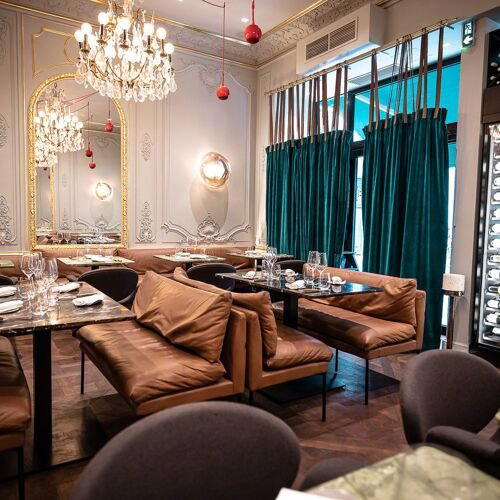
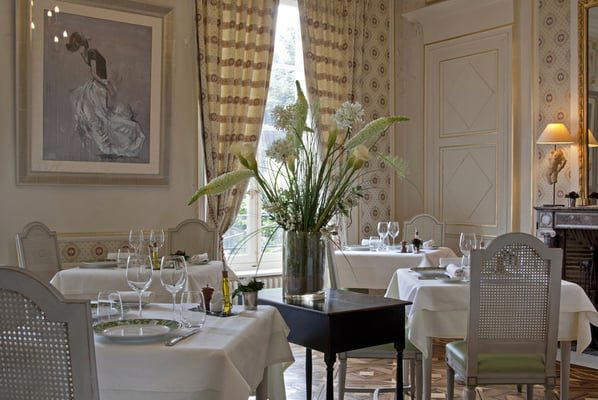
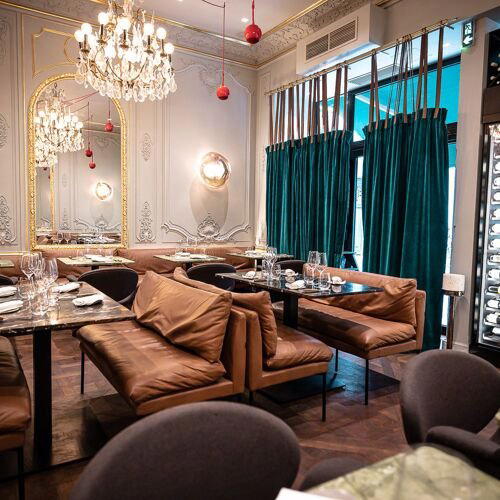
Details
- Cozy
- Rustic
- Group Dining
- Family
- Local Sourcing
- A La Carte
Current opening hours
- Monday
- Closed
- Tuesday
- 12–2 PM
- Wednesday
- 12–2 PM
- Thursday
- 12–2 PM, 7 PM–1 AM
- Friday
- 12–2 PM, 7 PM–1 AM
- Saturday
- 7 PM–1 AM
- Sunday
- Closed
Hours can change for holidays and private events. Last verified .
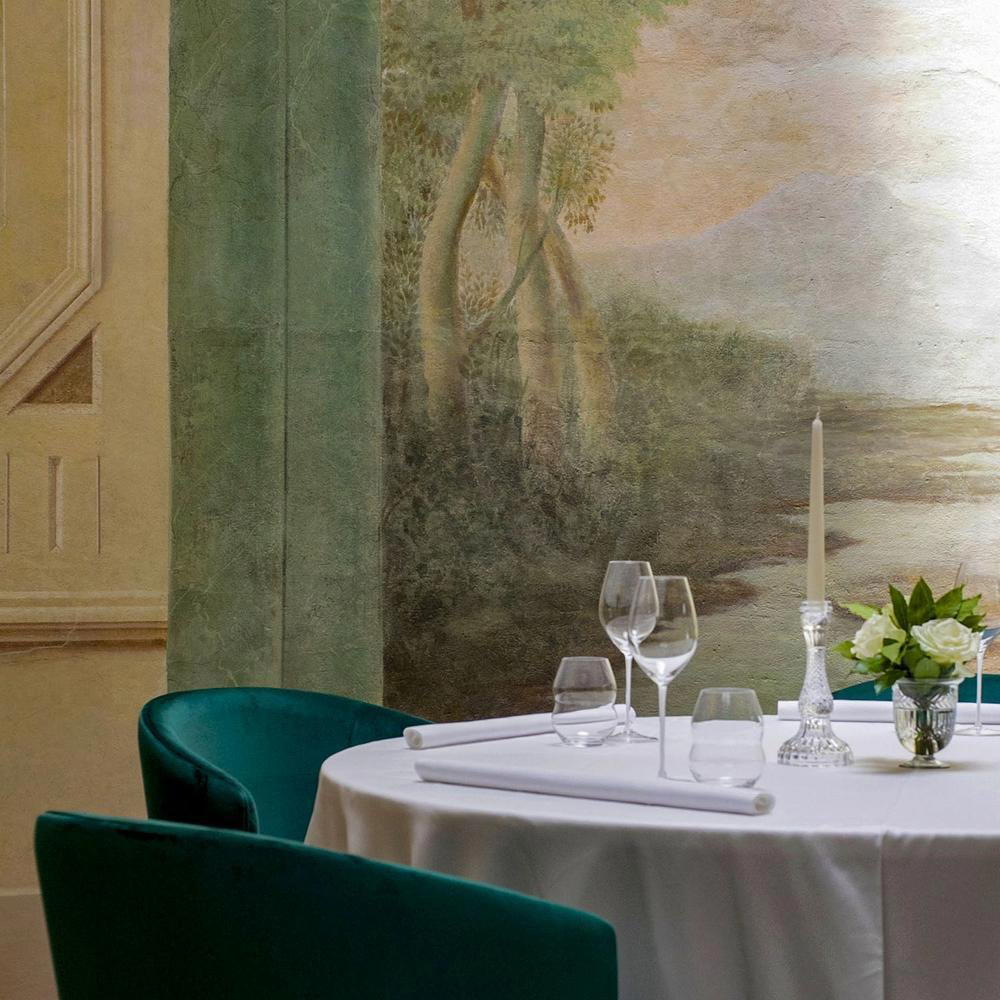
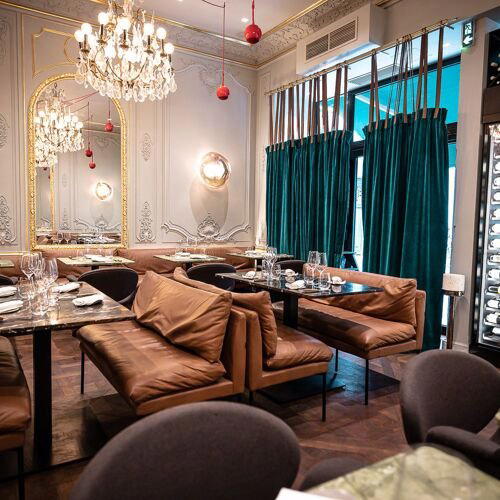
Chaleureux et convivial avec accueil sympathique et service souriant.