On the banks of the Allier in Vichy, Le Bungalow occupies a quayside address that puts it firmly in the category of destination dining by setting alone. The restaurant sits within a city better known for its thermal heritage than its food scene, which makes its presence on the riverfront all the more worth understanding before you book. Vichy's dining options spread across a range of price points and styles, and Le Bungalow is worth locating within that broader picture.
Pearl is the En Primeur Club membership app — saves, bookings, and concierge access live there. Same editors, same standards.
- Address
- 3 Quai d'Allier, 03200 Vichy, France
- Phone
- +33470985193
- Website
- lebungalow.fr
- Directions
- Get directions
 Saves & bookings on Pearl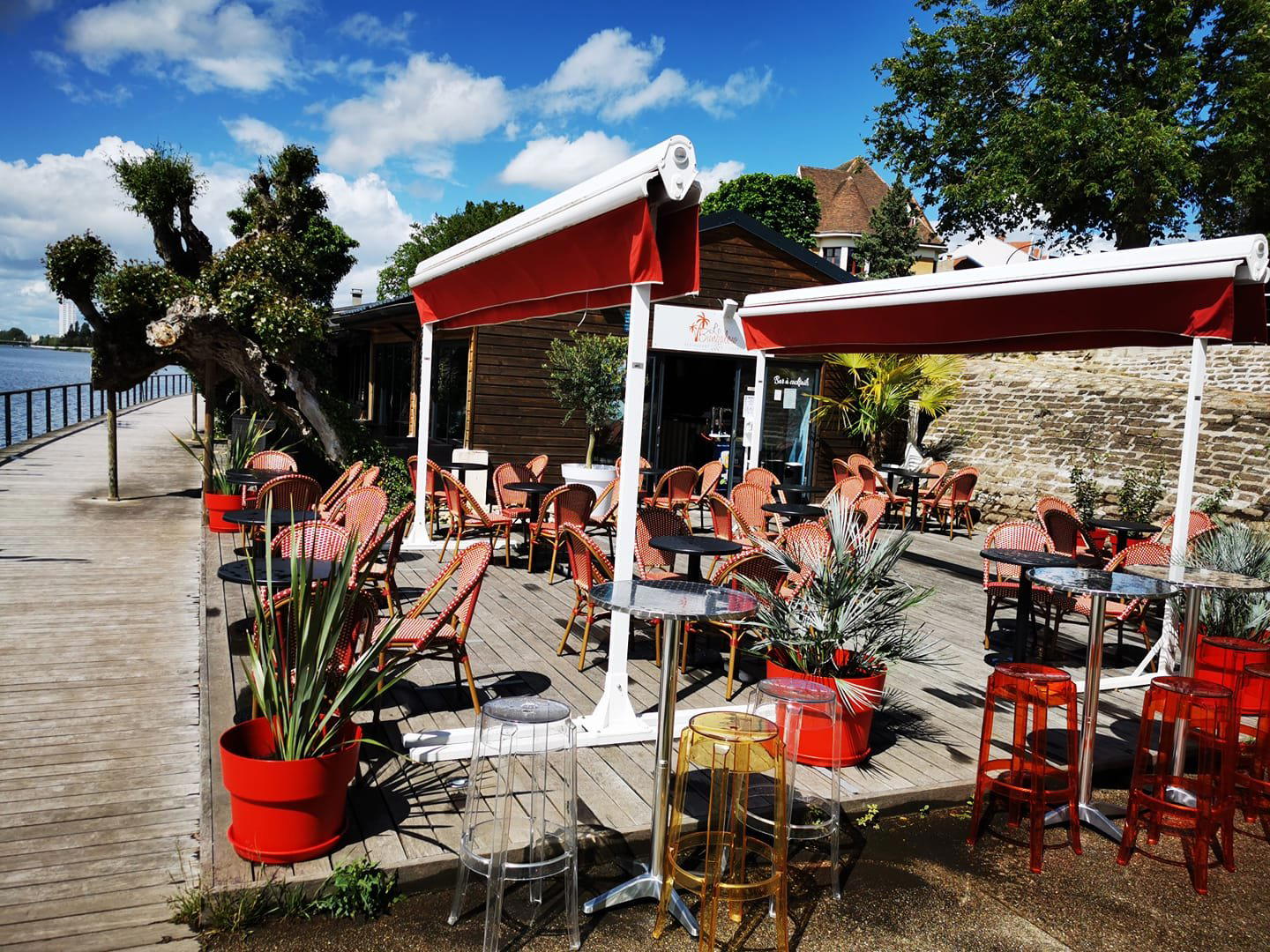
A Quayside Address in a City Reinventing Its Table
The Allier cuts through Vichy in a way that gives the city an unexpected visual generosity. The quayside along the river is the kind of address that, in a more trafficked French city, would have been colonised by hotel terraces and tourist menus decades ago. In Vichy, the thermal town that built its identity around taking the waters rather than eating particularly well, a restaurant positioned at 3 Quai d'Allier carries a different kind of weight. The setting is the first editorial fact about Le Bungalow: it occupies one of the better physical addresses in a city where the dining scene is smaller and more considered than its size might suggest.
Vichy's restaurant offering is spread across a modest but genuine range. At the upper end, Maison Decoret represents the city's most formally ambitious cooking, a modern cuisine operation at the €€€€ tier that competes on credentials rather than footfall. Below that, a cluster of mid-range addresses covers traditional French and more casual formats: Les Caudalies and L'Hippocampe both work the €€ bracket, the latter with a seafood focus that is notable given the city's inland geography. La Table d'Antoine and Bouillon des Artistes fill out the more accessible end of the spectrum. Le Bungalow sits within this city-specific context, and understanding where it lands in that local hierarchy is the starting point for any visit. For a broader orientation, the full Vichy restaurants guide maps the scene with more granularity.
The Sourcing Argument in Provincial France
The most consequential question for any provincial French restaurant is not what it cooks, but where it sources. In the Auvergne region, that question has a particularly charged answer. The volcanic plateau of the Massif Central produces some of France's most distinctive agricultural identity: lentilles vertes du Puy with their PDO status, Salers and Cantal cheese traditions that predate modern appellation systems, lamb and beef raised on high-altitude grazing land, and a freshwater river ecology that includes wild fish from the Allier itself.
This is the sourcing terrain within which Vichy's restaurants operate, and it is a meaningful one. Restaurants that genuinely engage with Auvergnat produce are making a different kind of argument from those that import more recognisable luxury ingredients. The regional larder here is not a marketing position but a practical reality: proximity to exceptional raw materials is one of the structural advantages of cooking in this part of France. The same argument holds for the Rhône Valley's most embedded addresses, for houses like Bras in Laguiole, where terroir-driven sourcing is the organising principle of the entire operation, or for Troisgros in Ouches, where the move from Roanne brought the kitchen closer to specific agricultural suppliers. For Le Bungalow, the quayside location on the Allier is a reminder that the river itself is a sourcing fact, not just a scenic one.
What the Setting Tells You About the Format
Restaurants on river banks in mid-size French cities tend to fall into one of two operating modes: they lean into the view and build a casual terrace format around it, or they treat the address as credentialing and run a more formal room behind it. The distinction matters because it determines everything from the booking window to the appropriate occasion. Vichy's thermal-town DNA, with its spa visitors, weekend travellers, and a local professional class, creates demand for both formats, and the city's dining map reflects that split.
The bungalow form in French dining tradition often signals something deliberately informal, a counter-positioning against the white-linen formality that provincial towns sometimes default to. Whether Le Bungalow operates in that register or takes a more structured approach is the kind of detail that confirms or complicates a booking decision. What the address at Quai d'Allier does confirm is that the physical experience of arrival, walking to a riverside table in a city that has been receiving visitors since the Belle Époque thermal era, is built into the proposition regardless of what the kitchen produces.
Vichy in the Wider French Dining Conversation
Placing a Vichy restaurant in the national conversation requires some proportionality. The city does not compete on the same axis as the starred rooms of Lyon, an hour south, or the three-star operations that define France's highest tier: Alléno Paris au Pavillon Ledoyen, Paul Bocuse in Collonges-au-Mont-d'Or, or Auberge de l'Ill in Illhaeusern. Nor does it claim the kind of avant-garde positioning that places like AM par Alexandre Mazzia in Marseille or Mirazur in Menton have built. The relevant comparison set for Vichy dining is other well-sourced provincial addresses in central France, restaurants that operate without a major tourist economy behind them and rely on local loyalty and regional visitors to sustain a serious table.
That is actually a more demanding operating environment than it sounds. Provincial French restaurants without a starred anchor or a major tourism draw have to justify their existence through quality of product and consistency of execution rather than through reputation momentum. Houses like Flocons de Sel in Megève or Assiette Champenoise in Reims demonstrate what serious ambition looks like in cities that are not Paris. For dining rooms in Vichy, the bar is set by those reference points, even if the competitive set is local. International readers accustomed to the technical ambition of something like Atomix in New York or the seafood precision of Le Bernardin will find Vichy operating in a different register entirely, one where regional rootedness matters more than global culinary positioning. That is not a diminishment. It is a different kind of argument, and one worth engaging with on its own terms. For context on how Au Crocodile in Strasbourg has sustained a serious reputation in a similarly non-Parisian provincial city, the parallel is instructive.
Planning a Visit
Vichy is accessible by TGV from Paris Gare de Lyon, with journey times typically under three hours, making it a viable day-trip or weekend destination from the capital. The Quai d'Allier address is walkable from the town centre and the thermal park, which means Le Bungalow sits conveniently within a broader Vichy itinerary rather than requiring a dedicated crossing of town. Given the limited data currently available on booking format, opening hours, and pricing, contacting the restaurant directly before visiting is the practical baseline. The river-facing position means seasonal weather affects the experience, and the warmer months between May and September represent the most logical window for a quayside visit in this part of the Auvergne.
How Le Bungalow Vichy compares with similar nearby venues.
| Venue | Cuisine | Price |
|---|---|---|
| L’Écrin de Marlène | Modern Cuisine | €€ |
Continue exploring
More in Vichy
Restaurants in Vichy
Browse all →
Bars in Vichy
Browse all →
Hotels in Vichy
Browse all →
Wineries in Vichy
Browse all →
At a Glance
- Cozy
- Lively
- Scenic
- Casual Hangout
- Late Night
- Terrace
- Waterfront
- Extensive Wine List
- Local Sourcing
- Waterfront
Current opening hours
- Monday
- 12–2 PM
- Tuesday
- Closed
- Wednesday
- 12–2 PM, 7–9:30 PM
- Thursday
- 12–2 PM, 7–9:30 PM
- Friday
- 12–2 PM, 7–9:30 PM
- Saturday
- 12–2 PM, 7–9:30 PM
- Sunday
- 12–2 PM
Hours can change for holidays and private events. Last verified .
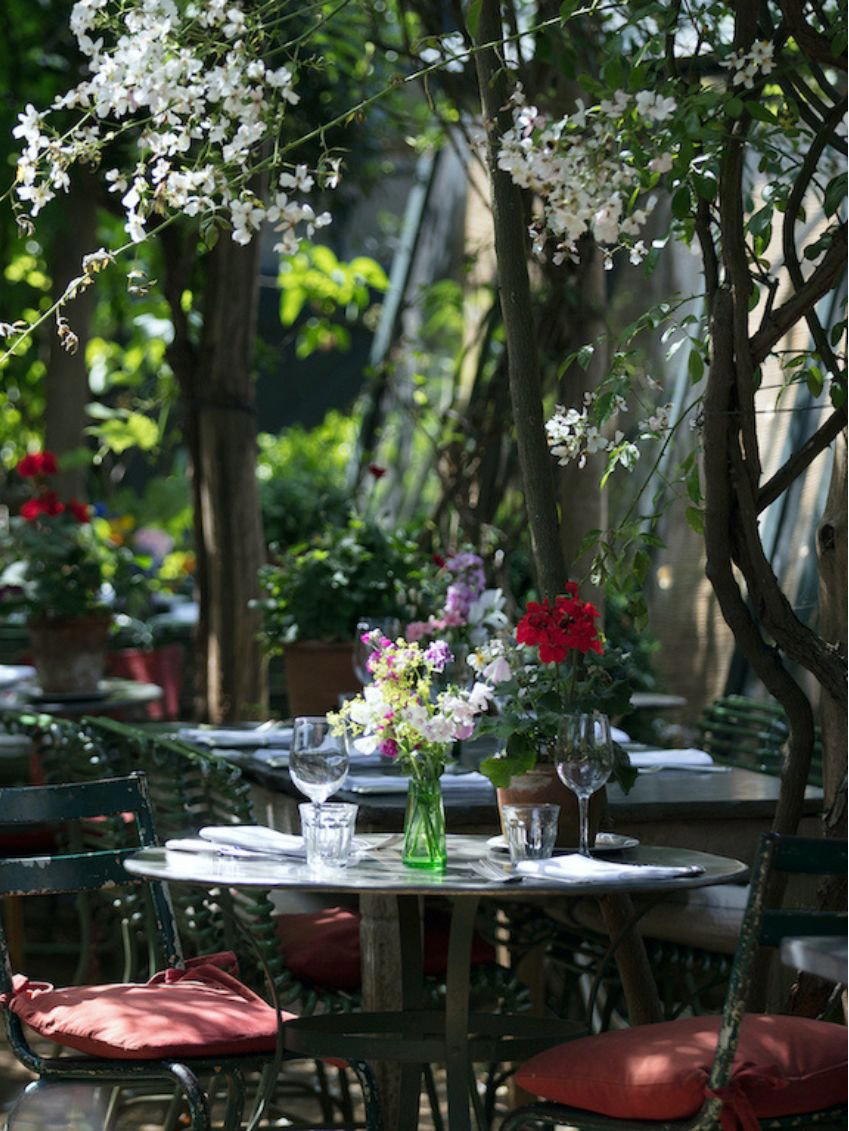
Warm and unpretentious atmosphere under tall trees by the river, combining freshness and casual charm.
Know Before You Go
- Getting there
- 3 Quai d'Allier, 03200 Vichy, France