Google: 4.8 · 493 reviews
Restaurant El Catrin
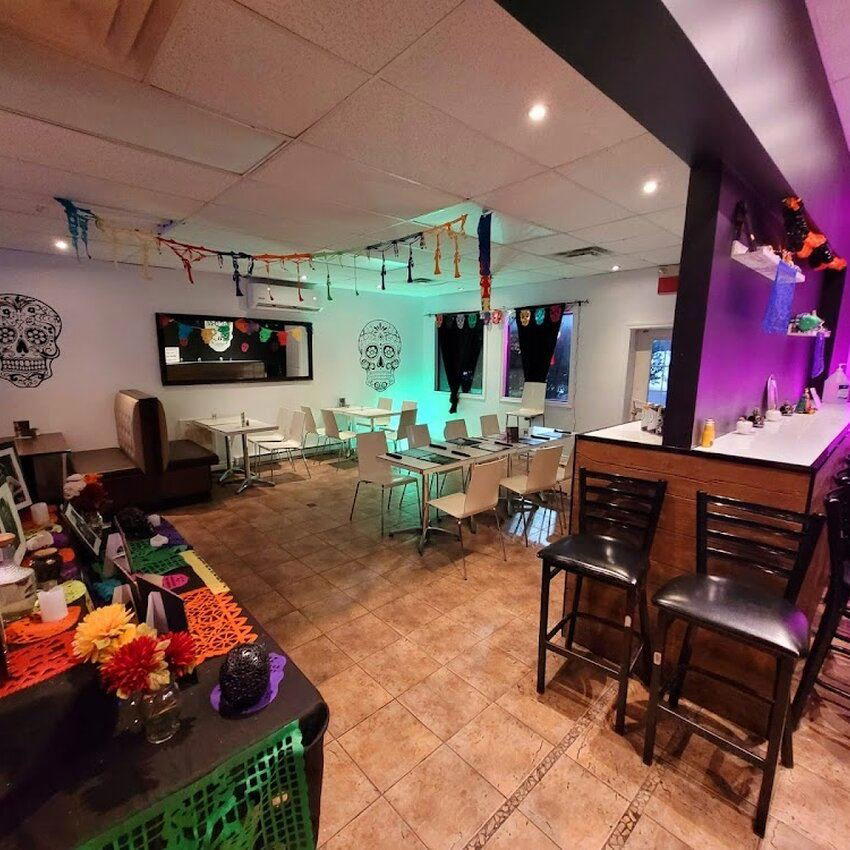
Restaurant El Catrin sits on Boulevard Laurier in Terrebonne, Quebec, bringing Mexican culinary tradition to a city better known for its French-inflected dining scene. The restaurant's name references El Catrin, the elegantly dressed figure from the Mexican lotería game, a cultural touchstone that signals an engagement with Mexican identity beyond the surface level. For Terrebonne diners, it represents a distinct alternative to the steakhouses and bistros that anchor the local restaurant roster.
 Discover on Pearl
Pearl is the En Primeur Club membership app — saves, bookings, and concierge access live there. Same editors, same standards.
Mexican Dining in a French Quebec Context
Terrebonne's restaurant scene runs along a familiar Quebec axis: bistros with wine-forward lists, fondue houses drawing on Alpine tradition, and steakhouses that anchor the suburban dinner trade. Into that context, Restaurant El Catrin at 6600 Boulevard Laurier arrives as a deliberate counterpoint. Mexican cuisine in Quebec's suburban cities occupies a different position than it does in Montreal or Toronto, where larger immigrant communities and decades of cross-cultural exchange have produced restaurants that can reference authentic regional traditions with a built-in audience capable of evaluating them. In smaller cities, a Mexican restaurant carries a heavier editorial burden: it either leans into broad accessibility or it commits to a cultural specificity that requires the room to do some of the teaching. El Catrin's name alone signals which direction it has chosen. The catrin is the elegantly dressed, top-hatted figure from the Mexican lotería card game, a character that carries specific class and cultural resonance in Mexican popular imagery. Naming a restaurant after that figure is not a casual branding decision.
What the Name Signals About the Approach
Mexican cuisine is among the most regionally varied in the world. The distance between a Oaxacan mole negro, a Yucatecan cochinita pibil, and a Sonoran carne asada is roughly equivalent to the distance between a Provençal bouillabaisse and a Basque pintxo spread. For decades, that complexity was flattened in North American restaurants into a single export format: ground beef tacos, nachos, and frozen margaritas. The last fifteen years have seen serious corrective movement, with chefs in cities from Mexico City to New York to Vancouver pulling regional specificity back into focus. Restaurants like Le Bernardin in New York City have demonstrated that cultural specificity, when executed at a high level, commands both critical attention and sustained loyalty. The same principle holds at the regional level: a restaurant that can name its influences precisely earns a different kind of trust than one that trades in generality.
In the Quebec dining context, that specificity matters even more. The province has produced serious destination restaurants that ground themselves in cultural identity with precision, from Aux Anciens Canadiens in Quebec City, which works within the canon of traditional Québécois cuisine, to Tanière³ in Quebec City, which pushes that heritage into contemporary technique. The expectation in the province, at the leading of the market, is that a restaurant knows exactly where it comes from. El Catrin's reference point in Mexican popular culture suggests a similar level of intentionality about identity.
Terrebonne's Dining Scene and Where El Catrin Fits
Terrebonne sits on the north shore of the Mille Îles River, roughly 30 kilometres northeast of Montreal's downtown core. Its dining scene reflects the city's suburban character: accessible, family-oriented, and anchored by a handful of reliable neighbourhood institutions. Bistro Martini Grill and Steakerie Sainte-Marie represent the bistro and steakhouse tier that forms the backbone of the local market. Emi Sushi covers the Japanese end. Restaurant Le Jardin des fondues leans into Alpine comfort tradition. And Restaurant BRUT. represents the more contemporary, ingredient-focused end of the local spectrum.
Against that backdrop, El Catrin occupies a lane with very little local competition. Mexican restaurants in suburban Quebec cities are scarce enough that the field of comparison shifts outward to Montreal, where the bar for regional Mexican cooking has been rising steadily. That geographic spread of competition is actually an advantage for a restaurant with serious ambitions: the relevant peer set is defined by quality rather than proximity.
The Broader Canadian Context for Mexican Cuisine
Across Canada, the conversation about Mexican food has been shaped by a handful of restaurants that have moved the category past its casual-dining defaults. In Vancouver, AnnaLena exemplifies how a city's fine-dining scene can absorb and refine cross-cultural influences. In Ontario's wine country, Restaurant Pearl Morissette in Lincoln and The Pine in Creemore demonstrate how restaurants outside major urban centres can define their own terms of excellence. Even Eigensinn Farm in Singhampton shows that serious culinary commitment in a rural or suburban setting is not only viable but can become a destination draw in itself.
For Mexican cuisine specifically, the restaurants that have earned sustained attention in Canada are those that engage with the tradition's actual complexity rather than its easiest export form. The use of dried chiles, heirloom corn preparations, proper slow-cooked proteins, and regionally specific salsas are the signals critics and informed diners now look for. They are also the signals that separate a restaurant with cultural engagement from one with cultural wallpaper. Narval in Rimouski and Jérôme Ferrer - Europea in Montréal demonstrate that Quebec's appetite for serious cuisine extends well beyond the island of Montreal. Alo in Toronto and Atomix in New York City show what the top tier of commitment to a culinary tradition looks like at the continental level. Barra Fion in Burlington offers a further point of comparison for how heritage cuisines can find footing in smaller Canadian cities.
Planning a Visit
Restaurant El Catrin is located at 6600 Boulevard Laurier in Terrebonne, a commercial strip accessible by car from Montreal's north shore suburbs in under 45 minutes under normal traffic conditions. For visitors coming from Montreal specifically, Terrebonne is an easy excursion rather than a destination requiring an overnight stay, and pairing dinner at El Catrin with a walk through Île-des-Moulins, Terrebonne's historic island district a short distance from the restaurant, gives the visit a fuller shape. Given the absence of published booking details in any directory we checked, confirming reservation availability directly with the restaurant before arrival is advisable, particularly on weekend evenings when suburban dining rooms in Quebec tend to run at capacity. Our full Terrebonne restaurants guide covers the broader dining picture for visitors planning a longer stay in the area.
A Pricing-First Comparison
A compact peer snapshot based on similar venues we track.
| Venue | Price | Awards | Notes |
|---|---|---|---|
| Restaurant El Catrin | This venue | ||
| Bistro Martini Grill | |||
| Emi Sushi | |||
| Restaurant BRUT. | |||
| Restaurant Le Jardin des fondues | |||
| Steakerie Sainte-Marie |
Continue exploring
More in Terrebonne
Restaurants in Terrebonne
Browse all →
Bars in Terrebonne
Browse all →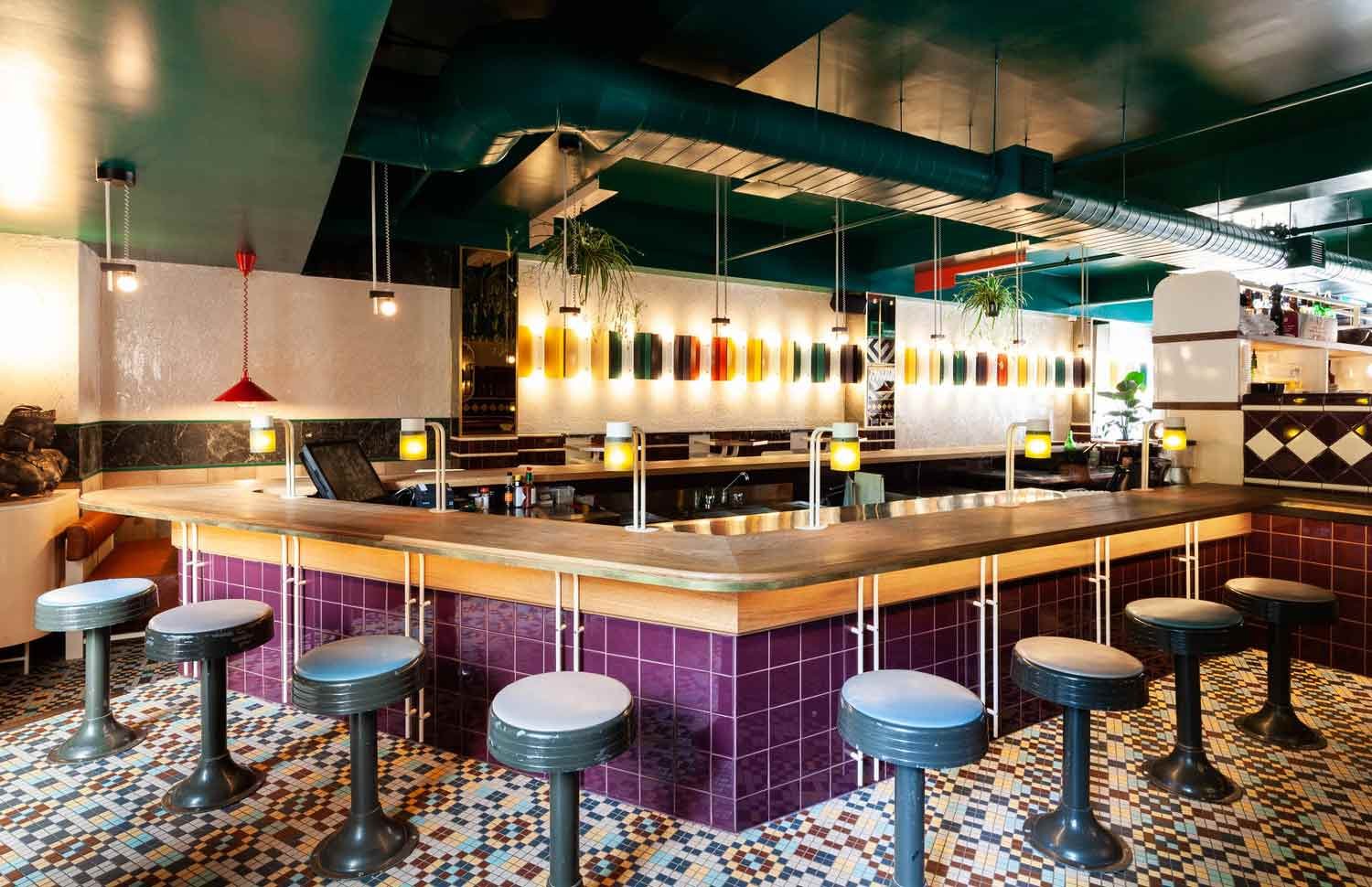



At a Glance
- Lively
- Casual Hangout
- Family
Warm and vibrant atmosphere with friendly service.