Our verdict
Set along the Route d'Antibes on the edge of Valbonne, Restaurant De Sa Vie occupies a quiet pocket of the Alpes-Maritimes that sits between the Riviera's coastal glare and the slower rhythms of the Provençal interior. The address places it in a village whose dining scene has grown steadily without attracting the same attention as Menton or Nice. For readers building a considered itinerary through southern France, it warrants a closer look.

Pearl is the En Primeur Club membership app — saves, bookings, and concierge access live there. Same editors, same standards.
- Address
- 1360 Rte d'Antibes, 06560 Valbonne, France
- Phone
- +33 4 93 12 29 68
- Hours
- Mon ClosedTue–Sat 12–1:30 PM, 7:30–9:30 PMSun Closed
- Website
- restaurantdesavie.fr
- Directions
- Get directions
- Booking
- Book on TheFork
The menu
What to order
- Lobster and mushroom salad with champagne sabayon
Between the Riviera and the Arrière-Pays: Dining in Valbonne's Orbit
The Alpes-Maritimes has two distinct dining registers. Along the coast, from the tasting-menu ambition of Mirazur in Menton to the seafood-driven precision of Christopher Coutanceau in La Rochelle, restaurants compete on international terms, chasing recognition and managing queues of well-travelled guests. A few kilometres inland, a different current runs through villages like Valbonne, where restaurants operate on a more local frequency, tied to market rhythms, regional producers, and the kind of loyalty that doesn't require a press cycle to sustain. Restaurant De Sa Vie, at 1360 Route d'Antibes, sits in that inland register.
Valbonne itself is one of the better-preserved bastide villages of the hinterland, a grid of narrow streets organised around a central square that has resisted the full transformation that money and tourism have imposed on more exposed Provençal towns. The dining scene here is compact and, by French standards, relatively unpressured. That pressure-free quality is precisely what draws certain travellers away from the coast and toward the arrière-pays, the backcountry that stretches north of Antibes and Cannes toward Grasse and beyond.
The Cultural Weight of Provençal Table Tradition
To understand any restaurant operating in this part of France, it helps to understand what the Provençal table tradition actually demands. This is a cuisine that has always argued against reduction to a single technique or a single ingredient. It is constructed on layering: the slow accumulation of olive oil, aromatic herbs, dried legumes, preserved fish, and seasonal vegetables into dishes that carry both the landscape and the season in each component. The tapenade on the table, the daube on the menu, the local rosé in the glass: these are not decorative gestures toward region. They are the grammar of a food culture that predates the restaurant format by several centuries.
France's haute cuisine tradition has long been in conversation with this regional specificity. At one end of the spectrum, houses like Paul Bocuse - L'Auberge du Pont de Collonges in Collonges-au-Mont-d'Or codified classical French cooking as a monument. At another, the terroir-anchored philosophy of Bras in Laguiole reframed regional cooking as a discipline in its own right, with the surrounding landscape as both pantry and argument. The south of France has produced its own version of this tension: between the internationalism of the Côte d'Azur dining circuit and the more grounded, ingredient-led cooking that the Provençal interior sustains.
Valbonne's Position in the Wider French Restaurant Conversation
Travellers who have spent time at recognised addresses across France, whether at Auberge de l'Ill in Illhaeusern, at Flocons de Sel in Megève, or at the coastal ambition of AM par Alexandre Mazzia in Marseille, often find that the most interesting meals are not always at the addresses generating the most coverage. Village restaurants in the Alpes-Maritimes have historically offered a different kind of return: less spectacle, more integration with the rhythms of a place.
That regional context matters when considering any restaurant on Valbonne's Route d'Antibes. The road itself connects the village to the broader Antibes-Sophia Antipolis corridor, which means the dining room draws from a wider population than the village alone: tech workers from the business park, second-home owners from the surrounding countryside, and visitors passing between the Riviera coast and the Var interior. This mix tends to produce a dining culture that is comfortable without being complacent, local without being provincial.
For readers planning a broader itinerary through southern France's serious restaurant addresses, Auberge du Vieux Puits in Fontjoncouse and L'Oustau de Baumanière in Les Baux represent the region's more decorated tier. Valbonne's restaurants, including La Pigeot nearby, operate below that altitude of recognition but within the same broad tradition. Our full Valbonne restaurants guide maps the village's options against each other more systematically.
What to Know Before You Go
Restaurants along the Route d'Antibes corridor outside Valbonne's central square tend to operate on a lunch-and-dinner schedule aligned with local business hours rather than tourist patterns, which means a midday reservation often secures a quieter room than an evening service. French restaurants in this category frequently require a phone reservation rather than an online booking system; arriving without a booking on a weekday evening in the shoulder season is lower risk than the same attempt on a Friday in July, when the Riviera hinterland fills with coastal overflow.
The village is accessible by car from Antibes in under fifteen minutes and from Nice in approximately thirty, which places it within reach of a day built around driving the inland routes rather than the coastal motorway. Dress expectations at this tier in the Provençal interior are smart-casual at minimum; the formality of coastal dining rooms generally does not apply, but the studied informality of linen and leather rather than resort wear is the local register.
Readers building a wider French restaurant itinerary can cross-reference with decorated addresses further afield: Alléno Paris au Pavillon Ledoyen in Paris, Assiette Champenoise in Reims, Au Crocodile in Strasbourg, and Troisgros - Le Bois sans Feuilles in Ouches. For transatlantic context on what French-influenced cooking looks like at its most technically ambitious outside France, Le Bernardin in New York City and Atomix in New York City offer a useful point of comparison, and Georges Blanc in Vonnas remains a useful domestic reference for what sustained provincial ambition looks like over decades.
Frequently asked questions
Is Restaurant De Sa Vie good for families?
Valbonne itself is a village with a relaxed pace that tends to suit mixed-age groups, and restaurants along the Route d'Antibes corridor generally operate in a register that accommodates families without fanfare. The safest approach is to check the venue's official channels before visiting with young children.
How would you describe the vibe at Restaurant De Sa Vie?
Valbonne sits inland from the coast, away from the tourist churn of Cannes and Antibes, which shapes the atmosphere at most restaurants in the village. Expect something closer to a neighbourhood address serving the local professional and expat community than a destination-driven room performing for first-time visitors. The specific interior format and service style at Restaurant De Sa Vie have not been publicly documented at the time of writing.
Is Restaurant De Sa Vie a good option for a dinner near Sophia Antipolis or Antibes?
Restaurant De Sa Vie sits at 1360 Route d'Antibes in Valbonne, making it geographically practical for anyone based in or travelling between Sophia Antipolis and the Antibes coast. The Route d'Antibes corridor is one of the more accessible dining options for the tech-park and business community that populates the area.
What's the must-try dish at Restaurant De Sa Vie?
No specific menu items for Restaurant De Sa Vie are publicly confirmed, so naming a standout dish would be guesswork. What the broader Alpes-Maritimes table tradition does offer is a strong argument for anything built around local produce — the region runs from coastal seafood to inland herb-driven preparations. Verify the current menu directly with the restaurant at 1360 Route d'Antibes, Valbonne.
Where is Restaurant De Sa Vie located?
Restaurant De Sa Vie is located at 1360 Rte d'Antibes, 06560 Valbonne, France, Valbonne.
Do they take walk-ins at Restaurant De Sa Vie?
Booking policy for Restaurant De Sa Vie has not been publicly confirmed. In Valbonne's dining scene, smaller village restaurants sometimes accommodate walk-ins during quieter midweek service, but weekend covers in the area tend to fill through advance reservations. Arriving without a booking in summer, when the Côte d'Azur draws significant visitor numbers, carries a real risk of no availability.
What's the signature at Restaurant De Sa Vie?
No signature dish or defining technique has been publicly documented for Restaurant De Sa Vie. The address at 1360 Route d'Antibes places it on one of the main arteries connecting Valbonne to the coast, which typically draws a mix of local regulars and passing trade rather than a single-concept audience.
Budget and Context
Comparable venues nearby, for context on price, style, and recognition.
| Venue | Cuisine | Price | Awards | Notes |
|---|---|---|---|---|
| Restaurant De Sa VieThis venue — the venue you are viewing | French Seasonal Bistro | $50–100 | Not listed | Not listed |
| La Pigeot | Authentic Moroccan | $30–50 | Not listed | Valbonne village, Authentic Moroccan |
| Comptoir De Vie | Modern French Tasting Counter-Bar | $100–150 | Not listed | 2nd Arrondissement, Modern French Tasting Counter-Bar |
| Le Petit Canard | Traditional French Duck Bistro | Not listed | Not listed | 9th arrondissement, Traditional French Duck Bistro |
| Le Jardin de Sébastien | French Market Bistro | $30–50 | Not listed | Valescure, French Market Bistro |
| Bistrot Gourmand Clovis | Provençal French Bistro | $50–100 | Michelin Plate | Tourrettes-sur-Loup, Creative French Bistro |
Continue exploring
More in Valbonne
Restaurants in Valbonne
Browse all →
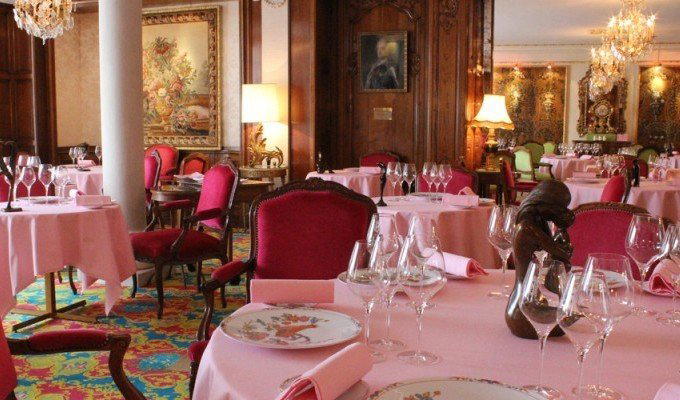
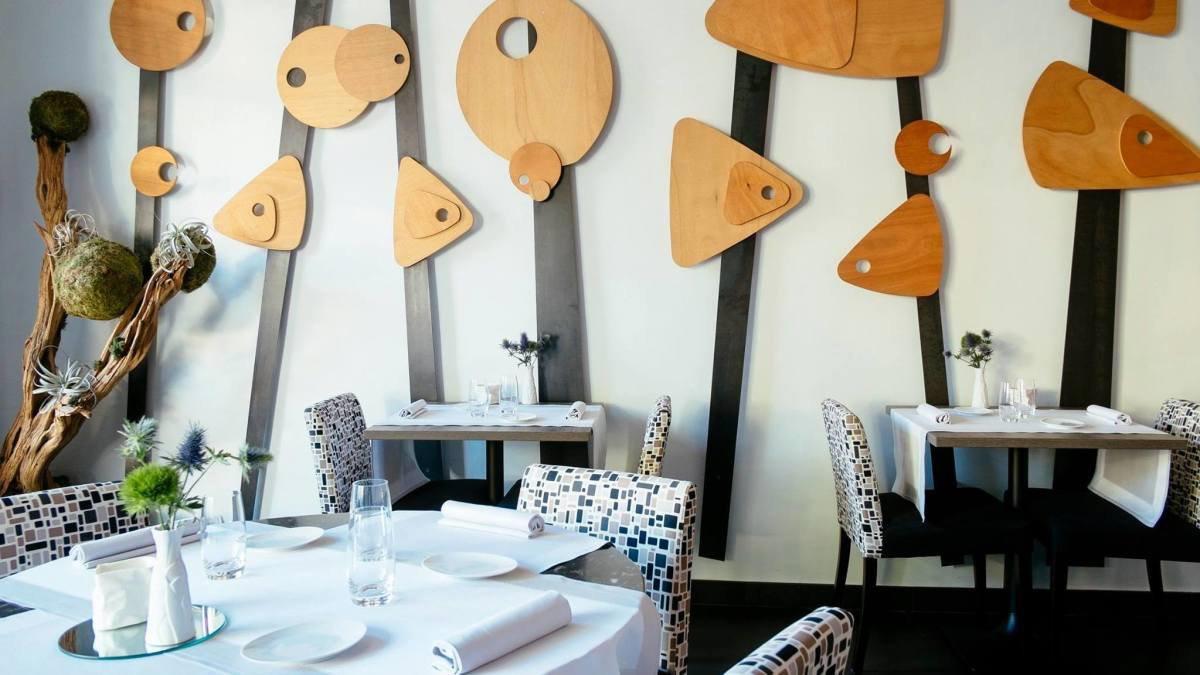
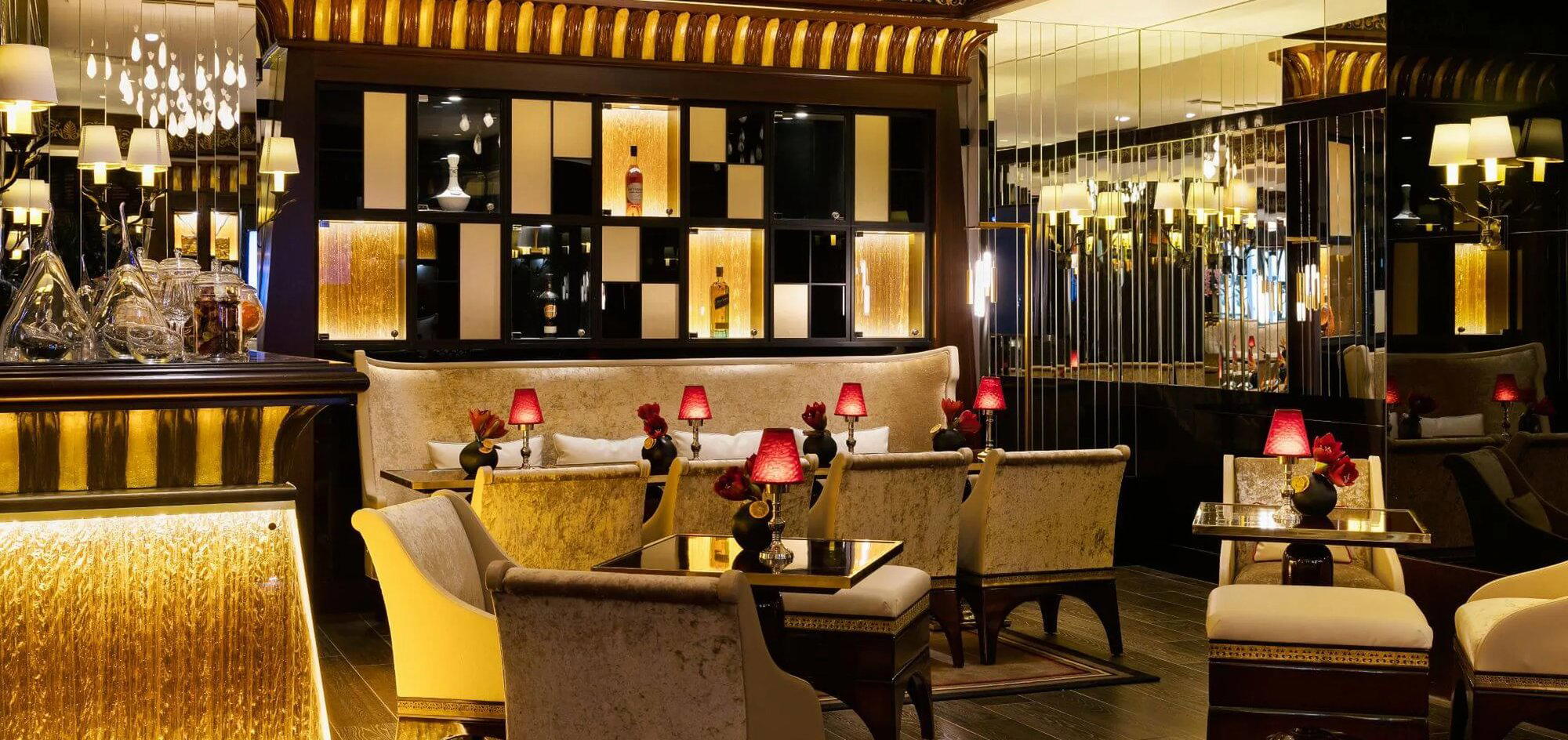
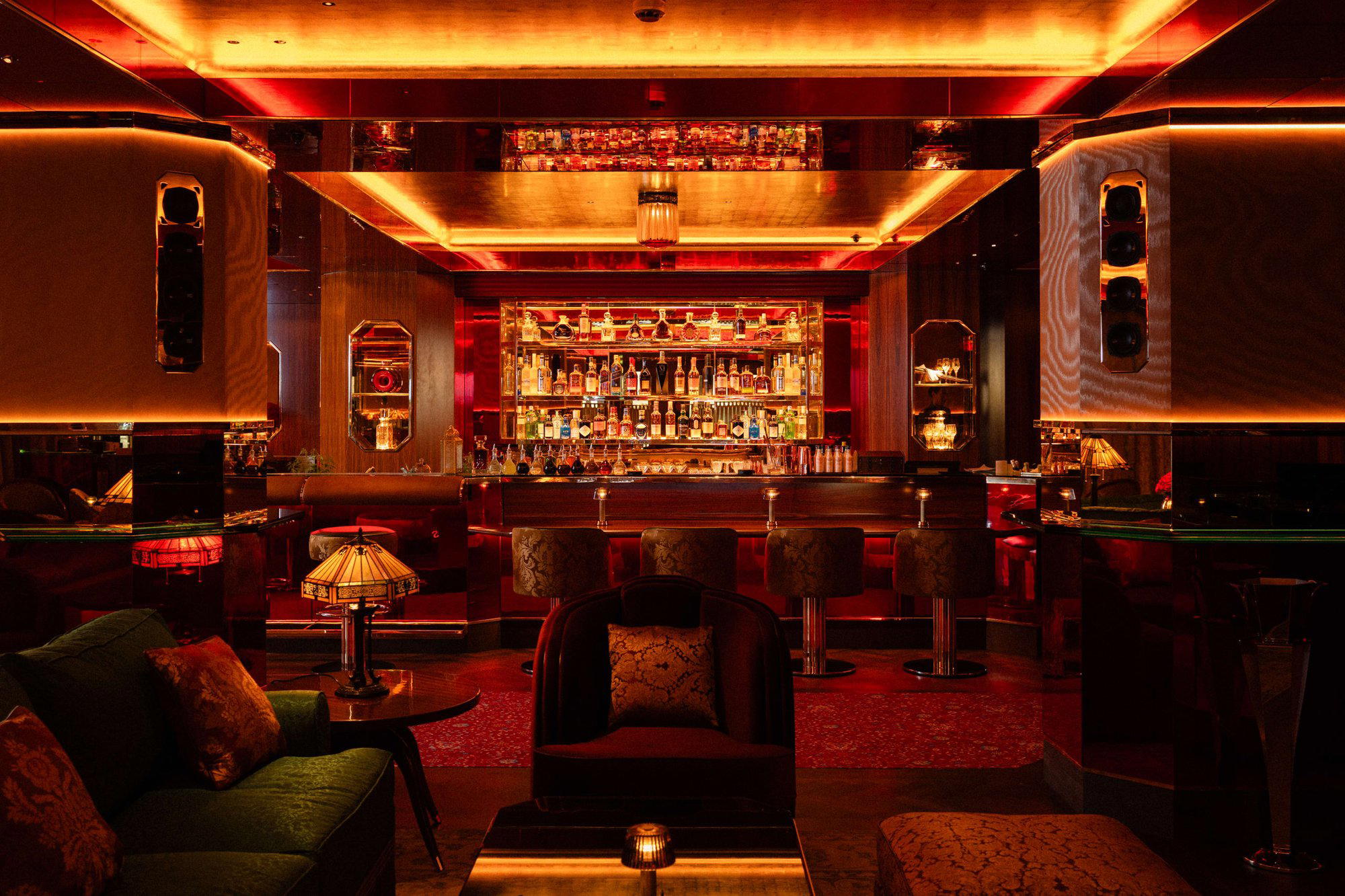
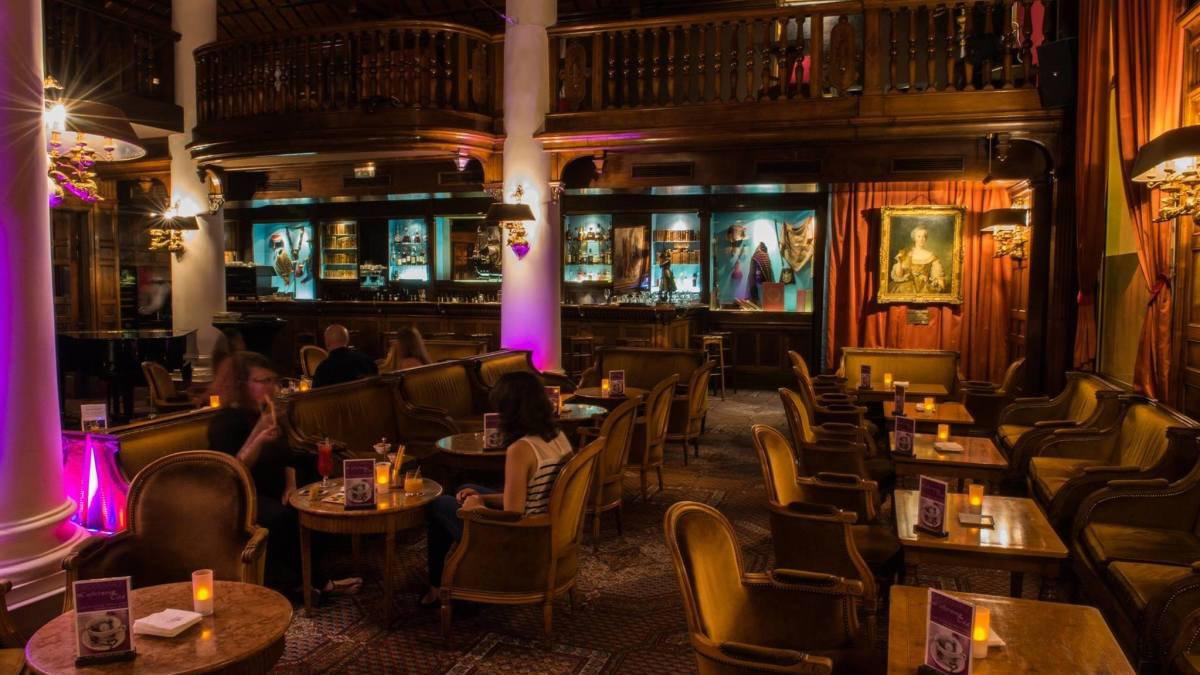
Bars in Valbonne
Browse all →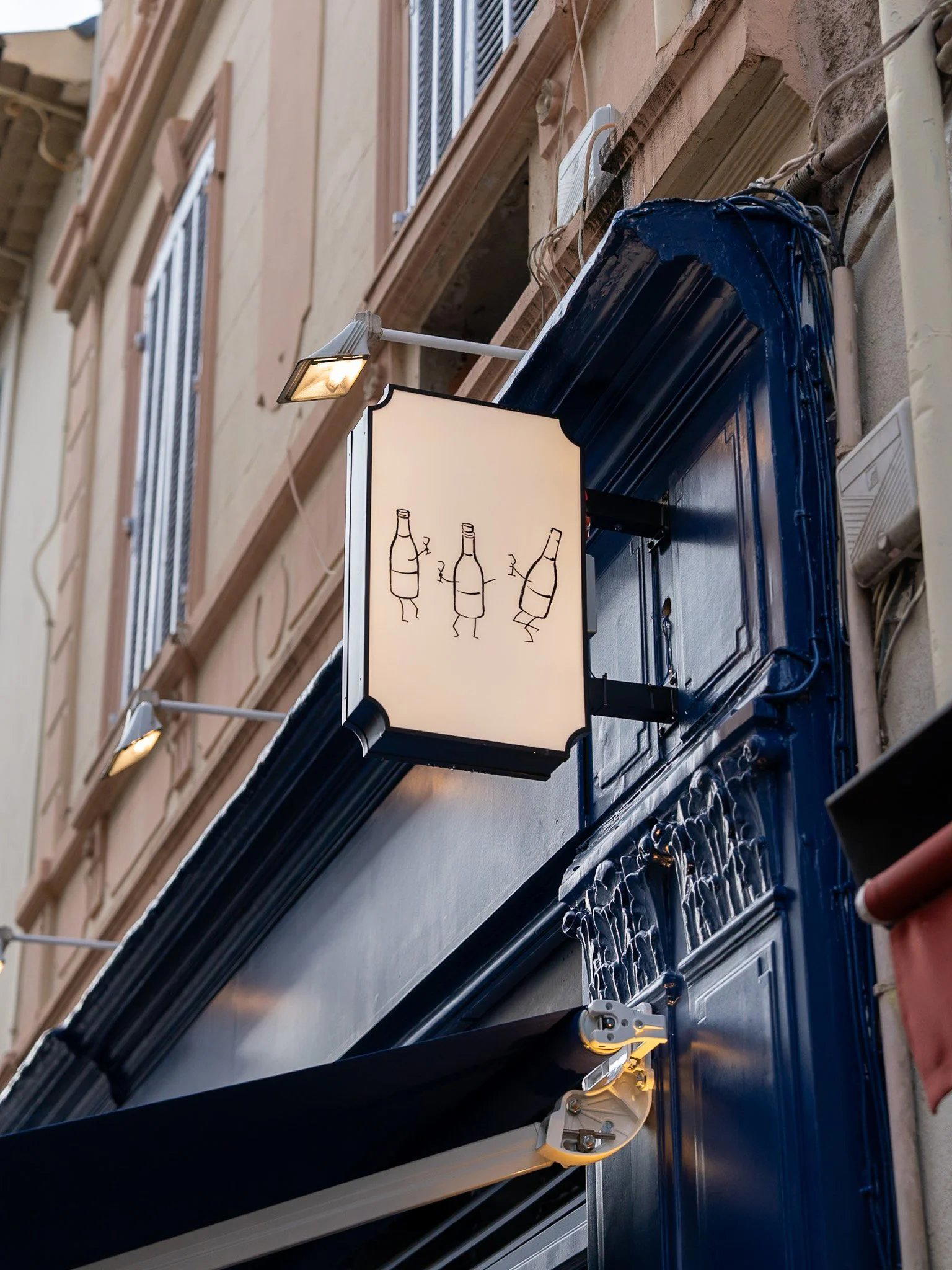
Hotels in Valbonne
Browse all →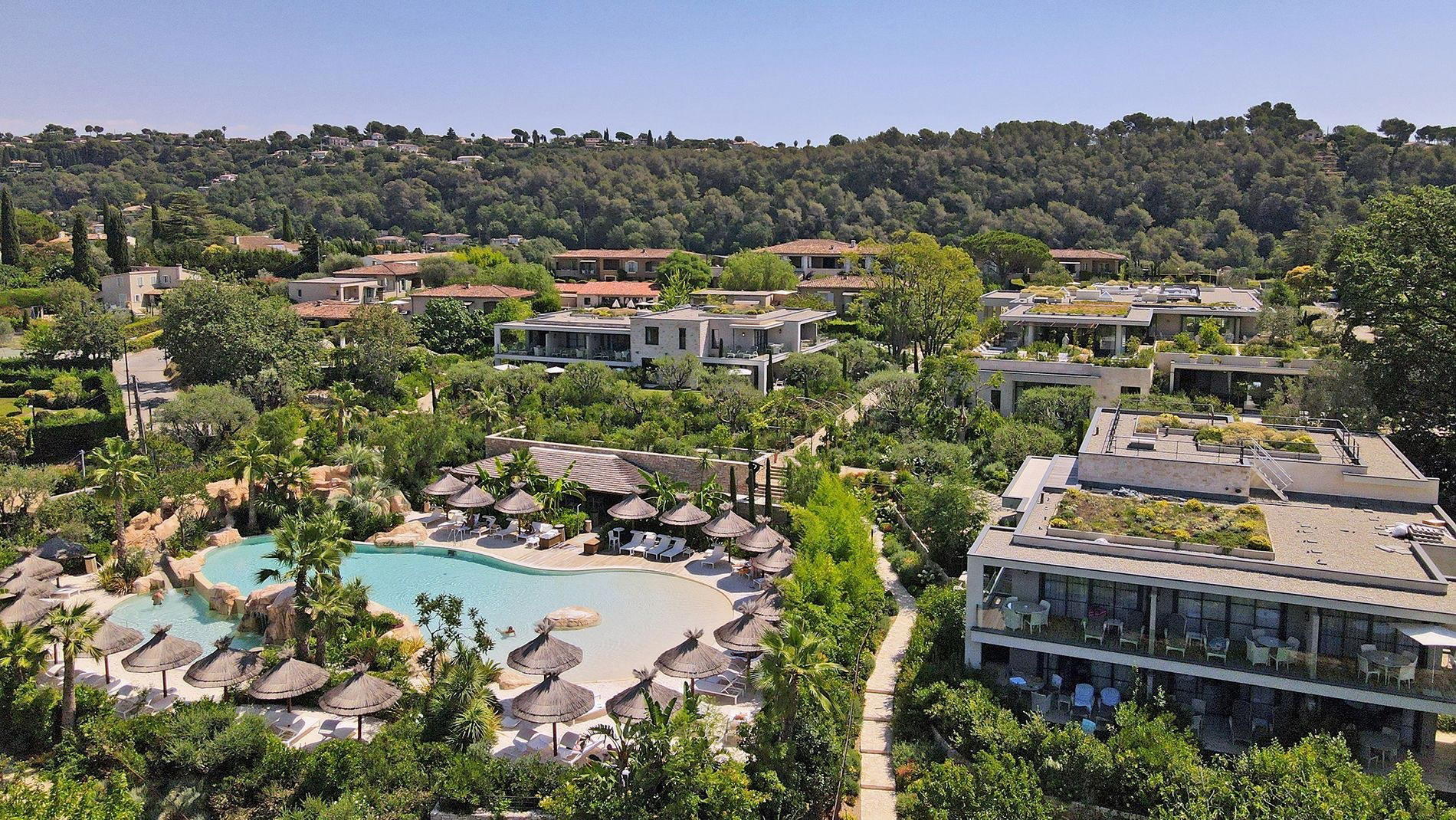
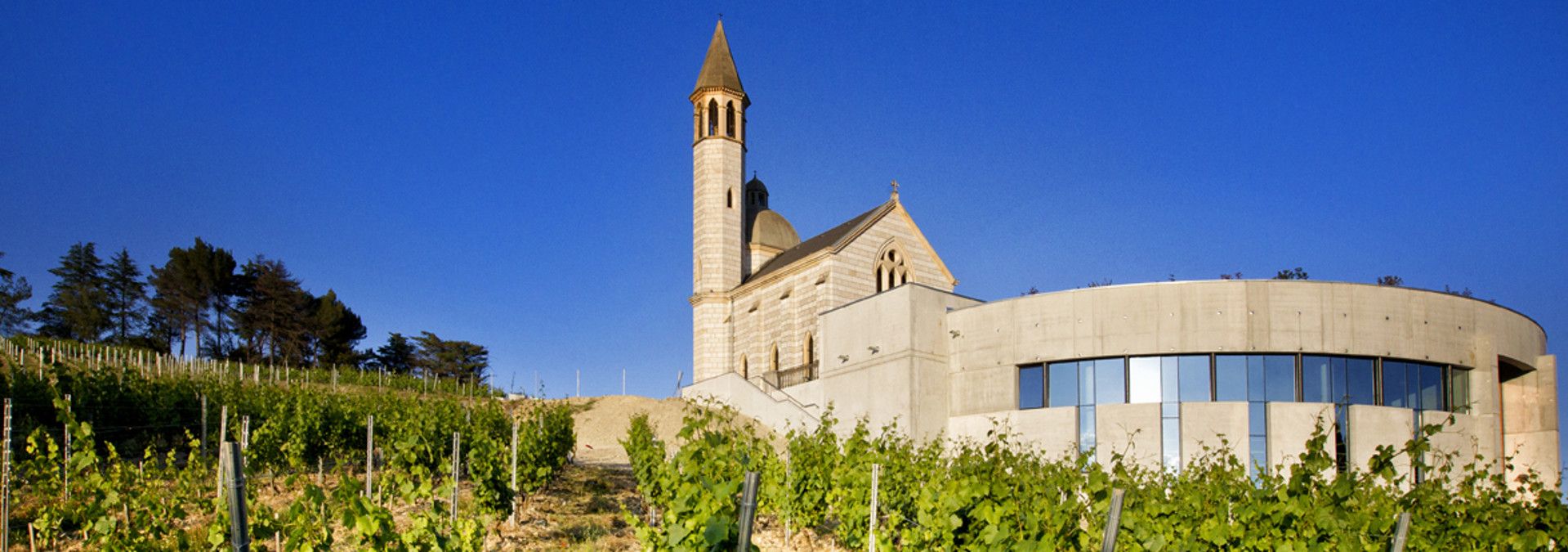

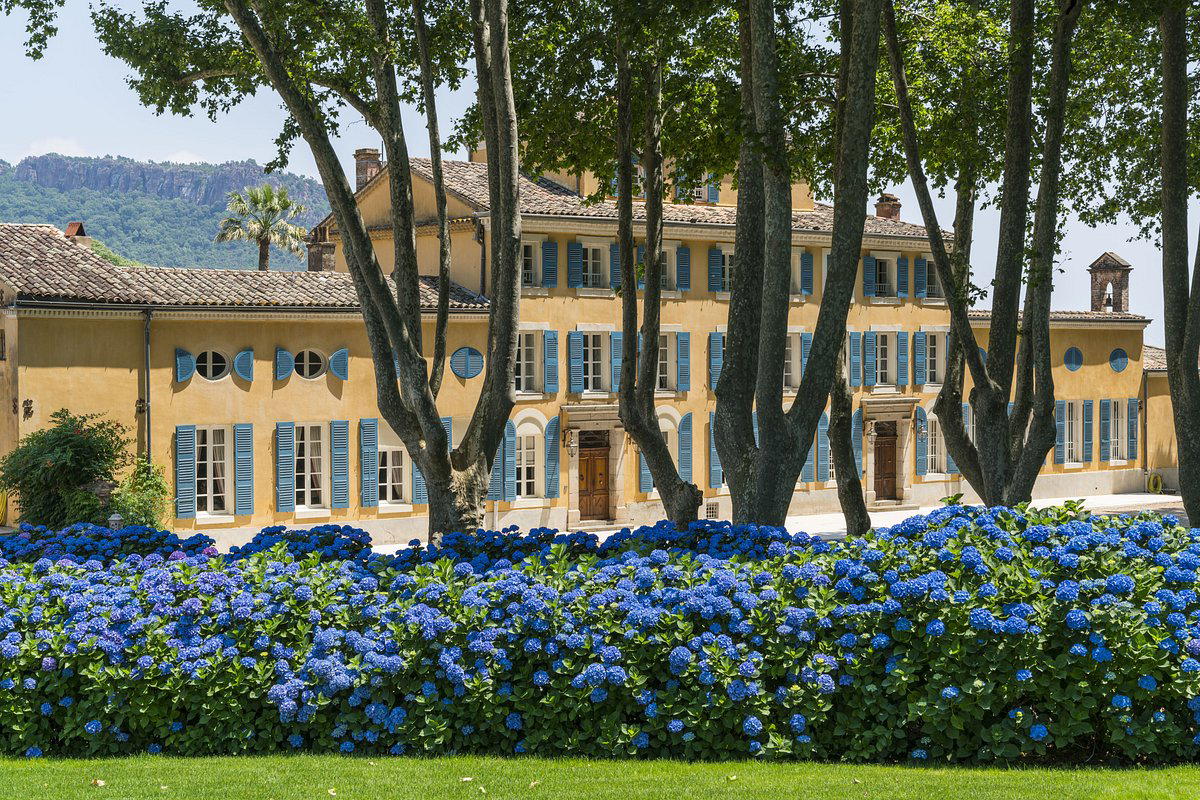
Restaurant De Sa Vie
The wine
- Wine program
- Curated wine list
- Extensive wine list
Details
- Elegant
- Cozy
- Sophisticated
- Date Night
- Business Dinner
- Open Kitchen
- Extensive Wine List
- Local Sourcing
- A La Carte
- Vegetarian Friendly
Current opening hours
- Monday
- Closed
- Tuesday
- 12–1:30 PM, 7:30–9:30 PM
- Wednesday
- 12–1:30 PM, 7:30–9:30 PM
- Thursday
- 12–1:30 PM, 7:30–9:30 PM
- Friday
- 12–1:30 PM, 7:30–9:30 PM
- Saturday
- 12–1:30 PM, 7:30–9:30 PM
- Sunday
- Closed
Hours can change for holidays and private events. Last verified .
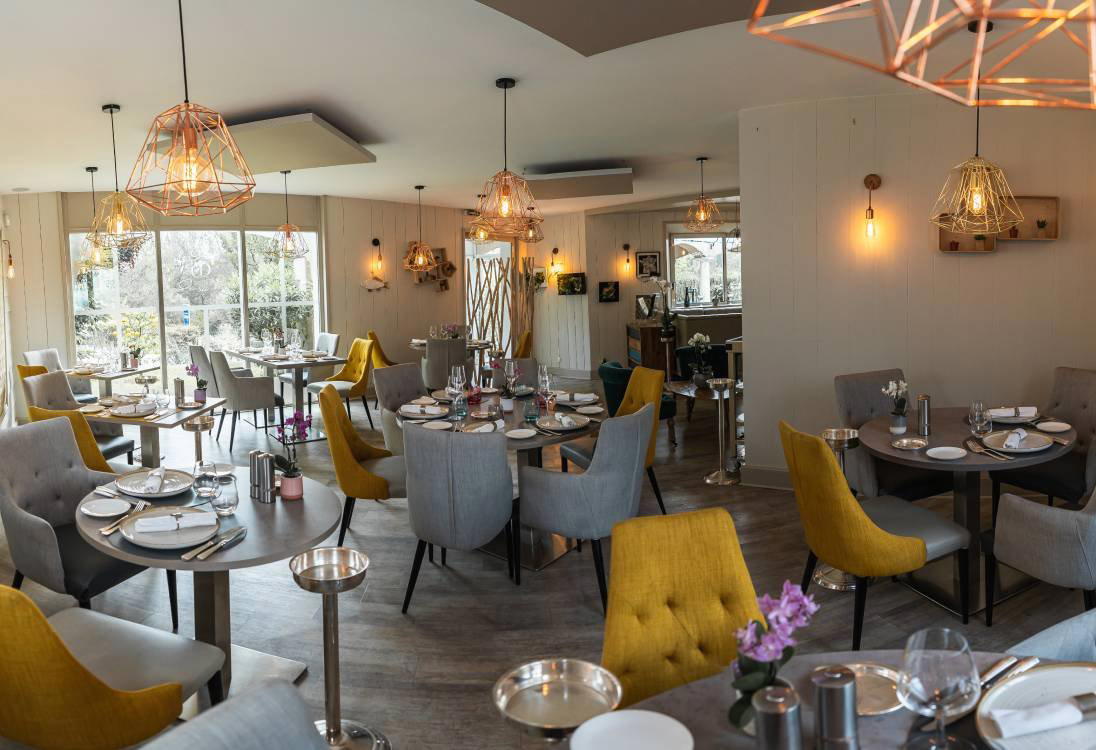
Calme & reposante atmosphere in a chic et élégant cadre with refined and elegant setting.