Restaurant Baumann
Restaurant Baumann occupies a Wellington Street South address in Sherbrooke, placing it within the city's compact dining corridor where independent kitchens have quietly shaped the local food conversation. The restaurant draws attention as part of a broader shift in Eastern Townships dining toward ingredient-conscious cooking. For visitors coming from Montreal or Quebec City, it represents a reason to stop rather than pass through.
- Address
- 141 Rue Wellington S, Sherbrooke, QC J1H 5C9, Canada
- Phone
- +18198218661
- Website
- restaurantbaumann.com
 Saves & bookings on Pearl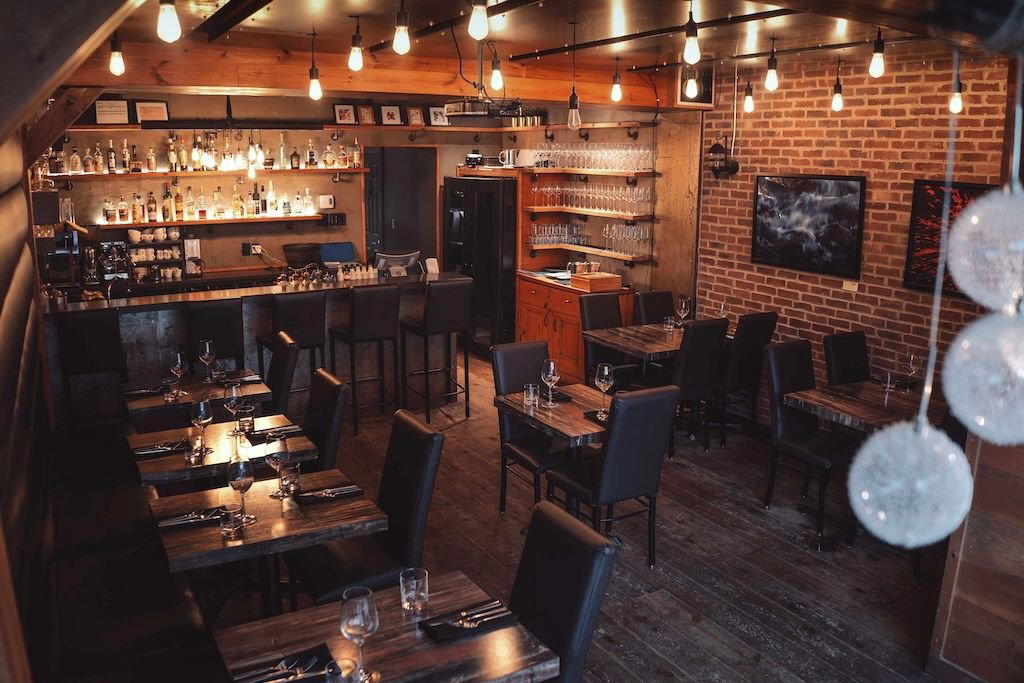
Wellington Street and What It Says About Sherbrooke's Dining Direction
Rue Wellington Sud has become the thread that connects Sherbrooke's most considered restaurants. The street runs through the heart of downtown, and its restaurant density tells a story about how the city's food scene has evolved: away from hotel dining rooms and toward independent operators making deliberate choices about what they cook and where they source it. Restaurant Baumann, at 141 Rue Wellington S, sits within that corridor and participates in a broader conversation about what serious cooking looks like outside Canada's major metropolitan centres.
Sherbrooke occupies an interesting position in Quebec's culinary geography. It is large enough to sustain a dining culture with genuine ambition, yet small enough that individual restaurants carry disproportionate weight in shaping what the city's food identity becomes. That dynamic is visible in any comparison between Sherbrooke and smaller regional centres: the city has the critical mass to support ingredient-driven kitchens, and a growing number of them are taking advantage of that.
The Sourcing Question in Eastern Townships Cooking
The Eastern Townships, the agricultural region that surrounds Sherbrooke, produces a meaningful share of Quebec's specialty food supply. Artisan cheesemakers, market gardeners, heritage-breed pork producers, and orchardists operate within an hour or two of the city, and the leading kitchens in the area have built relationships with those producers over years. This proximity shapes cooking in ways that menu language rarely captures fully: the decision about what to put on a plate begins with what is available locally and in season, which forces a discipline that imported ingredients do not require in the same way.
Across Canada, the restaurants that have built durable reputations in smaller cities share this pattern. Eigensinn Farm in Singhampton and The Pine in Creemore both operate in non-metropolitan Ontario with sourcing programs that define their culinary identity rather than merely decorating it. In Quebec, Narval in Rimouski applies similar logic along the lower St. Lawrence, drawing from coastal and agricultural suppliers to anchor its menu. Restaurant Baumann occupies a comparable position in the Eastern Townships ecosystem.
What distinguishes this approach from conventional farm-to-table rhetoric is the operational commitment it requires. Relationships with small producers mean inconsistent volumes, unpredictable availability, and menus that must adapt rather than anchor. Kitchens willing to absorb that complexity tend to produce cooking with a specificity of flavour that more standardised supply chains cannot replicate. The Eastern Townships geography gives Sherbrooke restaurants genuine access to that material; the question, always, is whether the kitchen has the skill and discipline to use it.
Where Baumann Sits in the Sherbrooke comparable set
Sherbrooke's independent restaurant sector now includes several addresses with distinct editorial identities. Vin Polisson positions itself as modern cuisine at the mid-price tier, with a wine program that reflects the natural and low-intervention movement. Café-Restaurant L and Santamaria Tacos represent the more casual, neighbourhood-anchored end of the Wellington corridor. Restaurant Baumann operates within this peer group rather than in isolation from it, and the presence of multiple credible addresses on the same street benefits all of them: diners planning a trip to Sherbrooke now have a reason to build an evening around the neighbourhood.
This kind of clustering matters more in mid-size cities than in Montreal or Toronto, where dining density is distributed across many neighbourhoods. In Sherbrooke, Wellington Sud functions as a condensed version of what those cities achieve across much larger geographies. The result is a street that rewards walking: you can assess several restaurants in a single pass and make a decision based on mood, pace, and appetite.
Quebec's Broader Regional Restaurant Trajectory
The ambition visible in Sherbrooke's better restaurants reflects a provincial pattern. Tanière³ in Quebec City has demonstrated that deep indigenous and regional ingredient sourcing can sustain a restaurant at the highest critical tier. Jérôme Ferrer's Europea in Montreal and Montreal's broader fine-dining cohort have normalised serious cooking as an expectation rather than an exception in Quebec's urban centres. What is newer is the translation of that seriousness to regional cities, where the economic calculus is harder and the audience is smaller.
Nationally, the comparison is instructive. Alo in Toronto, AnnaLena in Vancouver, and Restaurant Pearl Morissette in Lincoln all operate within major metropolitan or wine-region contexts that provide a built-in audience for considered cooking. Sherbrooke lacks those structural advantages, which makes the presence of ingredient-conscious restaurants here a more deliberate cultural choice. For international reference points, the tension between metropolitan critical infrastructure and regional culinary ambition is visible in kitchens from Le Bernardin in New York City down to smaller addresses still building their reputations. Atomix in New York City shows how sourcing narrative and fine-dining format can reinforce each other when the kitchen has genuine access to distinct ingredients.
Other Canadian comparisons beyond Quebec include Barra Fion in Burlington, Biagio's Kitchen in Ottawa, and Bearspaw Golf Club in Calgary, all of which operate in non-metropolitan or semi-urban contexts and rely on local reputation rather than national critical coverage to sustain their dining rooms. The dynamic is recognisable: serious cooking in cities that critics rarely visit requires a different kind of institutional confidence. Aux Anciens Canadiens in Quebec takes a different path, anchoring identity in historical Quebec cuisine rather than contemporary sourcing, which illustrates how regional restaurants can build authority through different means.
Planning a Visit
Sherbrooke is roughly 150 kilometres east of Montreal along Autoroute 10, making it a plausible day trip from the city and a natural stopover on routes toward the Maine border. The Wellington Sud corridor is compact and walkable from the city's main hotels. Restaurant Baumann's address at 141 Rue Wellington S places it centrally within that cluster. Restaurant Baumann is permanently closed, so there is no current booking or service information to verify.
In Context: Similar Options
Comparable venues nearby, for context on price, style, and recognition.
| Venue | Cuisine | Price | Awards | Notes |
|---|---|---|---|---|
| Restaurant BaumannThis venue — the venue you are viewing | Modern Fine Dining | $$$ | , | |
| Santamaria Tacos | Authentic Mexican Taqueria | $$ | , | centre-ville |
| Café-Restaurant L | Persian Iranian | $$ | , | Centre-Ville |
| Vin Polisson | Modern French Small Plates | $$$ | Michelin Plate | rue King |
| Restaurant Ermitage | Authentic Russian & Eastern European Fine Dining | $$$ | , | Edouard-Montpetit |
| Bistro Le Tap Room | Traditional Québec Bistro | $$$ | , | North Hatley |
Continue exploring
More in Sherbrooke
Restaurants in Sherbrooke
Browse all →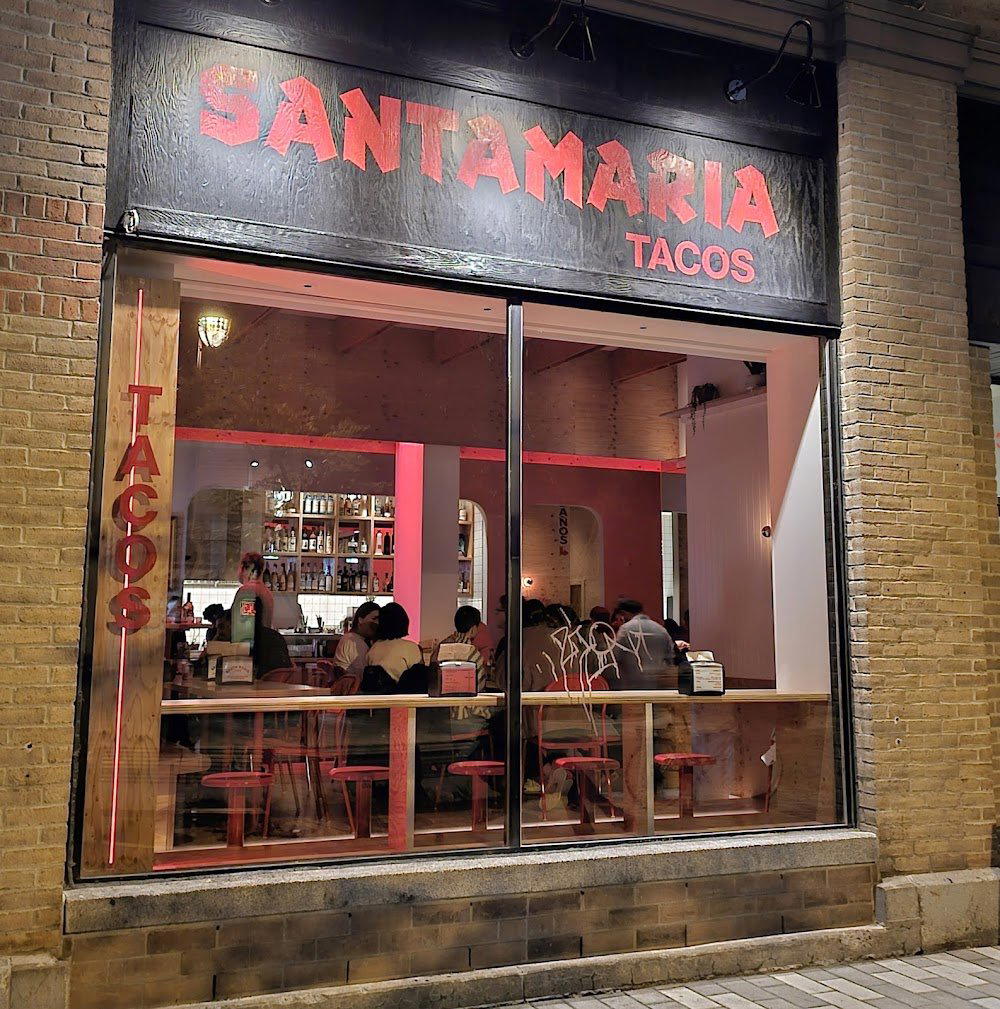
Hotels in Sherbrooke
Browse all →
At a Glance
- Cozy
- Elegant
- Intimate
- Sophisticated
- Date Night
- Special Occasion
- Extensive Wine List
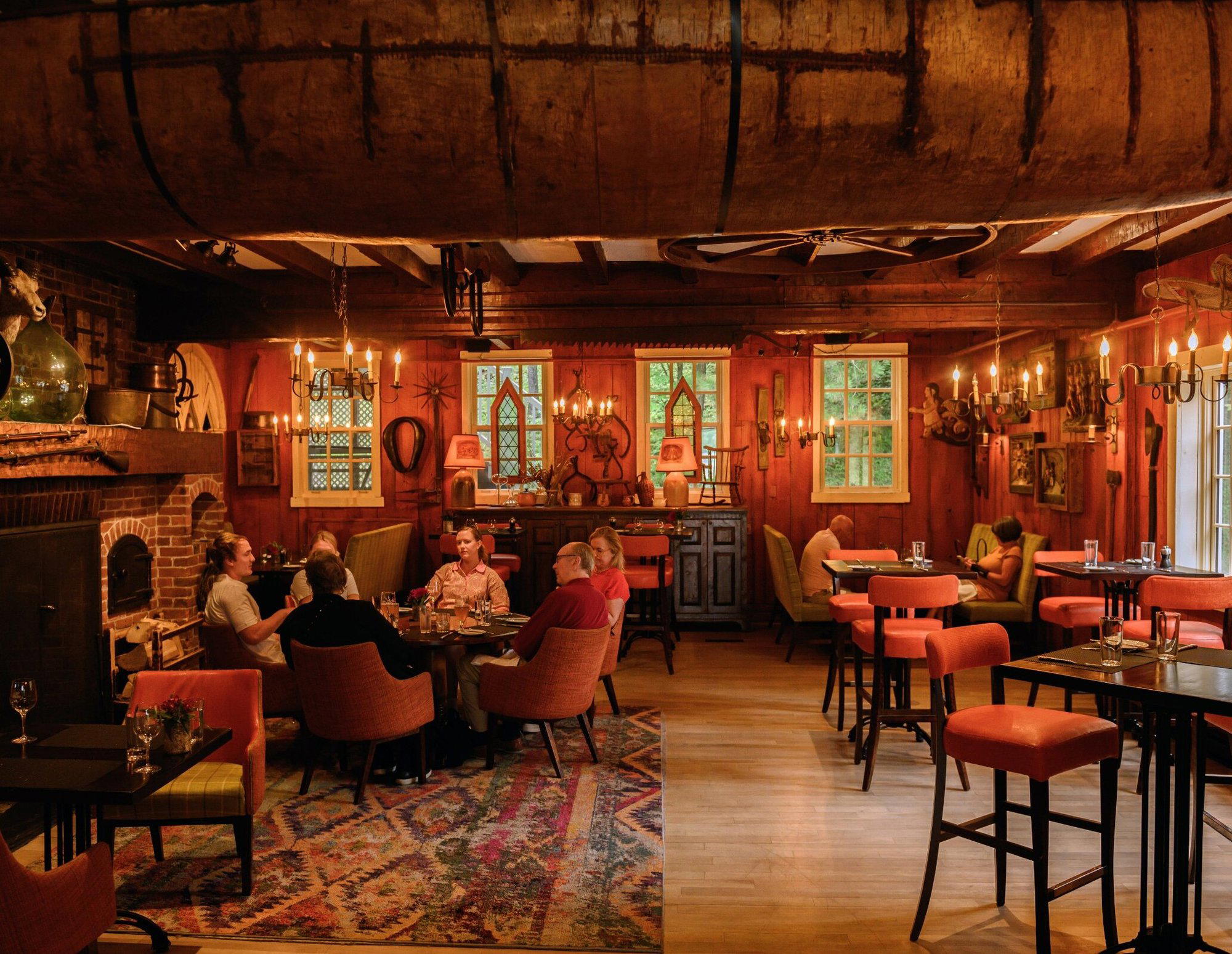
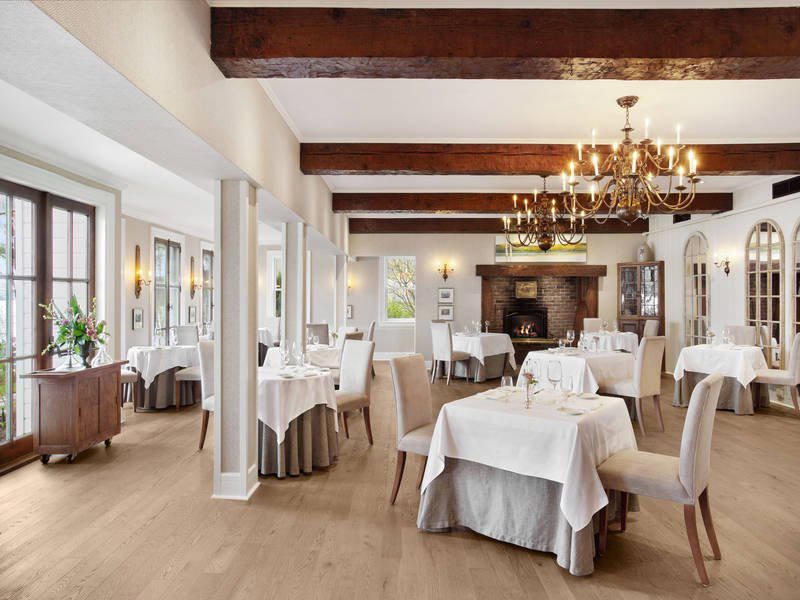
Cozy atmosphere with great ambiance and intimate dining experience.