Café-Restaurant L
Wellington Street and the Question of What Sherbrooke Wants From a Café Rue Wellington Nord runs through the commercial core of Sherbrooke's downtown with the particular character of a street still working out what it wants to be. The blocks...
Pearl is the En Primeur Club membership app — saves, bookings, and concierge access live there. Same editors, same standards.
- Address
- 196 Rue Wellington N, Sherbrooke, QC J1H 5C5, Canada
- Phone
- +18195651127
- Website
- caferestaurantl.com
 Saves & bookings on Pearl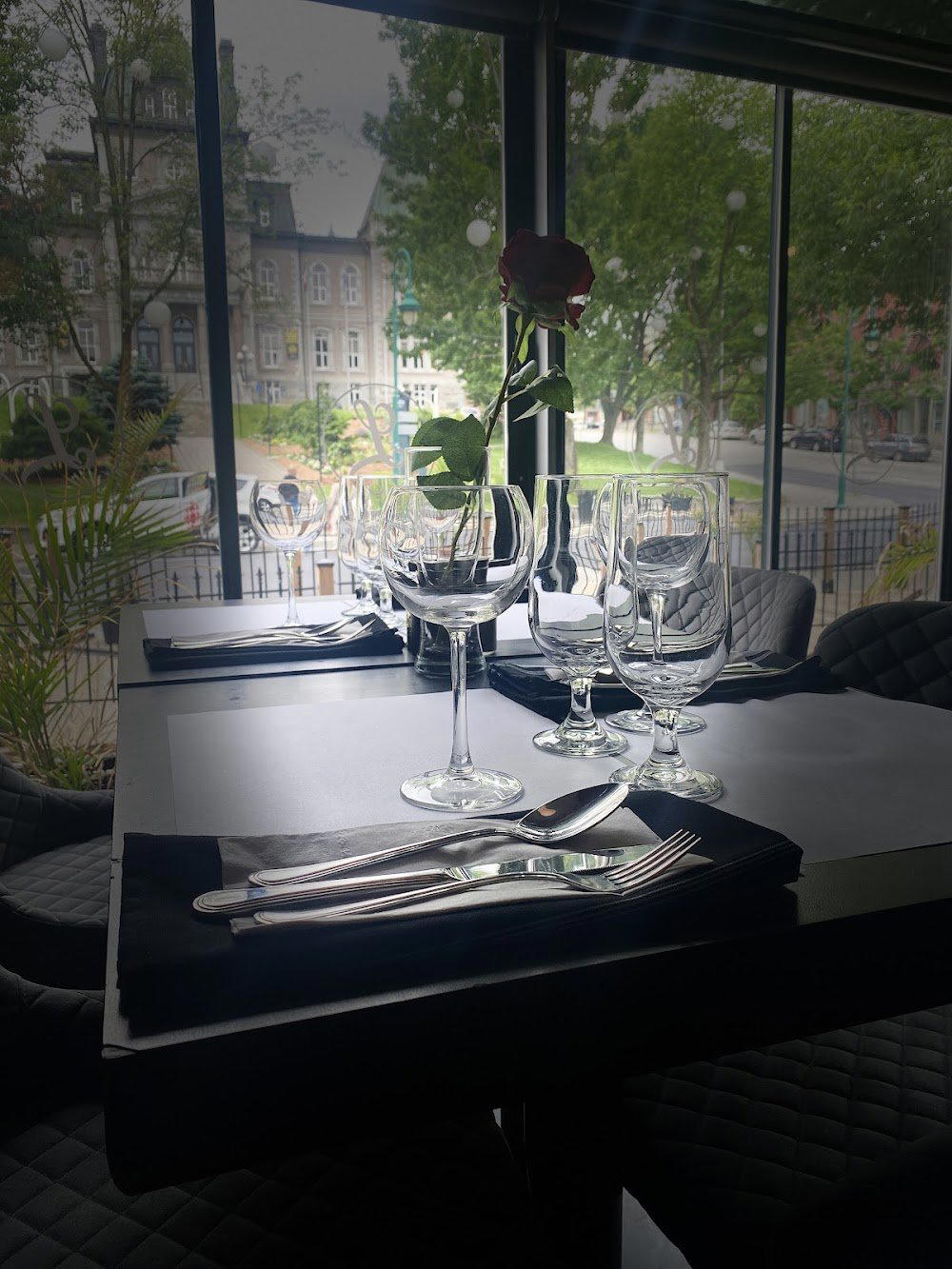
Wellington Street and the Question of What Sherbrooke Wants From a Café
Rue Wellington Nord runs through the commercial core of Sherbrooke's downtown with the particular character of a street still working out what it wants to be. The blocks between the old department stores and the newer food addresses carry a mix of everyday commerce and more considered dining, and Café-Restaurant L, at number 196, occupies that in-between zone. The building presents itself without the theatrical signage common to newer restaurant openings; arriving here, you register a café first, a restaurant second. That ordering tells you something about the place's relationship to its neighbourhood.
Sherbrooke sits roughly equidistant between Montreal and Quebec City in the Eastern Townships, a region with its own agricultural identity distinct from either major city's dining orbit. That position matters when thinking about where a café-restaurant in this city sources its food. The Eastern Townships produce dairy, pork, lamb, seasonal vegetables, and some of Quebec's more interesting artisan products, and the restaurants in Sherbrooke that do interesting work tend to draw on that regional supply rather than positioning themselves as satellites of Montreal's culinary scene. The address and format place it inside a city where that conversation is increasingly central to how local restaurants define themselves.
The Café-Restaurant Format in a Mid-Size Quebec City
The café-restaurant as a category occupies a specific position in Quebec's food culture. It is not a bistro, not a gastronomic restaurant, not a simple lunch counter. The format implies a certain all-day or at least extended-hours utility, a menu that moves between lighter café fare and more composed restaurant dishes, and a price accessibility that makes it a neighbourhood resource rather than a destination booking. In mid-size cities like Sherbrooke, that format carries real social weight: these are the rooms where people come back twice a week, where the regulars set the tone, where the food is expected to be honest rather than ambitious.
That context matters when placing Café-Restaurant L against Sherbrooke's other addresses. Vin Polisson (Modern Cuisine) operates at a more explicitly modern register with a food-and-wine focus at the $$ price point. Restaurant Baumann and Santamaria Tacos represent different positions in the city's range. Café-Restaurant L's name positions it outside those comparisons and inside something more quotidian, which in a city of Sherbrooke's size is not a diminishment. The everyday dining room is often where a city's actual food culture is most legibly expressed.
Across Quebec more broadly, the regional sourcing conversation has been moving from restaurant-marketing language toward something more structurally embedded. Narval in Rimouski has made regional specificity a core part of its identity in a city with comparable dynamics to Sherbrooke. Tanière³ in Quebec City has pushed that logic toward the very high end of the provincial dining tier. What happens at the café-restaurant level, in Sherbrooke's day-to-day dining, is a different but connected question about whether regional ingredient culture filters down from tasting-menu restaurants into the rooms most people actually eat in most often.
Ingredient Culture at the Everyday Level
The Eastern Townships have a longer artisan food history than the province's culinary press typically credits. Fromagerie production in the region predates most of the contemporary Quebec cheese movement. The Coaticook area is associated with dairy; Compton and its surroundings with small-scale farming. A café-restaurant at 196 Rue Wellington is geographically close enough to those supply networks that sourcing from them is logistically plausible in a way that it simply is not for a restaurant in central Montreal depending on the same suppliers.
This is the argument for paying attention to mid-size city dining rooms that the restaurant press, oriented as it is toward the major metros, tends to undervalue. The farm-to-table claim is much easier to execute with integrity when the farm is forty minutes away rather than a trucked-in story. Canada's most regionally committed dining rooms often operate at scale and in cities that attract less coverage than their practice would justify. Eigensinn Farm in Singhampton and Fogo Island Inn in Joe Batt's Arm represent the extreme of that logic: remote addresses where ingredient sourcing is so embedded in the concept that the restaurant and its supply chain are effectively the same thing. Sherbrooke is not remote in that sense, but it shares the underlying condition of proximity to production that makes regional sourcing substantive rather than decorative.
Placing Café-Restaurant L in Its comparable set
For readers familiar with Canada's broader restaurant conversation, it is useful to map Sherbrooke's dining scene against the national range. The upper tier of Canadian destination dining, represented by addresses like Alo in Toronto, Restaurant Pearl Morissette in Lincoln, or AnnaLena in Vancouver, operates with tasting-menu formats and wine programs that set a high technical and sourcing benchmark. Below that tier, but often doing more culturally interesting work, are the café-restaurants, neighbourhood bistros, and lunch-focused rooms of cities like Sherbrooke, where the food answers to different demands.
Internationally, the comparison is to the kind of serious everyday café found in provincial French cities, rooms that Le Bernardin in New York City or Lazy Bear in San Francisco would never compete with because they are answering entirely different questions. Cafe Brio in Victoria and Catch22 Lobster Bar in Moncton represent the kind of committed regional dining in non-major Canadian cities that Café-Restaurant L's address in Sherbrooke puts it adjacent to, at least conceptually.
Practical information about Café-Restaurant L, including hours, booking policy, and price range, is readily available. Visitors planning a stop at 196 Rue Wellington Nord in Sherbrooke can check current hours and plan accordingly, with reservations recommended. For those interested in the Eastern Townships more broadly, the regional food scene extends well beyond the city's boundaries and rewards the kind of off-itinerary exploration that mid-size Quebec cities make unusually easy.
Side-by-Side Snapshot
Comparable venues nearby, for context on price, style, and recognition.
| Venue | Cuisine | Price | Awards | Notes |
|---|---|---|---|---|
| Café-Restaurant LThis venue — the venue you are viewing | Persian Iranian | $$ | , | |
| Santamaria Tacos | Authentic Mexican Taqueria | $$ | , | centre-ville |
| Restaurant Baumann | Modern Fine Dining | $$$ | , | downtown |
| Vin Polisson | Modern French Small Plates | $$$ | Michelin Plate | rue King |
| CairoMum | Egyptian & Middle Eastern Home-Style Kitchen | $ | , | Victoria |
| Agrikol | Haitian Caribbean | $$ | , | Le Village |
Continue exploring
More in Sherbrooke
Restaurants in Sherbrooke
Browse all →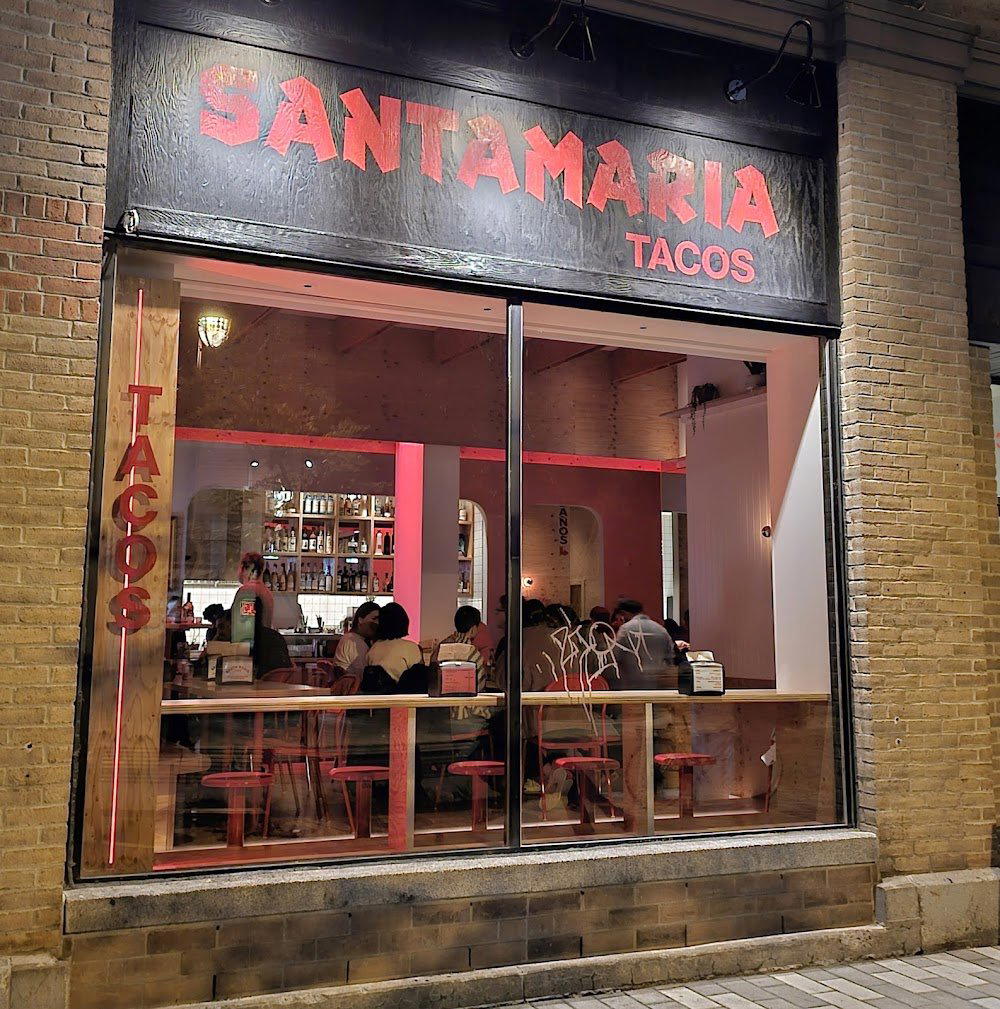
Hotels in Sherbrooke
Browse all →
At a Glance
- Cozy
- Quiet
- Casual Hangout
- Family
- Byob
- Local Sourcing
Warm and inviting family atmosphere with cozy hospitality.