On Rue d'Hauteville in Paris's 10th arrondissement, Chez Minnà occupies a stretch of the city where neighbourhood restaurants still answer to the street rather than to hotel groups or international guides. The address sits within a dining corridor shaped by immigrant kitchens and low-key wine bars, making it a marker of how the 10th continues to absorb and redirect culinary energy away from the traditional grand-restaurant circuit.
Pearl is the En Primeur Club membership app — saves, bookings, and concierge access live there. Same editors, same standards.
- Address
- 20 Rue d'Hauteville, 75010 Paris, France
- Phone
- +33955822873
- Website
- chez-minna.com
- Directions
- Get directions
 Saves & bookings on Pearl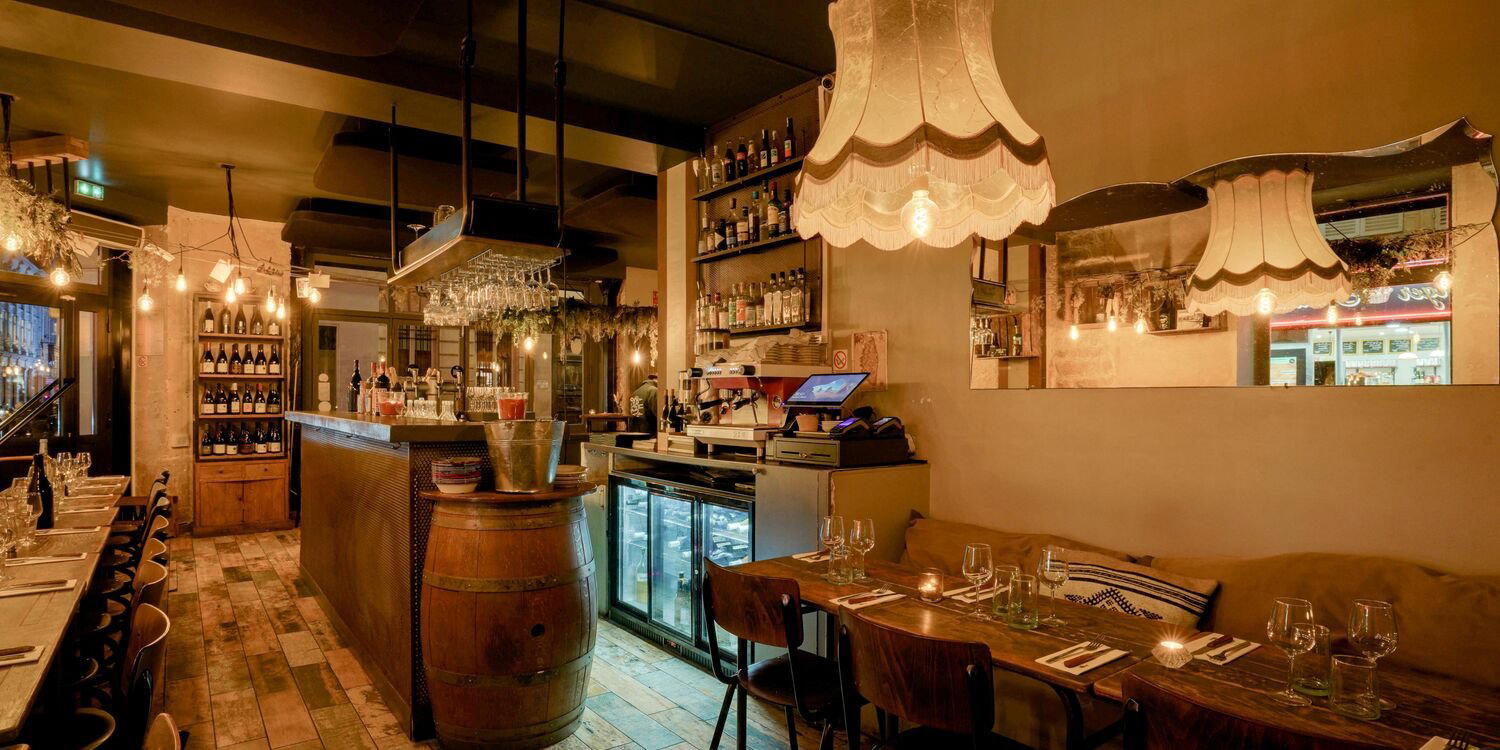
Where the 10th Arrondissement Does Its Eating
Paris's 10th arrondissement has spent the better part of two decades absorbing the kind of dining energy that the city's more celebrated postcodes tend to repel. Rue d'Hauteville, where Chez Minnà holds its address at number 20, sits inside a neighbourhood that has consistently traded in the unglamorous and the genuine. The street runs south from the Grands Boulevards toward the canal district, passing through a corridor of Turkish grocers, old brasseries, and the kind of low-lit wine-focused rooms that attract sommeliers on their nights off. It is not a street that accumulates Michelin stars; it accumulates regulars.
That context matters when reading what Chez Minnà represents. In a city where the high-end restaurant circuit remains dominated by addresses such as Alléno Paris au Pavillon Ledoyen, Arpège, and L'Ambroisie, each operating at the €€€€ tier and anchored in either the 7th or 8th arrondissement, the 10th functions as a counterweight. Restaurants here are not positioned against those rooms; they answer to a different set of expectations entirely, and their menus tend to reflect that.
Reading the Menu as a Document
The editorial angle that matters most with a restaurant like Chez Minnà is not the chef biography or the decor palette but the structure of the menu itself. In Paris's mid-tier neighbourhood dining rooms, the menu is where you read the kitchen's real negotiation between tradition, cost, seasonal supply, and the specific appetites of a local clientele. A restaurant on Rue d'Hauteville is not writing a menu for tourists who pre-booked through a concierge; it is writing for people who live within three Métro stops.
That constraint produces a particular kind of menu discipline. You tend to see shorter formats: fewer courses, fewer choices per course, a tight rotation that reflects what the market offered that week. This is not the tasting-menu architecture of a room like Kei, where the structure itself is the statement, or the classical carte of Le Cinq, where the breadth signals institutional ambition. In the 10th, the menu signals availability and intention: what is here today, cooked in this way, for this price.
French provincial tradition has always understood this logic. Houses such as Georges Blanc in Vonnas or Bras in Laguiole built their reputations on menus rooted in a specific terroir and a specific season. In Paris, that seasonal discipline must work without the direct farm access those provincial addresses enjoy, which puts a premium on sourcing relationships and market timing. Neighbourhood restaurants in the 10th that get this right tend to build loyal, returning audiences quickly. Those that pad the menu to appear more comprehensive than their kitchen can support tend not to last.
The 10th's Position in the Broader Paris Scene
It is worth mapping the 10th against the larger terrain of Parisian dining to understand what a restaurant at this address is working with and against. The arrondissement is not the Left Bank, where price expectations and tourist density push restaurants toward either the very cheap or the very expensive. It is not the Marais, where the dining scene has trended toward fashion-forward rooms with international backing. The 10th is more pragmatic: a neighbourhood where rent is lower than in the 8th, where the customer base mixes young professional Parisians with long-term residents and a significant immigrant community, and where a restaurant that cooks well and prices honestly can sustain itself without depending on the guide infrastructure.
The French restaurant tradition has a long history of this kind of room. The auberge tradition documented at addresses such as Auberge de l'Ill in Illhaeusern or Auberge du Vieux Puits in Fontjoncouse is built on the same principle: serious cooking in a setting that does not make the food carry the weight of the décor budget. In Paris, that ethos has migrated into the urban neighbourhood restaurant, and the 10th is one of the arrondissements where it operates most consistently.
Further afield, the French fine dining map extends to rooms with sustained international recognition, from Mirazur in Menton to Flocons de Sel in Megève and Troisgros in Ouches. Chez Minnà is not competing in that register, nor does a Rue d'Hauteville address suggest it would want to. The comparison that matters is lateral: other neighbourhood rooms in the 10th and neighbouring arrondissements, where the competition is for the Wednesday-night dinner and the Sunday lunch rather than for the birthday tasting menu.
Planning Your Visit
Chez Minnà is at 20 Rue d'Hauteville, 75010 Paris. The nearest Métro stations on the 10th's north side connect easily to the Grands Boulevards network. For visitors building a broader Paris itinerary around serious eating at multiple price points, the full Paris restaurants guide covers the city's dining spread from neighbourhood rooms to three-star tables. Those interested in the French tradition at its most decorated level should cross-reference addresses such as Paul Bocuse in Collonges-au-Mont-d'Or, Les Prés d'Eugénie in Eugénie-les-Bains, or La Table du Castellet for the full range of what French cuisine produces outside the capital. For international context on what a serious neighbourhood-anchored restaurant can achieve at scale, Le Bernardin in New York and Lazy Bear in San Francisco represent two different models of how a room can build authority without occupying the obvious luxury tier.
Quick reference: 20 Rue d'Hauteville, 75010 Paris. No website or phone on record; approach via walk-in or local reservation channel.
How Chez Minnà Paris compares with similar nearby venues.
| Venue | Cuisine | Price |
|---|---|---|
| Eels | Bistronomy, Modern Cuisine | €€€ |
| Vivant Cave | French Bistro | Not listed |
| Vivant 2 | French | Not listed |
| Brigade du Tigre | Asian | €€ |
Continue exploring
More in Paris
Restaurants in Paris
Browse all →
Bars in Paris
Browse all →
Hotels in Paris
Browse all →
At a Glance
- Trendy
- Cozy
- Lively
- Date Night
- Casual Hangout
- Historic Building
- Extensive Wine List
- Natural Wine
- Local Sourcing
Current opening hours
- Monday
- 12–2:30 PM, 7–11 PM
- Tuesday
- 12–2:30 PM, 7–11 PM
- Wednesday
- 12–2:30 PM, 7–11 PM
- Thursday
- 12–2:30 PM, 7–11 PM
- Friday
- 12–2:30 PM, 7–11 PM
- Saturday
- 7–11 PM
- Sunday
- Closed
Hours can change for holidays and private events. Last verified .
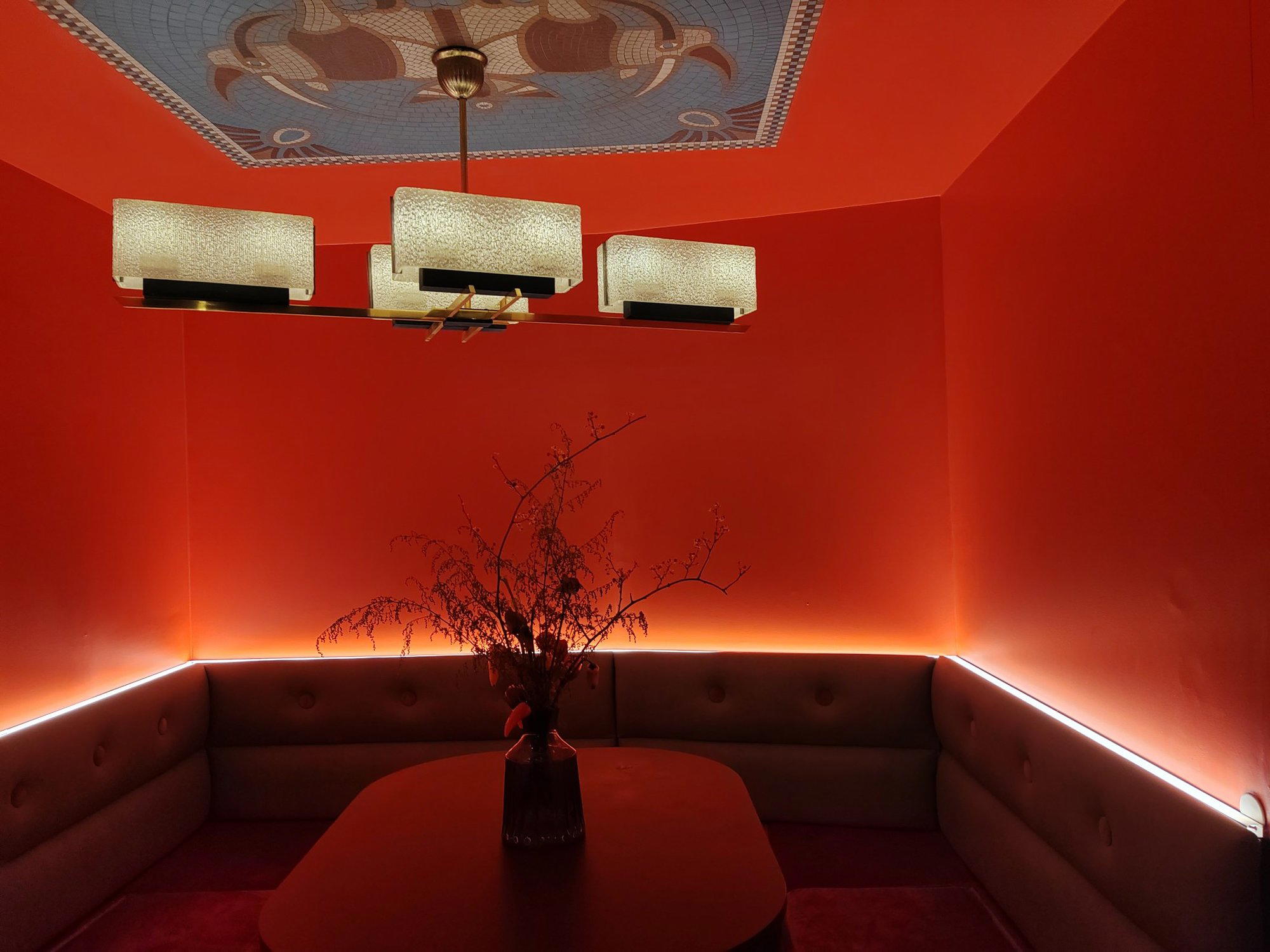
Warm, retro decor with upcycled furniture, cocooning banquettes, and a lively, relaxed atmosphere evoking a Corsican grandmother's home.
Know Before You Go
- Getting there
- 20 Rue d'Hauteville, 75010 Paris, France