Positioned on Dunkirk's seafront digue, Comme Vous Voulez occupies a stretch of coastline where the North Sea's proximity shapes what ends up on the plate. The address places it firmly in the tradition of northern French cooking that draws from tidal rhythms rather than agricultural hinterland, making ingredient provenance the organising logic of the kitchen. It is a reference point in a city whose restaurant scene rewards those who move beyond the harbour's obvious tourist circuit.
Pearl is the En Primeur Club membership app — saves, bookings, and concierge access live there. Same editors, same standards.
- Address
- 58 Digue de Mer, 59240 Dunkerque, France
- Phone
- +33328266640
- Website
- comme-vous-voulez.fr
- Directions
- Get directions
 Saves & bookings on Pearl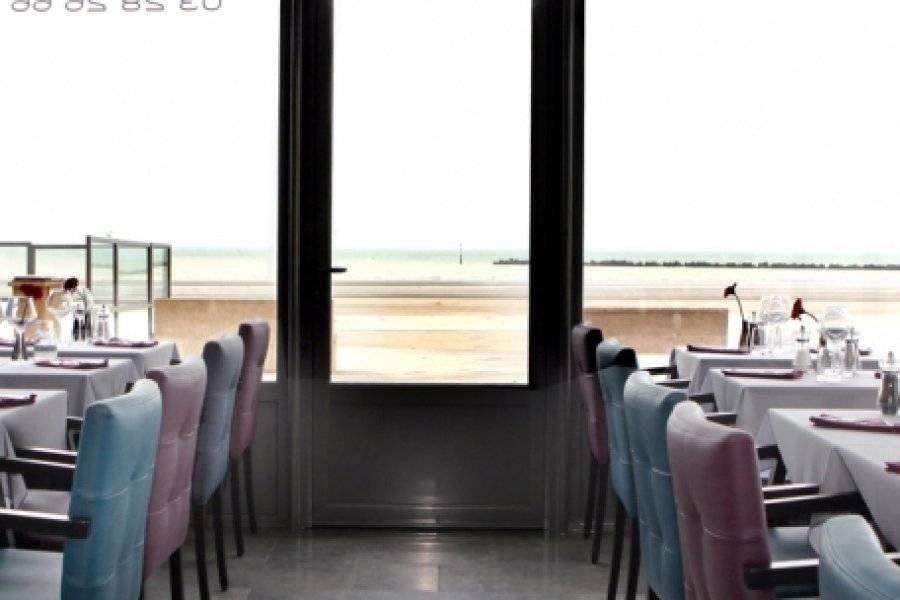
Where the North Sea Sets the Agenda
Stand on the Digue de Mer in Dunkirk at low tide and the editorial argument for a restaurant at this address writes itself. The waterline recedes to reveal mudflats that feed a specific ecosystem: grey shrimp, cockles, flat oysters from the Opal Coast, sole that trawlers bring into the port a few kilometres west. Comme Vous Voulez sits at number 58 on that seafront promenade, and the building's relationship to the water is not incidental. In northern French coastal cooking, the sourcing question is almost always answered by what the sea is doing that week, and an address directly on the digue makes that connection as unmediated as it gets.
Dunkirk is not a city that frames itself as a dining destination, which is precisely why its better tables operate without the ambient pressure of tourist expectation. The restaurant scene here clusters in two registers: the estaminet tradition, which preserves Flemish brasserie culture through carbonnade, potjevleesch, and local beer pairings (as at Estaminet Flamand), and a smaller cohort of address-specific kitchens where the cooking draws its logic from what's immediately available rather than from a fixed regional canon. Comme Vous Voulez sits in that second group, defined by its position on the coast rather than by any particular school of technique.
The Sourcing Logic of a North Sea Address
The Opal Coast, running from Calais south toward the Somme Bay, produces some of France's most underappreciated seafood. Boulogne-sur-Mer, roughly 65 kilometres southwest, remains one of France's largest fish-processing ports, and the supply lines between that port and kitchens along the Dunkirk shoreline are short in a way that matters at the table. Texture and temperature tolerance in white fish, the sugar content in shellfish, the condition of roe: all of these shift perceptibly when transit time is measured in hours rather than days.
Northern French coastal kitchens at this level tend to resist the temptation to complicate what the proximity of good sourcing makes possible. The comparison with headline French tables further afield is instructive. At Mirazur in Menton or Flocons de Sel in Megève, the sourcing story is built around altitude, microclimate, or garden-to-plate control. On the Channel coast, it is built around tidal schedules and port logistics. Neither approach is subsidiary to the other; they are simply different answers to the same question about how a kitchen earns its ingredient authority. The enduring houses of French cuisine, from Auberge de l'Ill in Illhaeusern to Bras in Laguiole, each built their identity on a specific geography of supply. A seafront address in Dunkirk works within the same framework, just with a different set of raw materials.
Dunkirk's Dining Context
To understand where Comme Vous Voulez sits in the city's eating hierarchy, it helps to map the broader field. La table de Cha' brings a different register of technique to the city, while Le Gaston and Le Puzzle each occupy their own distinct niche within the local scene. Renée rounds out a cohort of addresses that collectively demonstrate that Dunkirk's restaurant culture has more range than its industrial port identity might suggest.
The city's Flemish inheritance runs deeper than the tourist-facing estaminet format implies. Dunkirk changed hands between French and Spanish Habsburg rule repeatedly before Louis XIV's purchase in 1662, and its culinary character carries the residue of that cross-Channel, cross-border history. Beer is used as a braising medium with the same authority that wine commands in Burgundian kitchens. Juniper, endive, and pickled herring sit alongside classical French mother sauces without any sense of contradiction. A restaurant on the Digue de Mer inherits that dual identity: French technique applied to ingredients and flavour instincts that belong as much to Ghent as to Paris.
For the full picture of where the restaurant sits within the city's dining options, the EP Club Dunkirk restaurants guide maps the broader scene across neighbourhoods and cuisine types.
The Seafront Format and What It Implies
Restaurants positioned directly on a coastal promenade operate under different rhythms than city-centre addresses. Trade patterns shift with the season in ways that inland restaurants can smooth over; a seafront dining room in October is a different proposition from the same room in July, when the digue fills with walkers and the light off the water holds until nine in the evening. This seasonal character is not a weakness but a condition, and the kitchens that manage it well tend to be the ones building menus around what the season actually offers rather than maintaining a fixed programme year-round.
That same seasonal logic connects, at a different scale, to what particularly committed French regional tables have always understood. Les Prés d'Eugénie in Eugénie-les-Bains and Georges Blanc in Vonnas built multi-generational reputations on the principle that a kitchen's identity is inseparable from the agricultural or ecological calendar of its immediate territory. A table on the North Sea operates on the same principle; the calendar is just tidal rather than agricultural.
Planning a Visit
The address, 58 Digue de Mer, puts the restaurant on the western stretch of Dunkirk's seafront, accessible on foot from the city centre or by car with parking available along the promenade. Dunkirk is approximately 70 kilometres west of Bruges and 45 kilometres east of Calais along the A16, placing it within practical range of cross-Channel travellers arriving via the Eurotunnel or ferry.
Prospective visitors should confirm operational details directly before making the journey. Seasonal coastal restaurants in northern France sometimes operate reduced hours outside the summer peak, and a call ahead is particularly reliable approach regardless of what any third-party listing might show.
How It Stacks Up
Comparable venues nearby, for context on price, style, and recognition.
| Venue | Cuisine | Price | Awards | Notes |
|---|---|---|---|---|
| Comme Vous VoulezThis venue — the venue you are viewing | Traditional French Bistro | $$ | Not listed | Not listed |
| La table de Cha' | Traditional French Bistro | $$ | Not listed | Citadelle |
| Le Gaston | French Bistronomic | $$ | Not listed | Rosendael |
| Le Puzzle | Modern French Bistro | $$ | Not listed | Citadelle |
| Estaminet Flamand | Traditional Flemish French | $$ | Not listed | city centre |
| Renée | Traditional French Farm-to-Table Brasserie | $$ | Michelin Plate | Dunkirk city center |
Continue exploring
More in Dunkirk
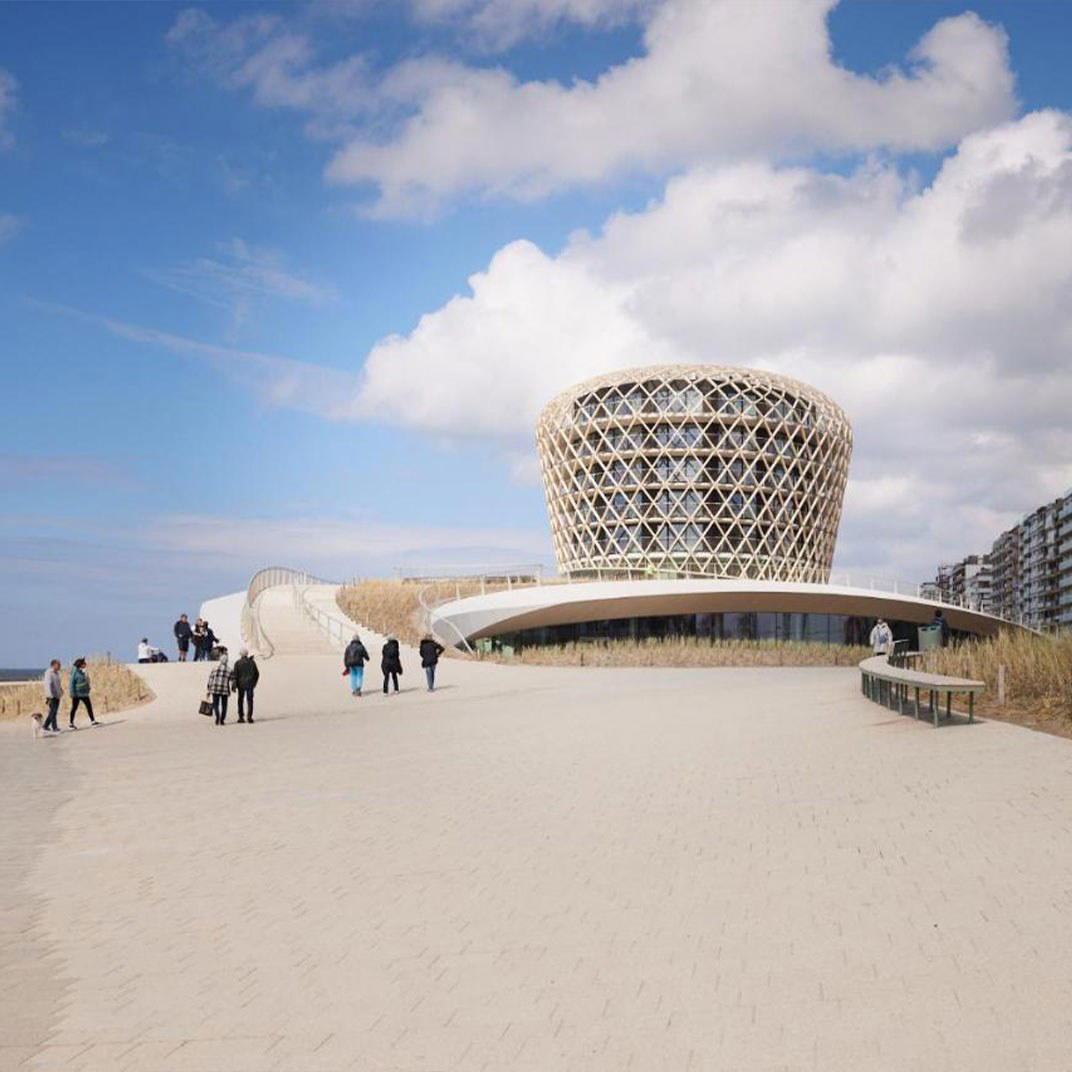
Restaurants in Dunkirk
Browse all →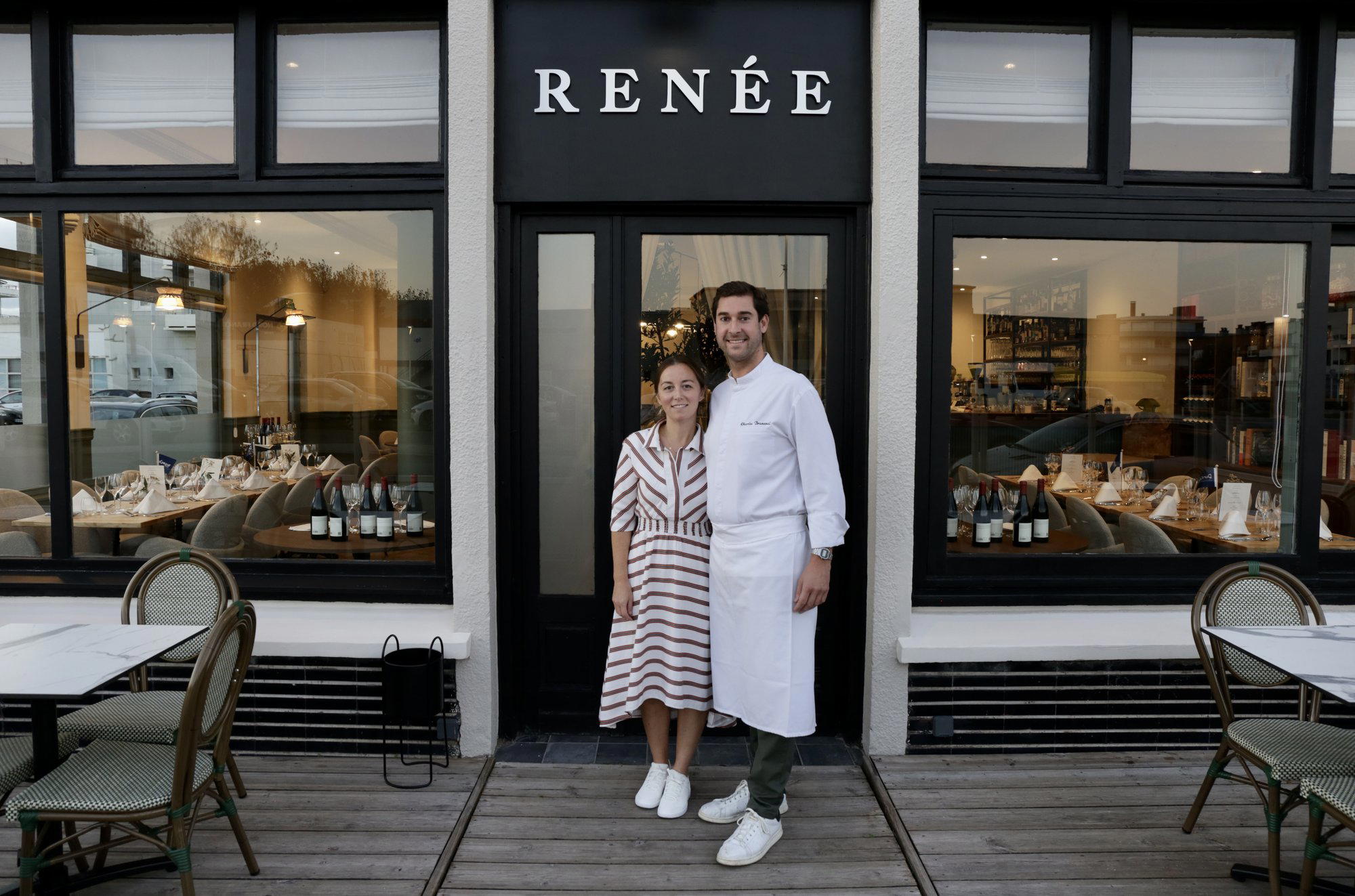
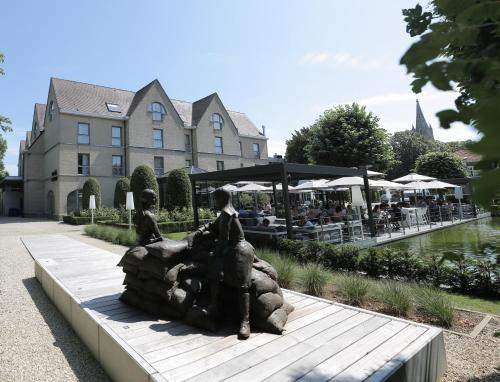
Hotels in Dunkirk
Browse all →
Wineries in Dunkirk
Browse all →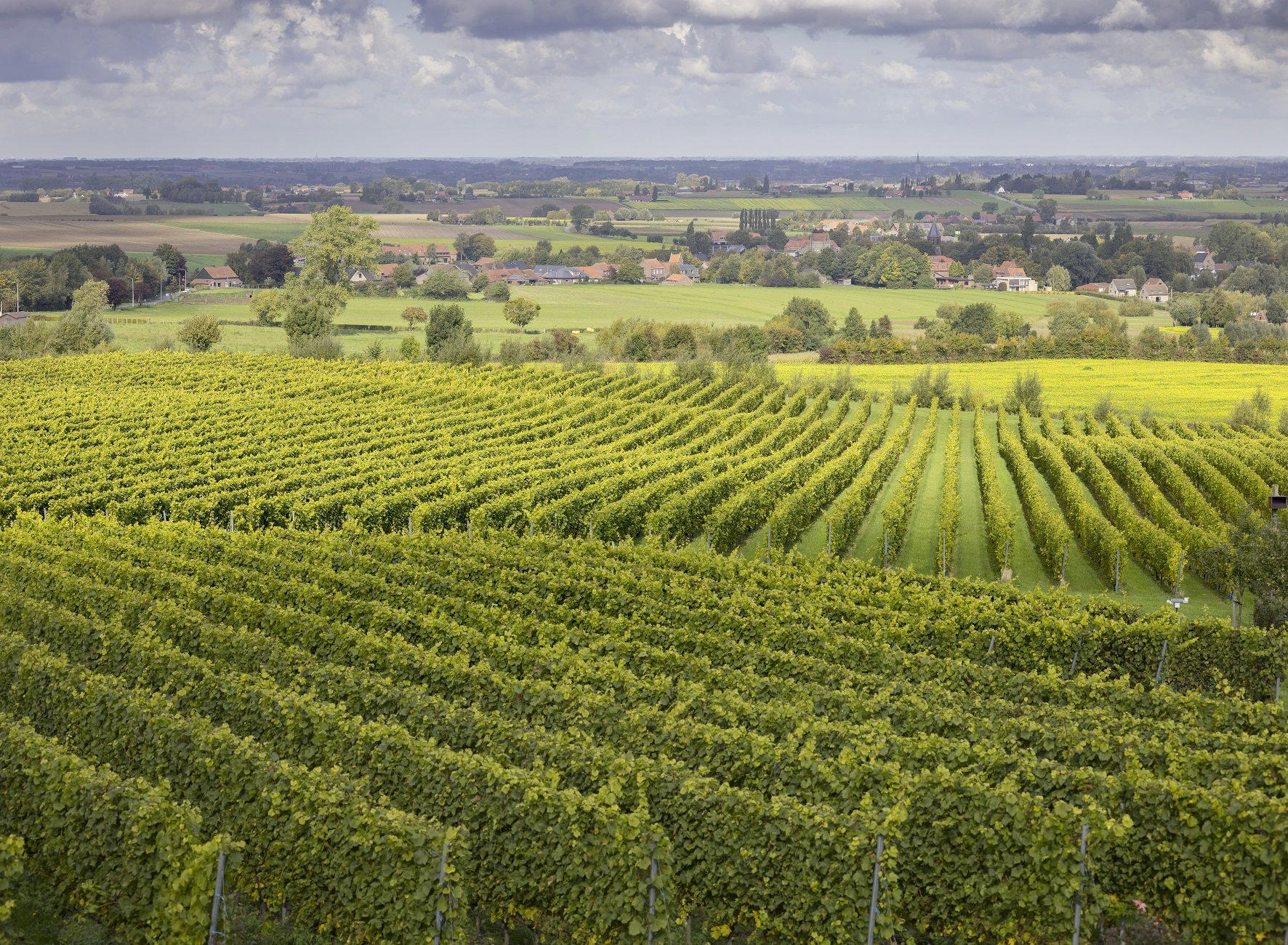
At a Glance
- Elegant
- Scenic
- Classic
- Sophisticated
- Date Night
- Business Dinner
- Family
- Casual Hangout
- Waterfront
- Terrace
- Panoramic View
- Local Sourcing
- Waterfront
Current opening hours
- Monday
- 12–2 PM, 7–9:30 PM
- Tuesday
- 12–2 PM, 7–9:30 PM
- Wednesday
- Closed
- Thursday
- 12–2 PM, 7–9:30 PM
- Friday
- 12–2 PM, 7–9:30 PM
- Saturday
- 12–2 PM, 7–10 PM
- Sunday
- 12–2 PM
Hours can change for holidays and private events. Last verified .
Minimalist chic dining room with floor-to-ceiling windows overlooking the beach; bright, refined atmosphere with contemporary decor.