
Our verdict
A Wan Chai counter specialising in Nonya cuisine, Rempah Noodles brings the spiced, coconut-rich cooking of the Peranakan straits to one of Hong Kong's most densely layered dining neighbourhoods. Ranked #144 on the 2025 Opinionated About Dining Casual Asia list, it operates weekday lunch hours with a focused menu that rewards repeat visitors who understand what it is trying to do.

Pearl is the En Primeur Club membership app, where members save venues, book tables and use the concierge.
The menu
What to order
- Premium Prawn Noodles
- Laksa
- Kaya Toast
Wan Chai and the Case for Specificity
Wan Chai's ground-floor dining culture has always rewarded specificity over breadth. The neighbourhood's best-known counters and shopfronts succeed not by covering territory but by mastering a single culinary tradition with enough depth to make the trip worth it. On Hennessy Road, that logic plays out clearly. Rempah Noodles occupies a street-level space at number 18, and its name signals the brief immediately: this is a kitchen organised around Nonya cooking, the Peranakan culinary tradition that blends Chinese ingredients with Malay spice technique into something that belongs to neither parent culture entirely.
Wan Chai sits between the high-end French and Italian rooms of Central and Admiralty, venues like Caprice, Amber, and 8 1/2 Otto e Mezzo Bombana, and the dense Cantonese lunch trade further east. A focused Southeast Asian noodle house in this pocket is not accidental. The neighbourhood has the foot traffic and the international palate to sustain it.
What Nonya Cooking Actually Means on the Plate
Peranakan cuisine emerged from the communities of Chinese immigrants who settled in the Malay Peninsula and Indonesian archipelago, primarily in Penang, Melaka, and Singapore, from the 15th century onward. The cooking absorbed local spice pastes, rempah, the aromatic base of ground shallots, lemongrass, galangal, dried chillies, and candlenuts, and applied them to Chinese-influenced ingredients and techniques. The result is a cuisine defined by layered heat and fat, where coconut milk rounds out what dried spice sharpens.
Noodle dishes sit at the centre of that tradition. Laksa, the spiced coconut broth with rice vermicelli, is probably the most recognised export, but the category extends further: dry-tossed noodles with sambal, prawn-based broths, and curry-spiked preparations that carry regional variation even within a single city. The name Rempah Noodles places the spice paste, not the protein or the noodle format, at the conceptual centre. That framing says something about what the kitchen prioritises.
Menu Architecture: Spice as Structure
The editorial angle here is not individual dishes but the logic that organises the menu. In a kitchen built around rempah, the spice paste functions as the structural element rather than the garnish. It means the kitchen's skill is measured not in knife technique or plate composition but in the quality and consistency of its aromatic foundations. A rempah that is under-toasted tastes raw and flat; one that is overworked turns bitter. The balance is maintained through repetition and proportion, not improvisation.
This kind of menu architecture is common in cuisines where paste-based cooking forms the backbone, Thai, Indonesian, and Malay kitchens share the same organisational logic, but it is underrepresented in Hong Kong's casual dining register, which skews heavily toward Cantonese, Japanese, and Western formats. The scarcity of this approach in the city makes a dedicated Nonya counter more significant than its address or format might suggest. Across comparable casual dining contexts internationally, from Lazy Bear in San Francisco to neighbourhood-led dining rooms in other cities, the most durable casual formats tend to be those with a defined point of view rather than a broad sweep. Rempah Noodles is a clear case of the former.
Recognition and Competitive Position
The 2025 Opinionated About Dining Casual Asia ranking places Rempah Noodles at #144. OAD's casual Asia list draws on a pool of frequent-diner contributors who weight personal experience heavily, which means placement on the list tends to reflect sustained quality over time rather than a single high-profile meal. A ranking in the top 150 for the Asia region, in a category that covers everything from Japanese ramen counters to street-food institutions, is a meaningful marker for a noodle-focused shopfront in Wan Chai.
A 4.2 aggregate on a volume of 540 ratings represents a consistent baseline, high enough to indicate real quality, not so high as to suggest the sample is being managed. That combination of OAD recognition and crowd-sourced consistency positions Rempah Noodles as a credible specialist rather than a curiosity.
In Hong Kong's casual Southeast Asian dining tier, that is a distinct competitive space. The city's Michelin-starred and fine-dining rooms, Ta Vie, Forum, and equivalents, operate in a different register entirely. Rempah Noodles is not competing with those rooms. It is competing for a lunch visit from someone who wants precision in a specific tradition rather than prestige in a general one. Internationally, that same logic separates a technically serious neighbourhood counter from the broader casual market, the same principle applies whether you are looking at a focused counter in New York or an anchored regional specialist elsewhere.
The Wan Chai Context
Hennessy Road runs east-west through the commercial core of Wan Chai, a few minutes' walk from the MTR and within easy reach of the harbour-facing hotel strip. Ground-floor restaurant space on Hennessy is practical and visible rather than atmospheric, this is a lunch destination, not an evening experience designed around mood. The operating hours confirm that orientation: weekdays from 11:30 am to 8:00 pm, Saturday until 6:00 pm, and closed Sunday. The format is built around the working week and the lunch trade.
That schedule places Rempah Noodles in a specific category of Hong Kong dining: the serious specialist that keeps shopfront hours rather than restaurant hours. It is a format with deep roots in the city's food culture, where some of the most technically accomplished cooking happens before 3:00 pm in rooms with strip lighting and no reservations desk. For visitors oriented toward evening fine dining at venues like Paris or Monte Carlo equivalents, the midday Wan Chai counter visit is a different register entirely, and deliberately so.
The broader Hong Kong dining picture, across restaurants, bars, hotels, and experiences, is covered in detail across EP Club's city guides: our full Hong Kong restaurants guide, our full Hong Kong hotels guide, our full Hong Kong bars guide, our full Hong Kong wineries guide, and our full Hong Kong experiences guide.
Planning Your Visit
Address: G/F, 18 Hennessy Road, Wan Chai, Hong Kong. Hours: Monday to Friday 11:30 am to 8:00 pm; Saturday 11:30 am to 6:00 pm; Sunday closed. Reservations: Not confirmed, walk-in format likely given shopfront style and lunch positioning. Budget: Price range not confirmed; Nonya noodle formats in this category typically sit in the casual to mid-casual tier. Getting there: Wan Chai MTR station is within walking distance; the address sits on the main Hennessy Road corridor.
Frequently asked questions
What do people recommend at Rempah Noodles?
Given the kitchen's focus on Nonya cuisine and the rempah spice-paste tradition at the centre of its menu architecture, noodle preparations built around coconut-based broths or sambal-dressed formats are the most consistent draw. Visiting during weekday lunch, when the kitchen is at its most active, is the logical approach for a first visit.
What makes Rempah Noodles worth seeking out?
Nonya cooking is underrepresented in Hong Kong's casual dining register relative to the cuisine's depth and regional significance. A dedicated counter with OAD Casual Asia recognition, operating in a neighbourhood with high culinary competition, fills a gap that most visitors to the city do not realise exists. The cuisine itself, with its Peranakan roots spanning Chinese technique and Malay spice traditions, is one of Southeast Asia's most historically layered cooking cultures. For anyone whose Hong Kong itinerary leans toward Cantonese or Japanese, Rempah Noodles offers a different culinary reference point in the same compact geography. It belongs on the same afternoon as a broader Wan Chai walk, and its hours make a pre-dinner or lunch visit easy to fit around a standard schedule. For further context on where it sits in the city's wider scene, see our full Hong Kong restaurants guide.
Reputation First
Comparable venues nearby, for context on price, style, and recognition.
| Venue | Cuisine | Price | Notes |
|---|---|---|---|
| Rempah NoodlesThis venue (the venue you are viewing) | Authentic Malaysian Noodle Bar | $10–20 | Not listed |
| Artista Perfetto | Specialty Coffee & Cafe | $10–20 | Causeway Bay |
| Casa Lisboa | Authentic Portuguese | $50–100 | Central |
| Chili Club | Authentic Thai | $20–30 | Wan Chai |
| Kasa | Modern Cantonese Fusion | Not listed | Wan Chai |
| Crystal Jade | Modern Shanghainese with Handmade Noodles & Dim Sum | $20–30 | Wan Chai |
Recognition history
Dated appearances from independent guides and award organizations, with the underlying list record or original source where available.
Opinionated About Dining Casual in Asia Ranked #135
Opinionated About Dining
Full recognition history (2 entries)
Opinionated About Dining Casual in Asia Ranked #144
Opinionated About Dining
Continue exploring
More in Hong Kong
More from Chef Various
Browse all →
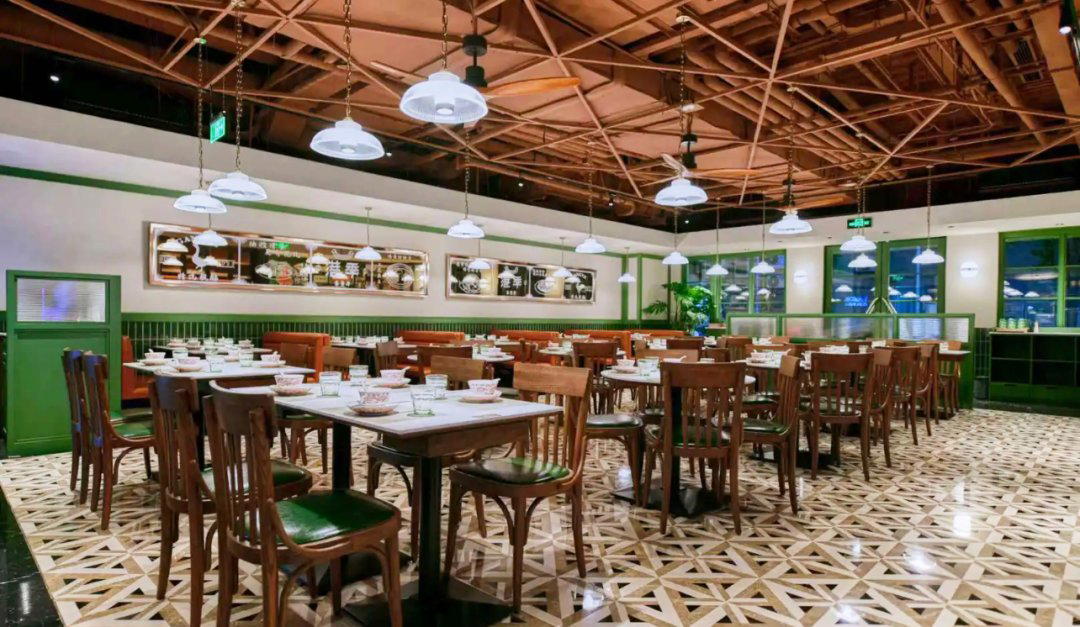
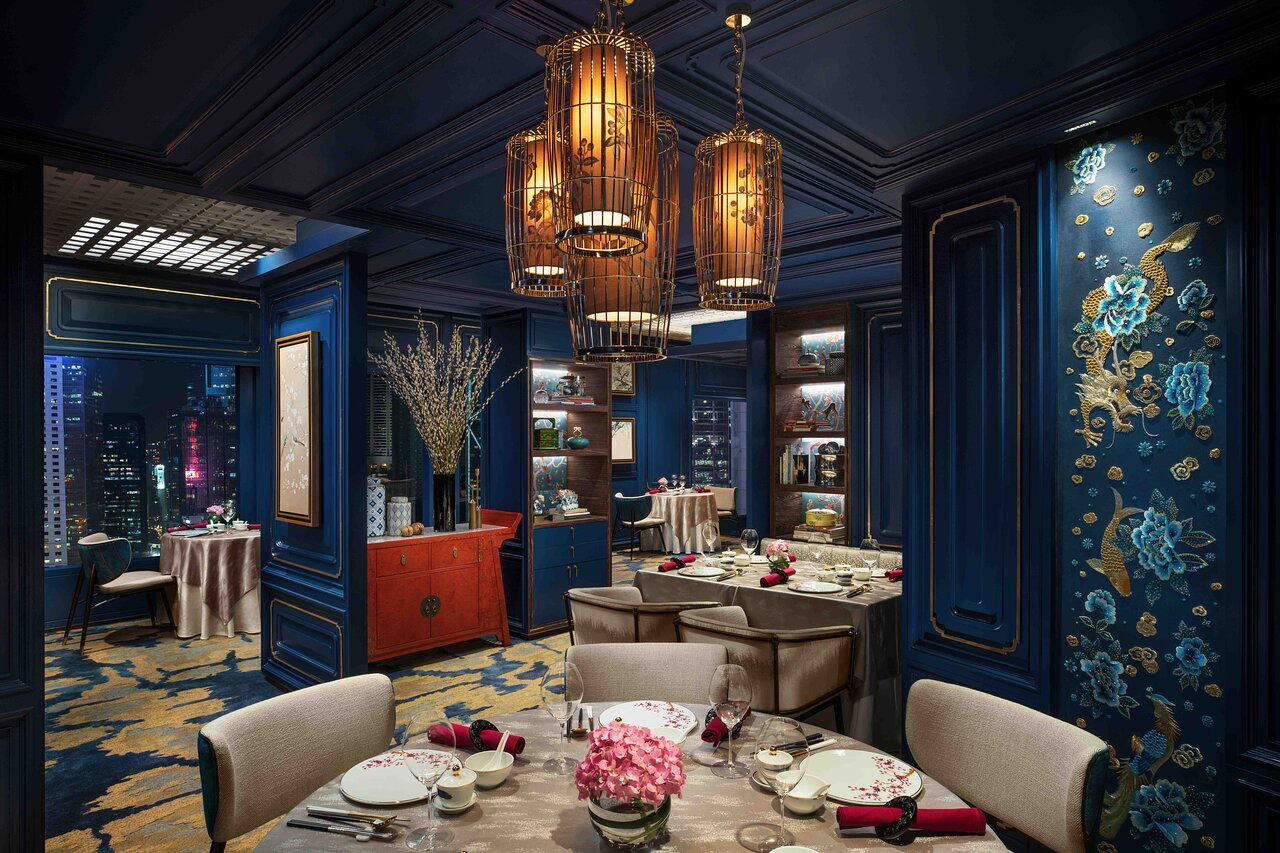
Restaurants in Hong Kong
All restaurants in Hong Kong →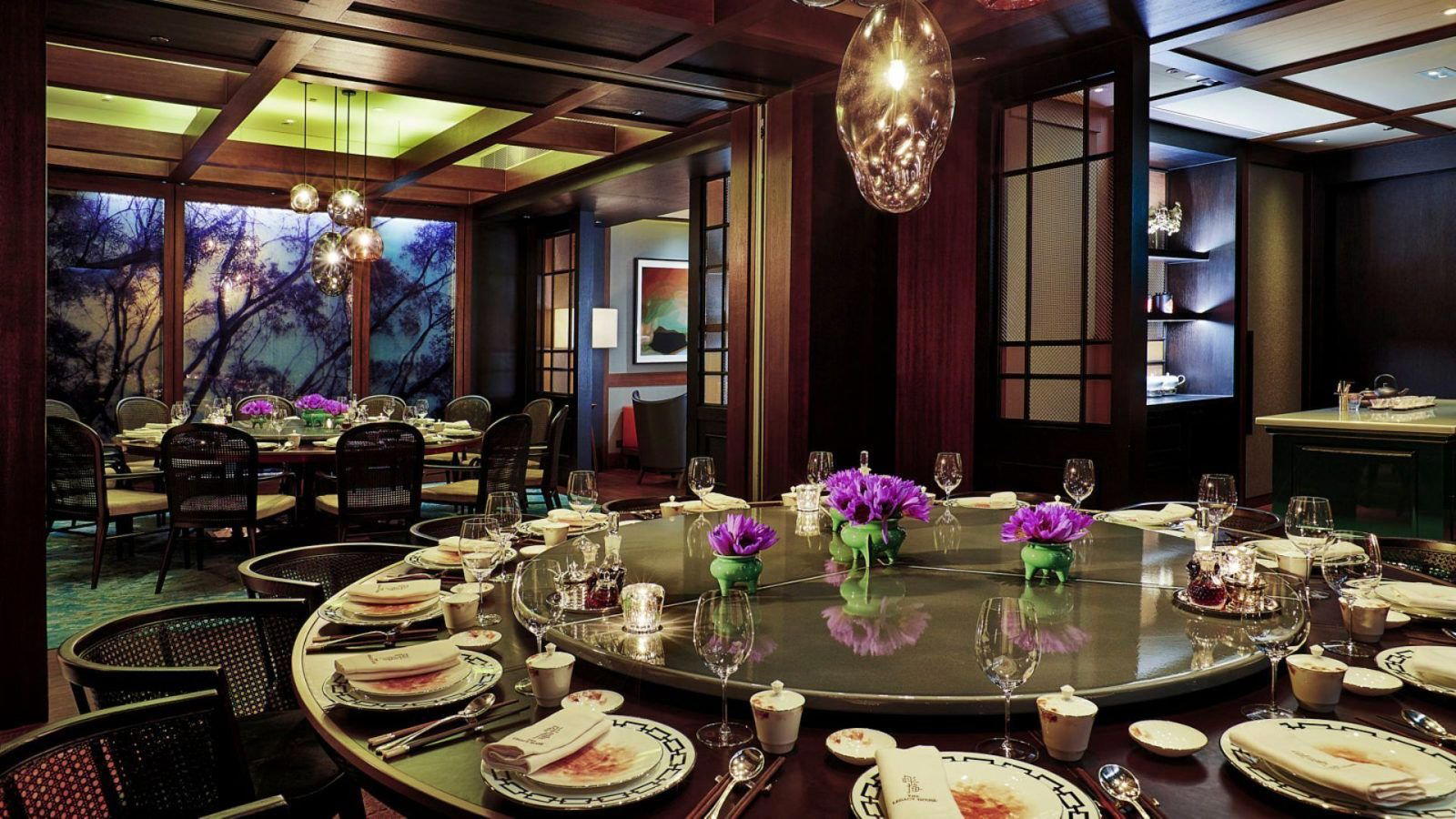
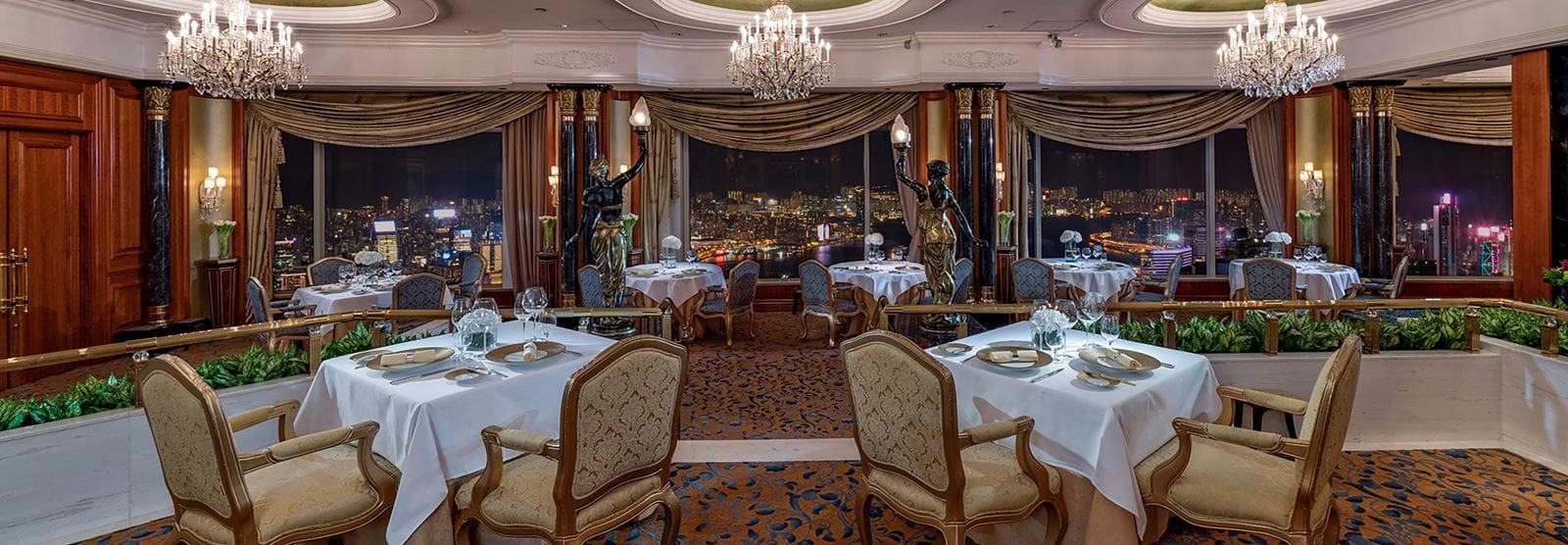
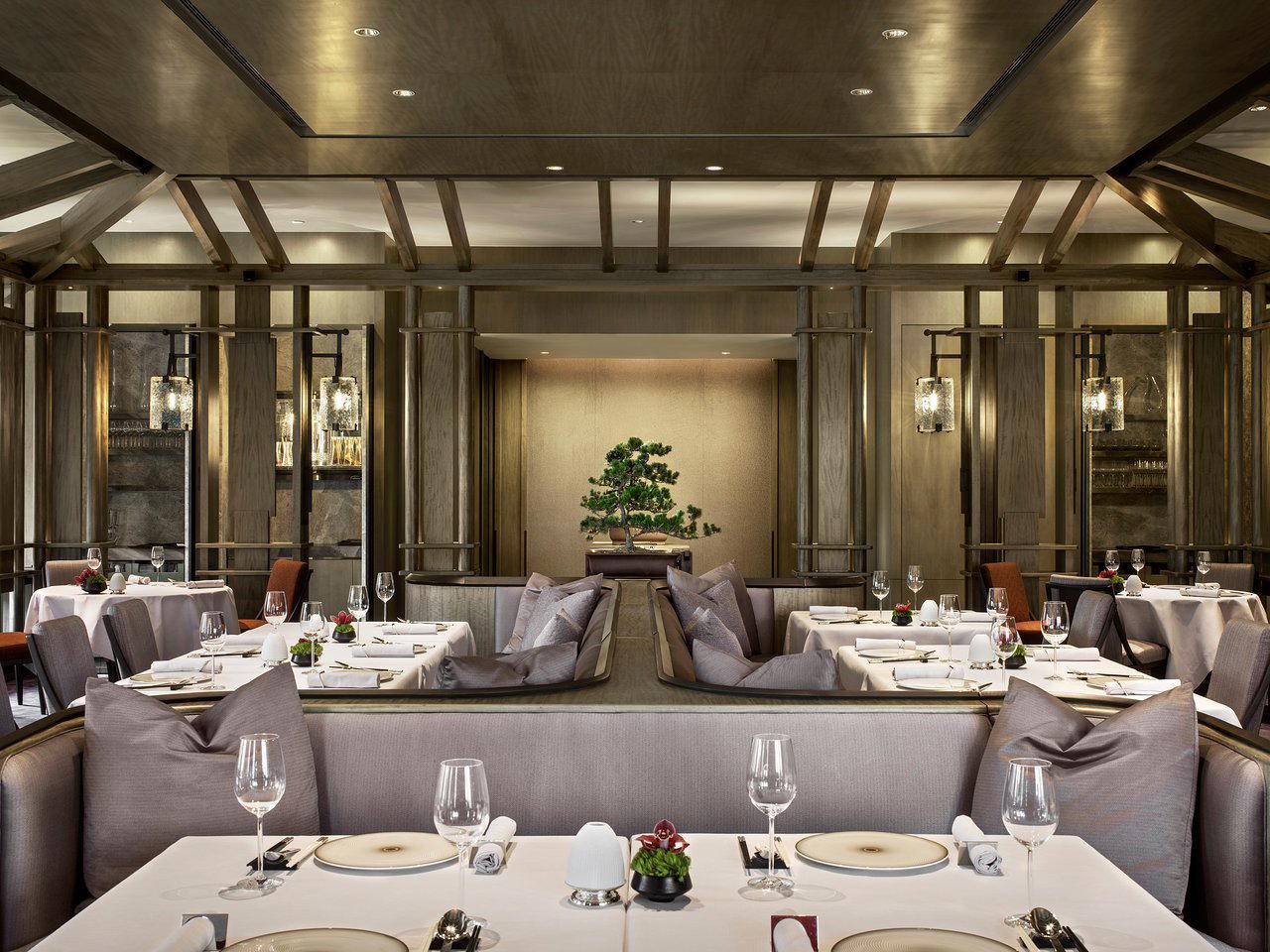
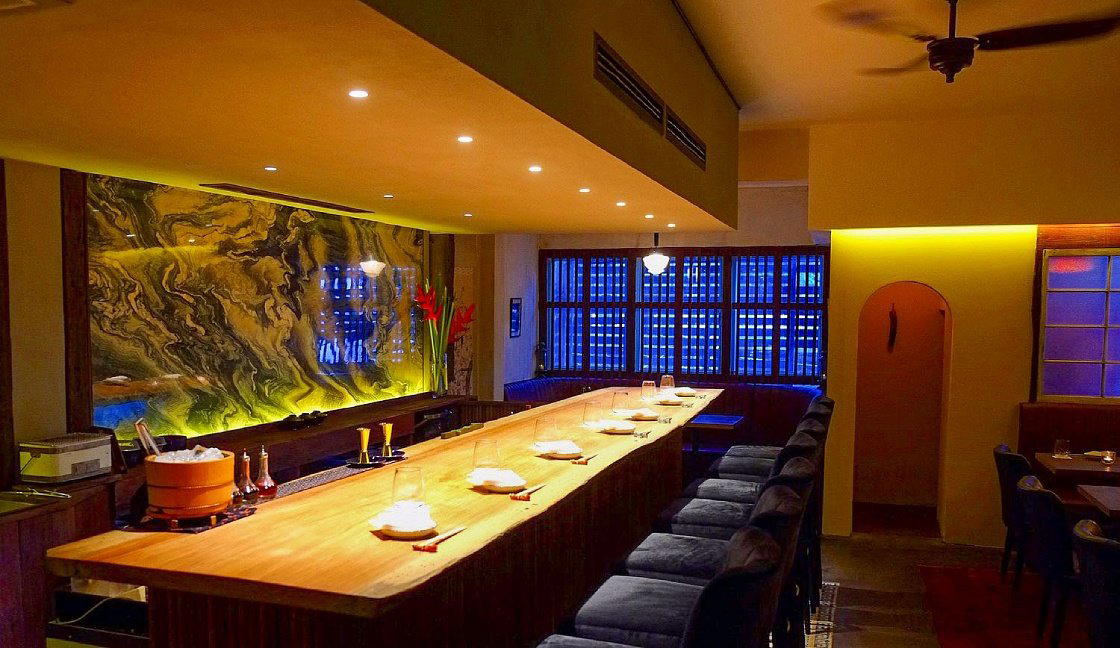
Bars in Hong Kong
All bars in Hong Kong →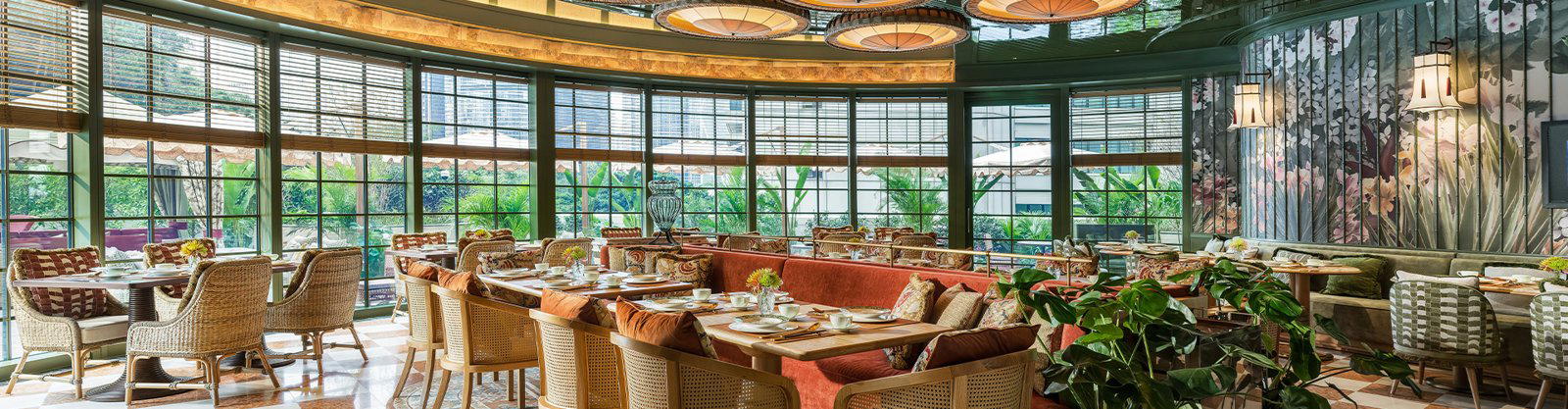
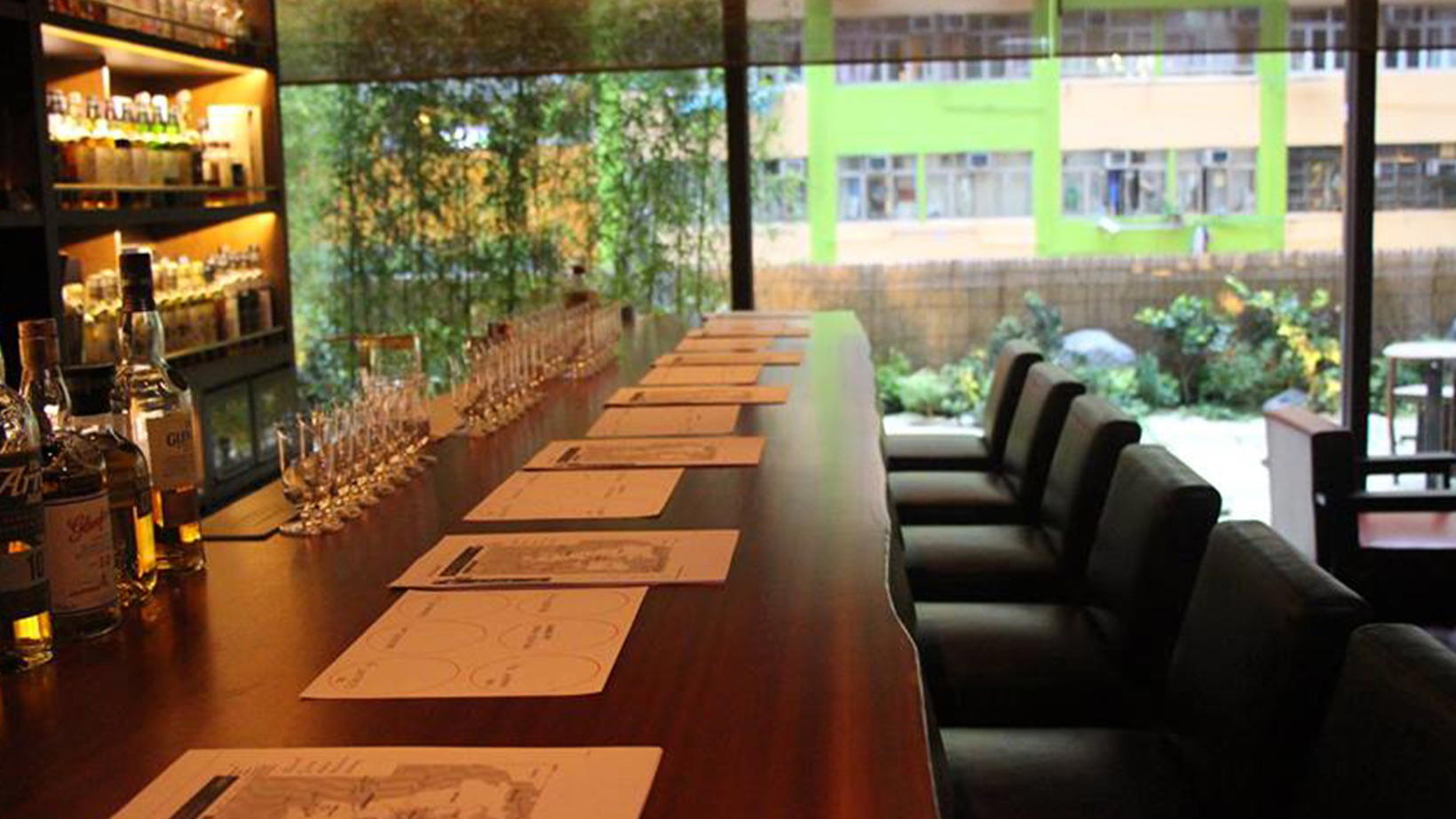
Hotels in Hong Kong
All hotels in Hong Kong →
Wineries in Hong Kong
All wineries in Hong Kong →
Details
- Cozy
- Modern
- Trendy
- Casual Hangout
- Solo
- Open Kitchen
- A La Carte
Current opening hours
- Monday
- 11:30 AM–8 PM
- Tuesday
- 11:30 AM–8 PM
- Wednesday
- 11:30 AM–8 PM
- Thursday
- 11:30 AM–8 PM
- Friday
- 11:30 AM–8 PM
- Saturday
- 11:30 AM–6 PM
- Sunday
- Closed
Hours can change for holidays and private events. Hours as of .
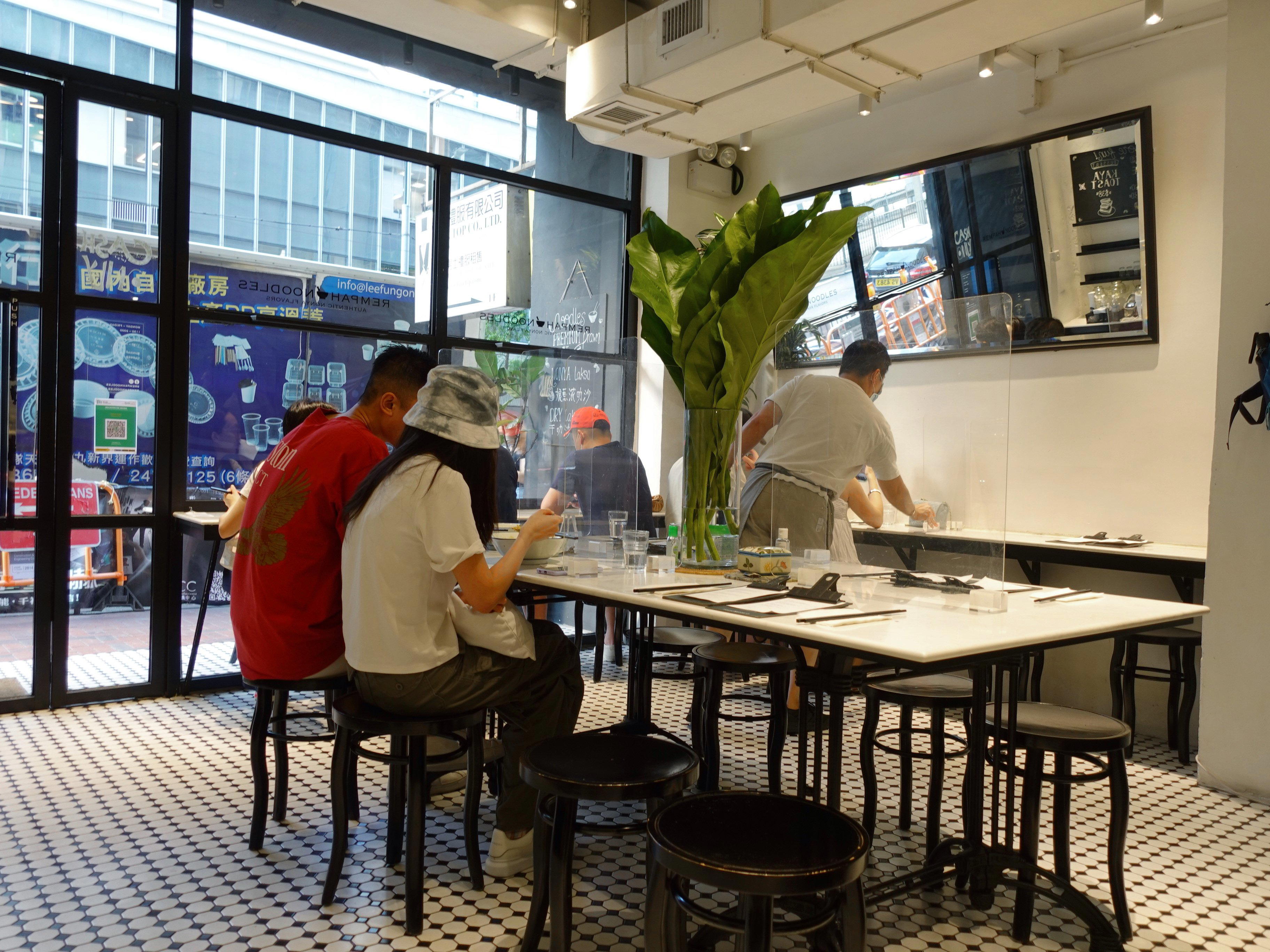
Cozy and inviting with a modern minimalist interior featuring stark white space, full-length windows, counter seating around an open kitchen, and fresh flowers on tables.