On the Via Marconi above Positano's tiered streets, Remmese sits in a quieter residential register than the seafront trattorias that dominate the town's tourist circuit. The address places it among locals rather than crowds, making it a reference point for understanding how everyday Campanian cooking survives alongside the Amalfi Coast's more visible, visitor-facing dining scene.
Pearl is the En Primeur Club membership app — saves, bookings, and concierge access live there. Same editors, same standards.
- Address
- V. G. Marconi, 171, 84017 Positano SA, Italy
- Website
- leagavi.it
- Directions
- Get directions
 Saves & bookings on Pearl
Where the Amalfi Coast Eats Without an Audience
Remmese is a restaurant in Positano, Italy, serving traditional Italian seafood. The second is harder to find and rarely photographed. It exists in the upper streets, away from the waterfront promenade, where addresses on Via Giovanni Marconi and its adjacent lanes serve the people who actually live here. Remmese, at number 171 on that road, belongs to the second category.
This matters as a starting point because Campanian coastal cuisine is frequently discussed in terms of its most theatrical expressions, the white-tablecloth fish restaurants of the Amalfi strip, or the Michelin-tracked rooms like Il San Pietro di Positano that carry the coast's fine-dining reputation internationally. What those rooms represent is real, but they do not represent the whole of how this region cooks. The traditions they draw on, the patient use of local fish, the anchovy-heavy pantry, the reliance on lemon and olive oil rather than cream and butter, originated in far less formal settings.
The Cultural Grammar of Campanian Cooking
To understand what a place like Remmese represents within Positano's dining character, it helps to understand what Campanian cooking actually is before it becomes a tasting menu. The region's food identity is built around a few fixed coordinates: the San Marzano tomato, grown in volcanic soil south of Naples; the lemons of the Amalfi Coast, whose essential-oil concentration is among the highest of any variety in Italy; the anchovies of Cetara, salt-cured for years before use; and a nearshore fishing tradition that has historically prized smaller, less glamorous species over the large predatory fish that fill European export markets.
This is a cuisine that resists elaboration at its core. The canonical dishes of the Campanian table, pasta alle vongole, spaghetti al pomodoro, frittura di paranza, are defined by restraint and ingredient quality, not technique. The chef's role is largely curatorial: selecting correctly, timing precisely, and not interfering with what the sea and the land have already done. In that sense, the cooking tradition here is closer in spirit to certain Japanese philosophies of restraint than to the intervention-heavy kitchens of northern European fine dining. Where Osteria Francescana in Modena or Le Calandre in Rubano have built international reputations on conceptual ambition, the Campanian south has largely built its identity on the opposite proposition.
That division shapes how the Amalfi Coast's restaurant tier is structured today. At the upper end, rooms like Li Galli and Al Palazzo translate local ingredients into contemporary formats with price points and design language that position them squarely in the international luxury travel circuit. In the middle register, places like Da Vincenzo have maintained a loyal following over decades by doing Campanian classics with consistency rather than reinvention. At the informal end, addresses like Chez Black serve the seafront crowd with Italian-pizzeria formats that prioritize accessibility and throughput. Remmese, by its address and local orientation, sits outside all three of those visible tiers.
An Address That Tells You Something
The physical location of Remmese signals something about its relationship to Positano's visitor economy. Places that survive at upper-street addresses in a resort town do so because they have a local customer base that returns. Tourist-dependent restaurants congregate at the seafront, where foot traffic compensates for the lack of repeat business. Restaurants further up the hill function differently: they rely on trust built over time rather than footfall, which tends to produce a different kind of consistency in the kitchen.
For comparison, the same dynamic appears in other concentrated resort destinations across Italy: the leading neighborhood trattorias in Portofino, Ravello, or Alberobello are rarely on the main piazza. They are found by locals and passed along by word of mouth, which is a different discovery mechanism than the one that fills most travel itineraries.
Placing Remmese in the Wider Italian Coastal Dining Conversation
Italy's coastal fine-dining tier has become more internationally visible in recent years. Quattro Passi in Marina del Cantone, a short drive south of Positano, has carried Michelin recognition while staying rooted in the same regional larder. Uliassi in Senigallia on the Adriatic has demonstrated what happens when a coastal Italian kitchen is pushed toward technical ambition without abandoning its seafood foundations. Further north, Dal Pescatore in Runate and Enoteca Pinchiorri in Florence represent the country's highest-recognition tier, alongside conceptual rooms like Reale in Castel di Sangro and Piazza Duomo in Alba.
None of those rooms is what Remmese appears to be, and that is precisely the point. The institutions that earn international recognition are not the only ones worth understanding. The Campanian tradition that feeds Nordic-influenced Italian kitchens and informs how chefs at rooms like Enrico Bartolini in Milan think about Italian ingredient philosophy, that tradition has everyday keepers, not just celebrated interpreters. Those everyday addresses are where the cuisine is actually maintained between its high-profile moments.
Planning a Visit
Remmese is located at Via G. Marconi 171, Positano. Reservations are recommended.
Budget Reality Check
Comparable venues nearby, for context on price, style, and recognition.
| Venue | Cuisine | Price | Awards | Notes |
|---|---|---|---|---|
| RemmeseThis venue — the venue you are viewing | Positano, Traditional Italian Seafood | $$$$ | Not listed | Not listed |
| Chez Black | Not listed | $$$$ | Not listed | Spiaggia Grande, Italian Beachfront Pizza & Seafood |
| Rada Rooftop | Not listed | $$$$ | Michelin Plate | Spiaggia Grande, Modern Italian Mediterranean Rooftop |
| Next2 | Positano, Modern Italian Fine Dining | $$$ | Michelin Plate | Not listed |
| La Sponda | Not listed | $$$$ | Michelin Plate | Positano City Centre, Michelin-Starred Mediterranean Italian |
| La Serra | Not listed | $$$$ | Michelin Plate | Positano, Modern Mediterranean Fine Dining |
Continue exploring
More in Positano
Restaurants in Positano
Browse all →
Bars in Positano
Browse all →
Hotels in Positano
Browse all →
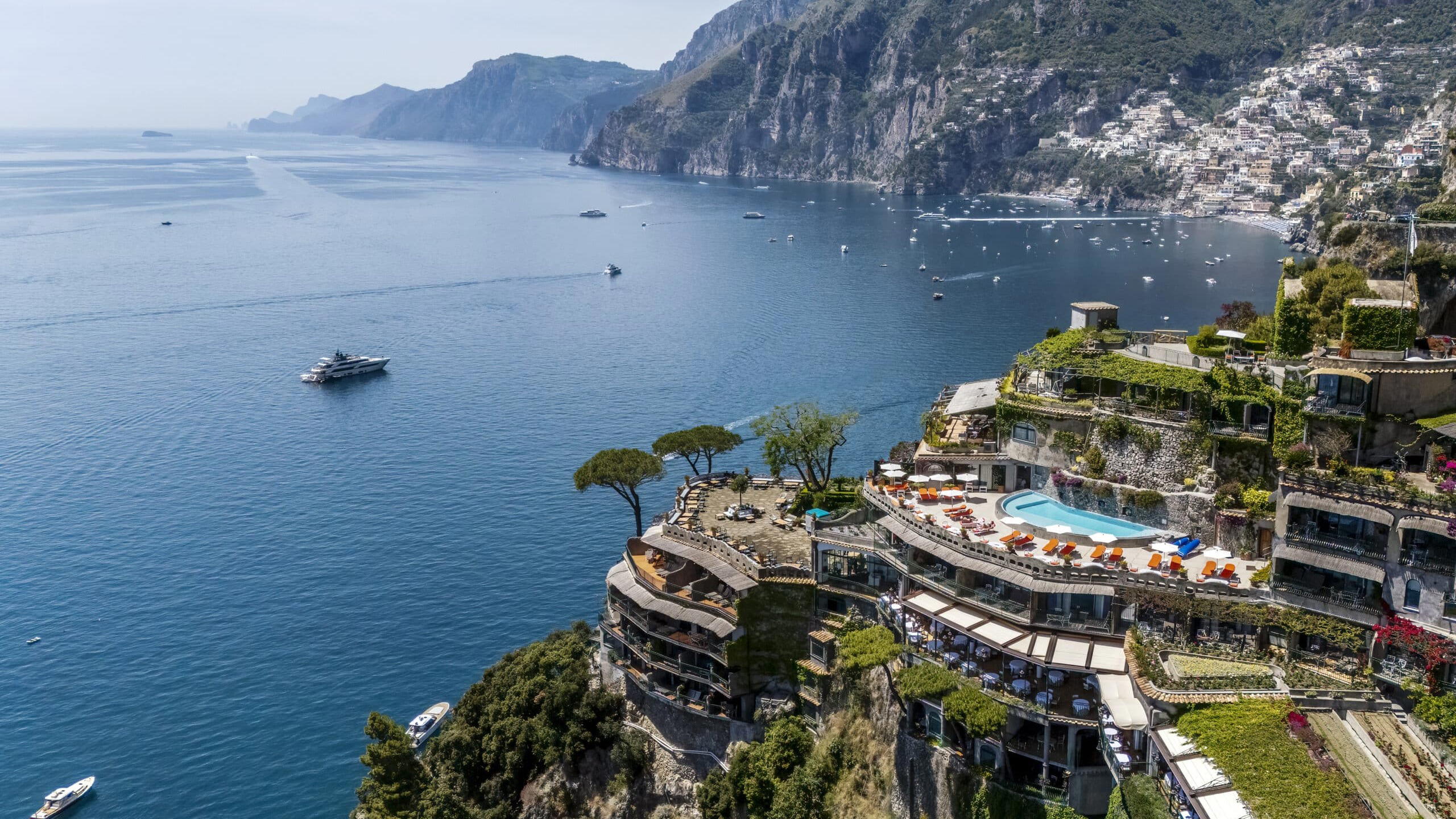
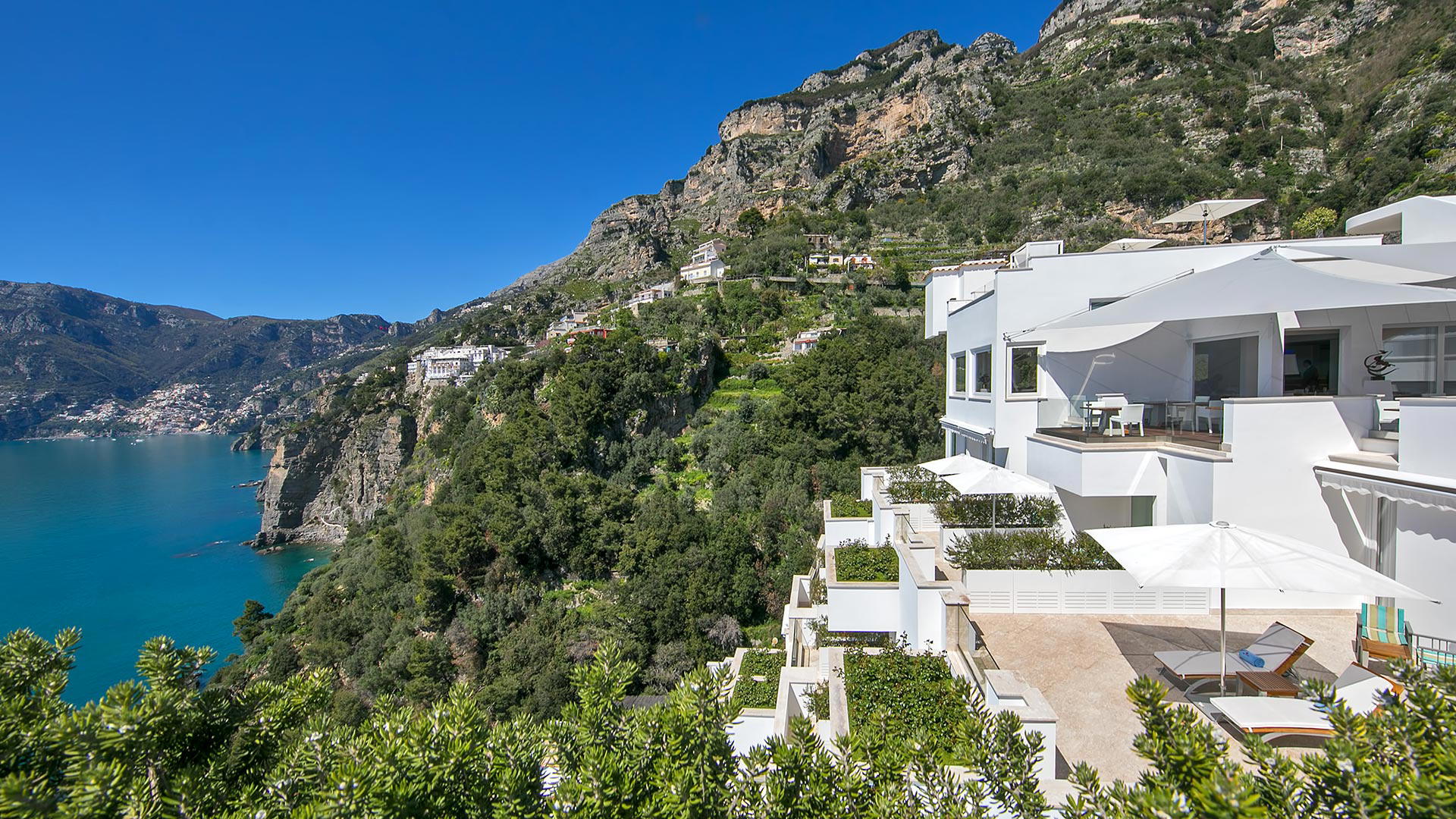
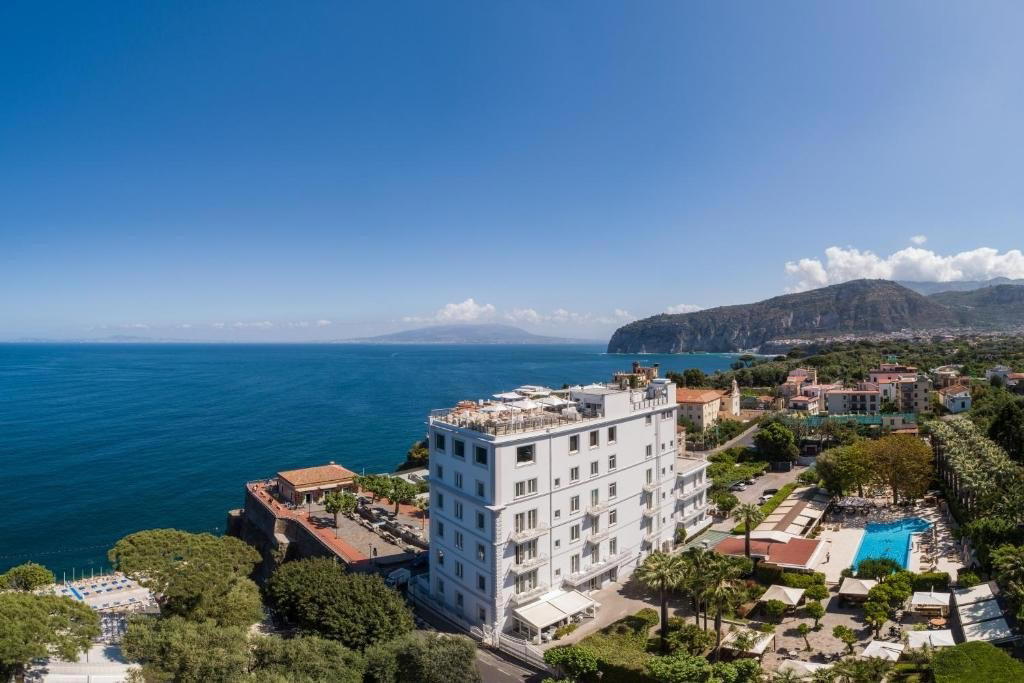
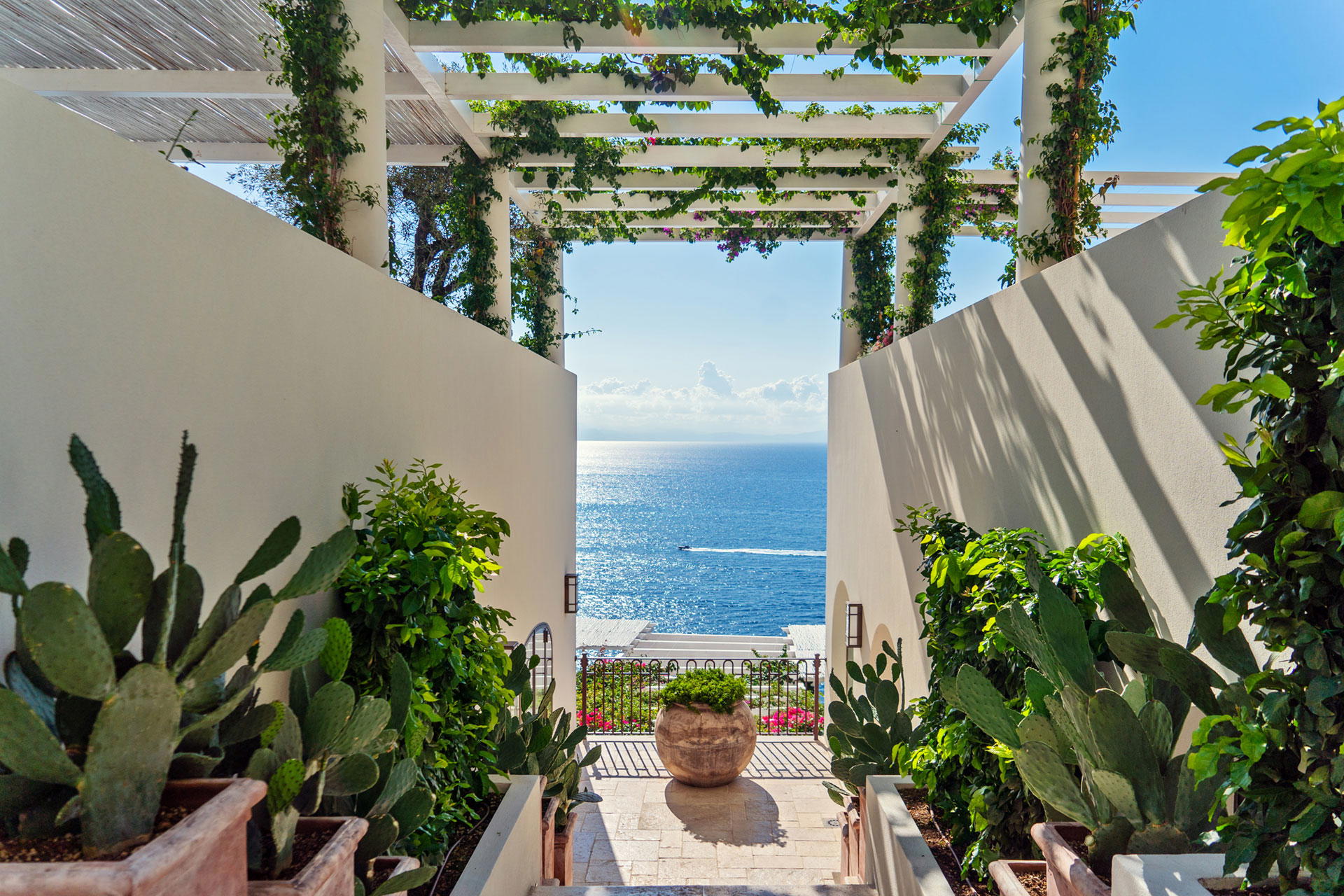
At a Glance
- Romantic
- Scenic
- Elegant
- Intimate
- Date Night
- Special Occasion
- Waterfront
- Terrace
- Local Sourcing
- Waterfront
Magical fairytale-like coastal retreat with serene ambiance surrounded by crystal-clear seas and pristine landscapes.