In Cavaillon, the melon capital of Provence, Relais des Saveurs on Avenue de Verdun draws on one of France's most ingredient-defined territories. The restaurant operates in a town where produce quality is not a talking point but a baseline, placing it within a regional dining tradition rooted in market proximity and seasonal discipline. For visitors passing through the Luberon corridor, it represents a grounded alternative to the area's more theatrical dining options.
Pearl is the En Primeur Club membership app — saves, bookings, and concierge access live there. Same editors, same standards.
- Address
- 156 Av. de Verdun, 84300 Cavaillon, France
- Phone
- +33490719161
- Website
- lerelaisdessaveurs.fr
- Directions
- Get directions
 Saves & bookings on Pearl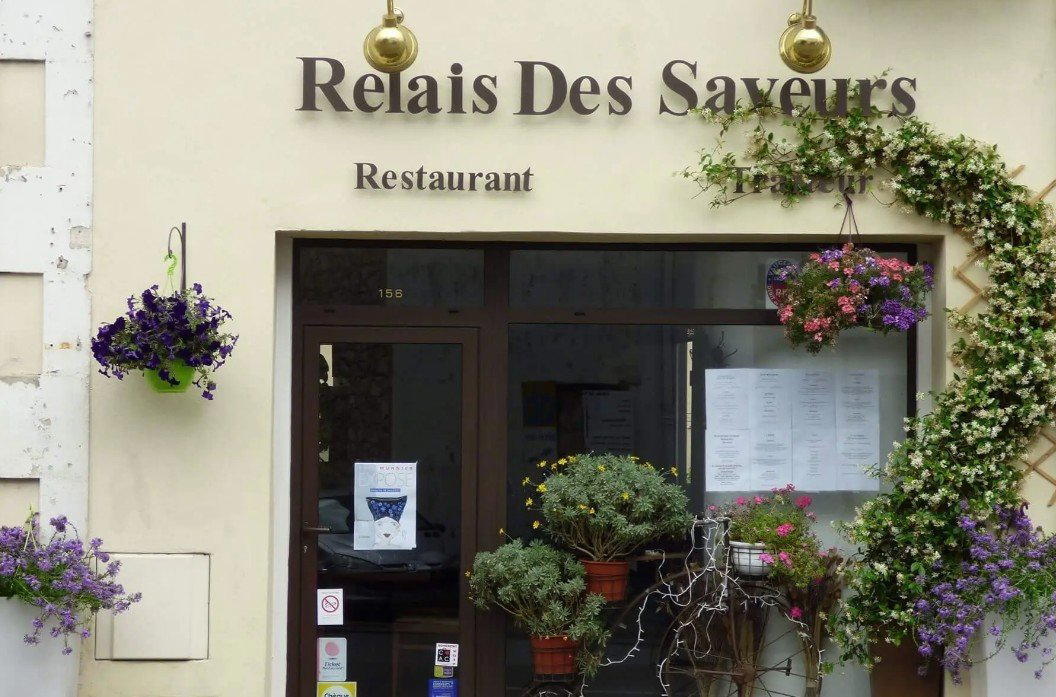
Where Provence Puts Its Produce on the Plate
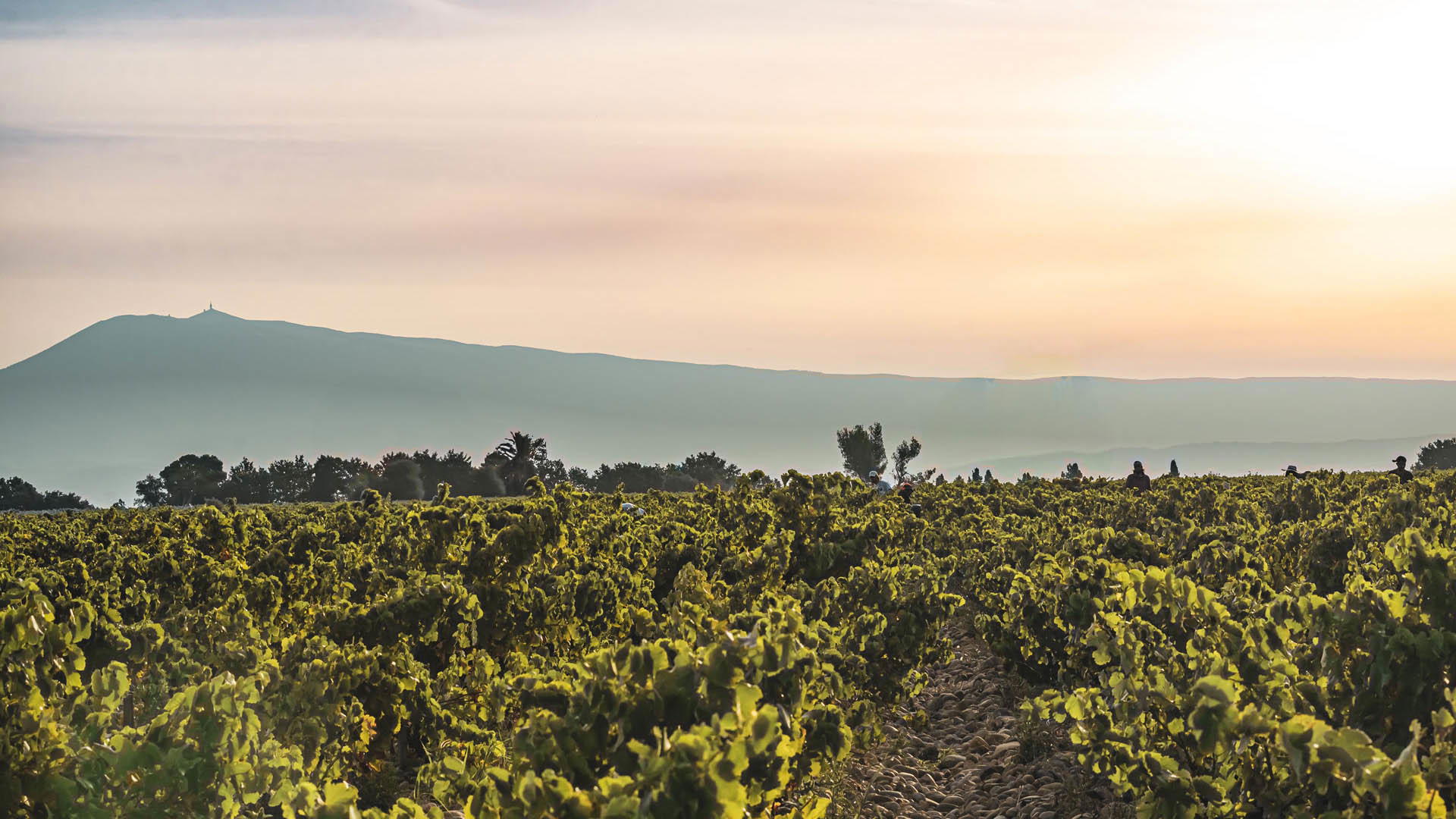
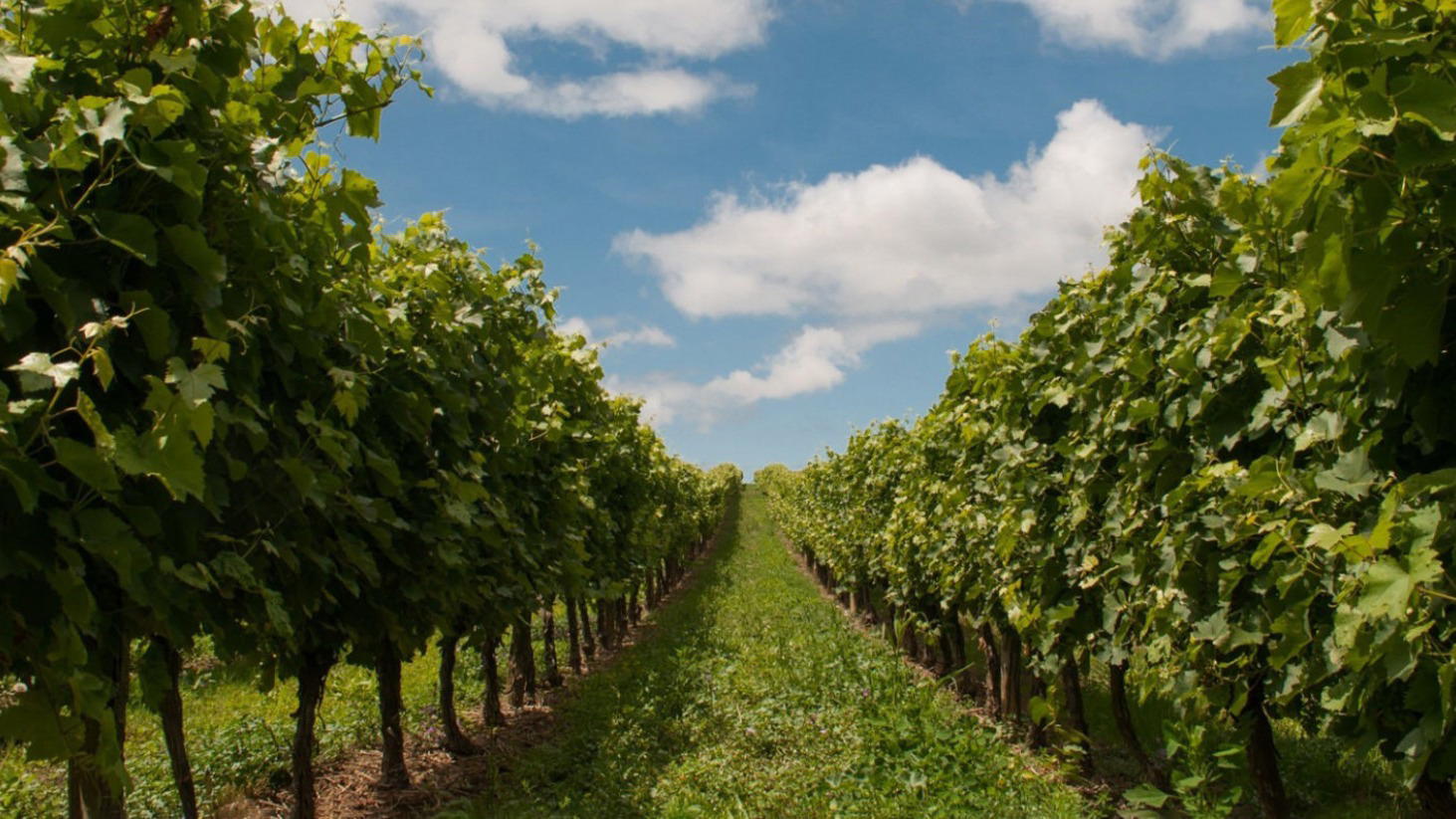
Cavaillon sits in the Durance valley at the western edge of the Luberon, and the town's identity has been shaped for centuries by its position as one of southern France's primary market-gardening zones. The Wednesday and Saturday morning markets here are not tourist attractions in the conventional sense: they are working supply chains for the region's kitchens, stocked by farms whose names appear in no press release but whose output moves through professional kitchens across the Vaucluse. To eat well in Cavaillon is, almost by definition, to eat close to the source. The distance from field to plate that restaurants elsewhere construct as a selling point is here simply a geographical fact.
Relais des Saveurs occupies a position on Avenue de Verdun that places it firmly within the town's everyday fabric rather than at a remove from it. That address matters more than it might seem. French provincial dining at its most credible tends to operate from within neighbourhoods rather than above them, and Cavaillon's restaurant culture reflects a practical relationship with food that the grandest venues in Alléno Paris au Pavillon Ledoyen or Mirazur in Menton can reference but not replicate. The ingredient advantage is structural here, not curated.
The Sourcing Reality Behind Provençal Cooking
Understanding what makes a restaurant in Cavaillon meaningful requires understanding what Cavaillon itself produces. The town is France's acknowledged melon capital, a designation that predates modern food marketing by several centuries. The Cavaillon melon, typically a Charentais variety, reaches its peak ripeness in July and August and at that point is considered among the more flavour-concentrated fruits grown anywhere in France. Alexandre Dumas reportedly valued them so highly that he negotiated a supply arrangement with the town's library in exchange for copies of his complete works. The episode, documented in local archives, captures something about the seriousness with which the region's produce has historically been regarded.
But melons are only the headline. The Durance valley's combination of alluvial soils, consistent sun, and reliable irrigation has made it productive ground for asparagus, tomatoes, courgettes, and stone fruits across an extended growing season. Restaurants working within this geography don't need to construct a sourcing philosophy: the market infrastructure already exists, and the discipline comes from using what is available at its correct moment rather than engineering menus around fixed dishes.
This is where the Provençal tradition diverges from the import-heavy kitchens found at properties like Flocons de Sel in Megève or the more controlled environments of haute cuisine houses such as Troisgros in Ouches. Those kitchens operate by imposing creative order on sourced ingredients; the better kitchens in towns like Cavaillon tend to follow the ingredient rather than lead it. For the reader considering a stop in the Luberon corridor, that distinction is worth holding onto when evaluating what kind of meal to expect.
Cavaillon in the Context of Provençal Dining
The Vaucluse and the broader Provence-Alpes-Côte d'Azur region support a dining culture that runs from three-Michelin-star properties down through bistros where the blackboard changes daily and the wine list runs to one page. L'Oustau de Baumanière in Les Baux anchors stronger examples from that range in the southern Alpilles, about forty kilometres southwest, and draws international visitors for its combination of landscape, heritage, and cooking. Cavaillon operates at a different register: less destination in itself, more a town where serious eating happens in parallel with ordinary life.
That character places it alongside towns such as Apt, Carpentras, and Isle-sur-la-Sorgue in the category of Luberon-adjacent markets towns where food quality is maintained by local demand rather than tourist expectation. Restaurants here answer to regulars before they answer to reviews. Compare this with the more high-profile coastal and alpine venues listed in our full Cavaillon restaurants guide, and the distinction in dining register becomes clear.
For context on how ingredient-led cooking translates at the highest French levels, the work at Bras in Laguiole and Auberge du Vieux Puits in Fontjoncouse demonstrates how deep sourcing commitment can drive a restaurant's entire identity in provincial France. Both operate from remote positions relative to major population centres, yet both maintain international reputations built on the specificity of their local ingredients. Cavaillon's advantage is that its ingredient base is more diverse than either of those locations, even if the town itself has not generated the same critical attention.
Farm-to-Table as Geography, Not Branding
The phrase farm-to-table arrived in restaurant marketing sometime in the 2000s and has since become so widely used as to lose most of its informational content. In the Durance valley, the concept predates the phrase by generations. Provençal cooking as a tradition was built on the principle that good olive oil, fresh herbs, ripe tomatoes, and whatever the market offered that morning were sufficient foundations for serious food. The elaboration happened in technique and seasoning, not in ingredient sourcing, because sourcing was never the challenge.
Venues like L'Envol in Cavaillon represent the contemporary version of this tradition, applying considered technique to the same raw material advantage. What connects them to a wider conversation about French regional cooking is the shared premise that quality starts before the kitchen. This is a different argument from the one made by Christopher Coutanceau in La Rochelle, where the sourcing story is about marine ecology and seasonal restriction, or by AM par Alexandre Mazzia in Marseille, where the sourcing is subordinate to an intensely personal creative language. In Cavaillon, the land speaks first.
Planning a Visit
Cavaillon is accessible by TGV from Paris Gare de Lyon via Avignon TGV station, with a short onward transfer by regional train or car. The Luberon area is most productively visited between April and October, with July and August representing peak produce season, particularly for melons and stone fruits. Visitors combining Cavaillon with wider Provence itineraries will find it a logical stop between Avignon to the north and Aix-en-Provence or the Alpilles to the south. Avenue de Verdun runs through the town centre and is direct to reach on foot from the central market area. For venues at the higher end of the French spectrum, the comparison set extends to properties like Auberge de l'Ill in Illhaeusern, Paul Bocuse in Collonges-au-Mont-d'Or, and Assiette Champenoise in Reims, though those operate in a distinctly different register from Cavaillon's more grounded provincial style.
How It Stacks Up
Comparable venues nearby, for context on price, style, and recognition.
| Venue | Cuisine | Price | Awards | Notes |
|---|---|---|---|---|
| Relais des SaveursThis venue — the venue you are viewing | Provencal French Seafood | $$ | Not listed | Not listed |
| L'Envol | French Seasonal Bistro | $$$ | Michelin Plate | centre ville |
| L'Atelier Du Jardin | Traditional Provençal Bistro | $$ | Not listed | L'Isle-sur-la-Sorgue |
| L Autruche | Modern Southern French Market Bistro | $$ | Not listed | Historic Center |
| La Tomate Verte | French Bistro with Provençal Influences | $$ | Not listed | Centre Ville |
| Bistrot des Arènes | Traditional French Lyonnais Bistro | $$ | Not listed | Near the Arènes (Arena) |
Continue exploring
More in Cavaillon
Restaurants in Cavaillon
Browse all →
Bars in Cavaillon
Browse all →
Hotels in Cavaillon
Browse all →
At a Glance
- Cozy
- Elegant
- Intimate
- Rustic
- Date Night
- Special Occasion
- Family
- Open Kitchen
- Local Sourcing
Current opening hours
- Monday
- Closed
- Tuesday
- 12–2 PM
- Wednesday
- 12–2 PM
- Thursday
- 12–2 PM, 7:15–9:45 PM
- Friday
- 12–2 PM, 7:15–9:45 PM
- Saturday
- 12–2 PM, 7:15–9:45 PM
- Sunday
- Closed
Hours can change for holidays and private events. Last verified .
Chaleureux et cosy avec cadre hyper sympa, ambiance chic et accueillante.