

Michelin Plate · Star Wine List
Our verdict
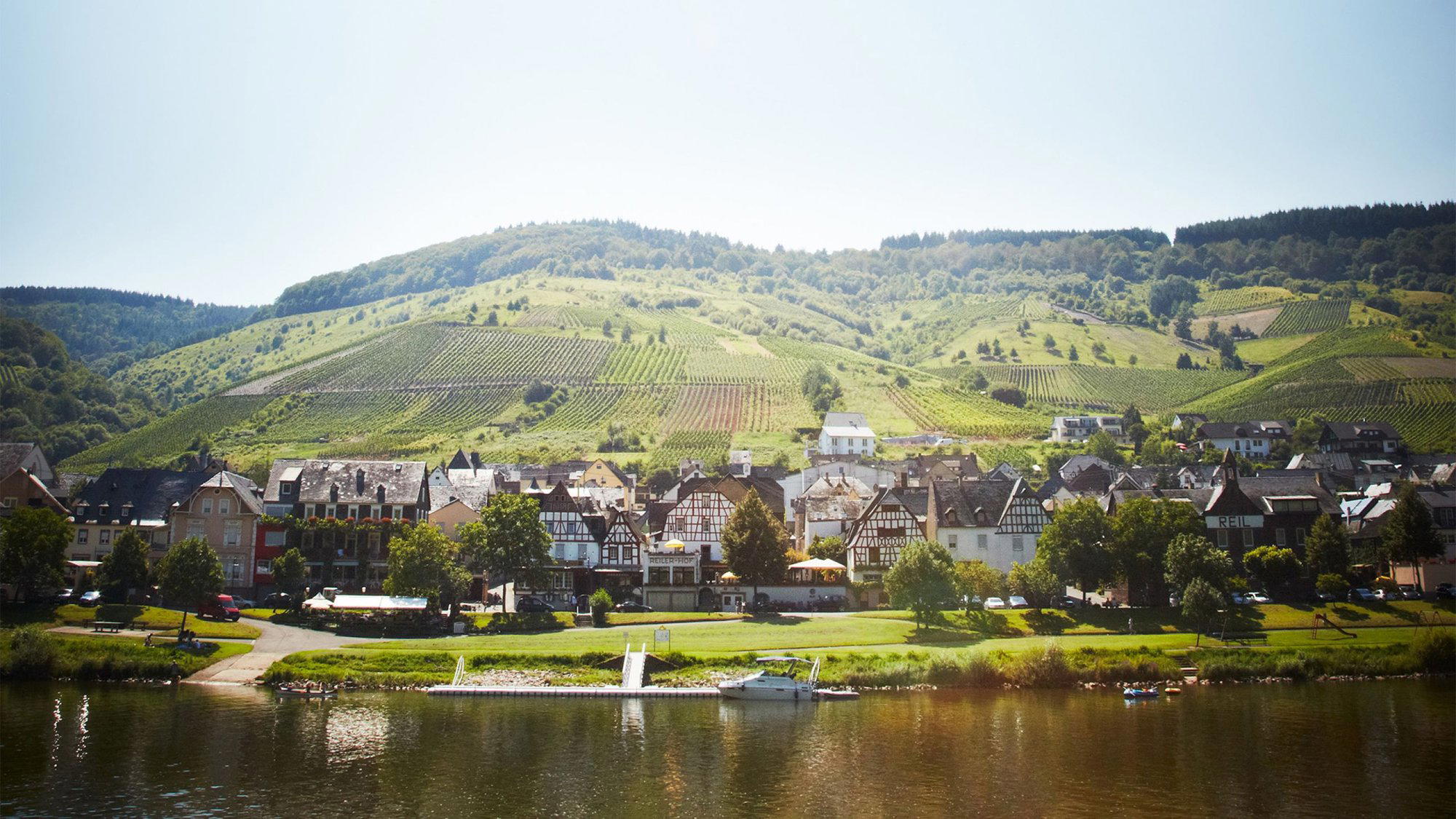
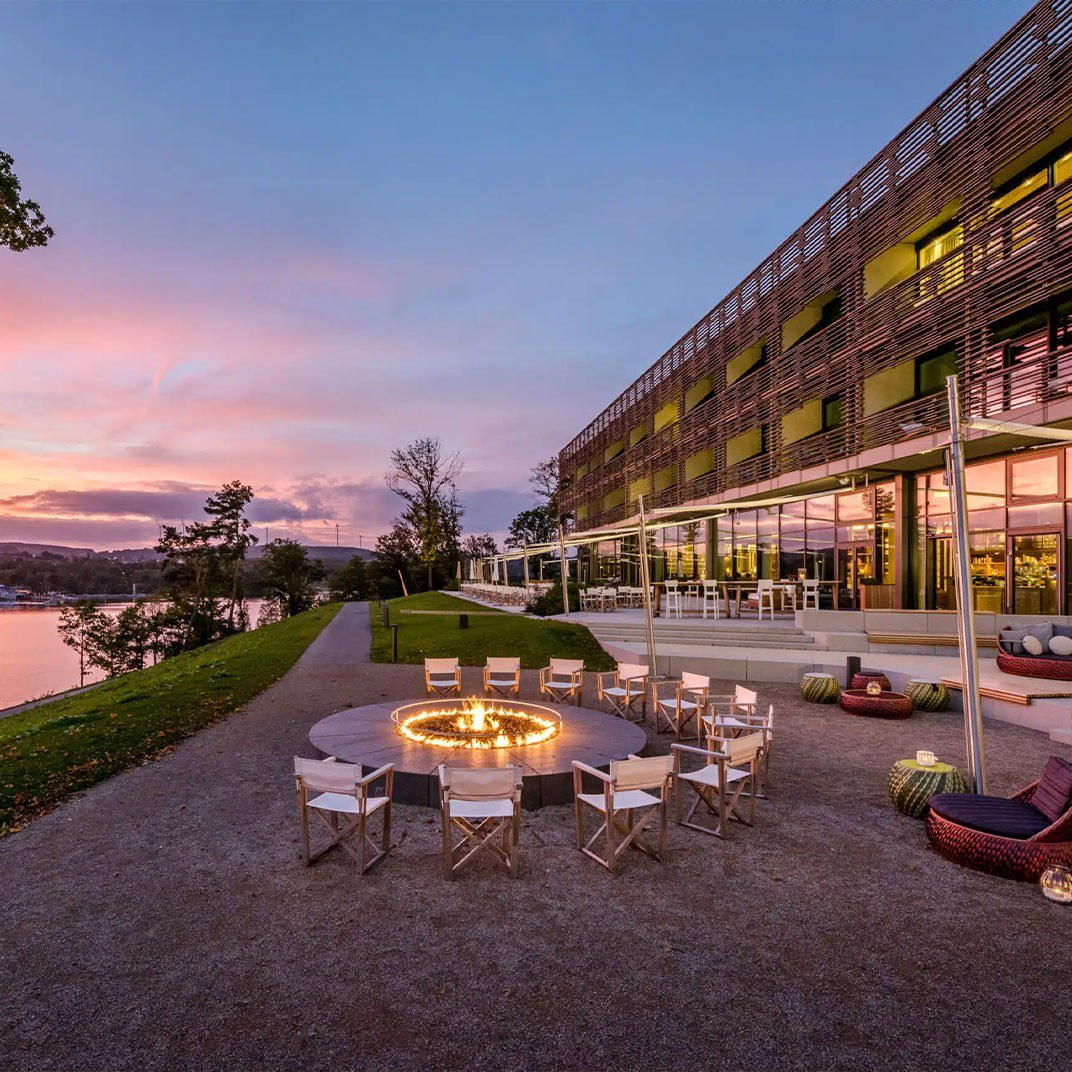
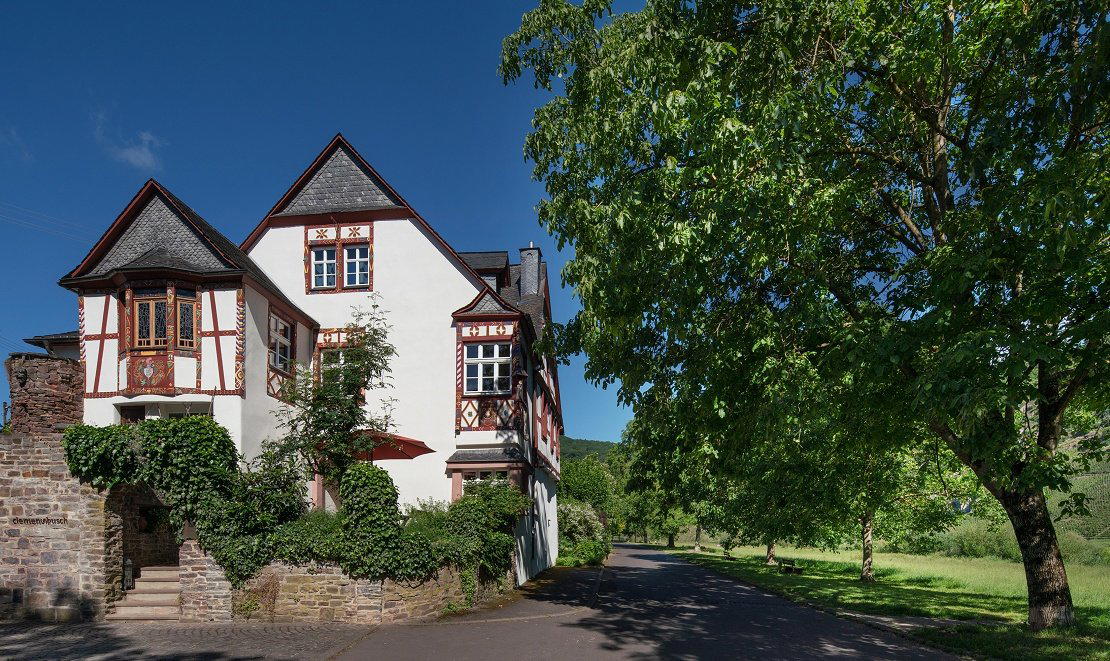
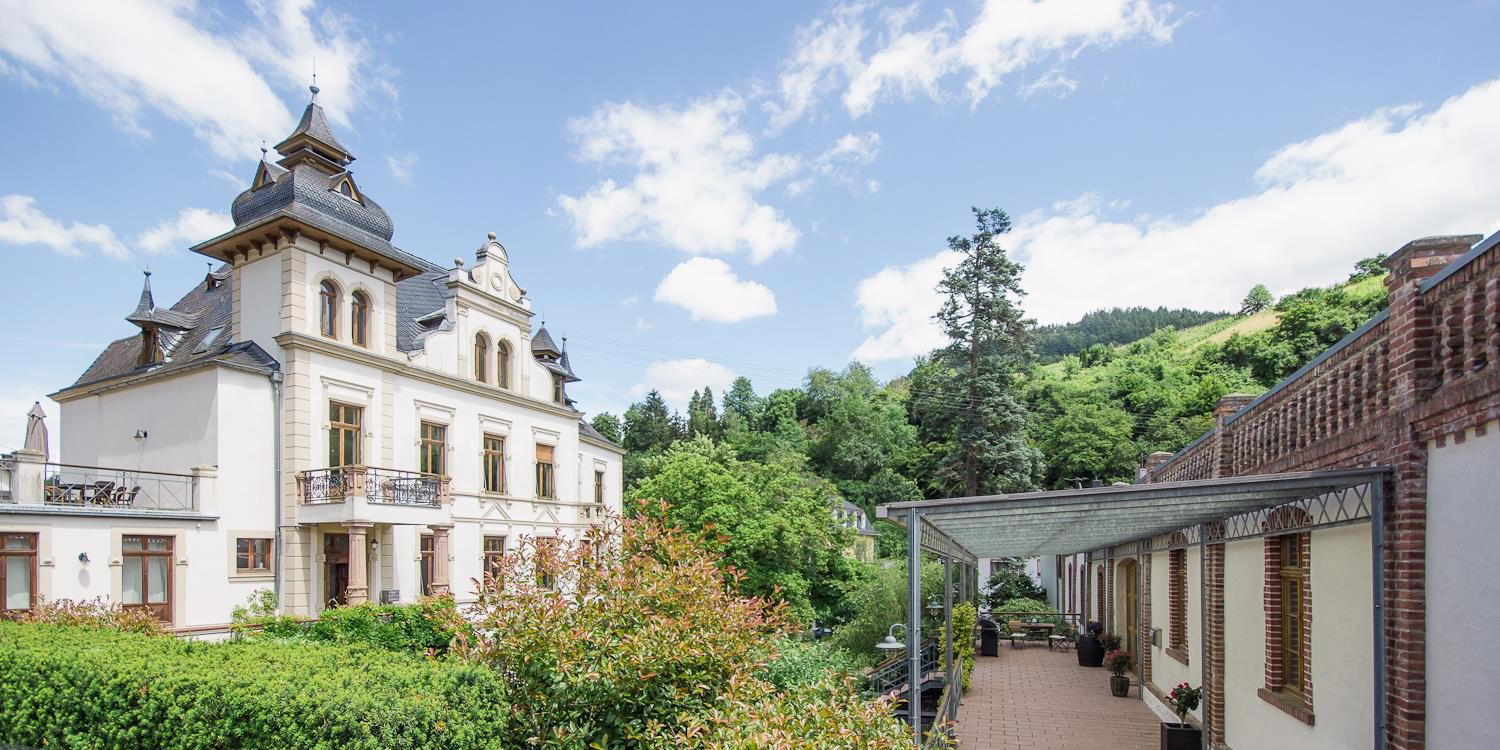
A classic family hotel on the Mosel's tree-lined riverfront in Reil, Reiler Hof and its restaurant Heim's occupy a stretch of middle Mosel where the vineyards run almost to the water's edge. The large terrace facing the river positions it squarely in the regional tradition of wine-anchored hospitality, where what's grown nearby defines what arrives at the table.

Pearl is the En Primeur Club membership app, where members save venues, book tables and use the concierge.
The menu
What to order
- Gänseleberterrine mit Ananas
- Hechtklößchen mit Garnele
- Landei gebacken mit Cremespinat
Reil and the Middle Mosel Table
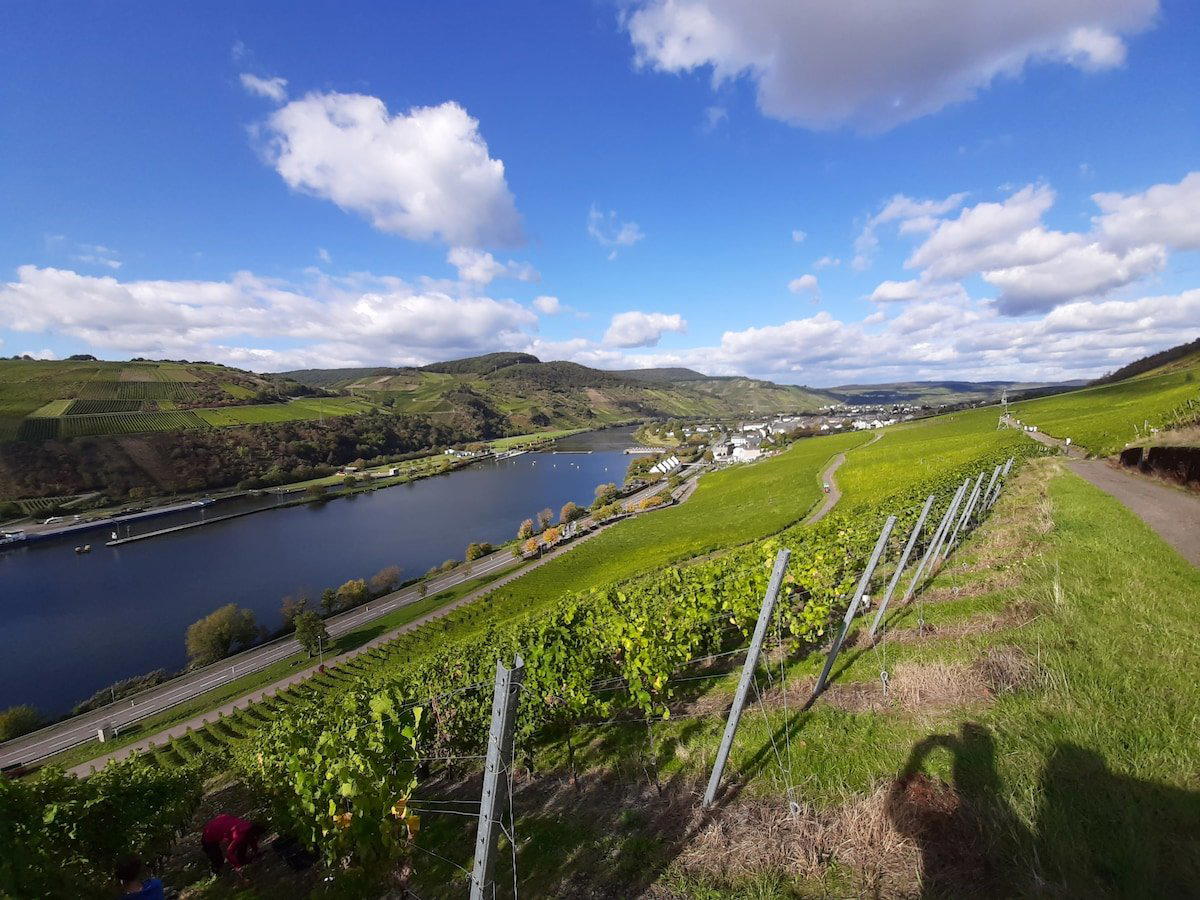
The middle Mosel moves at its own pace. Between Zell and Bernkastel-Kues, the river bends sharply enough that vineyards shift from morning to afternoon sun within a few hundred metres, and the villages along its banks have organised their hospitality around that fact for generations. Reil sits in this stretch, a small settlement where the main street runs parallel to the water and the Riesling slate slopes rise immediately behind the rooftops. Eating here is inseparable from that geography: the region's cooking tradition has always drawn from what the river valley produces, supplemented by what the forests and farms of the Eifel and Hunsrück supply from the ridgelines above. The hotel and its restaurant Heim's face the river from a terrace shaded by trees along the main street, a format common to the most established Mosel guesthouses, where the outdoor dining experience is timed to the evening light on the water rather than engineered for effect. In a region where family-run properties have anchored village hospitality since the postwar wine boom, Reiler Hof belongs to a cohort that prioritises continuity over reinvention.
What the Valley Puts on the Plate
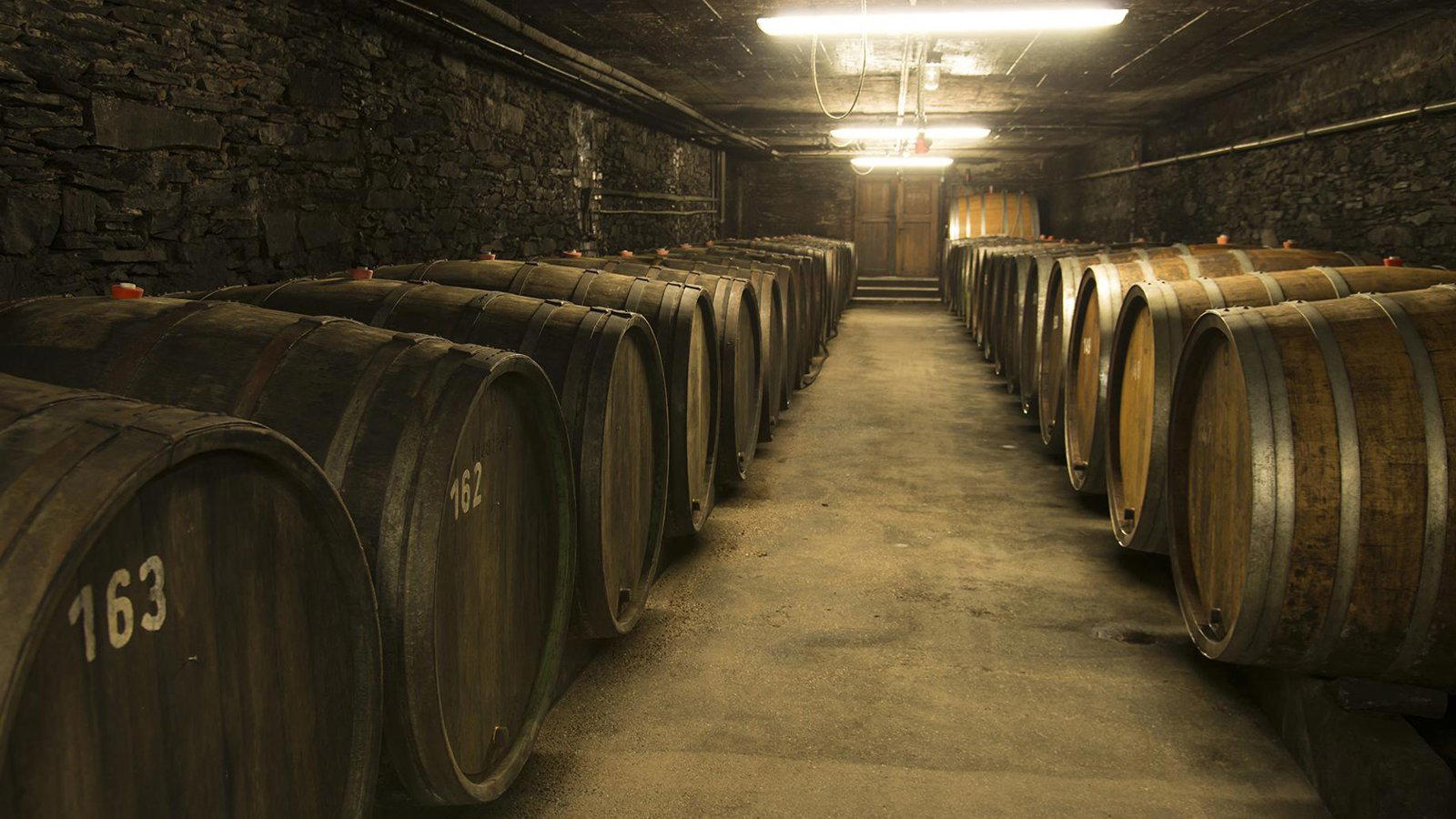
The editorial angle worth holding onto when assessing any middle Mosel kitchen is provenance. This is not an abstract virtue here; it is a structural feature of how the region's restaurants have always operated. The Mosel and its tributaries, the Saar and Ruwer, define a corridor where market gardens, river fish, and the vine have coexisted as the primary food sources for centuries. Kitchens in this range of the valley have historically relied on Moselzander (pike-perch from the river), local lamb from the Eifel plateau, wild mushrooms from the Hunsrück forest floors, and the fermenting culture that comes with living inside a wine region. None of that requires a supply chain beyond the surrounding hills.
Heim's, as the restaurant component of Reiler Hof, operates within this framework. The service style noted in the property's record is described as friendly, which in a Mosel context signals the informal hospitality register that characterises village gasthouses rather than the formal theatre of tasting-menu destinations. Germany's high-end dining tier, represented by operations like Schanz in Piesport just upriver or Waldhotel Sonnora in Dreis to the north, occupies a very different register. Those properties draw diners from Frankfurt and Cologne willing to plan a trip specifically around the table. Reiler Hof draws the traveller who is already in the valley, whose primary purpose is the river and the vineyards, and who wants a meal that reflects where they are rather than where a chef trained.
That distinction matters. The broader German fine-dining scene, which includes operations like Aqua in Wolfsburg, Schwarzwaldstube in Baiersbronn, and Vendôme in Bergisch Gladbach, competes at a technical and conceptual level that bears almost no relation to what a family hotel terrace restaurant on the middle Mosel is designed to do. Comparing them is a category error. The relevant comparison for Reiler Hof is the network of Weingüter and Gasthäuser that line the river from Koblenz to Trier, where the quality signal is freshness, local sourcing, and a wine list drawn from producers within cycling distance.
The Terrace and the Setting
The large terrace on the tree-lined main street is the feature most worth understanding in physical terms. In the middle Mosel, terraced riverside dining follows a seasonal logic: from late spring through early autumn, the outdoor table is where the meal actually happens, and the interior functions more as a transitional space. The elevation of the Mosel valley means evenings cool quickly even in midsummer, which tends to concentrate terrace dining in the earlier evening hours when the light on the opposite bank is still active. A riverside terrace at this latitude and altitude is a time-specific proposition.
Reil itself offers direct access to the Mosel Wine Route cycling path, which runs the length of the valley and passes directly through the village. Many guests who eat at Heim's arrive by bicycle or on foot from the surrounding vineyards, which reinforces the casual register and the expectation of regional, produce-led food rather than elaborate constructed cuisine. For those travelling by car, Reil is approximately 20 kilometres from Cochem and around 35 kilometres from Bernkastel-Kues, both of which are established bases for middle Mosel exploration. For broader context on what else the area offers, see our full Reil restaurants guide, our full Reil hotels guide, and our full Reil wineries guide.
The Middle Mosel in a Wider Context
Germany's serious restaurant scene has shifted considerably in recent years toward urban creative formats. CODA Dessert Dining in Berlin and JAN in Munich represent a generation of high-concept urban kitchens that draw international critical attention. Restaurant Haerlin in Hamburg, ES:SENZ in Grassau, and Victor's Fine Dining by Christian Bau in Perl add regional depth to that picture. None of this diminishes the role of the family hotel kitchen in a wine village; it simply clarifies that the roles are different. The Mosel's gravitational pull for international visitors is the wine first, the landscape second, and the food third, which means kitchens like Heim's are serving a traveller with specific expectations about locality and simplicity. For those interested in exploring further afield, Bagatelle in Trier represents the closest urban alternative, and the city of Trier is under an hour's drive from Reil. For those whose travels extend beyond Germany's borders, the contrast with a fish-focused institution like Le Bernardin in New York City or a regionally rooted American operation like Emeril's in New Orleans underscores how differently river-valley hospitality traditions develop across geographies.
The bars and experiences infrastructure of a village like Reil is naturally limited, but the Mosel Wine Route provides its own framework for exploration. Our full Reil bars guide and our full Reil experiences guide map what the village and immediate surroundings offer beyond the table. As a family hotel with a river-facing terrace restaurant, it fits leading into a middle Mosel itinerary planned around the late spring to early autumn window, when the terrace operates at its full capacity and the valley's produce calendar aligns with what regional kitchens can source. Given the property's scale and village setting, advance booking for the terrace during peak summer weekends is prudent.
Frequently asked questions
Is Reiler Hof okay with children?
A family hotel with a large river-facing terrace on Reil's main street is a practical fit for families. The outdoor setting at Moselstraße 27 gives children space, and the relaxed register of Reil's dining scene removes any pressure around formality.
Is Reiler Hof formal or casual?
Casual. Heim's restaurant operates within the unhurried rhythm of middle Mosel village dining, well outside the formal tier occupied by Germany's urban destination restaurants. Come as you would for a long lunch on a river terrace, not a tasting menu evening.
What distinctions does Reiler Hof have?
Reiler Hof has received recognition including: This classic family hotel is located in the town of Reil in middle Mosel. Reiler Hof and its restaurant Heim's offer a large terrace on the tree-lined main street facing the river. The service is frie....
What do regulars order at Reiler Hof?
Regional Riesling from nearby slate-slope vineyards is the natural pairing at any table on this stretch of river.
Comparison Snapshot
Comparable venues nearby, for context on price, style, and recognition.
| Venue | Cuisine | Price | Awards | Notes |
|---|---|---|---|---|
| Reiler HofThis venue (the venue you are viewing) | Modern German Mosel Cuisine | $30–50 | Michelin Plate · Star Wine List | Not listed |
| Eurener Hof | German and European | $20–30 | Not listed | Euren |
| Marcels | Modern German Bistro | Not listed | Not listed | Kürenz |
| Haus Töller | Traditional Rhenish German Brewery Pub | $20–30 | Not listed | Altstadt/Süd |
| Restaurant 3 Giebelhaus | German Grill in Historic Setting | $10–20 | Not listed | Hennef (Sieg) |
| Lorsbacher Thal | Traditional Hessian Apfelwein Tavern | $20–30 | Not listed | Roemerberg |
Recognition history
Dated appearances from independent guides and award organizations, with the underlying list record or original source where available.
Michelin Plate
Michelin
Star Wine List
Star Wine List
Continue exploring
More in Reil
Restaurants in Reil
All restaurants in Reil →
Hotels in Reil
Browse all →
Details
- Rustic
- Cozy
- Classic
- Scenic
- Date Night
- Family
- Special Occasion
- Terrace
- Historic Building
- Waterfront
- Extensive Wine List
- Local Sourcing
- Waterfront
- Vineyard
- A La Carte
- Tasting Menu
- Wine
- Vegetarian Friendly
- Gluten Free Options
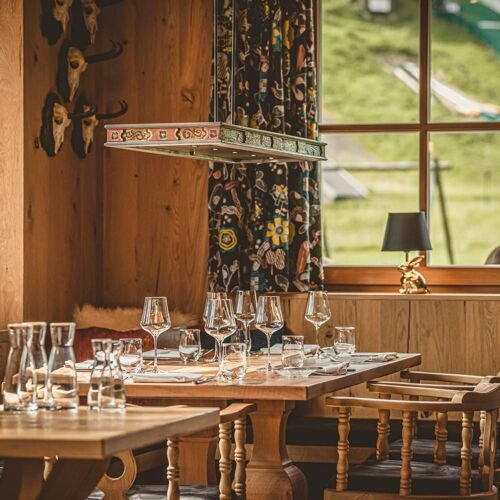
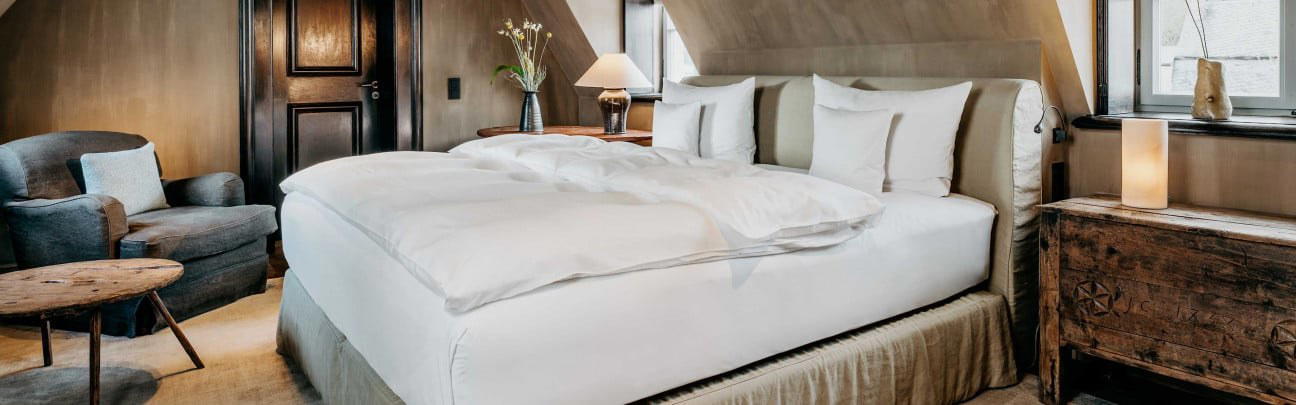
Warm, stylish historic interior with wood panels, plush carpet, white linen, and terrace overlooking the Mosel for a tranquil, elegant atmosphere.