
Falstaff Winery - 2 Stars
Bischöfliche Weingüter Trier is a historic Mosel estate in Trier, shaped by ecclesiastical ownership, Riesling, and deep underground cellars with Roman-era brick vaulting. Its scale matters: around 130 hectares across Mosel, Saar, and Ruwer, with a portfolio anchored in Riesling and a cellar-tour format that turns terroir into something architectural as well as agricultural.

Pearl is the En Primeur Club membership app, where members save venues, book tables and use the concierge.
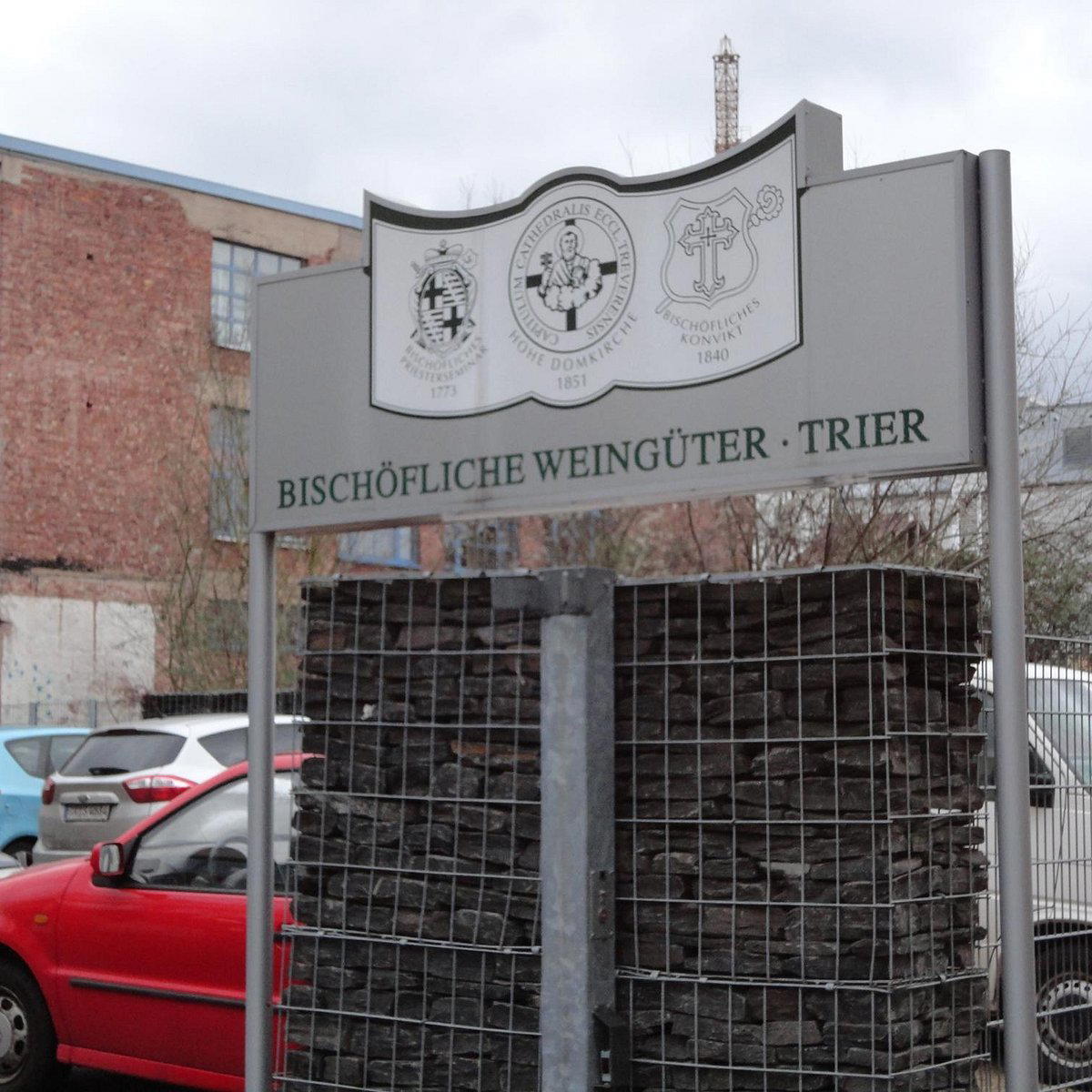
The most reliable way to describe Bischöfliche Weingüter Trier is through its setting rather than through a detailed service promise. The picture is a historic, cellar-focused venue in Trier, centered on vast underground vaulted brick cellars that date back to Roman times. Its appeal is architectural and atmospheric: brick, depth, cool cellar associations, and a strong sense of traditional Mosel wine culture.
For a premium guide, that distinction matters. Many venue pages are built around menus, chef names, tasting formats, opening schedules, exact vineyard holdings, or awards. What can be said with confidence is narrower but still meaningful: Bischöfliche Weingüter Trier offers a quietly educational, contemplative environment in which the history of Trier and the culture of Mosel wine feel closely connected.
Historic cellars and Mosel wine culture
The defining feature is the cellar atmosphere. Bischöfliche Weingüter Trier is not best framed as a conventional restaurant listing or as a page driven by cuisine. The grounded information points instead to a place where the physical environment carries the experience: underground vaulted brick cellars, a historic mood, and a connection to Roman-era Trier.
That makes the venue especially relevant for travelers who are interested in wine culture as part of a city’s built history. The Mosel is often discussed through vineyards, river slopes, and bottles, but here the emphasis is on storage, maturation, architecture, and continuity. The cellars give the subject a spatial dimension. Visitors are not simply reading about wine heritage; they are encountering a setting shaped by the long historical relationship between Trier and Mosel wine.
The atmosphere is also described as contemplative. That is an important cue for expectations. This is not a venue to describe with loud nightlife language, elaborate culinary claims, or unsupported promises about specific programs. The grounded appeal is quieter: a historic cellar environment, a traditional regional wine identity, and a sense of depth beneath the city.
The confirmed price indicator is $$. Beyond that, the available facts do not verify a menu, individual dishes, tour schedule, tasting structure, opening hours, seating count, ownership details, awards, or exact service format. A careful listing should therefore avoid implying that any of those specifics are established. If planning a visit, confirm practical details directly with the venue rather than relying on assumptions.
This also means Bischöfliche Weingüter Trier should not be positioned around claims about particular grape varieties, vineyard names, production scale, named staff, sustainability certifications, languages offered, or reservation rules. The editorially safe reading is simpler: a historic Trier wine venue with Roman-era vaulted brick cellars and a cellar-led atmosphere rooted in Mosel tradition.
That narrower framing is still useful. Some venues are valuable because of precise cooking, rare bottles, or documented accolades. Others are valuable because the room itself explains something about place. Bischöfliche Weingüter Trier belongs in the latter category on the record: its cellars, history, and contemplative character are the reasons to pay attention.
Who should choose this over a more conventional stop
Choose Bischöfliche Weingüter Trier if the goal is to experience a historic cellar environment in Trier rather than to chase a fully documented restaurant-style offering. It suits travelers who respond to architecture, regional wine heritage, and quiet context. The setting is the substance: vaulted brick cellars, Roman-era depth, and a traditional Mosel frame.
It may be less useful for readers who need confirmed information about a full meal, dietary accommodations, delivery, takeout, specific tasting flights, guided visit length, or formal awards. None of those details are here. The best expectation is therefore measured: come for a historic, cellar-focused atmosphere and the cultural connection to Mosel wine, while checking all operational details before making firm plans.
Within Trier, Bischöfliche Weingüter Trier stands as a distinctive historic wine address rather than a generic hospitality stop. Its strengths are not breadth of amenities or named accolades, but place, texture, and continuity. For visitors building a Trier itinerary, it can provide a grounded sense of how wine culture and urban history meet below the surface of the city.
Recognition history
Dated appearances from independent guides and award organizations, with the underlying list record or original source where available.
Falstaff Winery - 2 Stars
Falstaff
Continue exploring
More in Trier
Wineries in Trier
All wineries in Trier →
Restaurants in Trier
All restaurants in Trier →
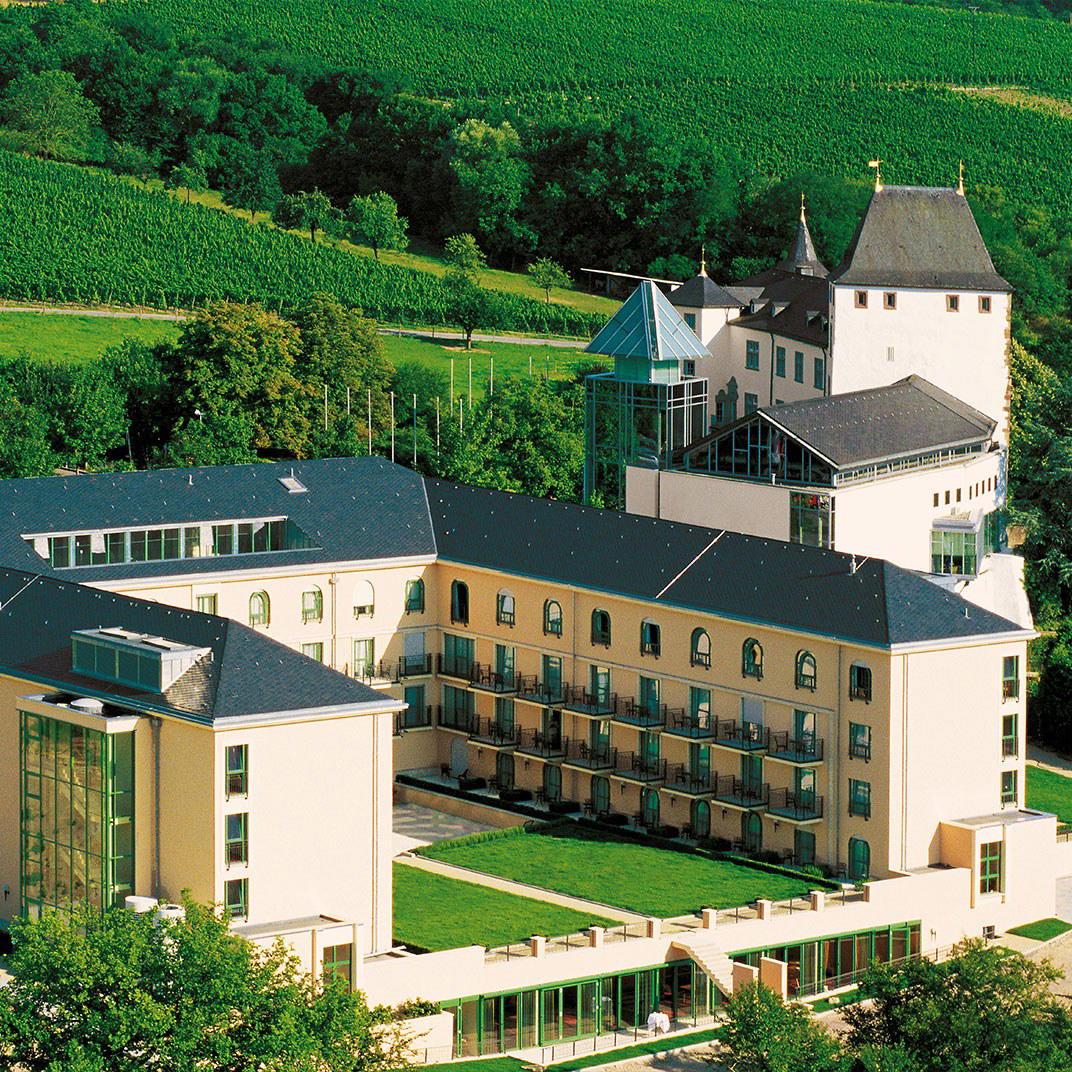
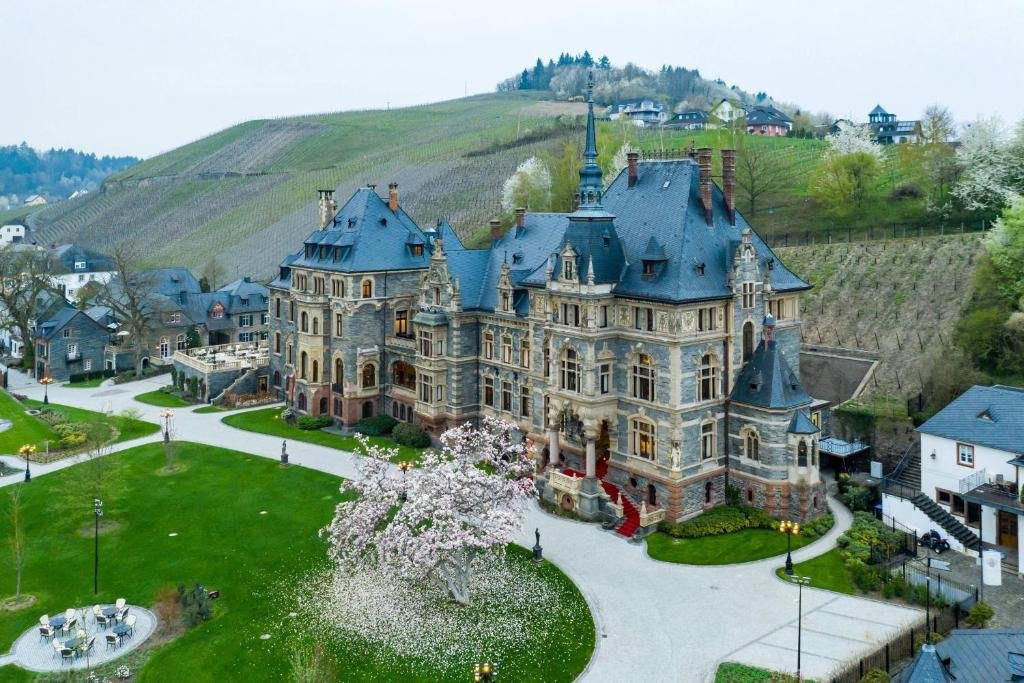
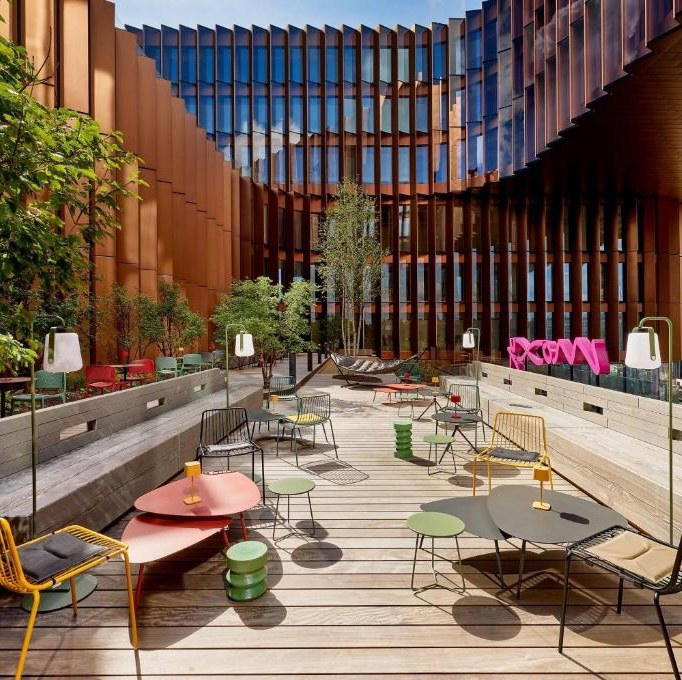
Details
- Classic
- Scenic
- Well Known
- Sophisticated
- Wine Education
- Group Outing
- Solo Exploration
- Special Occasion
- Cave Tasting
- Barrel Room
- Historic Building
- Sustainable
- Vineyard
- Waterfront
- Riesling
- Still White
- Sparkling
- Dessert
- Guided Cellar Tour With Tasting
- Standard Tasting Flight
- Special Event Tastings
- German
- English
Current opening hours
- Monday
- 9 AM–6 PM
- Tuesday
- 9 AM–6 PM
- Wednesday
- 9 AM–6 PM
- Thursday
- 9 AM–6 PM
- Friday
- 9 AM–6 PM
- Saturday
- 10 AM–2 PM
- Sunday
- Closed
Hours can change for holidays and private events. Hours as of .
Historic, cellar-focused atmosphere centered on vast underground vaulted brick cellars dating back to Roman times, combining traditional Mosel wine culture with a quietly educational, contemplative feel in the heart of Trier’s old town.