Red Hot Wok
Red Hot Wok occupies a strip-mall address on East Estates Drive in Cupertino, placing it squarely inside Silicon Valley's dense corridor of Chinese and pan-Asian dining. The name signals a cooking philosophy built around high-heat technique, situating it within a category where wok breath and timing separate the credible from the merely adequate. For the Cupertino diner working through the area's considerable options, it represents a straightforward entry point into that tradition.
Pearl is the En Primeur Club membership app — saves, bookings, and concierge access live there. Same editors, same standards.
- Address
- 10074 E Estates Dr, Cupertino, CA 95014
- Phone
- (408) 996-2999
- Website
- redhotwokcupertino.com
- Directions
- Get directions
 Saves & bookings on Pearl
Wok Heat and the Logic of the Menu
Cupertino's dining strip along De Anza Boulevard and its residential side streets has spent the last two decades becoming one of the Bay Area's more concentrated zones for Chinese regional cooking. The demographic shift driven by Silicon Valley's tech workforce brought not just demand for Chinese food but familiarity with specific regional traditions: Sichuan mala, Cantonese roast meats, Shanghainese red-braised dishes, Taiwanese small plates. Red Hot Wok, addressed at 10074 E Estates Drive, operates inside this context. The name alone carries a structural promise: wok cooking, high heat, the kind of technically demanding preparation that separates a kitchen running on gas pressure from one going through the motions. Whether the kitchen delivers on that promise is the operative question for any first visit.
In Chinese-American dining broadly, "wok" restaurants occupy a specific tier. They are not the slow-braised, clay-pot-centred operations where time is the primary tool, nor are they the dim sum houses where production volume and dough technique define the kitchen's identity. Wok cooking requires heat that most home kitchens cannot replicate and a pace that demands experienced hands. A menu built around this technique tends to be organised around stir-fries, quick-seared proteins, and vegetable dishes where texture retention signals the cook's control over flame and timing. When you read a menu through this lens, the architecture tells you something before the food arrives: which dishes lead, which are secondary, and where the kitchen is likely to be most confident.
Where Red Hot Wok Sits in Cupertino's Chinese Dining Tier
Cupertino's Chinese dining options span a wide range of formats and price points. At one end sit the regional specialists drawing weekend traffic from across the South Bay. At the other are the neighbourhood regulars: accessible, consistent, priced for frequency rather than occasion. Red Hot Wok's strip-mall position on East Estates Drive places it geographically and conceptually in the latter category. This is not a criticism. The neighbourhood regular serves a function that the destination restaurant does not: it absorbs the weeknight dinner without ceremony, holds regulars through repetition and reliability, and prices itself for return visits rather than single-occasion spending.
For context within the Cupertino dining set, consider the spread. Happy Lamb Hot Pot, Cupertino anchors the hot pot format, a communal, long-session dining mode with a different menu logic entirely. Gochi Cupertino and Gochi Japanese Fusion Tapas occupy the Japanese small-plates register. Curry Pizza House Cupertino and La Pizzeria Cupertino represent the area's South Asian-Italian crossover tier. Red Hot Wok draws from a different lineage entirely, one where the cooking method rather than the regional origin defines the menu's organising principle.
This is also where the comparison with destination-tier American dining becomes instructive, not because Red Hot Wok competes with those rooms, but because the contrast clarifies what kind of restaurant it is. Places like Lazy Bear in San Francisco or Single Thread Farm in Healdsburg operate inside a framework where every element of the evening is designed as a singular arc. Red Hot Wok operates in the opposite register: a la carte ordering, no narrative arc, just technique and repetition serving regulars who already know what they want. There is integrity in that model, even if it carries no Michelin traction or 50 Best placement. The same contrast applies when you pull further out to rooms like The French Laundry in Napa, Alinea in Chicago, or Le Bernardin in New York City: those are structured experiences built around singular chef visions. A wok house on a Cupertino side street serves an entirely different social contract.
Reading the Menu Before You Order
The editorial angle that matters most for a wok-centred restaurant is menu architecture: what the kitchen leads with, what it treats as supporting material, and where the technique is most visible. In most such operations, the stir-fried beef, pork, and vegetable dishes carry the clearest signal of the kitchen's confidence. These are the dishes where wok hei, the smoky, slightly charred breath that comes from correctly intense heat, either registers or it doesn't. A dish served at the right temperature, with proteins that have sear without toughness and vegetables that retain snap, tells you the kitchen is running at proper heat. A dish that arrives steamed-looking in its own liquid tells you otherwise.
Secondary menu signals come from the soup and noodle sections, where timing and stock quality carry the argument. Rice-based dishes and combination plates tend to be lower-margin indicators of kitchen ambition; they exist to serve the diner who wants a complete, efficient meal rather than to demonstrate technique. A reader approaching Red Hot Wok's menu should organise their order around the stir-fry section first, using the rest of the menu as complement rather than as the primary event.
Cupertino's mid-tier Chinese restaurants generally operate lunch and dinner services through the week, with weekend volumes that can compress wait times noticeably. Planning a visit outside the Friday-Saturday dinner window tends to produce a more considered meal and more attentive service. See our full Cupertino restaurants guide for broader context on timing and neighbourhood patterns.
The Broader Wok Tradition in a Silicon Valley Frame
The wok restaurant as a format has a specific cultural position in cities with large East and Southeast Asian populations. It is the functional workhorse of the everyday meal: adaptable, fast, and built for repeat business rather than occasion dining. In Hong Kong, where the technique reaches its most refined commercial expression, the leading wok houses earn their reputations over decades through consistency rather than innovation. A room like 8½ Otto e Mezzo Bombana in Hong Kong operates in a completely different register within the same city, illustrating how a single food culture can support wildly divergent dining formats simultaneously. Cupertino's version of this split is less dramatic but structurally similar: destination rooms for occasion dining, neighbourhood wok houses for the rest of the calendar.
For a diner building a broader picture of American fine dining alongside Cupertino's local scene, the contrast also extends to rooms like Providence in Los Angeles, Addison in San Diego, Blue Hill at Stone Barns in Tarrytown, Atomix in New York City, Emeril's in New Orleans, and The Inn at Little Washington in Washington. None of those rooms share a format or philosophy with a Cupertino wok house, but mapping where Red Hot Wok sits relative to that tier clarifies the decision a diner is making when they choose it: speed, familiarity, and technique over theatre, narrative, and occasion.
Planning Your Visit
Red Hot Wok is located at 10074 E Estates Drive, Cupertino, CA 95014, accessible from the main De Anza Boulevard corridor. The strip-mall format implies walk-in availability at most service times, but weekend dinner hours in this corridor tend to fill quickly as the local tech workforce converges on a limited number of reliable neighbourhood options. A visit timed to a weekday lunch or early weekday dinner will give you the leading read on the kitchen at its clearest.
How Red Hot Wok Cupertino compares with similar nearby venues.
| Venue | Cuisine | Price |
|---|---|---|
| Beijing Duck House | Chinese | $$ |
Continue exploring
More in Cupertino
Restaurants in Cupertino
Browse all →
Bars in Cupertino
Browse all →

Hotels in Cupertino
Browse all →







At a Glance
- Cozy
- Rustic
- Casual
- Family
- Casual Hangout
- Group Dining
- Beer Program
Current opening hours
- Monday
- Closed
- Tuesday
- 11 AM–2 PM, 5–8:30 PM
- Wednesday
- 11 AM–2 PM, 5–8:30 PM
- Thursday
- 11 AM–2 PM, 5–8:30 PM
- Friday
- 11 AM–2 PM, 5–9 PM
- Saturday
- 11 AM–2 PM, 5–9 PM
- Sunday
- 11 AM–2 PM, 5–8:30 PM
Hours can change for holidays and private events. Last verified .
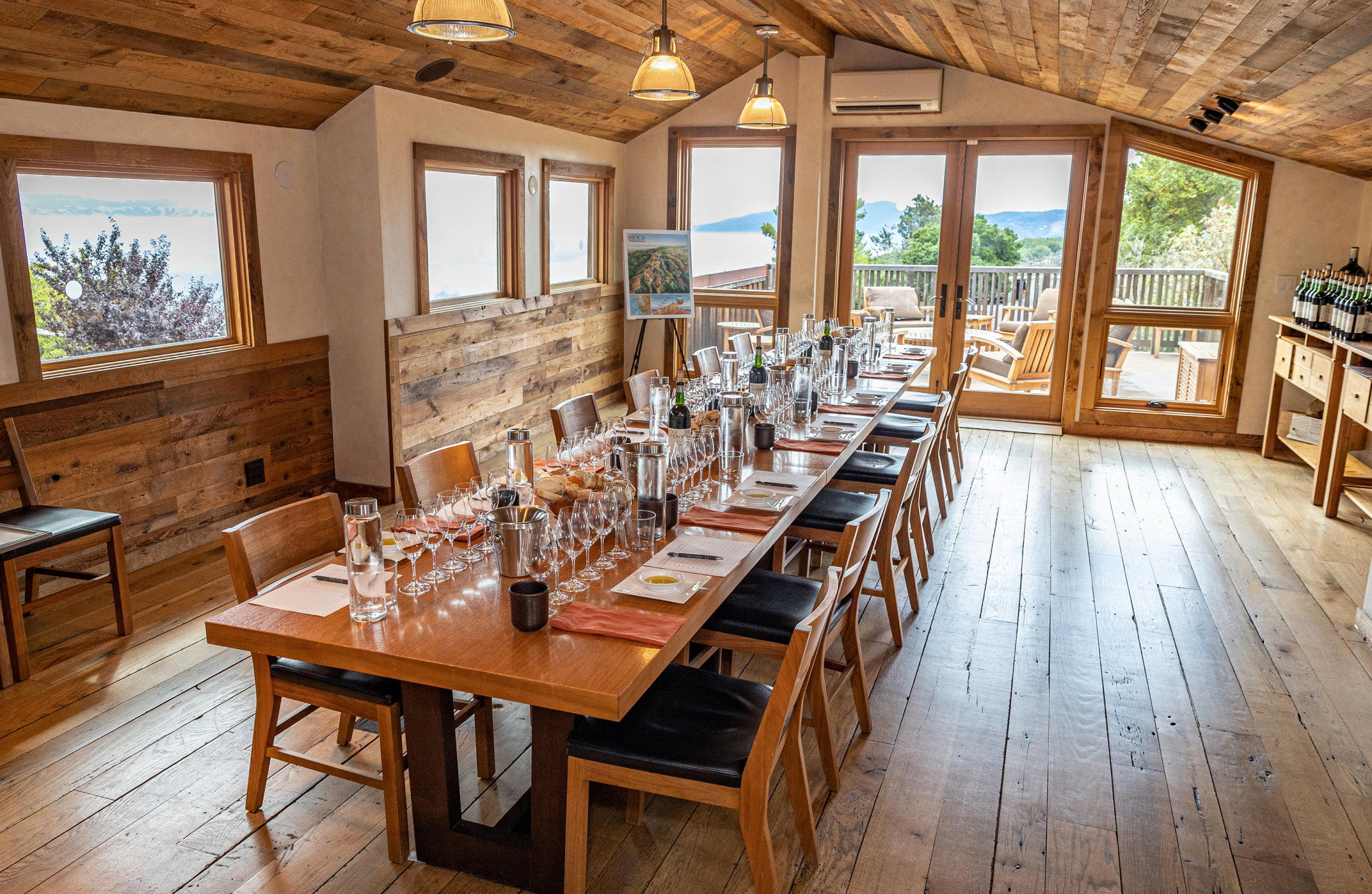
Cozy rustic atmosphere with wooden tables and bench seating, well-suited for hanging out with friends and family.
Know Before You Go
- Getting there
- 10074 E Estates Dr, Cupertino, CA 95014