Gochi Japanese Fusion Tapas
Gochi Japanese Fusion Tapas on Homestead Road sits at the intersection of Japanese izakaya tradition and Silicon Valley's appetite for cross-cultural cooking. The small-plates format encourages a slower, more exploratory pace than a conventional dinner — ordering in rounds, sharing across the table, letting the meal build. It occupies a distinct position in Cupertino's densely competitive dining corridor.
Pearl is the En Primeur Club membership app — saves, bookings, and concierge access live there. Same editors, same standards.
- Address
- 19980 Homestead Rd, Cupertino, CA 95014
- Phone
- (408) 725-0542
- Website
- gochifusiontapas.com
- Directions
- Get directions
 Saves & bookings on Pearl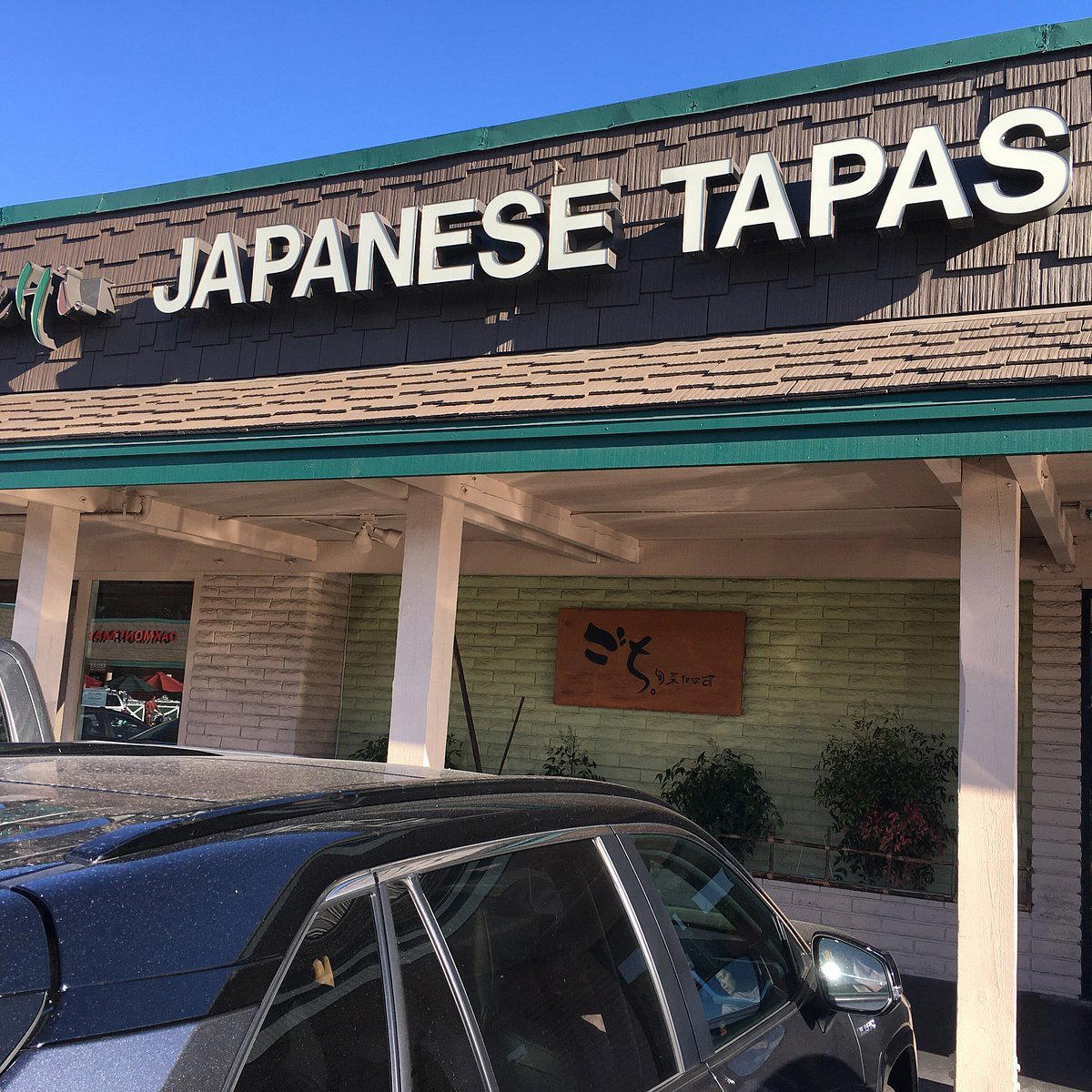
How a Small-Plates Format Changes the Pace of a Meal
There is a particular rhythm to izakaya-style eating that Western tasting menus rarely replicate: the meal arrives in waves you control, conversation shapes the timing, and the table gradually fills rather than resets between courses. Gochi Japanese Fusion Tapas, at 19980 Homestead Rd in Cupertino, operates inside that tradition while applying the broader "fusion tapas" framing that became a serious dining category across the Bay Area in the early 2000s. The format asks something specific of its guests: patience, shared ordering, and a willingness to let the meal develop over time rather than follow a pre-set tasting arc.
Cupertino's dining corridor along Homestead Road has grown into one of the South Bay's more concentrated stretches of pan-Asian and fusion cooking. The tech-industry demographic that defines the city's residential base has historically rewarded exactly this kind of venue: ingredient-driven, mid-to-upscale in register, and suited to group dining where individual preferences diverge. Gochi sits in that pattern, and its name has circulated in the area's dining conversation long enough that it functions as a local reference point rather than a novelty.
The Ritual of Ordering in Rounds
What the Japanese fusion tapas format does structurally is redistribute agency back to the table. At a conventional Western restaurant, the kitchen controls sequencing. At a kaiseki counter like those found at venues such as Atomix in New York City or Single Thread Farm in Healdsburg, a chef's progression is the meal. The tapas model sits between those poles: the kitchen executes, but the table decides what arrives and when.
That distinction has practical consequences. A table of four working through small plates will eat differently from a table of two; the social geometry of the meal shifts depending on how many people are sharing. Groups tend to order more adventurously because no single person bears the risk of a dish that doesn't land. This is part of why the fusion izakaya format has proven durable in Silicon Valley's dining culture, where meals frequently involve mixed international groups with divergent comfort levels around raw fish, offal, or unconventional flavor combinations.
The etiquette worth knowing before you arrive: resist the impulse to order everything at once. The format rewards restraint in the first round, allowing the table to assess portions and pacing before committing to the rest of the meal. This approach also means the kitchen can send dishes at a tempo that keeps food arriving warm rather than clustering in a single rush.
Where Gochi Sits in the Cupertino Dining Pattern
Cupertino's restaurant mix is more specific than its suburban setting might suggest. The city's high concentration of tech workers, combined with a large East and South Asian resident population, has produced a dining culture that spans serious Sichuan at Liang's Village Cuisine, communal hot pot at Happy Lamb Hot Pot, and pizza hybrids at Curry Pizza House and La Pizzeria Cupertino. Japanese fusion occupies a specific tier within that ecosystem: it signals a higher price point than fast-casual ramen, but a more accessible register than omakase. See the full Cupertino restaurants guide for broader context on how these categories distribute across the city.
Gochi's positioning as a fusion venue rather than a purist Japanese restaurant is worth taking seriously as a distinction. Fusion, when it works, uses technique and ingredient logic from one tradition to solve problems in another. When it doesn't work, it produces menus that feel like compromise rather than synthesis. The venues that have maintained longevity in this category tend to anchor a few preparations in genuine Japanese culinary discipline while using the "fusion" latitude for creativity around the edges. That is a different project from the high-concept fusion operations that define Michelin-chasing restaurants like Le Bernardin in New York City or The French Laundry in Napa, but it serves a different dining context and a different kind of evening.
Planning a Visit
Gochi is located on Homestead Road in Cupertino, accessible by car and within reasonable distance of several tech campuses that generate weeknight dining traffic. The address at 19980 Homestead Rd places it in a well-serviced commercial strip with parking. Because the format rewards group dining, the venue has historically been popular for work dinners and celebratory meals among the local tech community, which means weekends and Friday evenings carry more competition for tables. Arriving with a reservation rather than walking in is the low-risk approach. Phone and online booking availability is best confirmed directly through the venue.
For those building a Cupertino itinerary around multiple meals, Gochi Cupertino is worth considering as a complementary visit to understand how the same name operates across different format interpretations. For reference dining at the top tier of the Bay Area fusion and farm-to-table conversation, Lazy Bear in San Francisco and Blue Hill at Stone Barns in Tarrytown illustrate what happens when the format ambition scales significantly upward. At the other end of the geographic range, Providence in Los Angeles, Addison in San Diego, Smyth in Chicago, Emeril's in New Orleans, The Inn at Little Washington, and Atelier Moessmer Norbert Niederkofler in Brunico provide further points of reference for understanding where precision-driven restaurant cooking now sits globally. Gochi occupies a different category from all of these, which is not a criticism: the neighborhood fusion tapas format and the destination tasting menu format are answering entirely different questions about what a dinner should be.
Continue exploring
More in Cupertino
Restaurants in Cupertino
Browse all →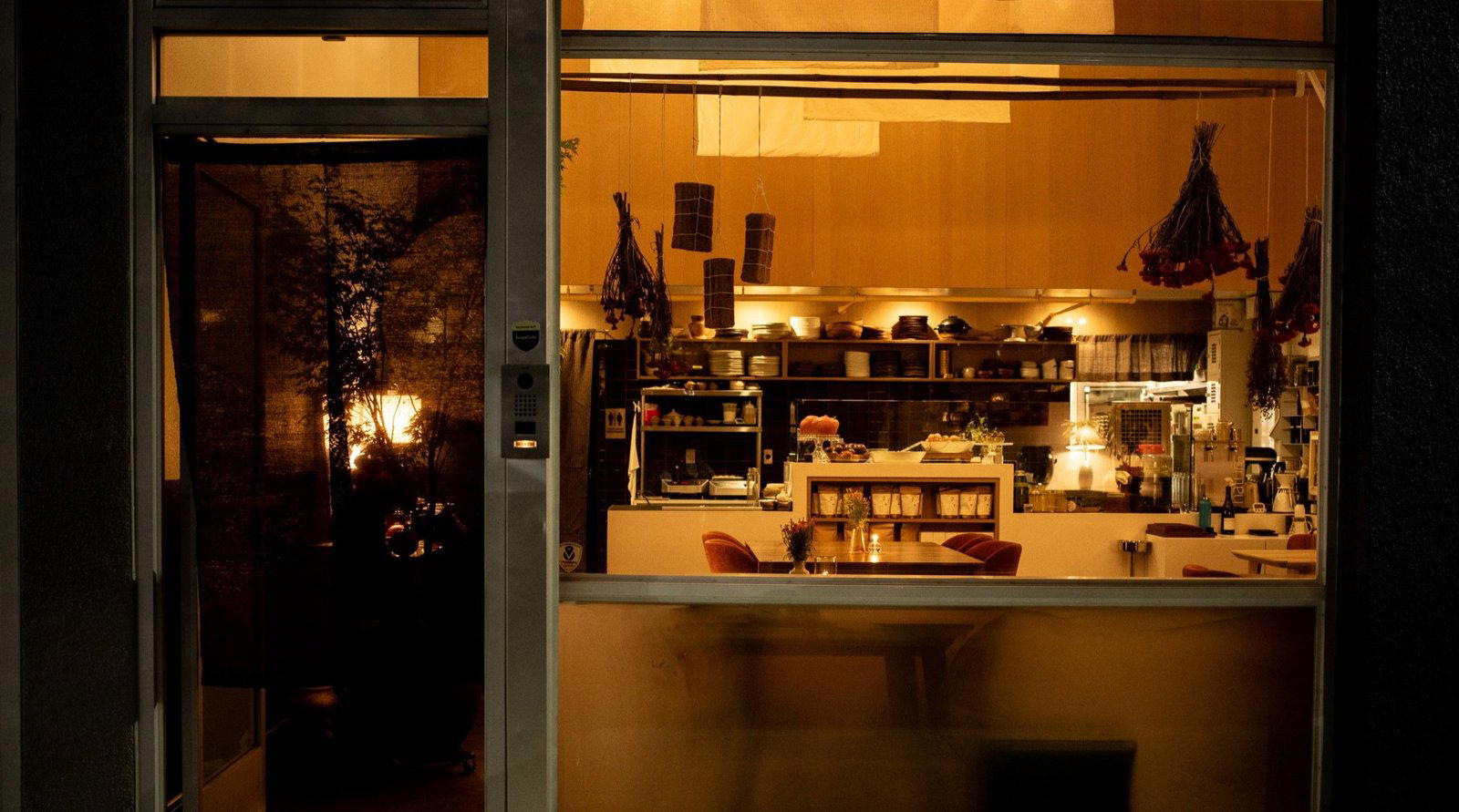
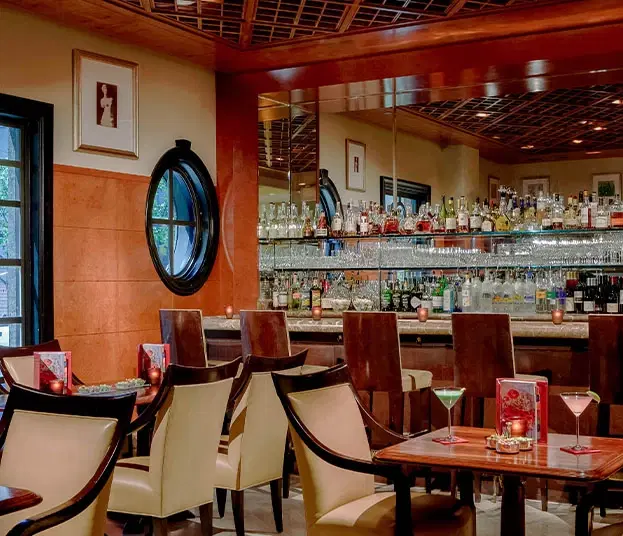
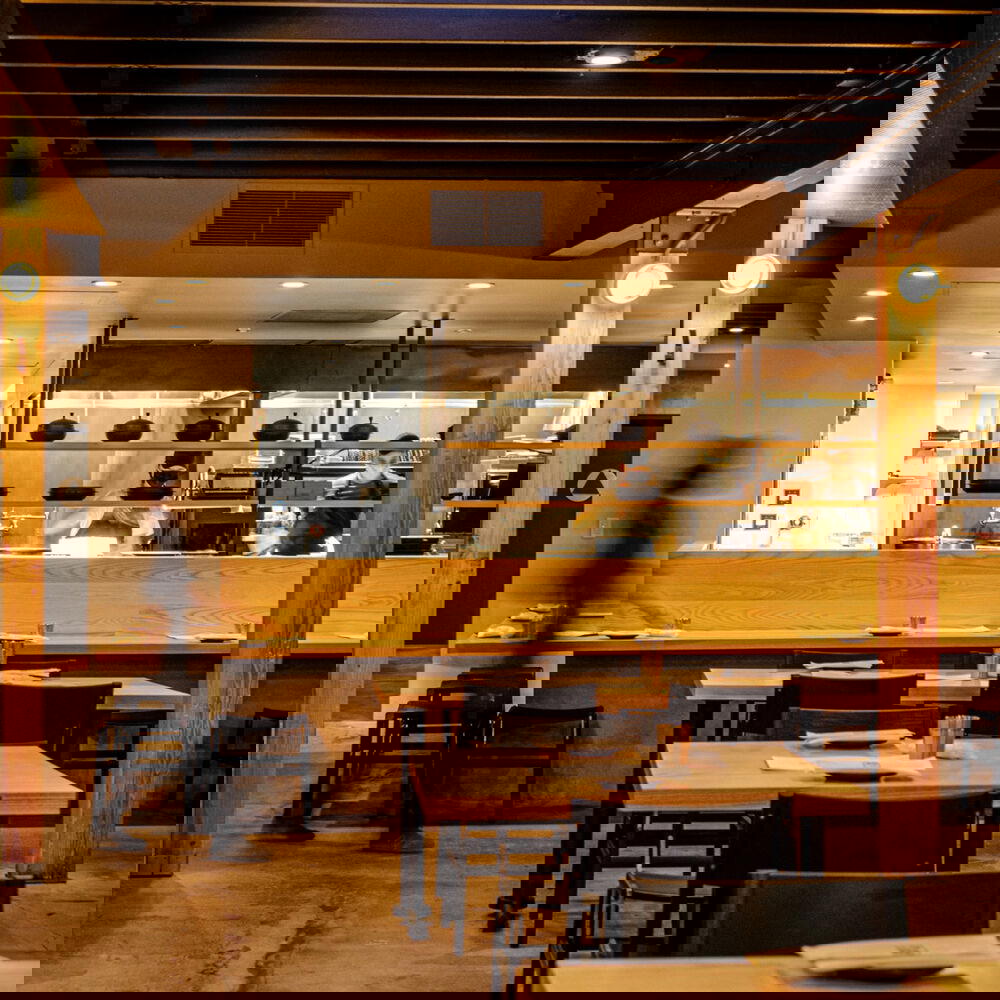
Bars in Cupertino
Browse all →
Hotels in Cupertino
Browse all →






At a Glance
- Modern
- Cozy
- Family
- Casual Hangout
- Date Night
- Sake Program
Current opening hours
- Monday
- Closed
- Tuesday
- 11:15 AM–1:15 PM, 6–8:30 PM
- Wednesday
- 11:15 AM–1:15 PM, 6–8:30 PM
- Thursday
- 11:15 AM–1:15 PM, 6–8:30 PM
- Friday
- 11:15 AM–1:15 PM, 5:30–9 PM
- Saturday
- 11:15 AM–1:15 PM, 5:30–9 PM
- Sunday
- 5:30–8:30 PM
Hours can change for holidays and private events. Last verified .
Welcoming themed decor suitable for family dining out.
Know Before You Go
- Getting there
- 19980 Homestead Rd, Cupertino, CA 95014