Gochi Cupertino
Gochi Cupertino sits on Homestead Road in the heart of Silicon Valley's most food-diverse suburb, drawing on the same Japanese fusion tapas tradition as its Cupertino sister operation. The address places it squarely within a dining corridor where East Asian cuisines dominate and casual-to-mid-tier Japanese concepts compete on both depth of technique and cultural authenticity.
 Discover on Pearl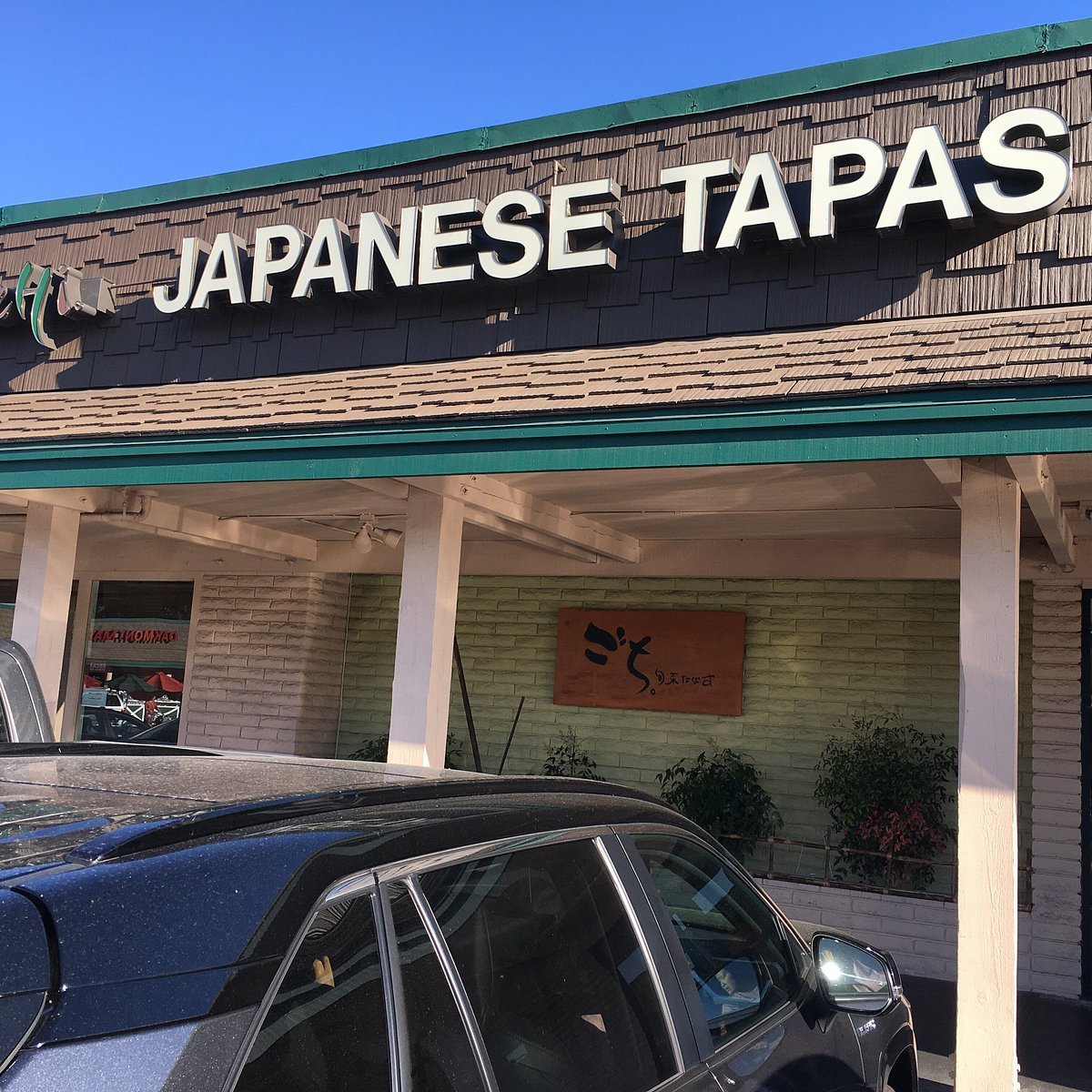
Japanese Tapas in Silicon Valley's Most Competitive Dining Corridor
Cupertino's dining scene is shaped by a specific demographic reality: a high concentration of East and South Asian residents, a tech-industry workforce accustomed to eating well across price tiers, and a strip-mall geography that puts serious cooking in unglamorous packaging. On Homestead Road, where Gochi Cupertino operates, that context is immediately legible. The surrounding blocks mix Taiwanese boba shops, Cantonese roast-meat counters, and Korean fried chicken spots in a pattern that repeats across the South Bay. Japanese restaurants here compete not against each other in isolation but against the full breadth of Asian cuisines that local diners treat as interchangeable Tuesday-night options.
That competitive pressure has pushed Japanese concepts in Cupertino toward two poles: either the high-fidelity traditionalist route (raw fish, strict technique, minimal fusion) or the izakaya-inflected tapas format that borrows Japanese flavour frameworks and applies them to small-plate sharing. Gochi Cupertino belongs to the latter category, operating under the same Japanese fusion tapas identity associated with its Cupertino sibling, Gochi Japanese Fusion Tapas. The format has cultural roots in the izakaya tradition, where the point was never a single showpiece dish but rather a sustained procession of smaller plates, sake, and shochu that stretched an evening across several hours.
The shortlist, unlocked.
Hard-to-book tables, cellar releases, and concierge-planned trips.
Get Exclusive Access →The Izakaya Tradition and What It Means at This Price Point
The izakaya as a dining form has been reinterpreted so many times in American cities that it now covers everything from $8 skewers at a standing bar in a Japanese neighbourhood to elaborate small-plate tasting menus priced against the tiers occupied by Lazy Bear in San Francisco or Providence in Los Angeles. What keeps the mid-tier version of that tradition interesting is the range of technique it can accommodate: yakitori requires precise heat management and quality sourcing; agedashi tofu is a test of temperature control and batter consistency; carpaccio with ponzu is a direct assembly that lives or dies on ingredient quality.
In the South Bay specifically, the fusion tapas format also reflects the culinary preferences of a dining public that moves fluidly between Japanese, Korean, and Chinese flavour profiles within a single week. Dishes that borrow miso, yuzu, or dashi as seasoning agents and apply them to proteins or preparations from other traditions are not experienced as incoherent here the way they might be in a less food-diverse city. That cultural fluency in the local audience raises the standard: diners who eat this food regularly notice when the miso glaze is thin or the ponzu is bottled.
For context on how Japanese-influenced small-plate dining reads at higher price points, the reference set includes restaurants like Atomix in New York City, which applies Korean fine-dining rigour to a similar multi-course sharing format, or Single Thread Farm in Healdsburg, where Japanese kaiseki principles underpin a Northern California tasting menu. Gochi Cupertino operates in a different register entirely, but understanding that spectrum helps calibrate what the tapas format can and should deliver at the Homestead Road address and price tier.
Where Gochi Cupertino Sits Among Its Neighbours
Cupertino's dining options at the casual-to-mid level are genuinely varied. Happy Lamb Hot Pot draws on a different communal dining tradition, the Mongolian hot pot format, where the social ritual around the table is as central as the food itself. Liang's Village Cuisine represents the Taiwanese home-cooking end of the spectrum, where the appeal is familiarity and technique rooted in a specific regional tradition. Curry Pizza House and La Pizzeria Cupertino cover the Italian-adjacent tier, which in Cupertino often means a South Asian-inflected twist or a direct neighbourhood Italian.
Against that backdrop, Gochi Cupertino's Japanese fusion tapas positioning is a reasonable differentiator. The format invites comparison to the broader izakaya-influenced scene in San Jose and Santa Clara rather than to the more premium Japanese counters in San Francisco's Japantown or the omakase rooms in the Financial District. The Homestead Road location also places it closer to residential Cupertino than to the more tourist-facing dining corridors further north, which shapes both the clientele and the likely repeat-visit frequency.
Planning a Visit
Gochi Cupertino is located at 19980 Homestead Road, Cupertino, CA 95014. The address sits in a commercial strip that is accessible by car with parking typical of suburban Silicon Valley retail centres. Given the venue's position in a high-competition dining corridor where casual Japanese and Asian fusion restaurants fill quickly on weekday evenings, checking availability in advance is advisable, particularly for groups larger than two. Current reservation policy, hours, and menu pricing are leading confirmed directly with the venue, as these details were not available at time of publication. For a broader view of what Cupertino's dining scene offers across cuisines and price tiers, the EP Club Cupertino restaurants guide covers the full range.
Readers comparing Gochi Cupertino to higher-tier reference points should note that the Japanese fusion tapas format here operates at a casual neighbourhood level, not in the tasting-menu tier occupied by restaurants like The French Laundry in Napa, Blue Hill at Stone Barns, or Addison in San Diego. The value proposition is different: the question is not whether the kitchen can match that precision, but whether it delivers consistent, technique-grounded small plates in a format suited to a convivial, multi-dish evening.
Frequently Asked Questions
- What should I order at Gochi Cupertino?
- Specific current menu items were not available at time of publication, so dish-level recommendations cannot be verified here. In the Japanese fusion tapas format broadly, the most instructive items to evaluate technique are those requiring precise heat control or quality-dependent raw preparations. Confirm the current menu directly with the venue before visiting.
- Is Gochi Cupertino reservation-only?
- Reservation policy was not confirmed in the data available at publication. Given that Cupertino's mid-tier dining corridor fills quickly on weekday evenings, contacting the venue directly to check current booking requirements is the most reliable approach.
- What's the standout thing about Gochi Cupertino?
- The Japanese fusion tapas format positions Gochi Cupertino as a small-plate, sharing-style operation in a suburb where that format competes directly with hot pot, Taiwanese, and other Asian communal dining traditions. Its differentiation rests on the izakaya-influenced framework applied to a Cupertino neighbourhood audience.
- Is Gochi Cupertino allergy-friendly?
- Allergy accommodation details were not available in the verified data for this venue. Japanese tapas menus frequently include soy, gluten, shellfish, and sesame across multiple dishes. Contact the venue directly or check its current website before visiting if dietary restrictions apply.
- Should I splurge on Gochi Cupertino?
- Price range data was not confirmed at time of publication. The Japanese fusion tapas format in the South Bay corridor typically sits in the casual-to-mid tier rather than at the premium end occupied by destination tasting-menu restaurants. Gochi Cupertino reads as a neighbourhood-frequency option rather than a special-occasion destination, though current pricing should be verified directly.
- How does Gochi Cupertino compare to other Japanese restaurants in Cupertino and the South Bay?
- Cupertino and the broader South Bay support a range of Japanese dining formats, from ramen counters and sushi conveyor belts to izakaya-style small-plate operations. Gochi Cupertino's fusion tapas positioning aligns it with the izakaya-influenced tier rather than high-fidelity traditional Japanese or omakase formats. Its Homestead Road address places it in direct proximity to the suburb's most competitive Asian dining corridor, where diners regularly compare it against Chinese, Korean, and Taiwanese alternatives on the same visit-frequency basis. For a broader comparative view of Cupertino's dining options, the EP Club Cupertino guide maps the full scene. Readers interested in what Japanese cuisine looks like at the upper end of the US fine-dining register can also reference Le Bernardin in New York, Smyth in Chicago, Emeril's in New Orleans, The Inn at Little Washington, and Atelier Moessmer Norbert Niederkofler in Brunico for the full spectrum of what technique-driven tasting formats deliver at the leading of the market.
Price and Positioning
A compact peer snapshot based on similar venues we track.
Need a table?
Our members enjoy priority alerts and concierge-led booking support for the world's most difficult tables.
Get Exclusive AccessThe shortlist, unlocked.
Hard-to-book tables, cellar releases, and concierge-planned trips.
Get Exclusive Access →