Rechberg 1837

Set in a 19th-century house in Zurich's old town, Rechberg 1837 applies a strict pre-industrial sourcing rule: only regional ingredients available before 1837 make the cut. The result is a Michelin Plate-recognised menu that reads as quiet scholarship on Alpine food history, with innovative evening dishes and a more traditional lunch offering served in a warm, intimate room.
Pearl is the En Primeur Club membership app — saves, bookings, and concierge access live there. Same editors, same standards.
- Address
- Chorgasse 20, 8001 Zürich, Switzerland
- Phone
- +41 44 222 18 37
- Website
- rechberg1837.com
- Directions
- Get directions
 Saves & bookings on Pearl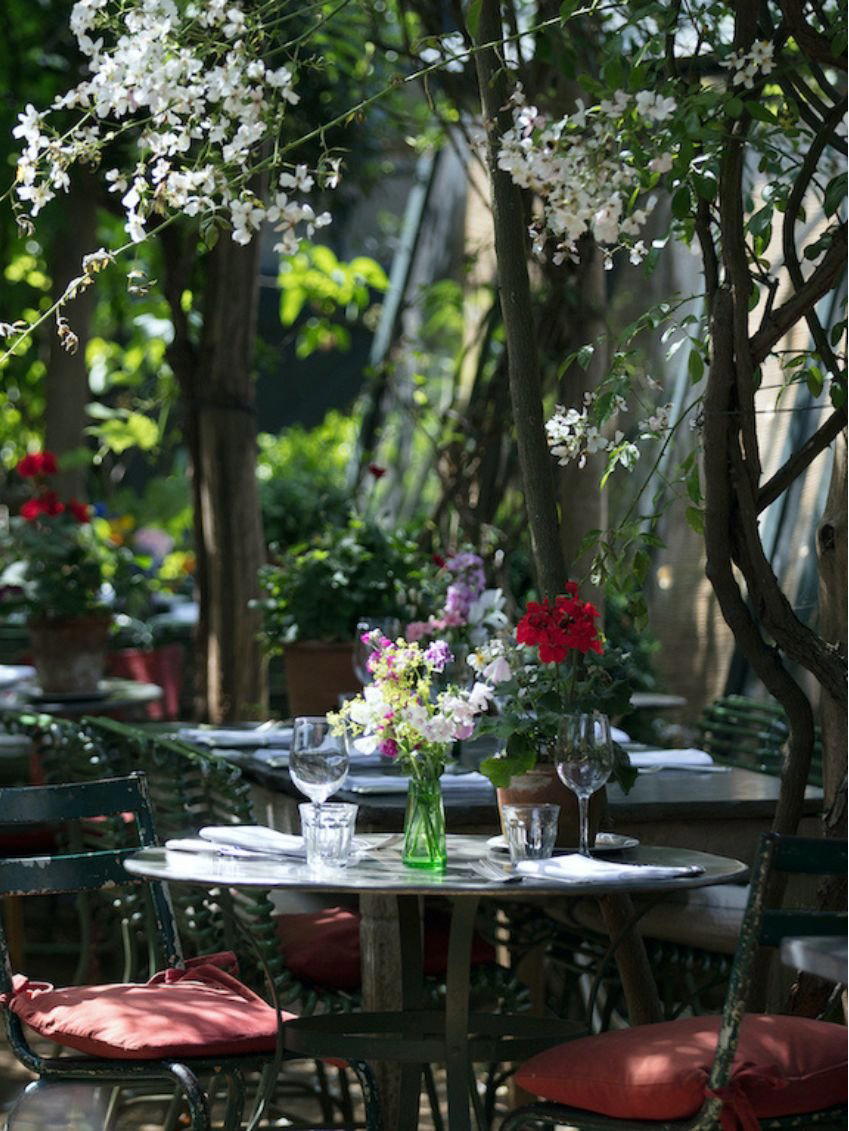
Where Old Town Zurich Meets a Pre-Industrial Kitchen
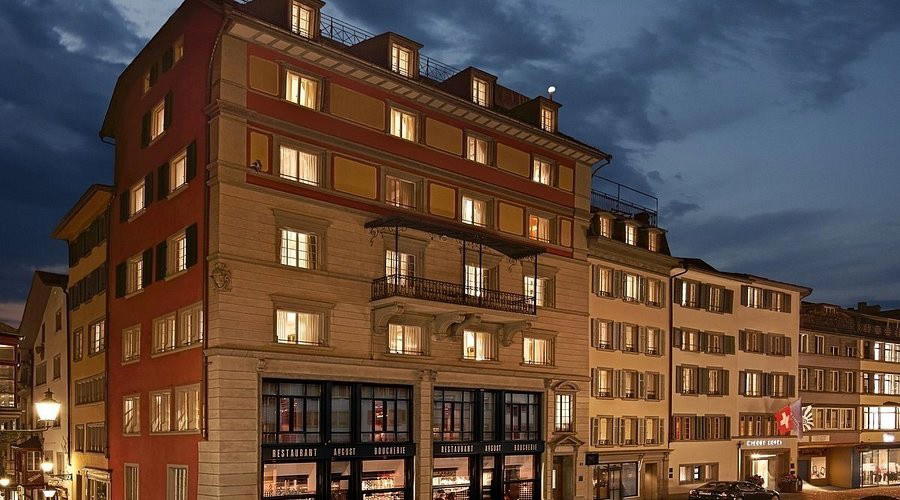
Chorgasse sits in the heart of Zurich's Altstadt, the dense medieval quarter where the city's oldest streets converge near the Grossmünster and the Limmat. It is a neighbourhood defined by stone facades, narrow lanes, and the kind of institutional restaurants that have been feeding the same tables for generations. Rechberg 1837 occupies one of those facades at number 20, in a house built the year that gives it its name. The street-level entrance reads as discreet rather than grand, which is appropriate: the restaurant's proposition is one of constraint, not spectacle.
The Altstadt has a layered dining identity. At one end sit historic institutions like Widder, which anchors Swiss tradition in a converted medieval townhouse. At the other, technically ambitious kitchens such as The Counter and The Restaurant compete at the €€€€ tier with explicitly creative formats. Rechberg 1837 sits between those poles, at the €€€ price tier, and its framework is defined not by technique alone but by a sourcing philosophy that doubles as an act of historical reconstruction.
The 1837 Rule and What It Produces
Switzerland in 1837 sat on the edge of industrialisation. Rail networks were beginning to reshape supply chains, and the foods available in a Zurich kitchen would have been almost entirely local, seasonal, and unprocessed. Rechberg 1837 uses that historical moment as a hard constraint: only regional produce that would have been available before industrialisation is permitted on the menu. No imported citrus, no standardised commodity proteins, no ingredients whose production depends on post-industrial agriculture. The sourcing rule is not a marketing position so much as a culinary methodology, one that forces the kitchen to work within what the Swiss agricultural record actually allows.
What that produces, in practice, is a menu that draws heavily on Alpine larder staples: pork, pulses, grains, pickled and preserved vegetables. A documented example from the kitchen involves country pork served alongside pea puree, fried barley, and pickled onion, a combination that reads as both formally composed and deeply rooted in pre-industrial Swiss cooking. These are not nostalgic reimaginings of old recipes so much as contemporary plates assembled from a historically bounded ingredient set. The Michelin Plate recognition the restaurant received in 2024 signals that the approach produces technically sound, properly considered food, without claiming the kind of pyrotechnics associated with starred kitchens like IGNIV Zürich by Andreas Caminada or Eden Kitchen & Bar.
In Switzerland more broadly, the conversation around ingredient provenance has become a dominant theme across the country's serious kitchens. Schloss Schauenstein in Fürstenau has long sourced from its own estate, and Hotel de Ville Crissier in Crissier built its reputation on classical French technique applied to the leading Swiss produce. Rechberg 1837 takes that provenance conversation further by making it structural rather than aspirational, the constraint comes first, and the menu follows from it. For context on where this sits relative to the innovative format internationally, the approach shares a conceptual lineage with kitchens like alla prima in Seoul and MAZ in Tokyo, both of which build menus around a defined geographic or temporal framework rather than a free-range creative brief.
Lunch and Dinner: Two Registers, One Philosophy
The kitchen operates at different registers across the day. At lunch, the offering is more traditional in format, accessible in pace, and suited to the neighbourhood's mix of professionals and visitors working through the Altstadt. In the evening, the menu shifts toward the innovative end, with composed plates that deploy the pre-industrial ingredient list in more formally constructed sequences. This dual format is common among €€€ restaurants in Swiss city centres, where a lunch trade that performs differently from dinner is both a commercial reality and a way of reaching a broader cross-section of the city. The practical result is that restaurant serves two distinct clienteles without breaking the underlying sourcing logic for either.
For those visiting from outside Zurich, the restaurant sits within easy reach of the major hotels in the Altstadt and the central train station. Zurich's compact old town means that arriving on foot from the Grossmünster or the Rathausbrücke takes minutes, and the neighbourhood concentration of wine bars and after-dinner venues on nearby streets makes it a natural anchor for an evening itinerary. For broader planning across the city, EP Club's full Zurich restaurants guide maps the range across price tiers, and the Zurich hotels guide covers proximity options. The bars guide, wineries guide, and experiences guide round out the city picture for longer stays.
For those extending beyond Zurich, the surrounding Swiss dining circuit is worth planning around: Cheval Blanc by Peter Knogl in Basel, Memories in Bad Ragaz, 7132 Silver in Vals, and Colonnade in Lucerne all represent different points on the Swiss fine-dining spectrum, from the alpine to the classical French-influenced.
Reading the Room
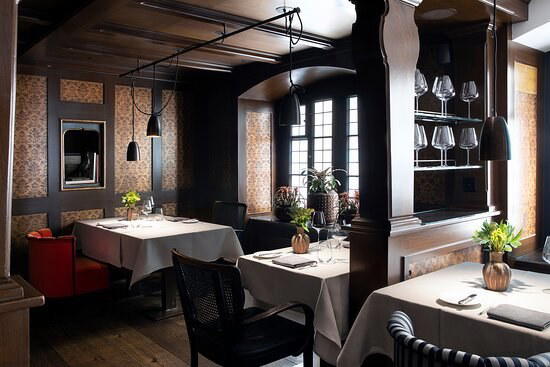
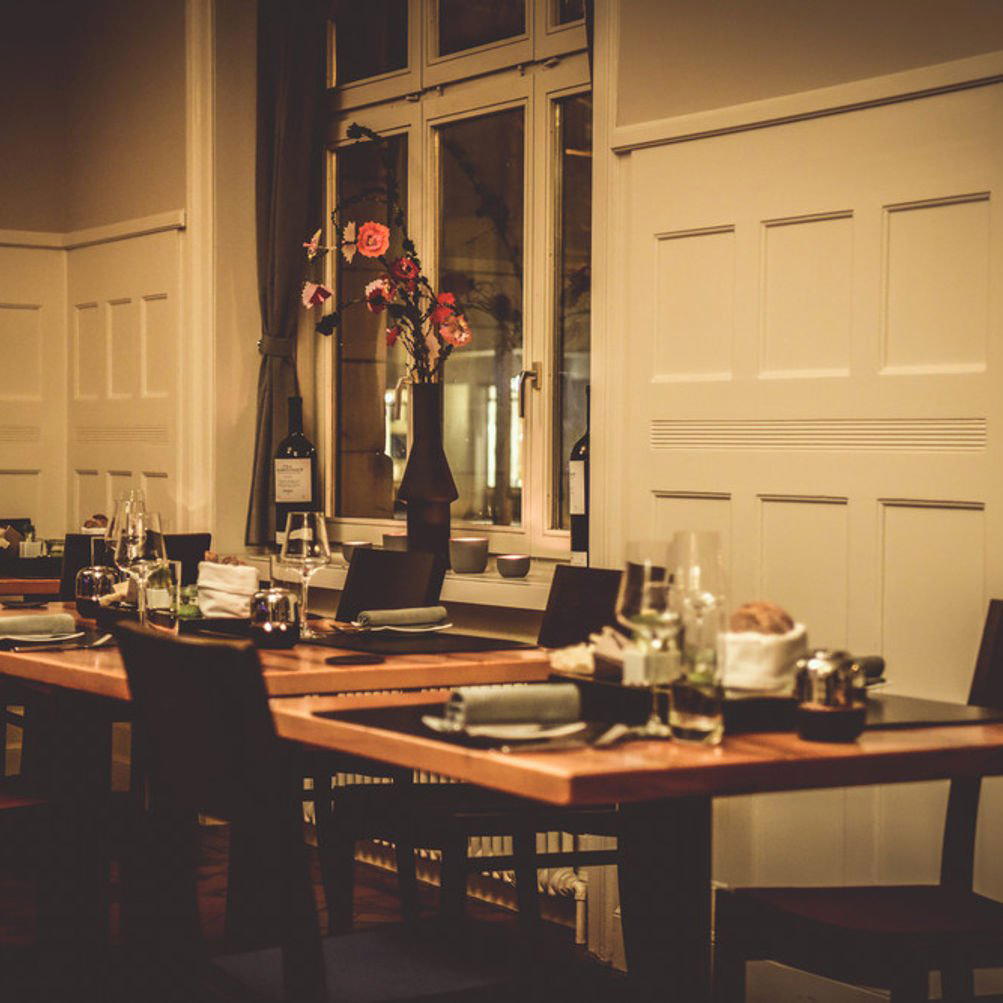
The cosy atmosphere and charming service noted in Michelin's own assessment suggest a room that functions as a genuine hospitality experience rather than a pure showcase kitchen. That balance, of formally considered food served in a warm rather than austere environment, is not universal at this price point. In a city where restaurants like The Counter operate with studied technical seriousness, the restaurant occupies a different emotional register: historically grounded, approachable in atmosphere, and precise in its constraints.
Autumn and winter are when the sourcing philosophy most visibly shapes the experience. Pre-industrial Alpine kitchens depended heavily on preserved, fermented, and dried ingredients as the season turned, and the contemporary menu's use of pickled and cured elements reads most coherently against a cold-weather backdrop. Visiting between October and March aligns the restaurant's logic with its most natural seasonal expression.
Practical Details
The restaurant is located at Chorgasse 20, 8001 Zürich, in the Altstadt district. Pricing sits at the €€€ tier, mid-range by Zurich standards. The lunch service offers a more traditional format; evenings shift to the innovative tasting-led menu. Booking in advance is advisable, particularly for weekend evenings. The restaurant's address in the old town places it within walking distance of the main Zurich attractions and central transport links.
Nearby-ish Comparables
| Venue | Cuisine | Price |
|---|---|---|
| Rechberg 1837This venue — the venue you are viewing | Innovative | €€€ |
| IGNIV Zürich by Andreas Caminada | Sharing | €€€€ |
| KLE | Vegan | €€€ |
| Kronenhalle | Swiss, Traditional Cuisine | €€€ |
| The Counter | Creative | €€€€ |
| Eden Kitchen & Bar | Italian | €€€€ |
Recognition history
Dated appearances from independent guides and award organizations, with the underlying list record or original source where available.
Michelin Plate
Michelin
Michelin Plate
Michelin
Continue exploring
More in Zürich
Restaurants in Zürich
Browse all →
Bars in Zürich
Browse all →
Hotels in Zürich
Browse all →

At a Glance
- Cozy
- Intimate
- Classic
- Elegant
- Date Night
- Special Occasion
- Historic Building
- Extensive Wine List
- Local Sourcing
- Sustainable Seafood
Current opening hours
- Monday
- Closed
- Tuesday
- 11:45 AM–2 PM, 6–11 PM
- Wednesday
- 11:45 AM–2 PM, 6–11 PM
- Thursday
- 11:45 AM–2 PM, 6–11 PM
- Friday
- 11:45 AM–2 PM, 6–11 PM
- Saturday
- 6–11 PM
- Sunday
- Closed
Hours can change for holidays and private events. Last verified .
Cozy, welcoming, and homely atmosphere with charming service and thoughtful details.