Gandria



A Michelin Plate-recognised southern Italian address in Zurich's Seefeld district, Gandria draws a loyal local following with Puglia-rooted cooking, handmade pasta, and an exclusively Italian wine list spanning most of the peninsula's growing regions. The atmosphere is warm and close, the service runs in the Italian manner, and the kitchen under chef-patron Adriano Peroncini has held its own in a city with sharply rising Italian dining standards since opening in 2016.
Pearl is the En Primeur Club membership app — saves, bookings, and concierge access live there. Same editors, same standards.
- Address
- Rudolfstrasse 6, 8008 Zürich, Switzerland
- Phone
- +41 44 422 72 42
- Website
- restaurantgandria.ch
- Directions
- Get directions
 Saves & bookings on Pearl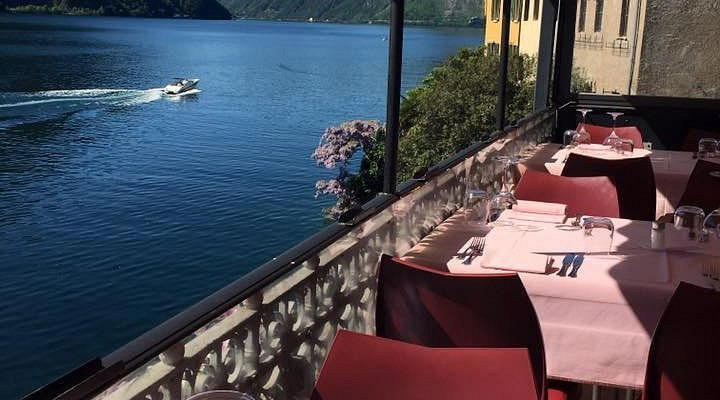
What the Regulars Already Know
Seefeld, the residential quarter that folds along the eastern lakeshore between Bellevue and Tiefenbrunnen, has a dining character shaped by its clientele: professionals, long-term expats, and families who live close enough to walk. The restaurants that last here are not the ones chasing destination diners but the ones that earn a table in someone's weekly rotation. Gandria, on Rudolfstrasse 6, is that kind of address. Since 2016, it has built its reputation quietly, without the promotional architecture that surrounds Zurich's higher-bracket Italian rooms, and the. The Michelin Plate it holds for 2024 signals the Guide's acknowledgment of consistent, honest cooking.
Southern Italian Cooking in a City That Rewards Restraint
Zurich's Italian dining scene has diversified considerably in recent years. At the upper end, Eden Kitchen & Bar operates at the €€€€ tier with a Michelin star, while Accademia del Gusto and La Bottega di Mario each cover different positions in the market. The broader Italian offer in the city also includes Freilager La Cucina Colaianni and Freilager La Trattoria, both associated with the Freilager complex. Gandria sits at the €€€ tier, which in Zurich means serious cooking priced for repeat visits rather than occasional occasion dining. That positioning is deliberate: the kitchen is anchored in southern Italian tradition, specifically the cooking of Puglia, a region whose food culture prizes quality of ingredient and directness of preparation over technical spectacle.
Puglia is also one of Italian cooking's less fashionable reference points in fine dining contexts, which tend to orbit Piedmont, Emilia-Romagna, or the Campanian coast. A kitchen rooted there tends to cook with pulses, olive oil, orecchiette-family pastas, and seafood from the Adriatic without needing to perform anything. The regulars at Gandria understand this. They return for the pasta and for preparations like octopus, which in Pugliese tradition is treated with patience rather than elaboration, and Piedmontese Fassona beef, a lean, well-bred northern Italian breed that has become a marker of quality sourcing in a number of European restaurants operating at this price point. The combination of a southern Italian kitchen sensibility with specifically sourced northern Italian beef is not a contradiction: it reflects a chef-patron who has worked across the peninsula and integrated what he found.
The Room and How It Reads
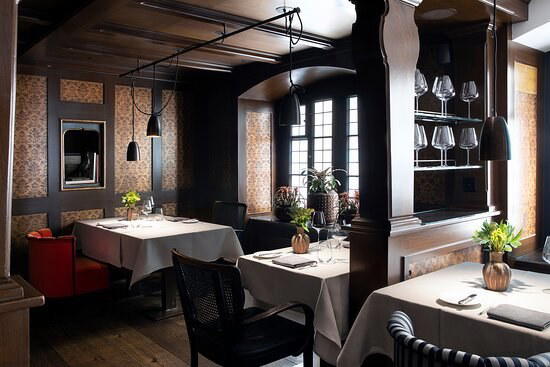
The physical space on Rudolfstrasse is described as cosy, and in Zurich that word carries weight. The city's dining rooms at the higher brackets tend toward formal restraint or deliberate minimalism. A genuinely warm room in Seefeld, one with an atmosphere that the Michelin editors themselves note as inviting, is a rarer commodity than it might seem. What the regulars at Gandria are returning to is not only the food but the register of the service: the kitchen operates what the restaurant describes as servizio alla maniera italiana, a phrase that implies attentiveness without stiffness, familiarity without presumption. Italian service culture, when it functions correctly, treats the table as a unit of hospitality rather than a transaction to be processed efficiently. In a city where Swiss formality and international restaurant professionalism often merge into something pleasantly competent but emotionally neutral, the distinction is felt.
The Wine List as a Statement
An exclusively Italian wine list in a Zurich restaurant is an editorial position. The city's wine culture leans heavily on French references, particularly Burgundy and Bordeaux, and most €€€-tier restaurants build lists that reflect those preferences. Gandria's decision to confine its cellar to Italian producers, covering most of the country's major growing regions, suggests a kitchen that wants its beverage program to reinforce rather than contradict the food. It also means the list has range: from Puglia's Primitivo and Negroamaro through to Piedmont's Barolo and Barbaresco, with likely stops in Tuscany, Sicily, and the northeast. For regulars who have worked through the list over multiple visits, that depth sustains interest in a way that a shorter, more eclectic selection would not. The Italian wine program is part of the reason this address has a repeat-visitor dynamic rather than a destination-dining one.
Where Gandria Sits in Switzerland's Wider Scene
Switzerland's culinary reference tier is anchored by restaurants operating at considerably higher intensity: Hotel de Ville Crissier in Crissier, Schloss Schauenstein in Fürstenau, and Cheval Blanc by Peter Knogl in Basel represent the country's starred tier, with Memories in Bad Ragaz, 7132 Silver in Vals, and Colonnade in Lucerne extending the geography of serious Swiss dining. Gandria does not compete in that register. What it does offer is something the starred tier cannot: an accessible, neighbourhood-grounded Italian kitchen with consistent output and an identifiable regional point of view. The comparison that matters here is with the other Italian rooms at the €€€ level in Zurich, and within that set, the Michelin Plate and the loyalty of its local clientele are particularly credible signals available.
Italian cooking at this level of seriousness is also being watched internationally: 8 1/2 Otto e Mezzo Bombana in Hong Kong and cenci in Kyoto both demonstrate how Italian culinary tradition travels and adapts when placed in non-Italian cities by committed practitioners. Gandria occupies a comparable function in Zurich: a southern Italian kitchen operating with conviction in a city that did not produce it.
Planning Your Visit
Gandria is at Rudolfstrasse 6, 8008 Zürich, in the Seefeld district, reachable from Bellevue in under ten minutes on foot or by tram. At €€€ pricing and with a 4.7 rating pulling consistent traffic, the room fills reliably, particularly at weekend sittings. Booking ahead, especially for Friday and Saturday evenings, is recommended. The exclusively Italian wine list rewards guests who are prepared to engage with it: asking for a recommendation tied to the food you have ordered is one direct way to use it.
At-a-Glance Comparison
Comparable venues nearby, for context on price, style, and recognition.
| Venue | Cuisine | Price | Awards | Notes |
|---|---|---|---|---|
| GandriaThis venue — the venue you are viewing | Modern Southern Italian | $$$ | Michelin Plate | Not listed |
| La Scarpetta | Authentic Italian Trattoria | $$$ | Michelin Plate | Witellikon |
| Bianchi | Italian Seafood | $$$ | Michelin Plate | Oberstrass |
| Freilager La Trattoria | Italian Trattoria | $$ | Michelin Plate | Riesbach |
| blooms | Seasonal Vegan Fine Dining | $$$ | Michelin Plate | Sonnenberg |
| Stapferstube da Rizzo | Traditional Italian Trattoria | $$$ | Michelin Plate | Oberstrass |
Recognition history
Dated appearances from independent guides and award organizations, with the underlying list record or original source where available.
Falstaff Restaurant - 92 Falstaff Points
Falstaff
Gambero Rosso 2 Forchette
Gambero Rosso
Michelin Plate
Michelin
Michelin Plate
Michelin
Continue exploring
More in Zürich
Restaurants in Zürich
Browse all →
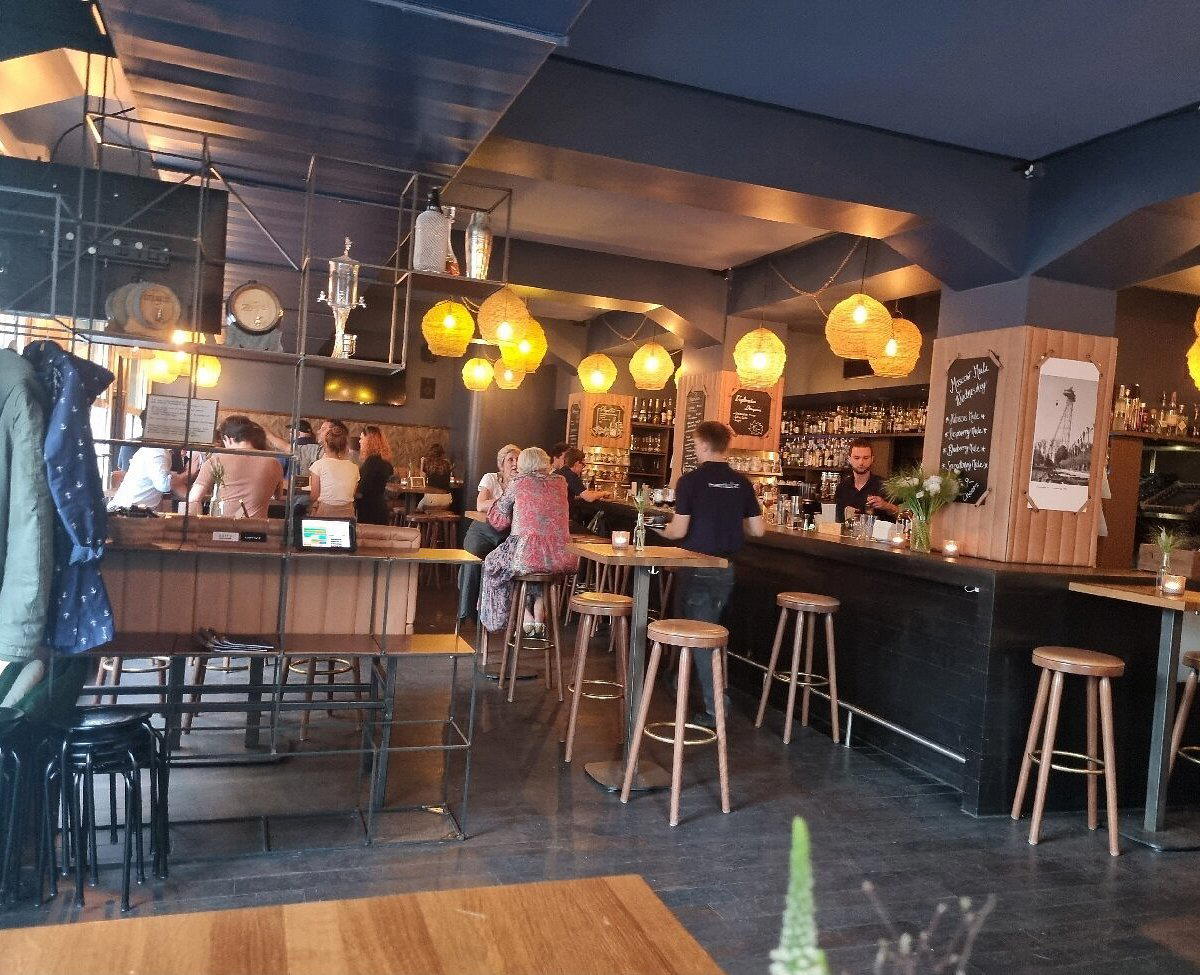
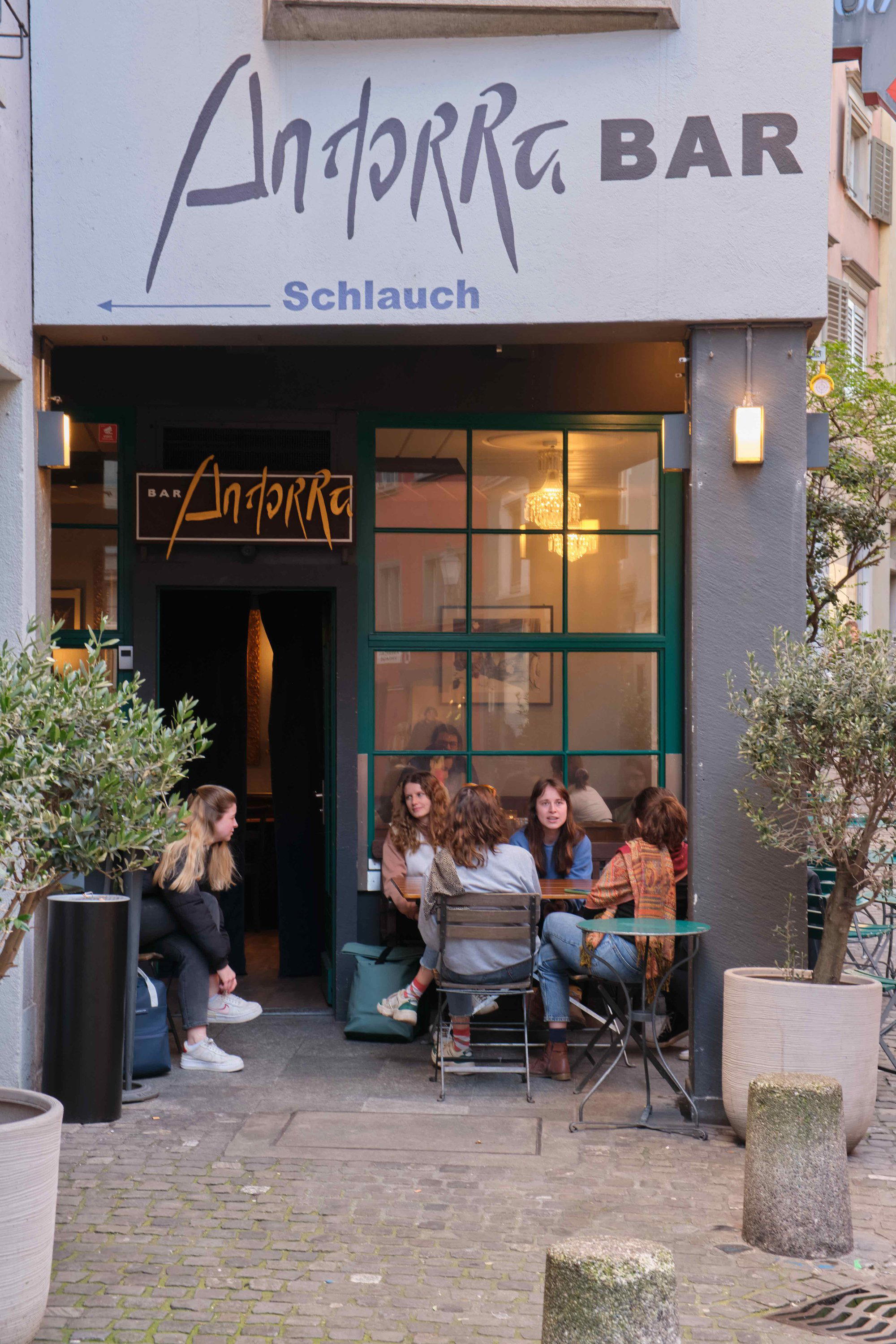
Bars in Zürich
Browse all →
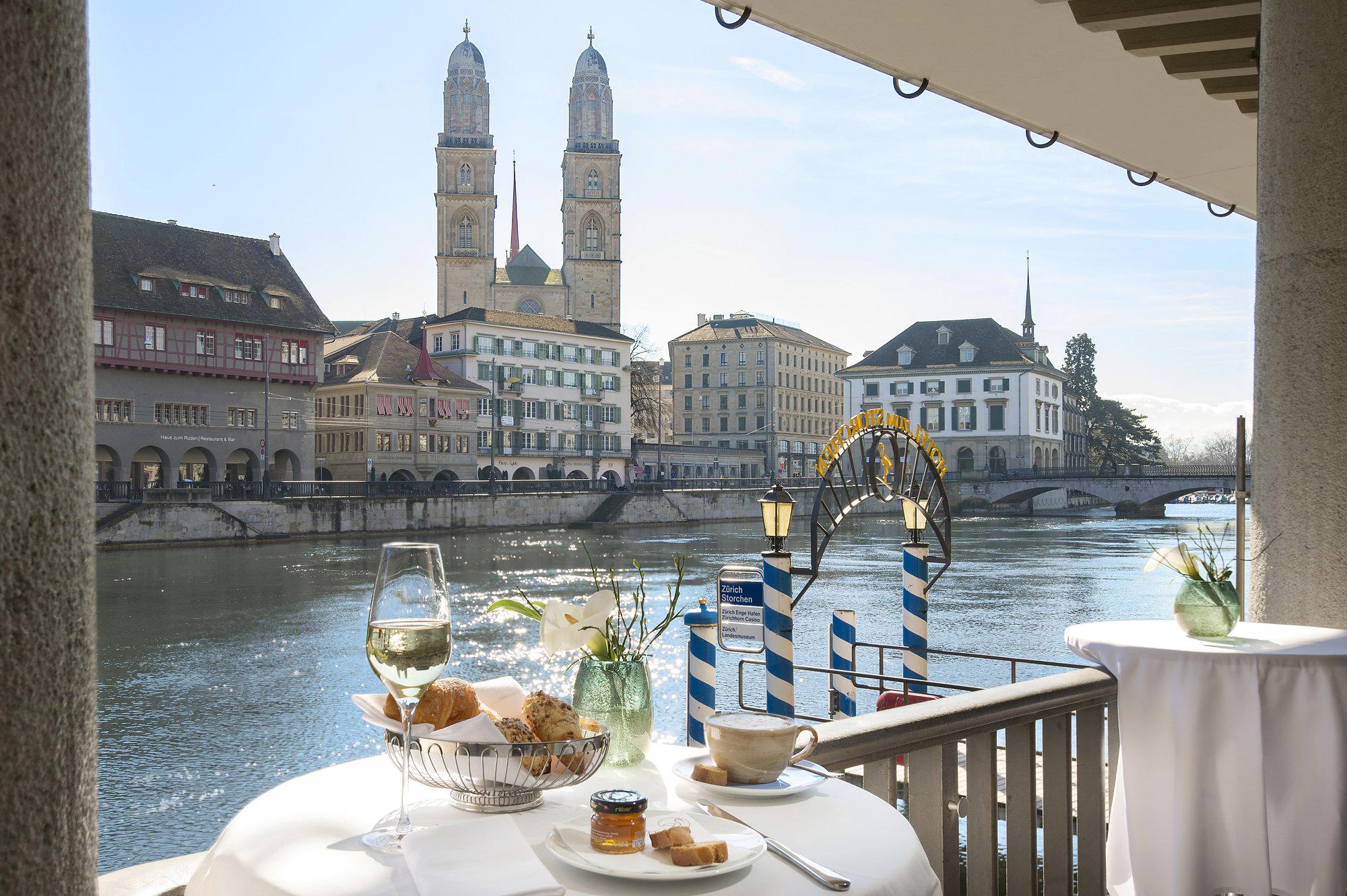
Hotels in Zürich
Browse all →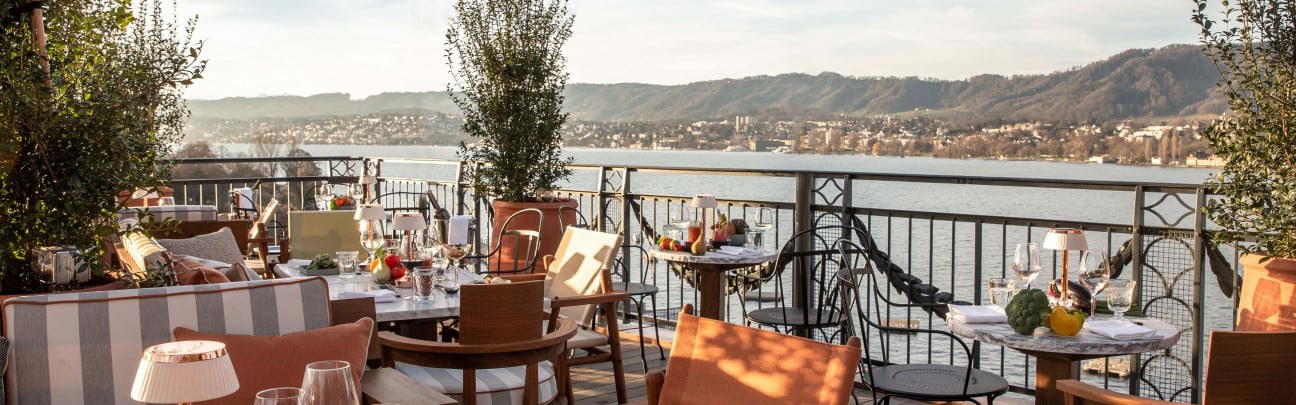

At a Glance
- Cozy
- Elegant
- Intimate
- Sophisticated
- Date Night
- Special Occasion
- Terrace
- Extensive Wine List
Current opening hours
- Monday
- Closed
- Tuesday
- 11:45 AM–2 PM, 6:30 PM–12 AM
- Wednesday
- 11:45 AM–2 PM, 6:30 PM–12 AM
- Thursday
- 11:45 AM–2 PM, 6:30 PM–12 AM
- Friday
- 11:45 AM–2 PM, 6:30 PM–12 AM
- Saturday
- 6:30 PM–12 AM
- Sunday
- Closed
Hours can change for holidays and private events. Last verified .
Delightfully cosy space with an inviting atmosphere, though some note it can be loud when full.