Ray's Cafe & Tea House
Euro cafe with siphon coffee and a clean vibe
 Discover on Pearl
Pearl is the En Primeur Club membership app — saves, bookings, and concierge access live there. Same editors, same standards.
- Address
- 141 N 9th St, Philadelphia, PA 19107
- Phone
- +12159225122
- Website
- rayscafephilly.com
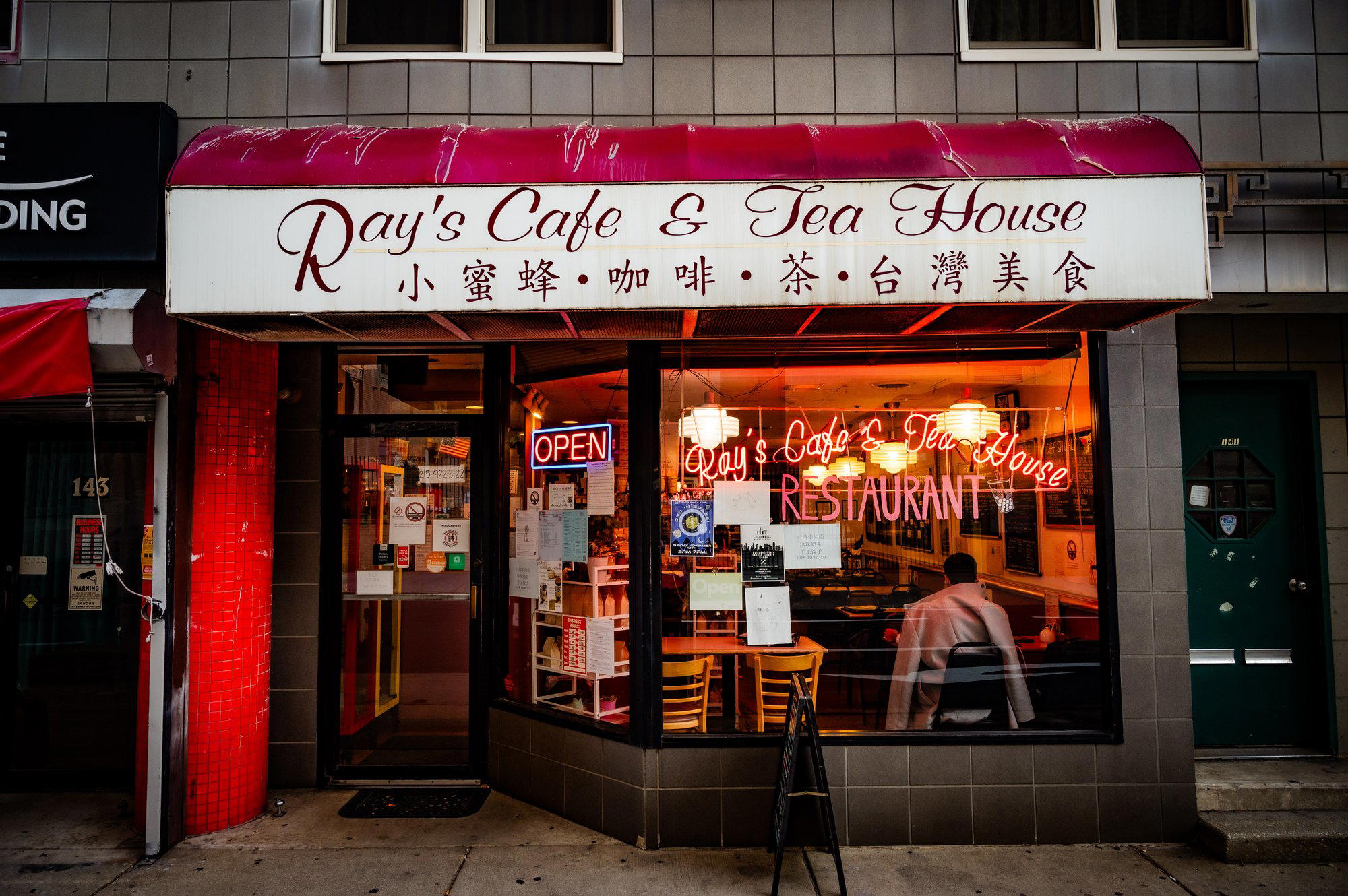
Chinatown's Tea Counter Tradition, Distilled to a Single Address
On North 9th Street, Philadelphia's Chinatown runs at a pace that most of the city's trendier dining corridors don't bother matching. The block is functional before it is fashionable, produce vendors, roast-meat windows, and bakeries that open when the neighborhood needs them, not when Instagram does. Ray's Cafe & Tea House sits inside this cadence at 141 N 9th St, a spot that draws from the deep Chinatown tradition of tea service as a social and gastronomic practice rather than a wellness trend borrowed from elsewhere. In a Philadelphia dining scene that regularly positions its boldest names, Fork and Friday Saturday Sunday in the New American tier, Kalaya for Thai, and Mawn for Cambodian and Pan-Asian cooking, Ray's occupies a quieter register, one that rewards a different kind of attention from a visitor.
The Beverage Tradition That Anchors the Room
Tea houses in urban Chinatowns across the United States occupy a specific cultural function that is easy to underestimate from the outside. The format predates the current wave of specialty coffee shops, of cocktail bars with fermented-honey programs, and of wine lists curated by sommeliers with Burgundy lineage. The beverage here is the discipline. Chinese tea culture draws distinctions that rival anything a serious wine list requires: region of origin, elevation, harvest timing, oxidation level, and preparation method all shape what ends up in the cup. The gap between a carelessly brewed oolong and the same leaf handled correctly is as legible as the gap between a poorly cellared Burgundy and one given the time it needs.
This is the editorial frame worth applying to Ray's: it operates in a beverage tradition where curation and sourcing knowledge matter as much as they do at the wine-focused restaurants that Philadelphia's critics spend more column inches discussing. The tea list at a serious tea house is, in effect, its cellar, and the depth of that list tells you more about the kitchen's priorities than most menus do. Visitors who arrive expecting a casual caffeine stop and stay long enough to work through a proper tea service tend to leave having recalibrated what a beverage-led experience can do. The comparison set is not the coffee shop down the block; it is the kind of deliberate, ingredient-focused hospitality that defines the tier occupied by places like My Loup in Philadelphia's French-inspired corner, or, on the national scale, the ingredient-driven seriousness of Blue Hill at Stone Barns in Tarrytown.
What the Chinatown Location Means for Context
Philadelphia's Chinatown is one of the older and more intact urban Chinatowns on the East Coast, which matters because it has not been fully absorbed into a food-hall economy. The neighborhood's commercial life still serves a residential and working population alongside visitors, which tends to produce food and beverage operations with more practical depth and fewer performance elements. Bakeries there have been making egg tarts the same way for decades not because it is retro but because the recipe is correct. That same logic applies to tea service: the format survives because it works, not because it has been repackaged for a newer audience.
Ray's Cafe & Tea House at 141 N 9th St benefits from this context. The address is walkable from most of the central Philadelphia hotel zone and a short distance from the Benjamin Franklin Parkway and the Reading Terminal Market. For visitors who build itineraries around serious dining, the kind who might cross-reference Le Bernardin in New York City, Alinea in Chicago, or The French Laundry in Napa on the same trip, a proper Chinatown tea stop is the kind of counter-programming that makes an itinerary feel considered rather than predictable. It is also the kind of experience that does not require a reservation architecture, which distinguishes it from the timed-counter model that defines the upper bracket: the format at Atomix in New York City or the produce-calendar approach at Single Thread Farm in Healdsburg.
Reading the Menu as a Tea List
The café half of Ray's programming signals that the kitchen handles food alongside its tea service, a common structure in Hong Kong-style cha chaan teng operations and in Taiwanese-influenced tea houses that have shaped much of American Chinatown cafe culture. The interaction between the food menu and the tea list is where the experience earns its depth. In this format, beverages are not afterthoughts appended to a food menu; they are the organizing principle, and the food exists to support them. This is the same logic that governs wine-pairing menus at the serious end of American fine dining, at Providence in Los Angeles or Addison in San Diego, but executed through an entirely different cultural grammar.
For visitors comfortable with wine as a structuring device for a meal, the translation to a tea house is more direct than it might seem. Lighter, more floral teas function like white Burgundy in the way they handle delicate food. Roasted or aged teas carry the weight to sit alongside richer preparations. The house's knowledge of this pairing logic, whether expressed through a printed list or through the recommendations of whoever is working the counter, is the clearest indicator of the operation's seriousness. Comparable beverage-first thinking from a wine angle is evident at venues like Emeril's in New Orleans and The Inn at Little Washington, where the cellar shapes the direction of the menu rather than the other way around.
For an international reference point, the serious tea-and-food pairing tradition practiced at venues like 8½ Otto e Mezzo Bombana in Hong Kong illustrates how seriously beverage curation is taken in that part of the world, a standard that the leading American Chinatown tea operations quietly aspire to, even at a more accessible price point.
For the full picture of where Ray's sits within Philadelphia's broader dining and drinking ecosystem, see our full Philadelphia restaurants guide, which maps the city's categories from Chinatown to Fishtown to the Rittenhouse Square corridor. The city's most discussed tables, including Lazy Bear-level tasting experiences, operate on a different axis from what Chinatown offers, but the two exist in the same city's dining conversation, and knowing both makes you a more informed visitor.
Know Before You Go
- Address: 141 N 9th St, Philadelphia, PA 19107
- Neighborhood: Philadelphia Chinatown
- Walk-in policy: Contact venue directly to confirm; no confirmed reservation system
- Nearest landmarks: Reading Terminal Market (approx. 5 min walk), Pennsylvania Convention Center
- Leading for: Tea service as a serious beverage practice; cafe dining in a Chinatown context
- Price tier: not confirmed; Chinatown cafe format typically accessible
- Phone / website: not confirmed, verify via Google Maps before visiting
Cuisine-First Comparison
Comparable venues nearby, for context on price, style, and recognition.
| Venue | Cuisine | Price | Awards | Notes |
|---|---|---|---|---|
| Ray's Cafe & Tea HouseThis venue — the venue you are viewing | Taiwanese-Chinese Cafe | $$ | , | |
| David's Mai Lai Wah | Cantonese Chinese | $$ | , | Chinatown |
| Jade Harbor | Authentic Chinese Dim Sum | $$ | , | Chinatown |
| Dim Sum Garden | Shanghai-Style Dim Sum | $ | , | Chinatown |
| CinCin | Upscale Chinese-Pan Asian with French Flair | $$$ | , | Chestnut Hill |
| Sang Kee Peking Duck House | Cantonese Peking Duck House | $$ | , | Callowhill |
Continue exploring
More in Philadelphia
Restaurants in Philadelphia
Browse all →
Bars in Philadelphia
Browse all →
At a Glance
- Cozy
- Hidden Gem
- Casual Hangout
- Open Kitchen
- Sake Program
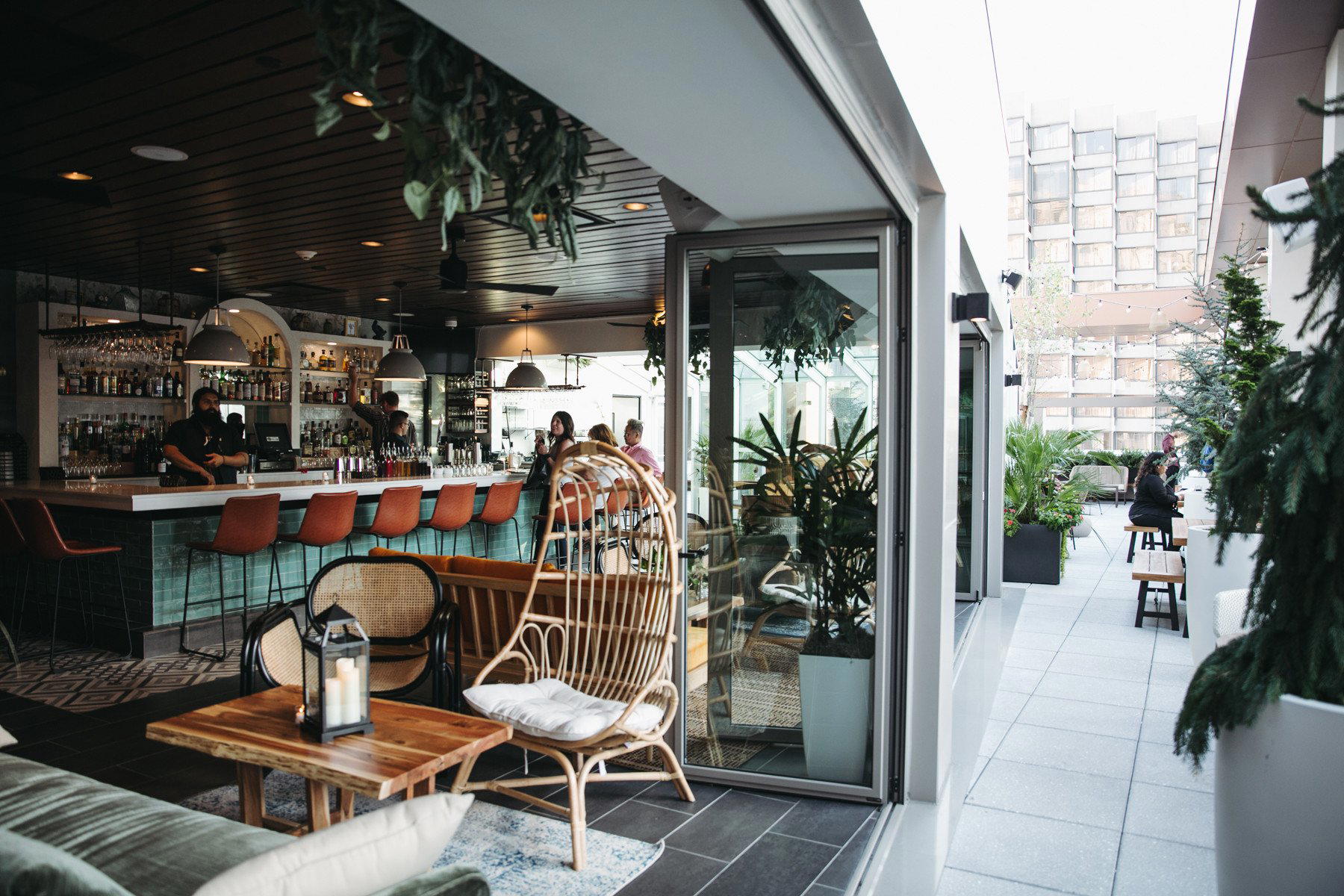
Cozy, bare-bones interior with limited seating and a welcoming family-run atmosphere.