David's Mai Lai Wah
Our verdict
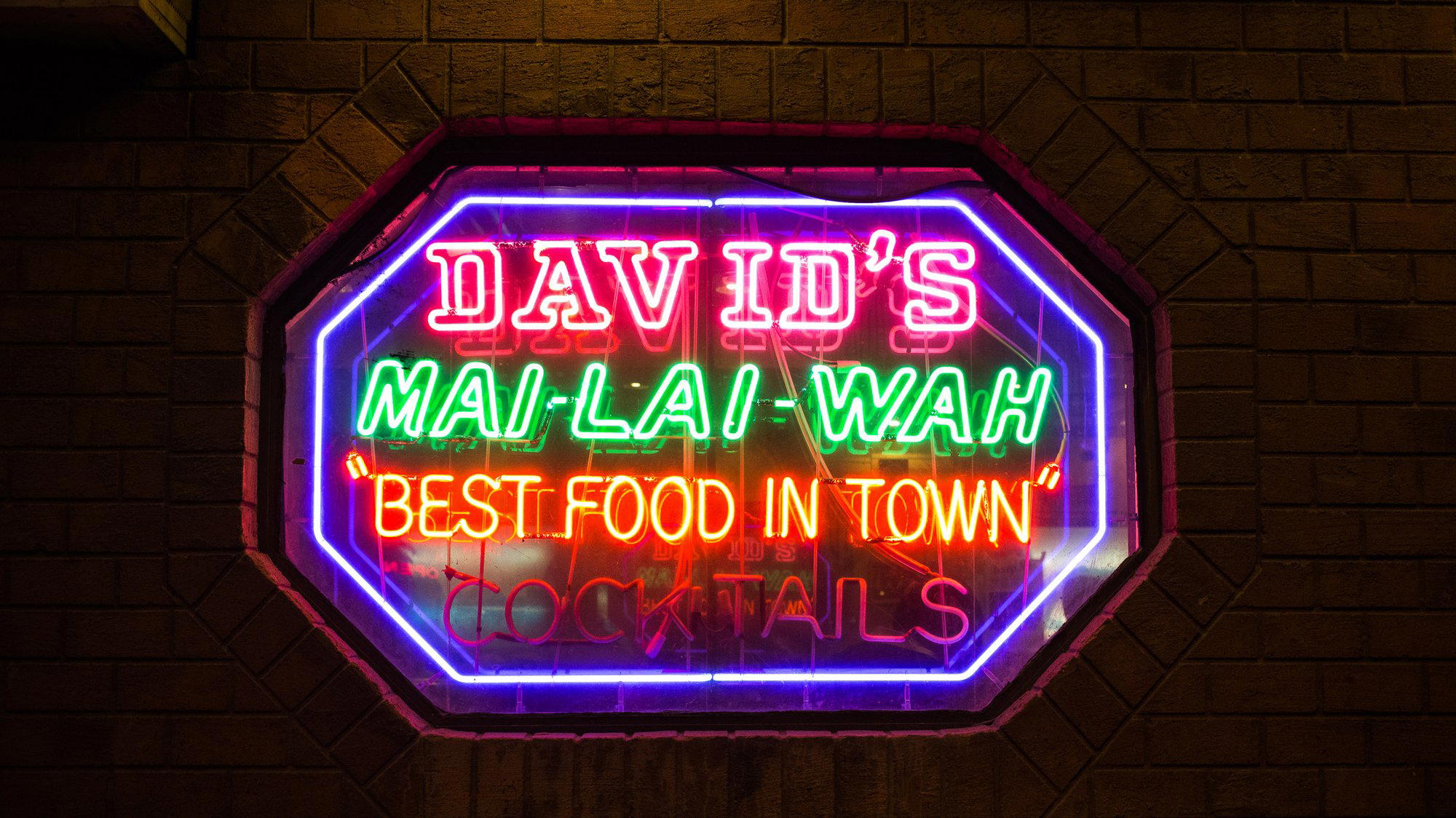
David's Mai Lai Wah serves Cantonese Chinese in a historic building at 1001 Race St, with craft cocktails and a casual, conversational setting for dinner or late night.

Pearl is the En Primeur Club membership app — saves, bookings, and concierge access live there. Same editors, same standards.
- Address
- 1001 Race St, Philadelphia, PA 19107
- Phone
- (215) 627-2610
- Hours
- Mon 4 PM–2:30 AMTue ClosedWed–Sun 4 PM–2:30 AM
- Website
- davidsmailaiwah.com
- Directions
- Get directions
The menu
What to order
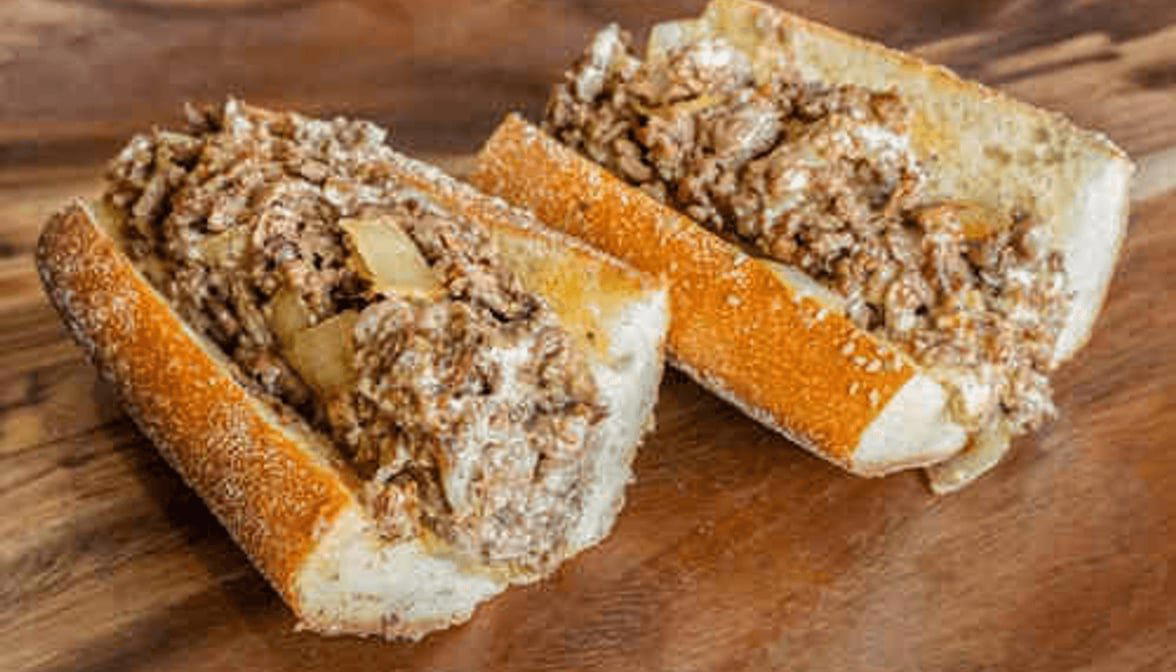
- Seafood bird’s nest
- Salt & pepper chicken wings
Chinatown's Long Counter, Race Street's Longer Memory
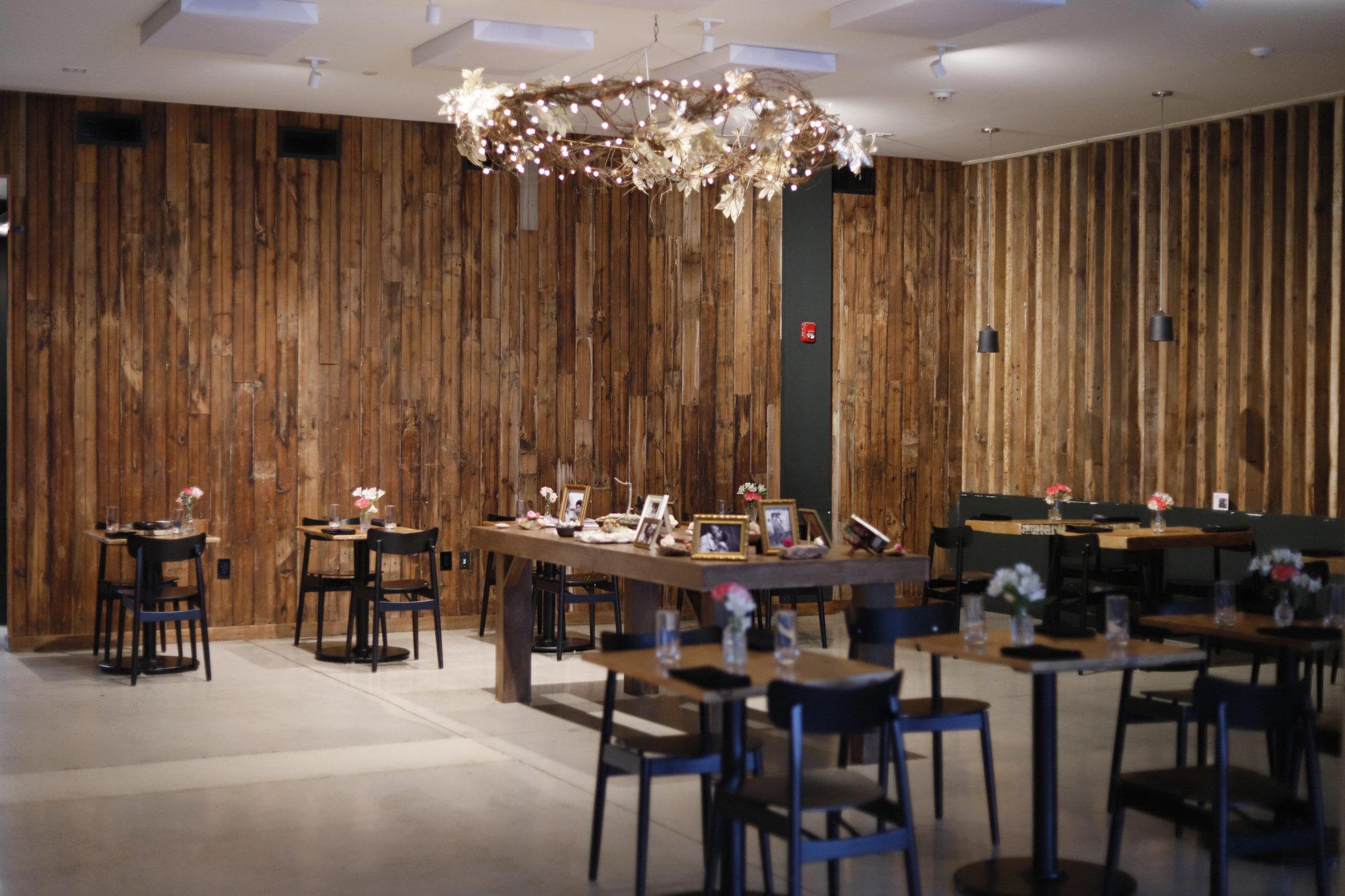
At the corner of Race and 10th in Philadelphia's Chinatown, the building at 1001 Race St carries the kind of accumulated presence that newer dining rooms spend decades trying to manufacture. David's Mai Lai Wah is one of those rare addresses where the atmosphere arrives before the food does: the hum of a room operating at full capacity, the particular acoustics of a Cantonese dining hall where conversation layers over the clatter of ceramic and steel, and a visual register that reads less like interior design and more like institutional memory. This is a room that has been feeding people for a long time, and it shows in every surface.
Philadelphia's Chinatown, anchored along Race Street and spreading north from Arch, operates as one of the more self-contained dining districts on the East Coast. It runs on community patronage more than tourism, which means the restaurants here are not calibrated for first impressions so much as for repeat visits. David's Mai Lai Wah fits that pattern exactly. Its regulars are not drawn by rotating menus or tasting formats; they come because the kitchen executes a consistent category of Cantonese and Chinese-American cooking that has remained largely unchanged as the restaurant scene around it has cycled through trends.
What the Room Tells You Before You Order
The sensory experience at David's Mai Lai Wah is defined by density: the room fills quickly, noise levels climb into the comfortable range of a working dining hall, and the visual field is occupied by the activity of a kitchen feeding a full house. The lighting is practical rather than atmospheric, which is its own kind of signal. Restaurants that dim their lights are often compensating for something; rooms that stay bright are confident in what they're serving. Here, the confidence is in the food and the pace, not in the staging.
The smell that greets you on entry is a reliable preview: roasted pork, the base notes of long-cooked stocks, and the high, clean register of wok heat. These are not constructed aromatics applied to create a mood; they are the byproduct of a kitchen that has been running the same processes across a long operational history. In Cantonese cooking, that consistency of smell is a functional trust signal. It tells you the kitchen is at temperature and the proteins have been handled correctly.
Chinatown dining halls of this type occupy a specific position in the broader American Chinese dining story. They are the working registers of a cuisine that was adapted, commercialized, and then gradually re-examined by successive generations of cooks and critics. The category that David's Mai Lai Wah represents, the full-service Cantonese house with a broad menu and a physical scale that supports large-table dining, is now less common than it was at the height of Chinatown's commercial expansion. Across most American cities, the format has contracted as rents have risen and younger operators have moved toward smaller, more specialized formats. Philadelphia's Chinatown has retained more of these full-format operations than comparable districts in some other cities, which gives places like David's Mai Lai Wah a contextual significance beyond their individual menus.
Where It Sits in Philadelphia's Dining Spread
Philadelphia's restaurant scene has diversified sharply over the past decade. The New American tier, represented by places like Fork and Friday Saturday Sunday, competes at a price and ambition level that draws national critical attention. Across the city, operators running culturally specific kitchens, including Mawn (Cambodian and Pan-Asian), South Philly Barbacoa (Mexican), and My Loup (French-inspired), have built followings that cross neighborhood lines. David's Mai Lai Wah occupies a different position in that spread: it is not competing for tasting-menu audiences or critical recognition in the award-cycle sense. It is operating as a neighborhood institution within a specific ethnic dining district, which is a different category of significance and a different measure of success.
For visitors building a Philadelphia itinerary around restaurant variety, the Chinatown address at Race and 10th sits within walking distance of Center City and is accessible without navigating the parking constraints of South Philadelphia or the logistical overhead of a reservation-only dinner. That accessibility, combined with a format that accommodates groups ranging from two to a full banquet table, gives it a practical utility that more formal operations, including nationally recognized rooms like Le Bernardin in New York City, The French Laundry in Napa, or Smyth in Chicago, do not offer. The trade is obvious: you are exchanging precision and curation for volume, speed, and the specific pleasure of eating in a room that is not performing anything for you.
For a broader map of where David's Mai Lai Wah fits within the city's full dining range, the EP Club Philadelphia restaurants guide covers the categories in detail, from the refined end of the spectrum to the Chinatown and neighborhood operations that form the city's working culinary infrastructure.
Planning Your Visit
The practical logistics for Chinatown dining in Philadelphia differ from the reservation-heavy tier. David's Mai Lai Wah at 1001 Race St, Philadelphia, PA 19107, operates in a district where walk-in traffic has historically been the norm.
| Venue | Format | Booking | Price Tier | Cuisine |
|---|---|---|---|---|
| David's Mai Lai Wah | Full-service dining hall | Verify directly | Not confirmed | Cantonese / Chinese-American |
| Fork | New American, sit-down | Reservation recommended | Mid-high | New American |
| Friday Saturday Sunday | New American, tasting-adjacent | Advance booking | High | New American |
| Mawn | Cambodian, Pan-Asian | Verify directly | Mid | Cambodian / Pan-Asian |
| South Philly Barbacoa | Counter service / casual | Walk-in | Budget | Mexican |
For visitors whose Philadelphia trip includes dining at different price tiers and formats, the contrast between a Chinatown operation like David's Mai Lai Wah and the reservation-driven rooms in Center City or Rittenhouse is itself useful information about how the city's dining infrastructure is organized. The same reader appetite for culinary range that drives visits to destination-level operations, among them Atomix in New York City, Providence in Los Angeles, Addison in San Diego, Blue Hill at Stone Barns in Tarrytown, Single Thread Farm in Healdsburg, Lazy Bear in San Francisco, The Inn at Little Washington, Emeril's in New Orleans, or Atelier Moessmer Norbert Niederkofler in Brunico, is exactly the appetite that benefits from anchoring a city visit in the kind of longstanding neighborhood operation that David's Mai Lai Wah represents.
Frequently asked questions
What part of town is David's Mai Lai Wah in?
David's Mai Lai Wah is located at 1001 Race St, Philadelphia, PA 19107, Philadelphia.
How long has David's Mai Lai Wah been part of Philadelphia's Chinatown?
David's Mai Lai Wah at 1001 Race St has operated long enough to function as a generational reference point in Philadelphia's Chinatown, which itself anchors along Race Street between 9th and 11th. That kind of tenure in a dense urban Chinatown is its own form of credential.
What do regulars order at David's Mai Lai Wah?
The ordering pattern at 1001 Race St follows the rhythm of a working Chinatown kitchen: roasted meats, congee, and dim sum-style plates move fastest at the tables. Regulars tend to treat the menu as a repertoire of Cantonese staples rather than a list of specials, returning to the same dishes across visits. The room's density and pace reinforce that approach — this is a place built around repetition and reliability, not novelty.
Can I walk in to David's Mai Lai Wah?
David's Mai Lai Wah operates in Philadelphia's Chinatown, where the dining format skews toward walk-in traffic rather than advance reservations. At 1001 Race St, the expectation is counter-style availability — arrive, wait if the room is full, and seat when space opens. Weekend lunch and dinner peaks fill the room quickly, so off-peak timing on weekday visits gives the clearest run at a table without a wait.
Reputation First
Comparable venues nearby, for context on price, style, and recognition.
| Venue | Cuisine | Price | Notes |
|---|---|---|---|
| David's Mai Lai WahThis venue — the venue you are viewing | Cantonese Chinese | $20–30 | Not listed |
| Ray's Cafe & Tea House | Taiwanese-Chinese Cafe | $10–20 | Chinatown |
| Cafe Lift | Seasonal American Brunch Cafe | $20–30 | Callowhill |
| The Belgian Cafe | Belgian Gastro-Pub | Not listed | Spring Garden |
| Porcini | Modern Italian Trattoria | $30–50 | Rittenhouse Square |
| LaScala's Fire-University City | Wood-Fired Italian-American | $20–30 | University City |