Our verdict
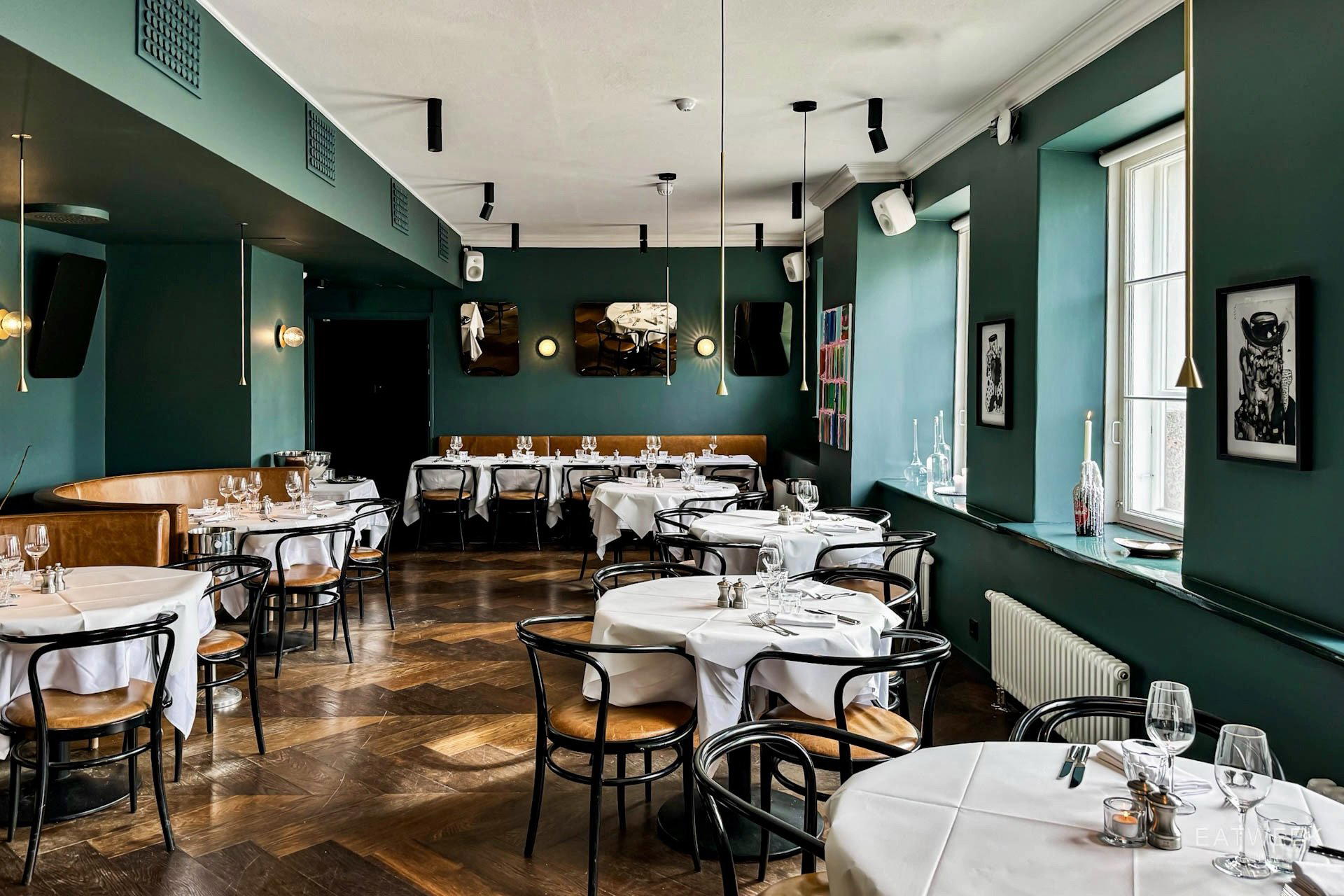
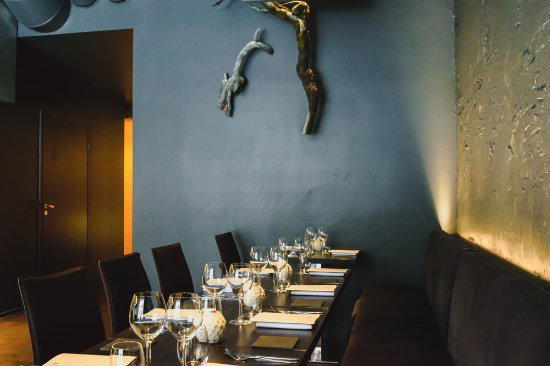
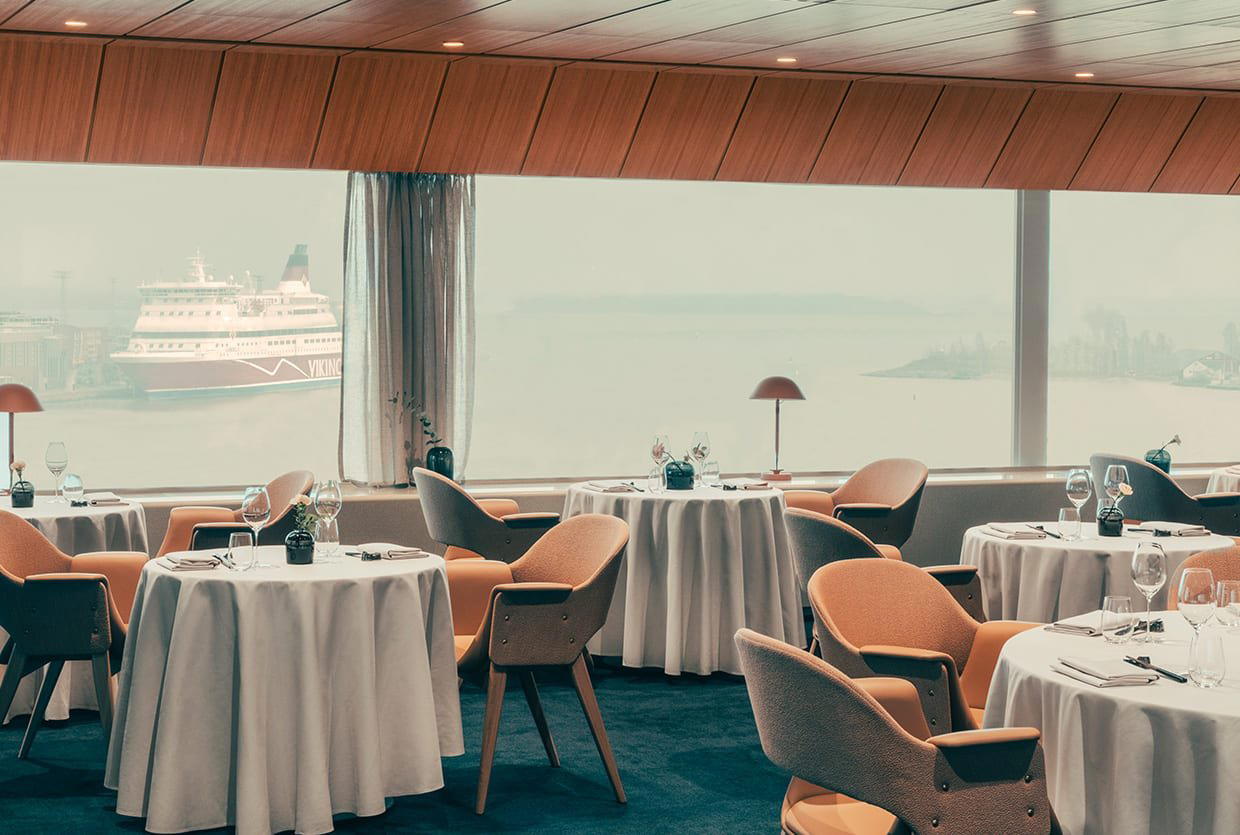
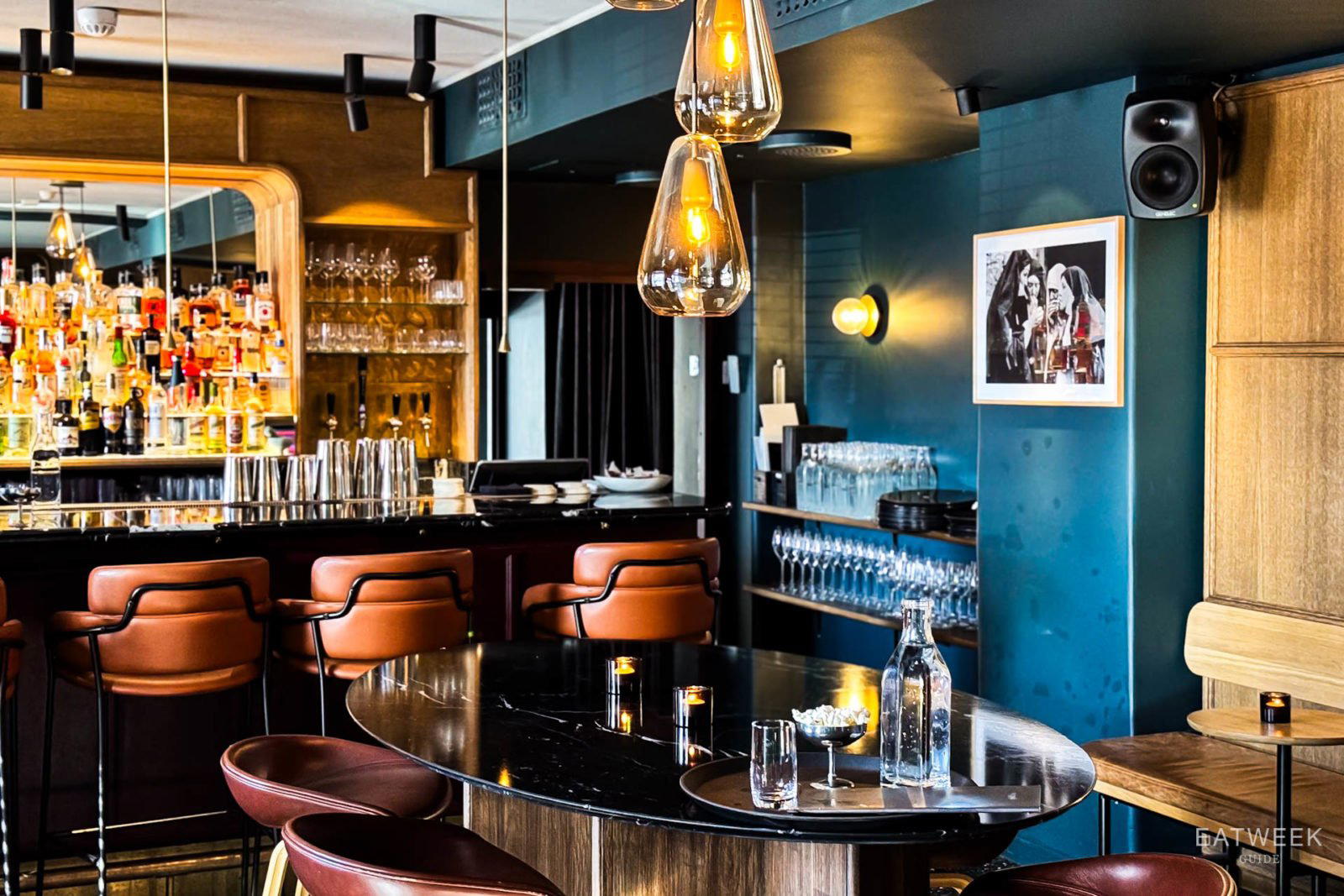
Paulette occupies a quiet address on Kapteeninkatu in Helsinki's Ullanlinna district, where the French bistro tradition meets the considered pace of a Nordic neighbourhood restaurant. The room signals something deliberate rather than casual, and the kitchen operates within a culinary register that Helsinki has increasingly made its own: European technique applied with Finnish restraint. For those working through the city's mid-range dining scene, it merits attention.

Pearl is the En Primeur Club membership app — saves, bookings, and concierge access live there. Same editors, same standards.
- Address
- Kapteeninkatu 24, 00140 Helsinki, Finland
- Phone
- +358407671037
- Hours
- Mon ClosedTue–Sat 4–10 PMSun Closed
- Website
- paulettehelsinki.fi
- Directions
- Get directions
- Booking
- Book on the venue's website
The menu
What to order
- Salmon with bulgur and lemongrass sauce
- Lasagne
A French Register in a Nordic City
Helsinki's restaurant culture has, over the past decade, sorted itself into recognisable tiers. At the leading sit the tasting-menu destinations — Palace, Grön, and Olo — where Michelin recognition and multi-course formats set the tempo. Below them, a more interesting and arguably more contested space has opened up: neighbourhood restaurants that import a specific European culinary grammar and apply it with local seriousness. Paulette, at Kapteeninkatu 24 in Ullanlinna, operates in this second register.
The French bistro tradition that Paulette draws from is one of Europe's most durable dining formats precisely because it resists spectacle. At its finest, it is organised around simplicity executed with care, a short menu, seasonal ingredients, classical technique applied without theatrics. In Paris, this format has survived decades of gastronomy fashion cycles. In Helsinki, where winters are long and the appetite for warmth is architectural as much as culinary, it translates with surprising coherence.
Ullanlinna and the Logic of the Address
Kapteeninkatu sits in Ullanlinna, one of Helsinki's older residential neighbourhoods south of the city centre, where the street grid tightens and the buildings date from the early twentieth century. The area lacks the foot traffic of Kamppi or the tourist density of the Market Square waterfront, which gives restaurants here a different operating logic. They serve a local clientele first, which in practice means the kitchen has to earn repeat visits rather than rely on passing discovery.
This is a meaningful distinction. Neighbourhood restaurants that survive in low-footfall addresses tend to do so because the cooking is consistent, the room is comfortable across multiple seasons, and the price-to-quality relationship holds up on a Tuesday as well as a Friday. The address at Kapteeninkatu 24 places Paulette in that accountability structure by default.
For visitors, the neighbourhood is fifteen to twenty minutes on foot from the Senate Square area, or a short tram ride south. It sits closer to the sea than most of Helsinki's central dining cluster, and the streets around it are quieter in a way that makes the walk worthwhile. Those planning a broader Helsinki itinerary might pair it with the waterfront or the Design District, which overlaps with Ullanlinna's northern edge.
The French Bistro Tradition and What It Demands
The French bistro format has travelled widely, and not always successfully. What tends to fail in translation is the calibration: the format looks simple but requires precise decisions about sourcing, portion logic, and the relationship between the carte and the plat du jour. A short menu that changes with the market is harder to execute than a long static one, because there is nowhere to hide a weak day's produce.
In Helsinki, the culinary context adds another layer. Finnish diners who have eaten at Finnjävel Salonki or followed the New Nordic turn at The ROOM by Kozeen Shiwan bring a calibrated palate to even casual meals. The city's dining culture has been shaped by years of serious ingredient conversation, which means that a French-register restaurant here is operating in front of an audience that notices sourcing decisions. That pressure, applied consistently, tends to make the cooking more considered rather than less.
The broader Finnish culinary scene provides useful comparison points beyond Helsinki itself. Restaurants like Kaskis in Turku and VÅR in Porvoo demonstrate that serious cooking is distributed across the country rather than concentrated solely in the capital. Bistro Henriks in Tampere operates in a comparable neighbourhood-restaurant format in its own city. This wider Finnish context matters because it establishes that Paulette is not a lone proposition, it exists within a national dining culture that has grown increasingly literate about European culinary tradition over the past fifteen years.
Where Paulette Sits in the City's Dining Map
Helsinki's mid-range dining options have expanded considerably, but the French bistro format remains a smaller cohort than, say, Nordic-inflected tasting menus or the city's growing Asian restaurant scene. In that smaller cohort, the criteria for assessment shift: technique over novelty, consistency over occasion, the room's atmosphere as a daily proposition rather than a special-event backdrop.
The price tier at which Paulette operates, below the tasting-menu ceiling of Palace or Olo, but above the purely casual end of the market, places it in direct conversation with a Helsinki diner who has an intermediate level of expectation: someone who has eaten at the top tier, knows what good cooking looks like, and is choosing a neighbourhood option on the basis of trust rather than occasion. That is a harder position to hold than it looks from outside the category.
For international reference, the French bistro format that Paulette inhabits is structurally different from the technically elaborate tasting-menu format associated with institutions like Le Bernardin in New York City or the Korean-influenced precision of Atomix. The comparison is useful precisely because it clarifies what the bistro format is not trying to do: it does not compete on length, rarity, or theatre. It competes on the quality of a single well-made dish and the comfort of an unhurried room.
Elsewhere in Finland, the range of serious dining continues to grow. Hai Long in Rovaniemi, Filipof in Joensuu, Gösta in Mänttä, Figaro in Jyväskylä, JJ's BBQ in Salo, Vintti in Hameenlinna, and Hejm in Vaasa collectively indicate that Finnish dining is not a Helsinki-only story. Paulette sits within that national context as a Helsinki-specific expression of European culinary tradition applied with local intent.
Planning a Visit
Paulette is at Kapteeninkatu 24, 00140 Helsinki. For current opening hours, booking options, and menu information, visiting the restaurant directly or checking current listings is the most reliable route, as details shift seasonally. The neighbourhood is manageable on foot from central Helsinki, and the quieter streets around Ullanlinna make the walk to the address part of the experience rather than a navigation task. For a broader read on Helsinki's dining options before or after a visit here, the EP Club Helsinki restaurants guide covers the full range of the city's current scene.
Frequently asked questions
Where do I go for Paulette?
Paulette is located at Kapteeninkatu 24, 00140 Helsinki, Finland, Helsinki.
How does Paulette compare to Helsinki's tasting-menu restaurants?
Paulette operates in the mid-range rather than the tasting-menu tier where venues like Palace set the benchmark in Helsinki. The French bistro format is deliberately less formal: shorter menus, à la carte ordering, and a neighbourhood setting on Kapteeninkatu in Ullanlinna. For diners who find Helsinki's high-end tasting menus either too lengthy or too expensive for a weeknight, Paulette represents a different category of intention entirely.
What do regulars order at Paulette?
The kitchen follows the French bistro register, so expect the kind of menu built around classic technique rather than seasonal experimentation. Paulette sits in Ullanlinna at Kapteeninkatu 24, and the neighbourhood crowd tends to return for precisely that consistency. For the current menu, checking directly with the restaurant is the surest route.
What's the best way to book Paulette?
Paulette is located at Kapteeninkatu 24, 00140 Helsinki. No booking link or phone number is listed centrally, so contacting the restaurant directly — via their own channels or an in-person visit — is the practical approach. Walk-in availability will depend on the day and time.
What is Paulette known for?
Paulette holds a specific position in Helsinki's dining map as one of the few venues maintaining a French bistro format in the city. That places it in a smaller cohort than the Nordic-inflected tasting-menu destinations that dominate Helsinki's upper tier. The Ullanlinna address, in a quieter residential quarter south of the centre, reinforces the neighbourhood bistro character rather than the destination-restaurant model.
Side-by-Side Snapshot
Comparable venues nearby, for context on price, style, and recognition.
| Venue | Cuisine | Price | Awards | Notes |
|---|---|---|---|---|
| PauletteThis venue — the venue you are viewing | French Brasserie with Nordic Influences | Not listed | Not listed | Not listed |
| Pompier Espa | Modern French with Finnish Twist | $50–100 | Not listed | Kluuvi |
| Rue Madame Brasserie | French-Finnish Brasserie | $50–100 | Not listed | Kluuvi |
| Brasserie Grand | Modern French Brasserie | $30–50 | World Best Burgers World's 101 Best Burgers #69 | Kluuvi |
| Cafe Savoy | Southern French Bistro | $50–100 | Michelin Plate · Star Wine List | Kaartinkaupunki |