
World's 50 Best #38
Sling In on Helsinginkatu earned a place on the World's 50 Best Bars list in 2010, ranking 38th at a time when Helsinki's cocktail scene was little-known internationally. The bar carries, one of the city's most concentrated areas for independent drinking. It remains a reference point for understanding how Nordic bar culture developed its own voice.

Pearl is the En Primeur Club membership app — saves, bookings, and concierge access live there. Same editors, same standards.
- Address
- Helsinginkatu 13, 00500 Helsinki
- Phone
- +358 40 1803199
- Website
- strutsbar.fi
- Directions
- Get directions
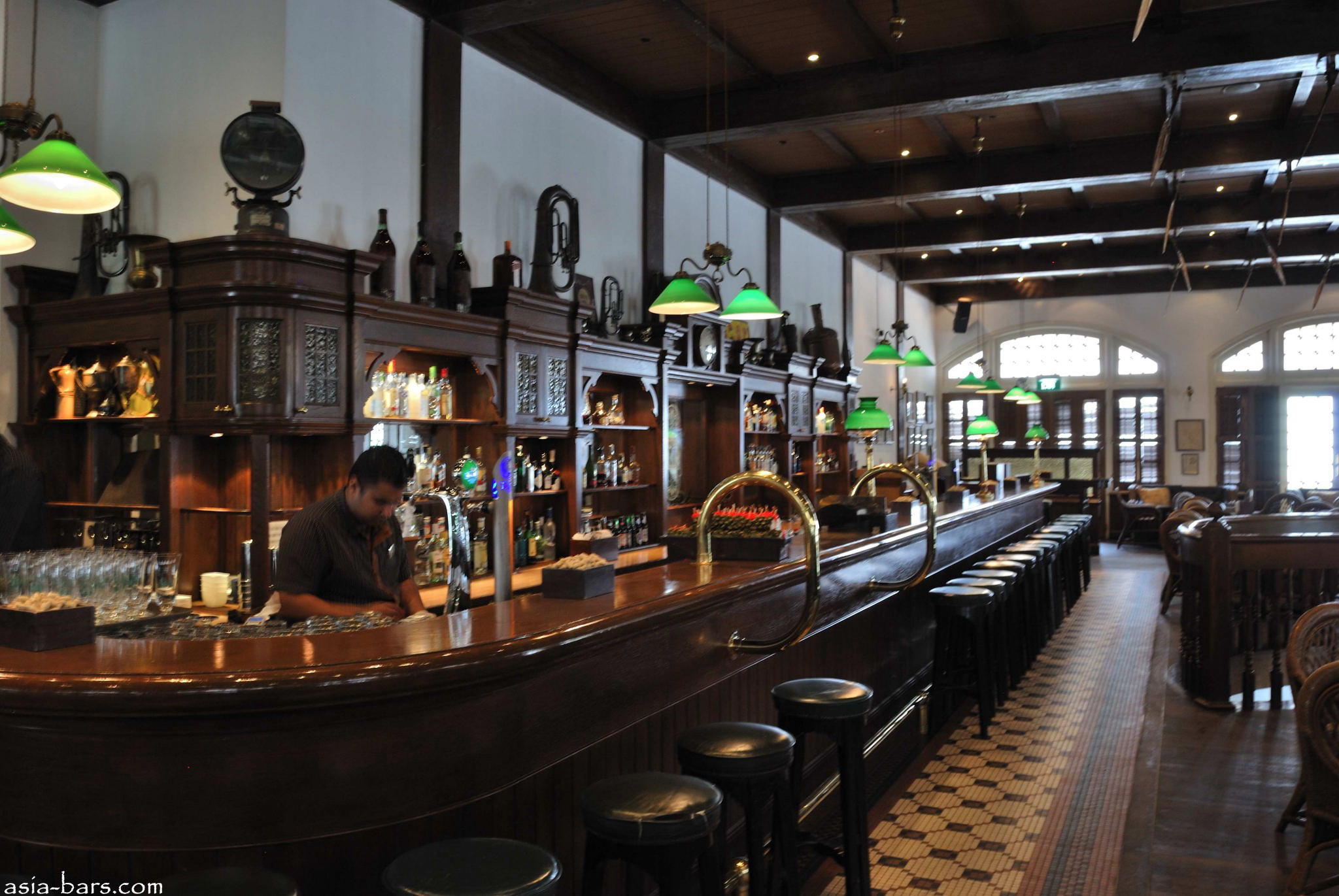
Kallio's Counter and the Architecture of a Nordic Cocktail List
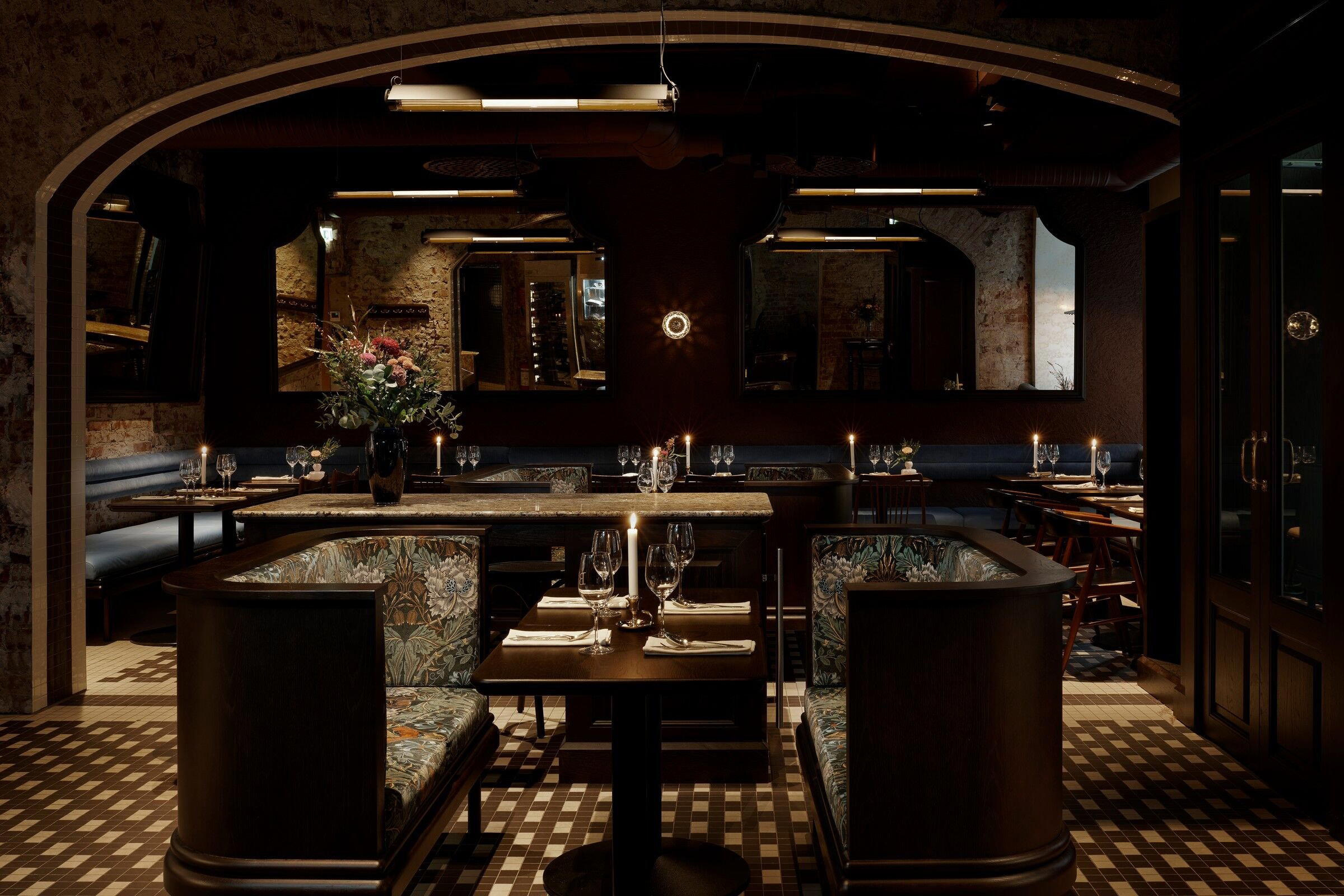
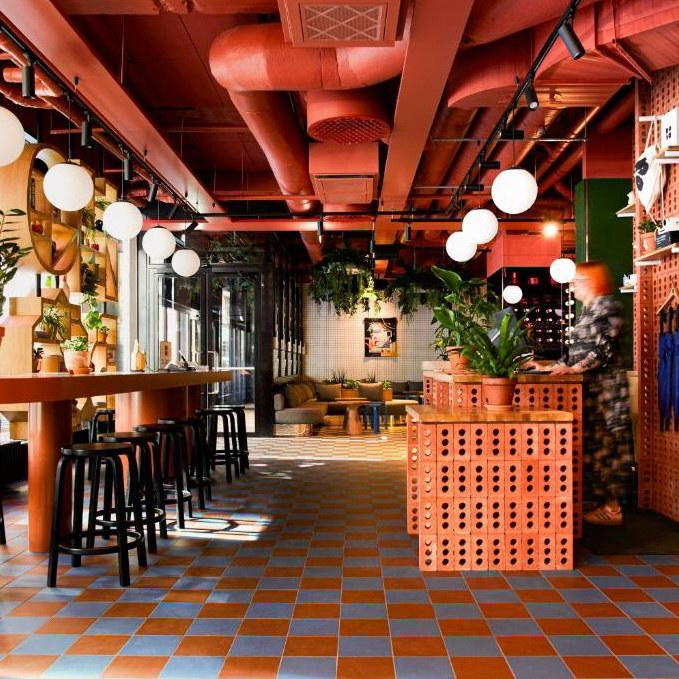
Helsinginkatu runs through Kallio, Helsinki's most densely independent neighbourhood, where the bar-to-resident ratio is higher than anywhere else in the city and the clientele tends to arrive with opinions. The street itself is low-key: no doormen, no queues managed by clipboard, no imported design vocabulary borrowed from London or New York. Sling In at number 13 fits that register precisely. The space reads as deliberate rather than decorated, the kind of room where the drink in your hand carries more weight than the furniture around it.
That physical restraint is worth noting because it says something about the Nordic approach to serious cocktail bars more broadly. In cities where premium bar culture emerged in the 2000s without the heritage infrastructure of a London members' club or a Manhattan hotel bar, the credibility had to come from the glass. Theatrics were imported late and somewhat awkwardly; the bars that built lasting reputations tended to do so on programme depth rather than staging. Sling In belongs to that cohort.
What a 50 Best Ranking in 2010 Actually Means
The World's 50 Best Bars list named Sling In at number 38 in 2010. That placing deserves some context before it becomes mere furniture. In 2010, the list was still in its early years, and Scandinavian bars were not yet a reliable presence on it. A Helsinki bar reaching the global top 40 at that moment was not an incremental achievement inside an already-recognised scene; it was one of the earliest signals that Nordic bar culture had developed enough technical coherence to compete with established centres. The bars that appeared on that list in that era now function as reference points for how the wider European cocktail map was redrawn over the following decade.
For comparison, some of the Helsinki bars that have built reputations in the years since, including Alexanderplats, Apotek, and Chihuahua Julep, operate in a city whose international credibility was partly established by programmes like the one at Sling In. The 2010 ranking sits in the record not as nostalgia but as documented evidence of where the sequence started.
Reading the Menu as a Document
The editorial angle that matters most at a bar like Sling In is not the individual drink but the logic of how the list is assembled. In bars that developed outside the conventional Anglo-American lineage, menu architecture tends to reflect a different set of reference points: Nordic spirits traditions, seasonal ingredient sourcing that mirrors what the restaurant world was doing simultaneously, and a tendency to treat classic formats as starting positions rather than final answers.
The gin sling itself, which the bar's name directly references, is a nineteenth-century format that travelled from Singapore and the American South through European cocktail culture in several iterations. A bar that names itself after that format is making a statement about how it positions within the history of the long drink: not dismissing the canon, but entering into active dialogue with it. That is a more sophisticated curatorial position than a venue that simply adopts a house signature and builds outward from there.
What Nordic bar menus of the period tended to do well was structure the list so that the classics column and the house column were in genuine conversation rather than running as parallel tracks for different customers. The result was a programme where the familiar drink was subtly recalibrated without being unrecognisable, and the house creation was anchored in something the drinker could trace back. That kind of architecture requires a coherent editorial point of view behind the bar, not just technical proficiency.
Internationally, that approach was being developed simultaneously at bars like Kumiko in Chicago, Jewel of the South in New Orleans, and Julep in Houston, each of which built credibility around a clear conceptual spine rather than a maximal drink count. The Finnish context simply arrived at that position through a different cultural route, shaped by the country's complicated relationship with alcohol licensing and a spirits tradition that leaned heavily on aquavit and local distillates before the global gin wave arrived.
The Kallio Context
Understanding Sling In requires understanding Kallio. The neighbourhood emerged as Helsinki's primary zone for independent food and drink partly because its lower rents allowed smaller operators to survive the early years of building a following. Over time, that concentration produced something like a genuine scene: bars, natural wine rooms, and small restaurants that share a customer base and a sensibility rather than merely a postcode. Dagmar Bistro and Wine Bar represents the wine-led strand of that same neighbourhood character.
The result is that Sling In exists inside an ecosystem rather than in isolation. Visitors arriving on Helsinginkatu are not making a single destination decision; they are entering a stretch of the city where the evening can move between rooms without losing coherence. That matters for how you plan the visit. Arriving early allows a quieter engagement with the bar programme; the neighbourhood's character shifts noticeably after ten on weekends.
For those building a broader picture of Finnish bar culture beyond Helsinki, the comparison points extend to Cafe Kartano in Tampere, Ravintola Viinille in Turku, and Winebar Kurkela in Oulu, each operating in a different city with its own version of the independent hospitality register that Kallio has in concentrated form. Internationally, Bar Leather Apron in Honolulu offers a useful parallel: a bar that achieved international recognition from a city not typically on the cocktail circuit, building its reputation on programme depth rather than geography.
Planning a Visit
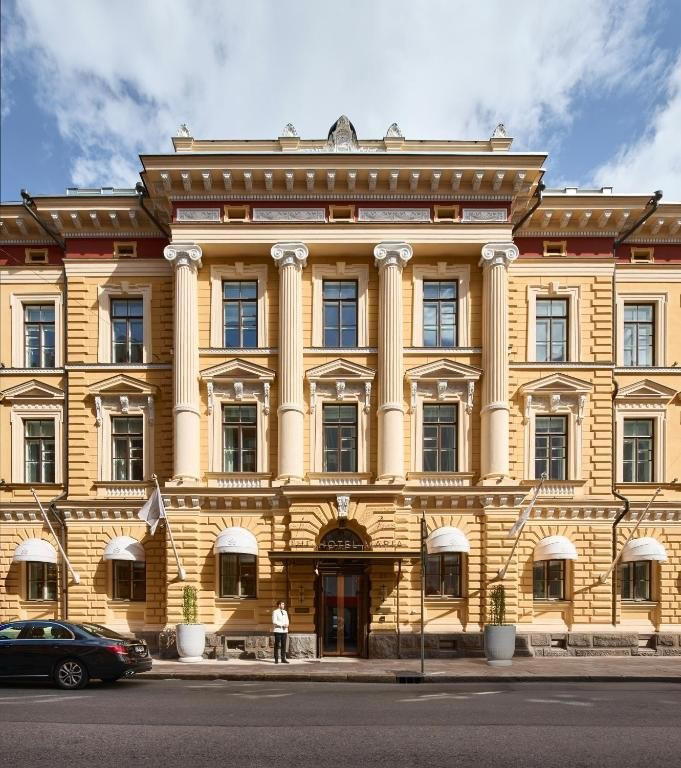
Sling In is at Helsinginkatu 13 in the 00500 postal district, which places it in the northern part of Kallio and walkable from the neighbourhood's main transport connections. That kind of rating tends to indicate a regular clientele with strong opinions rather than passing visitors generating averaged-out scores.
The bar's Helsinginkatu address is a reasonable landmark for planning the rest of the evening in Kallio; the street connects readily to the neighbourhood's wider set of options. Our full Helsinki restaurants and bars guide covers the broader city context for those mapping a longer stay.
Where the Accolades Land
Comparable venues nearby, for context on price, style, and recognition.
| Venue | Cuisine | Price | Awards | Notes |
|---|---|---|---|---|
| Sling InThis venue — the venue you are viewing | cocktail_bar | Not listed | World's 50 Best #38 | Not listed |
| Muru Wine Bar | wine_bar | $50–100 | Star Wine List · Falstaff Wine Bar - 93 Falstaff Points | Kamppi |
| Grape Wine Bar | wine_bar | $30–50 | Star Wine List · Falstaff Wine Bar - 92 Falstaff Points | Kamppi |
| Minne Champagne & Wine | champagne_bar | $50–100 | Star Wine List Best Sparkling Wine List | Kaartinkaupunki |
| Frenn Helsinki Oy | lounge | Not listed | Not listed | Kamppi |
Recognition history
Dated appearances from independent guides and award organizations, with the underlying list record or original source where available.
World's 50 Best Bars #38
World's 50 Best

Details
- Modern
- Sophisticated
- Intimate
- Trendy
- Date Night
- Special Occasion
- Design Destination
- Seated Bar
- Lounge Seating
- Craft Cocktails
- Classic Cocktails
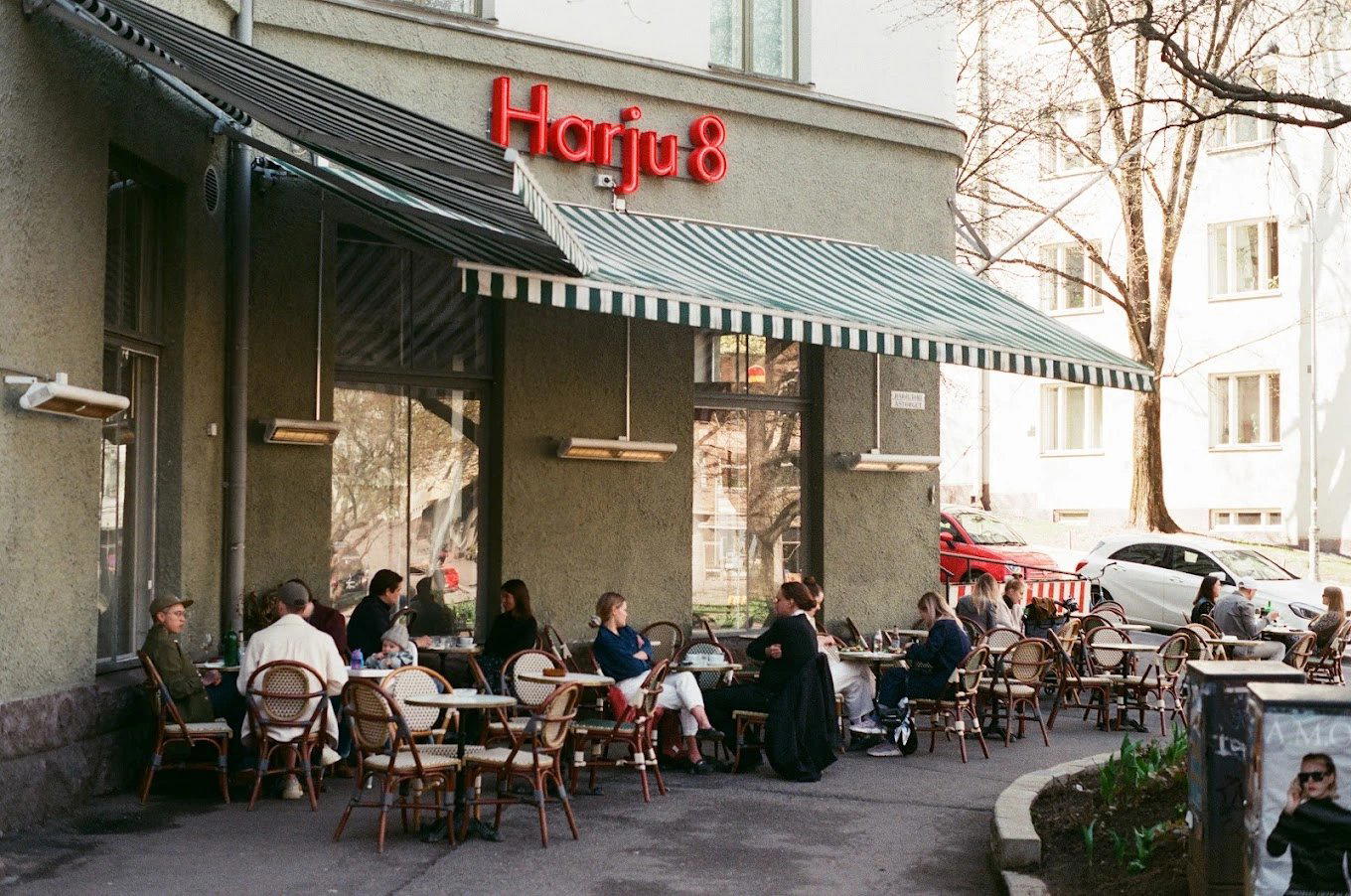
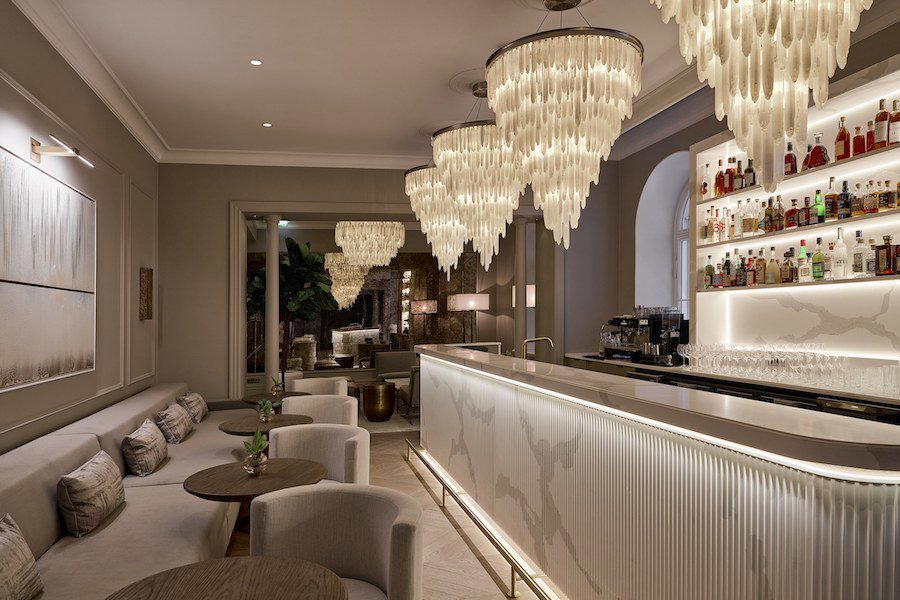
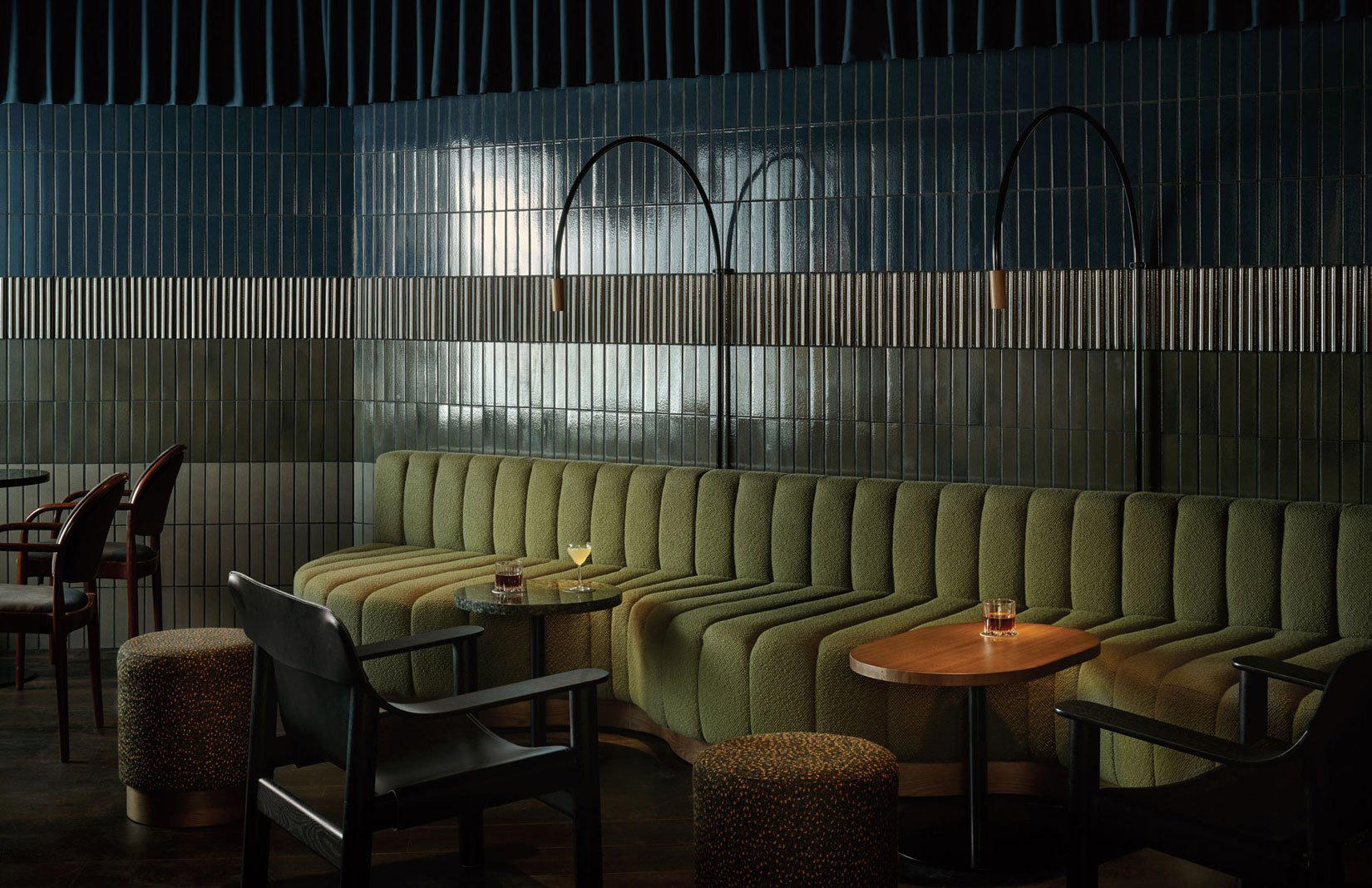
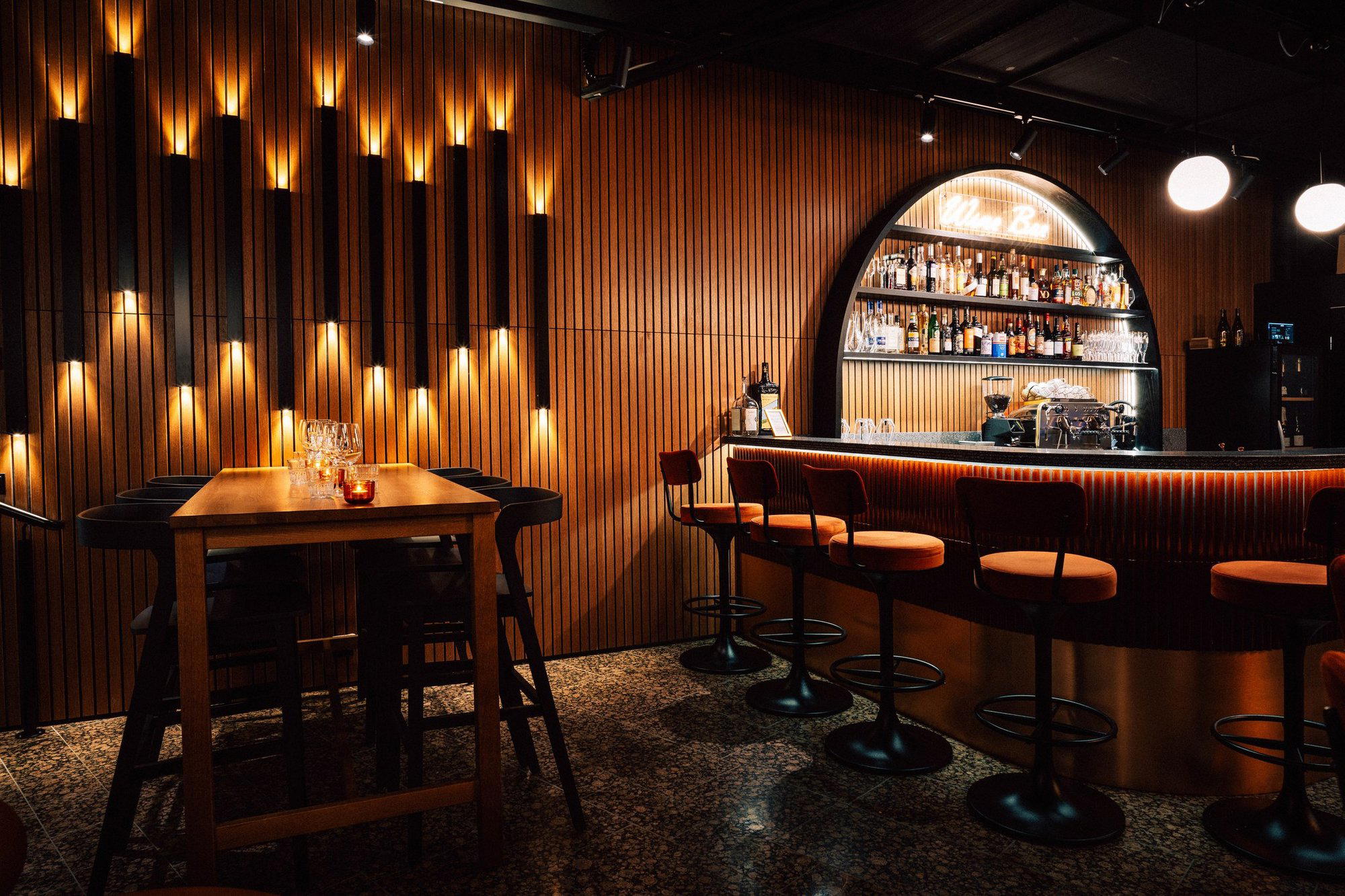
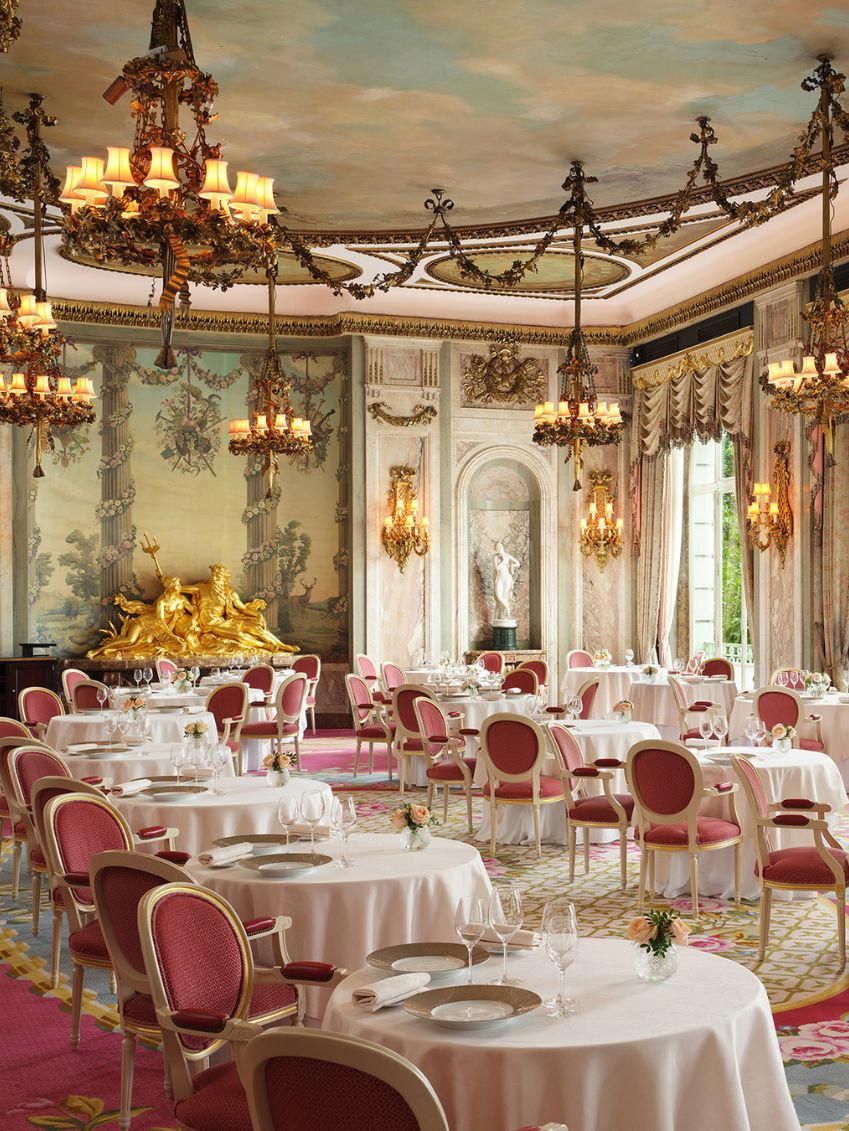
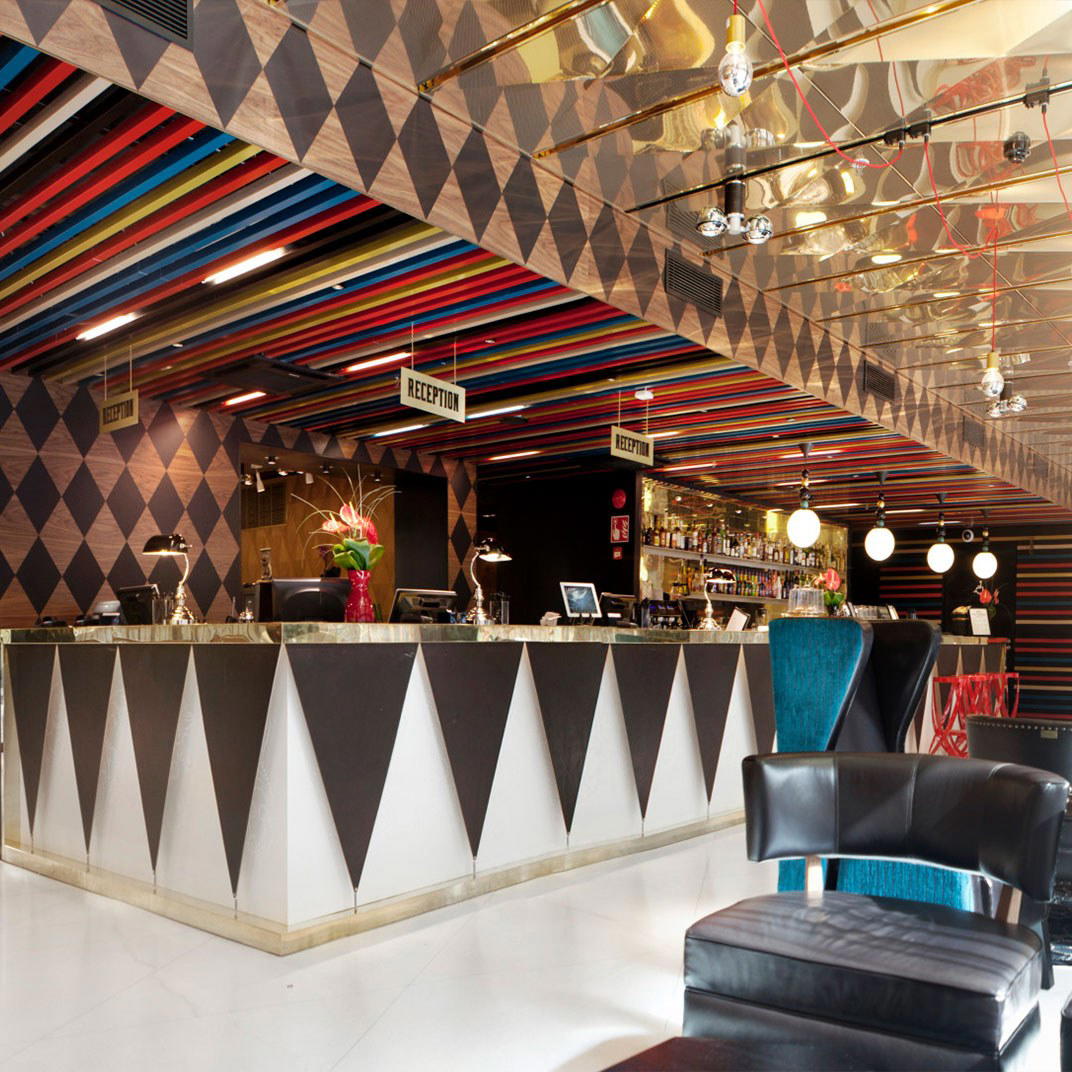
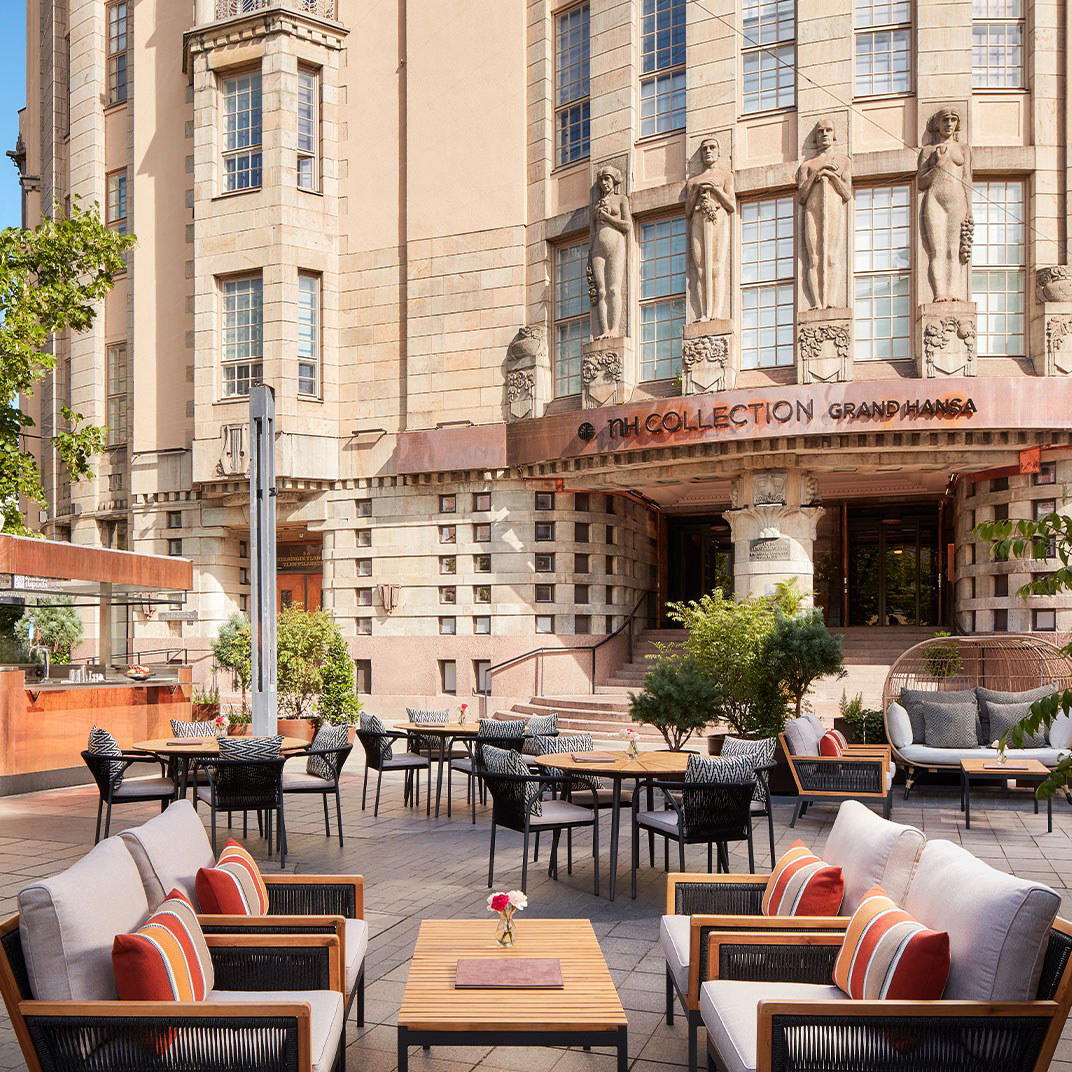
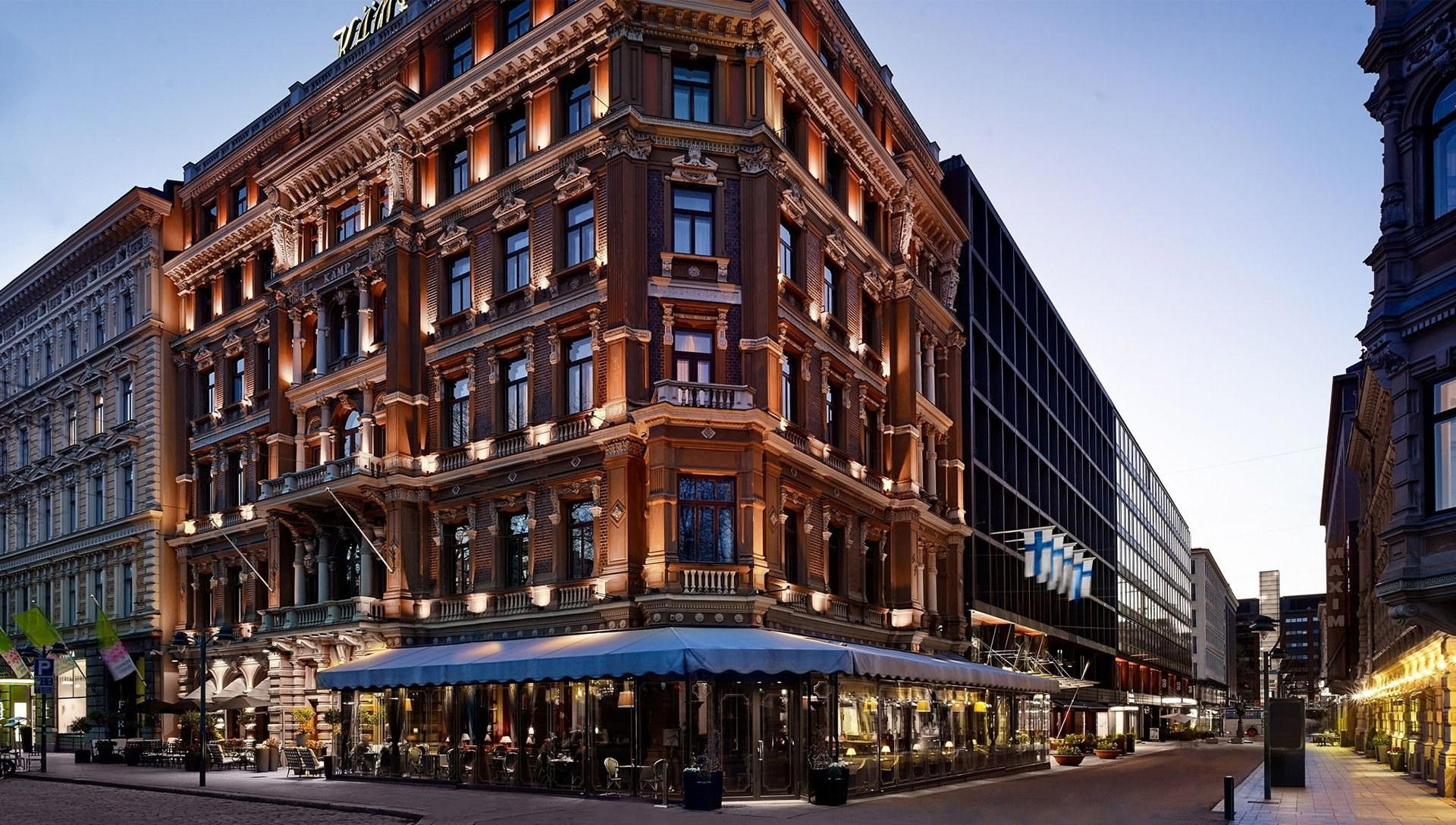
Clean lines, natural materials, light wood elements, and curated lighting creating an inviting yet refined intimate atmosphere.