
Ravintola Kuori occupies a quietly considered address on Hämeenkatu in central Turku, operating within a Finnish dining scene that has grown increasingly serious about local sourcing and seasonal restraint. The restaurant sits in a city that has long punched above its size for food, with a peer group that includes some of Finland's most deliberate kitchens. Booking in advance is advisable, particularly during the summer river season when Turku's restaurant trade is at its most competitive.
Pearl is the En Primeur Club membership app — saves, bookings, and concierge access live there. Same editors, same standards.
- Address
- Hämeenkatu 8, 20500 Turku, Finland
- Phone
- +358400295752
- Website
- ravintolakuori.fi
- Directions
- Get directions
 Saves & bookings on Pearl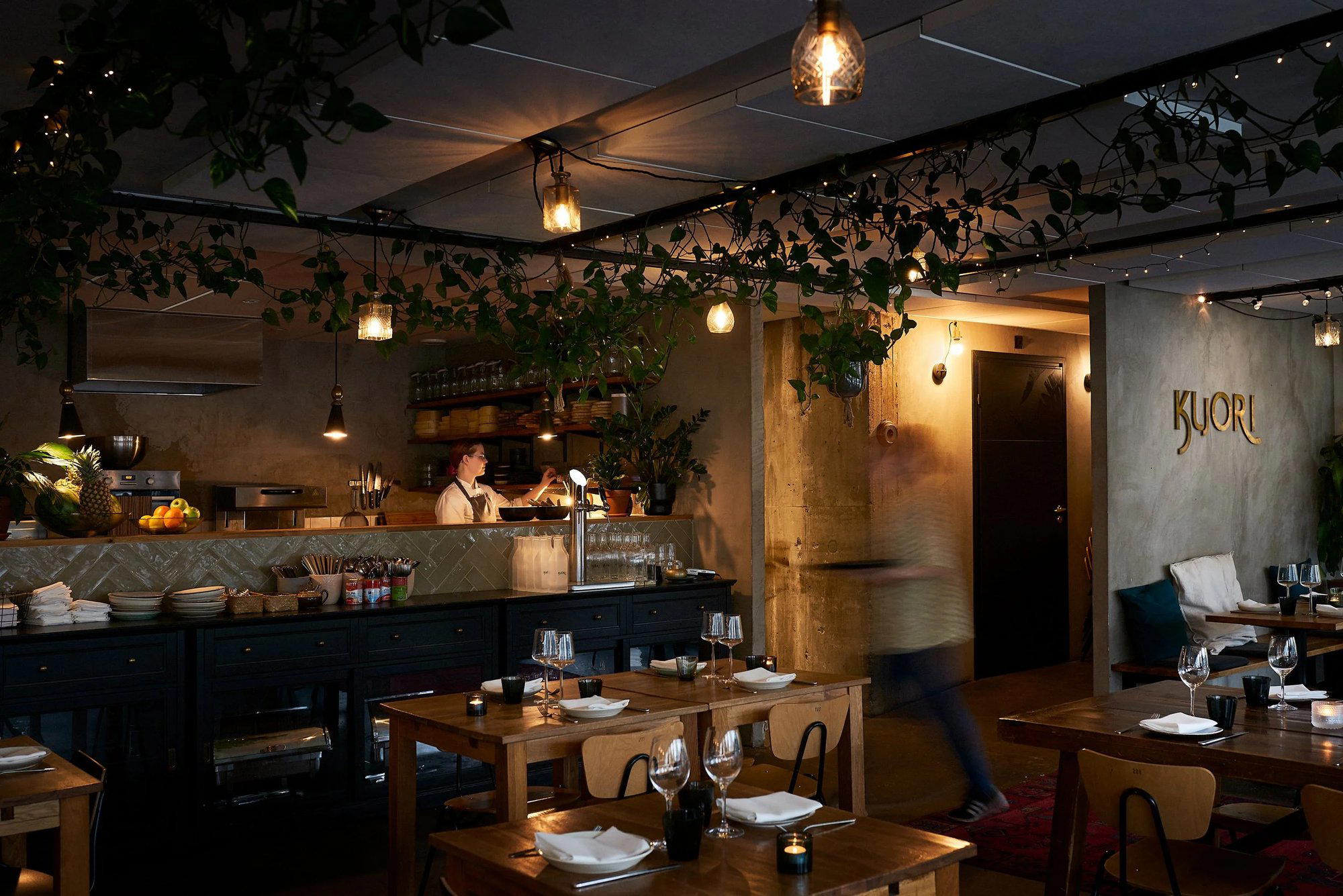
Hämeenkatu in Winter Light: Turku's Quieter Dining Register
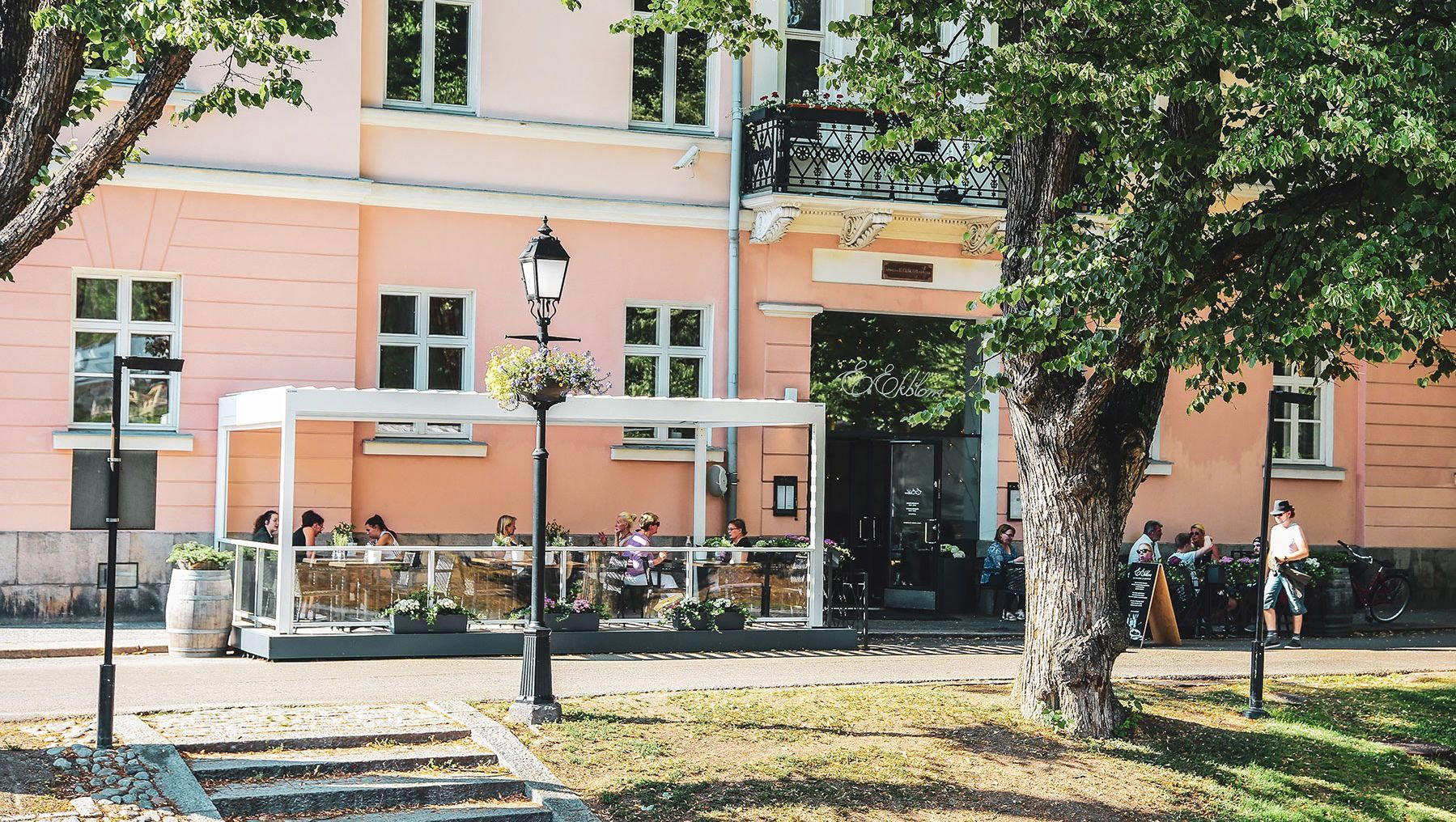
There is a particular quality to dining in Turku during the shoulder months, when the summer crowds have retreated from the Aura riverbanks and the city settles back into its more considered, local rhythm. Restaurants that depend on atmosphere rather than footfall tend to reveal themselves most clearly in this period. Ravintola Kuori, at Hämeenkatu 8 in the centre of the city, is a restaurant in Turku serving modern vegetarian fusion at a mid-range price point. A street-level entry on one of Turku's central arteries, close enough to the cultural core of the city to draw a knowing crowd, far enough from the river terrace circuit to filter for intention over impulse.
Turku has been building a serious dining reputation for longer than most visitors realise. It is Finland's oldest city, and its food culture carries that historical density in ways that Helsinki's more internationally visible scene sometimes obscures. The river corridor has attracted attention, but the more durable part of the city's restaurant identity runs through addresses like this one, where the proposition is less about spectacle and more about the discipline of the plate.
Where Kuori Sits in Turku's Dining Tiers
Turku's upper-middle dining tier has tightened considerably over the past decade. The city now has genuine competition at the serious end: Kaskis operates at the New Nordic register with a price point and format that places it in a national peer conversation, and E. Ekblom has built its own consistent following. Ravintola Kuori occupies a position within that competitive set, drawing on the same general appetite for local produce and seasonal menus that characterises the better Turku tables without the full tasting-menu formality of the city's most structured rooms.
For visitors cross-referencing Finnish dining at the national level, the comparison points extend beyond the city. Palace in Helsinki and VÅR in Porvoo represent what one award-oriented end of Finnish contemporary cooking looks like; Kuori's register is more grounded in local neighbourhood function, which in Turku's context is a different kind of ambition. The city's dining culture rewards this approach, a meal that speaks to where you are rather than performing for an international benchmark.
The comparison also holds regionally. Restaurants such as Bistro Henriks in Tampere and Figaro in Jyväskylä reflect the same dynamic playing out in other Finnish cities of similar scale: serious cooking, local sourcing logic, and a format built for repeat local visits rather than destination dining tourism.
The Sensory Register: What Finnish Seasonal Cooking Means at Street Level
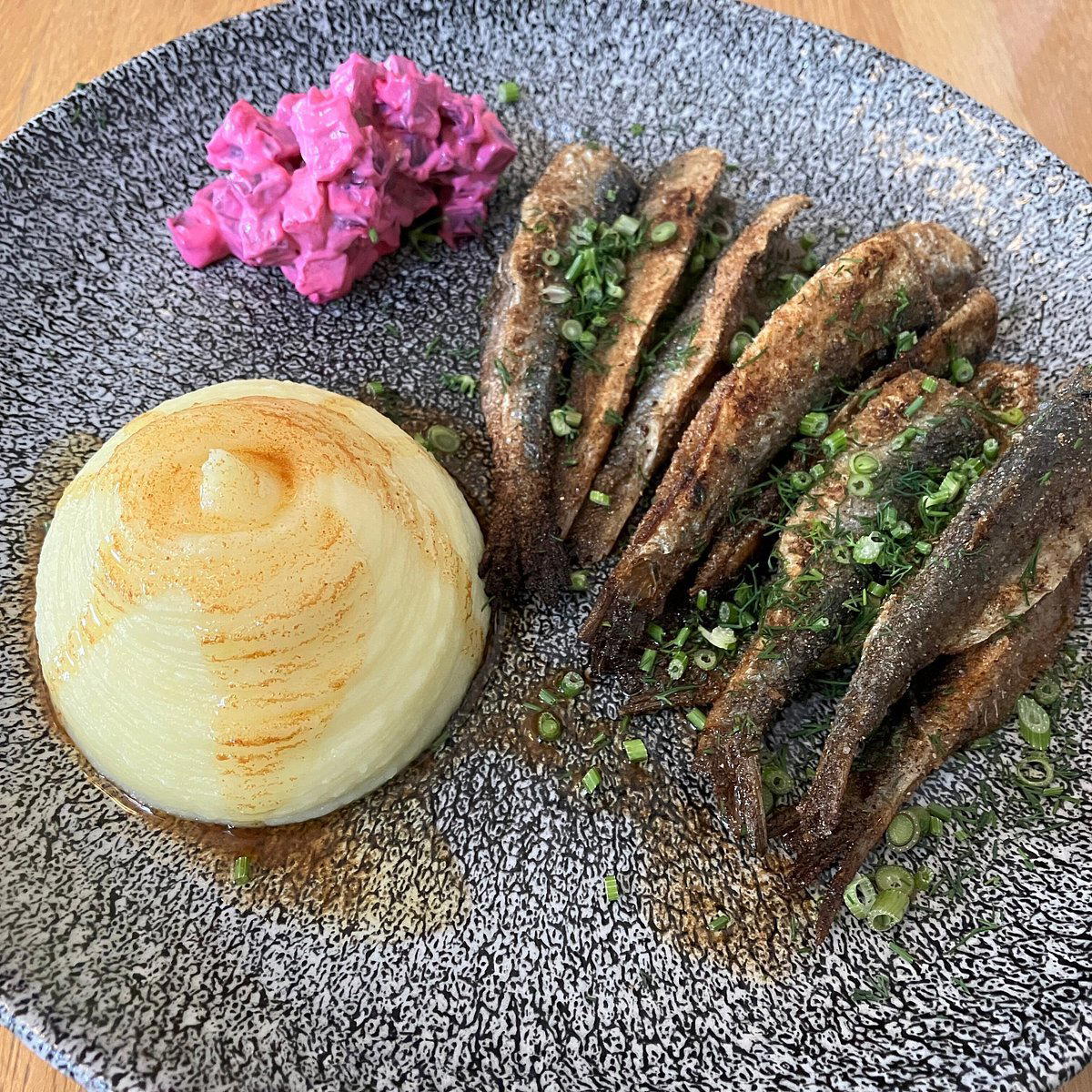
Finnish cuisine's seasonal discipline is not a marketing position, it is a function of geography. A kitchen operating in southwest Finland, as Turku's better restaurants do, works within growing seasons that are short and defined. The transition from late autumn root vegetables and preserved catches to the first spring ingredients arriving from the archipelago and inland farms represents the dominant structural rhythm of any serious menu in this region. That rhythm rewards restaurants that have the supplier relationships and kitchen confidence to follow it without hedging toward year-round imports.
The sensory experience of eating in this tradition at its leading is specific: flavours that arrive with clarity rather than accumulation, preparations where the temperature and texture of an ingredient is doing more work than a sauce, and a room atmosphere that reflects the Finnish instinct for restraint in design as much as in cooking. The warmth of a well-lit interior against the dark of a Finnish winter evening is part of the register. It is not accidental that the restaurants operating most credibly in this tradition tend to have rooms that feel inhabited rather than designed for photography.
For readers who want to calibrate what this approach looks like internationally, Atomix in New York City offers a useful reference point for how seasonal, produce-led tasting formats have been interpreted elsewhere, while Le Bernardin demonstrates the kind of produce-first kitchen discipline that Finnish seasonal cooking draws from in its own idiom.
Turku's Supporting Cast: Before and After Dinner
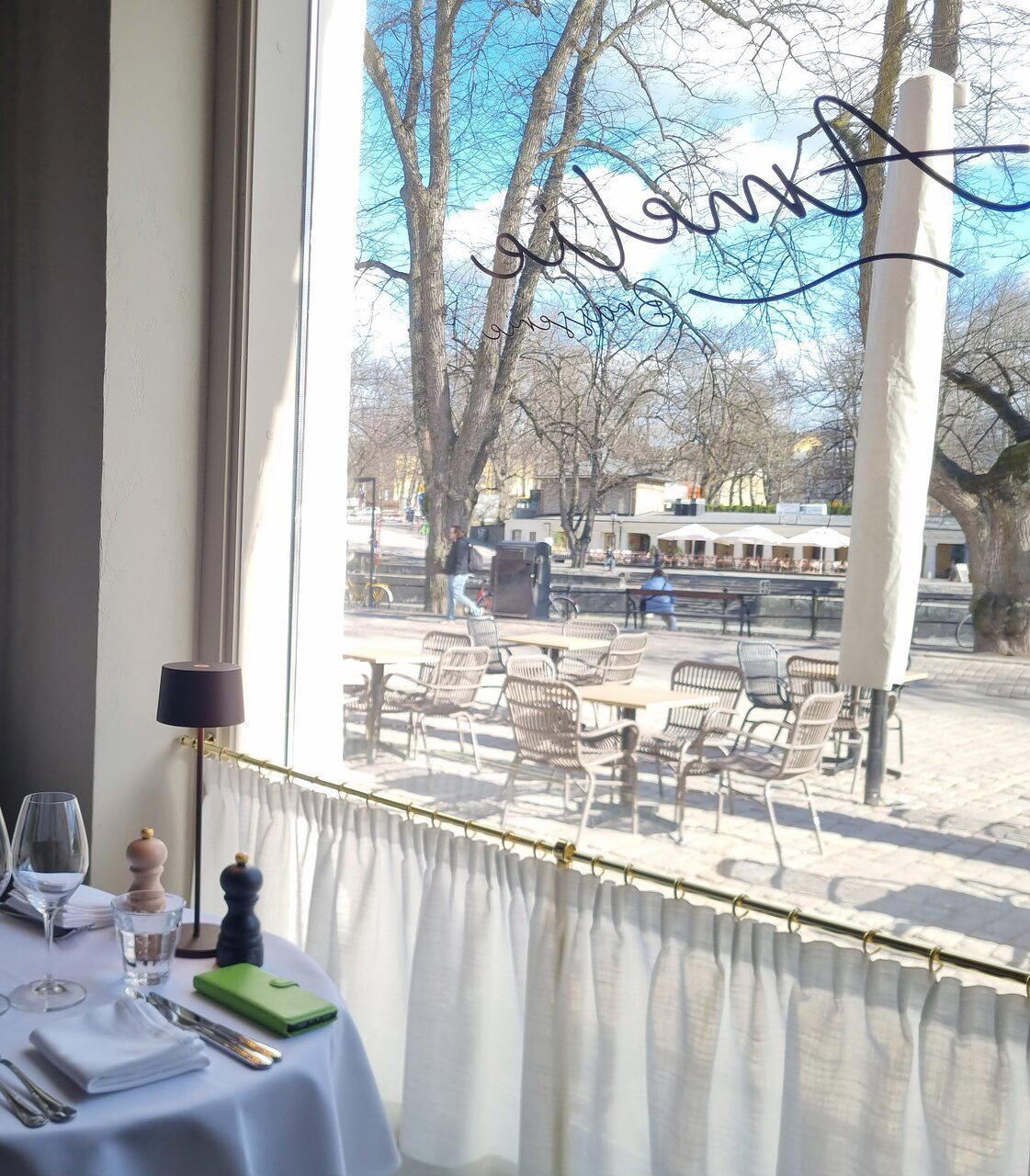
Hämeenkatu's central position means the broader Turku dining and drinking circuit is within easy reach. Bar4 and Brasserie Amelie both function as credible bookends to a dinner at this end of the city, whether for an aperitif before or a more casual continuation after. Kakolanruusu sits in a different neighbourhood register entirely, occupying the Kakola prison hill and offering a sense of place that is worth building a separate visit around rather than trying to combine in a single evening.
Beyond Turku, readers planning a broader Finnish southwest itinerary should note that Hejm in Vaasa, Vintti in Hameenlinna, and Filipof in Joensuu each represent what the regional dining tier looks like in other Finnish cities at comparable scale. Gösta in Mänttä and JJ's BBQ in Salo reflect the more specialised ends of that regional spread. Hai Long in Rovaniemi operates in a completely different geographic and cultural context, but rounds out a picture of how Finnish restaurant culture distributes across the country's cities.
Planning a Visit: Practical Notes
Ravintola Kuori is at Hämeenkatu 8, 20500 Turku, in the central part of the city. Turku is roughly two hours from Helsinki by train, with direct connections running regularly throughout the day. The city is compact enough that the central restaurant district, including Hämeenkatu, is walkable from the main railway station in under fifteen minutes. The summer months, particularly July when Finnish holiday schedules concentrate tourism on the southwest archipelago, represent one competitive booking window for the city's better tables. Visiting in September or October places you inside a quieter, more local dining environment and coincides with the autumn produce transition that most seasonal kitchens in this region handle with greater confidence. Advance reservation is the practical baseline for any serious dinner in Turku's upper tiers, regardless of season.
Peers in This Market
Comparable venues nearby, for context on price, style, and recognition.
| Venue | Cuisine | Price | Notes |
|---|---|---|---|
| Ravintola KuoriThis venue — the venue you are viewing | Modern Vegetarian Fusion | $$$ | Not listed |
| Brasserie Amelie | Modern French Brasserie | $$$ | riverside |
| Mami | Nordic Bistro with French Influences | $$$ | Old Town |
| Bar4 | Cocktail Bar | $$ | City Centre |
| Nerå | Mediterranean with Finnish influences | $$ | River Aura |
| Tenlén | Southern BBQ & Smokery | $$ | Ruissalo |
Recognition history
Dated appearances from independent guides and award organizations, with the underlying list record or original source where available.
White Guide Nordic Restaurants - Fine Level
White Guide
At a Glance
- Cozy
- Modern
- Rustic
- Intimate
- Date Night
- Special Occasion
- Standalone
- Natural Wine
- Local Sourcing
Current opening hours
- Monday
- 11 AM–2 PM
- Tuesday
- 11 AM–2 PM
- Wednesday
- 11 AM–2 PM, 3–10 PM
- Thursday
- 11 AM–2 PM, 3–10 PM
- Friday
- 11 AM–2 PM, 3–11 PM
- Saturday
- 12–11 PM
- Sunday
- Closed
Hours can change for holidays and private events. Last verified .
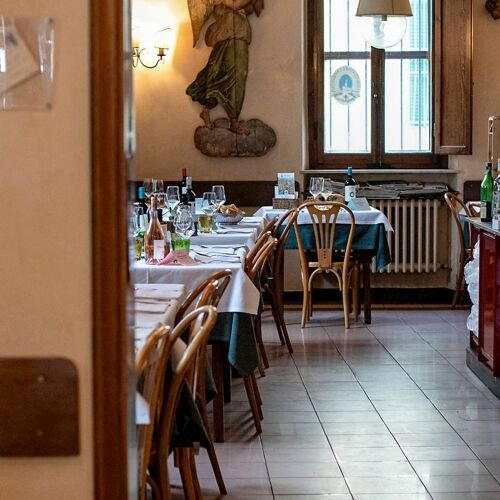
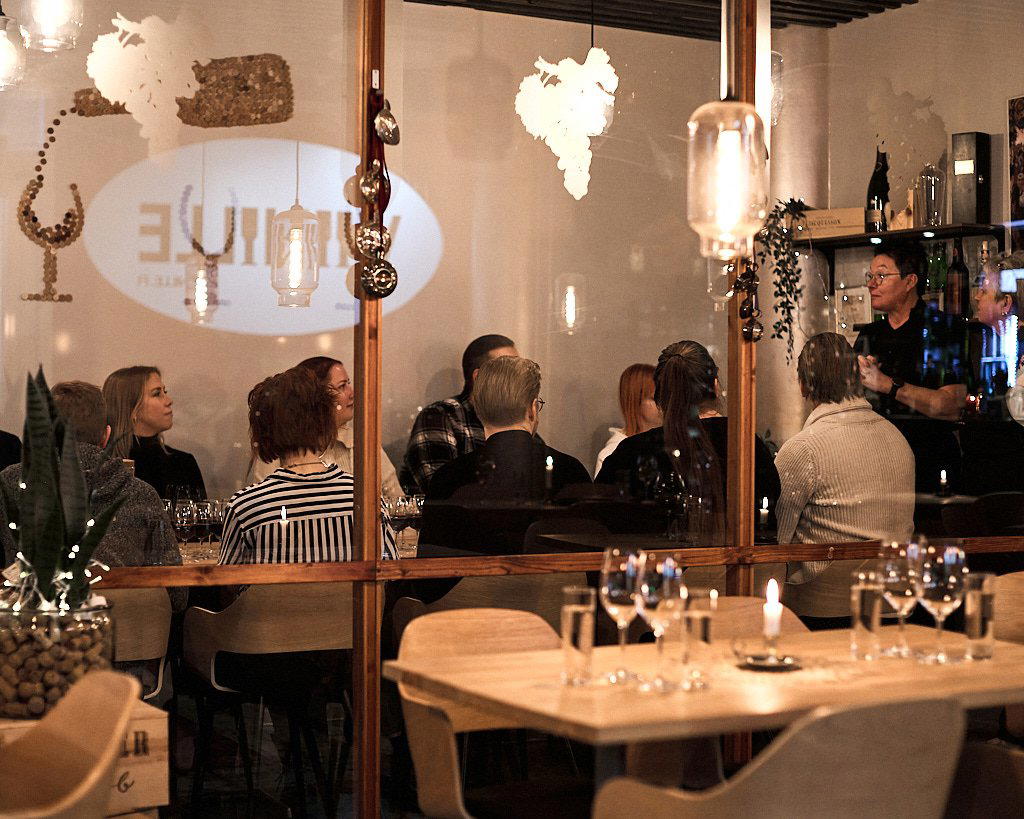
Cozy and pleasant interior blending rustic charm with natural beauty, relaxed atmosphere, and finer dining presentation.