On Jl. Lamadukelleng in Makassar's established dining corridor, Ratu Gurih Seafood draws on the city's position as a gateway to the Banda Sea and the Coral Triangle, particularly biodiverse fishing waters on the planet. The kitchen's focus is the direct line between Sulawesi's coastal suppliers and the plate, positioning it firmly within Makassar's serious seafood tradition rather than its tourist-facing circuit.
Pearl is the En Primeur Club membership app — saves, bookings, and concierge access live there. Same editors, same standards.
- Address
- Jl. Lamadukelleng No. 9, Makassar, Sulawesi Selatan
 Saves & bookings on Pearl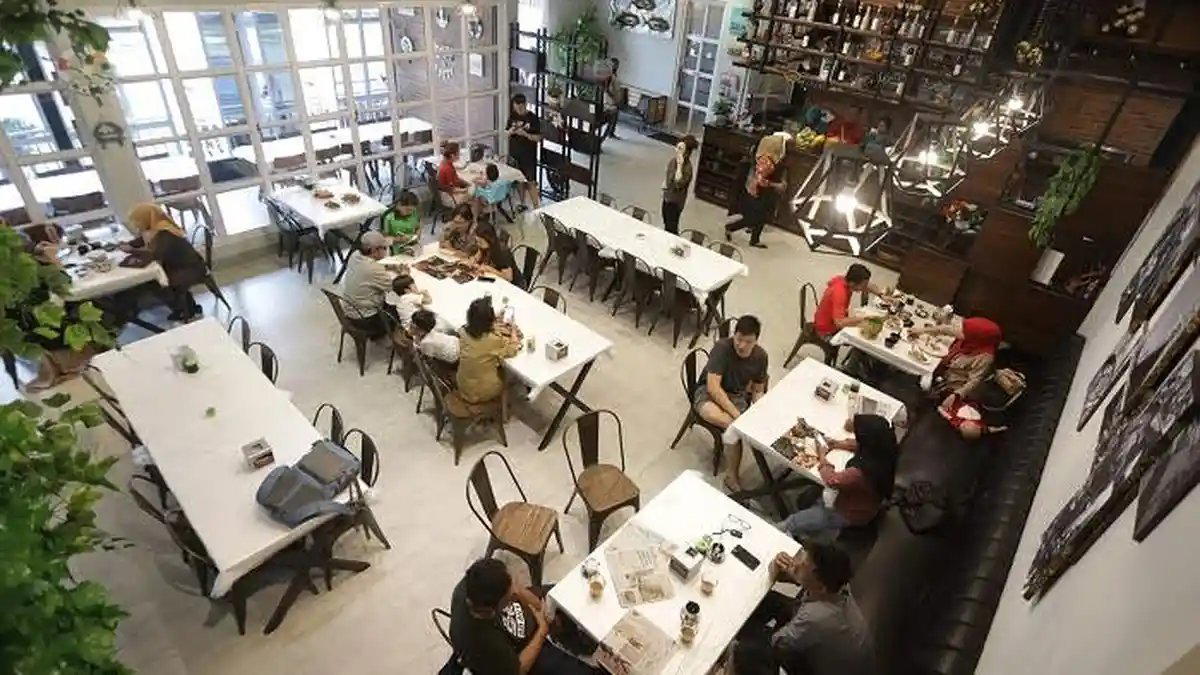
Makassar's Seafood Table: Where the Banda Sea Reaches the Plate
Makassar occupies a particular position in Indonesia's food geography. As the principal port city of South Sulawesi and the commercial hub of eastern Indonesia, it sits at the crossroads of trade routes that have shaped its cuisine for centuries. The waters surrounding Sulawesi, including the Banda Sea to the east and the Makassar Strait to the west, form part of the Coral Triangle, a marine zone recognised by marine biologists as holding some of the highest fish diversity on earth. That geographic context is not incidental to the city's dining scene; it is the reason Makassar's seafood tradition carries a different weight than coastal restaurants in other Indonesian cities. The fish arriving here is not shipped long distances. It comes from nearby.
Along Jl. Lamadukelleng, one of the city's established dining streets, Ratu Gurih Seafood operates within that tradition rather than around it. The address, No. 9, places it in a corridor where local families and Makassar regulars eat, not in a hotel district or tourist precinct. The approach to the restaurant gives the first indication of what to expect: a place oriented around the product arriving from nearby waters, served without the formality that Jakarta's seafood restaurants increasingly impose. For readers building a picture of Indonesian dining beyond Bali, this is part of an important story, the gap between how serious local seafood is eaten and how it is packaged for export audiences. Venues like Locavore NXT in Ubud and August in Jakarta have built recognition around Indonesian ingredients.
Sulawesi Waters: The Source Behind the Kitchen
The ingredient sourcing question is one substantive one to ask of any Makassar seafood restaurant, and the answer begins with geography. South Sulawesi's fishing communities have operated continuous supply into Makassar's markets for generations. The city's Paotere Harbour, one of the oldest traditional ports in Indonesia, receives catches from fishing fleets working the surrounding seas. The fish moving through that system, grouper, snapper, crab, prawn, and local varieties with no direct English translation, arrive with a provenance that differs structurally from what cold-chain logistics deliver to restaurants in landlocked cities.
That distinction matters for how the food tastes and how it is cooked. Sulawesi's culinary tradition treats fresh fish with a directness that reflects confidence in the raw material: grilled preparations, clear broths, sambal-based sauces that work with the fish's natural flavour rather than masking it. The signature preparations of Makassar's seafood tradition, ikan bakar (grilled fish with spiced marinade), kepiting (crab cooked in various regional styles), and various prawn preparations, depend on sourcing quality in a way that more heavily processed dishes do not. A kitchen working close to the water has a structural advantage in this register. Ratu Gurih's position on Jl. Lamadukelleng, within reach of the city's supply networks, is part of the same logic that makes Makassar one of the more credible places in Indonesia to eat this kind of food. For a wider view of how Indonesian kitchens handle coastal produce, Jungle Fish Bali in Gianyar and Bikini Restaurant Bali in Badung offer useful comparisons.
Where Ratu Gurih Sits in the Makassar Dining Picture
Makassar's restaurant scene has not consolidated around a fine-dining tier in the way that Bali or Jakarta has. The city's serious eating happens at a more distributed level: family-run warung operations, established mid-scale seafood restaurants, and a smaller number of newer venues attempting contemporary Indonesian formats. Ratu Gurih belongs to the established middle tier, the kind of restaurant where the quality benchmark is the product itself, not the room or the service choreography. That is a meaningful distinction in a city where the leading seafood has historically been found in places that do not advertise internationally.
Visitors approaching Makassar's dining scene from a Bali or Jakarta reference point should recalibrate their expectations. The comparison set is not Papillon or the city's contemporary venues. It is the broader tradition of Indonesian port-city seafood restaurants, where the measure of quality is freshness and technique applied to excellent raw material. On that measure, the Jl. Lamadukelleng address puts Ratu Gurih in a competitive local set.
Across Indonesia, seafood dining varies enormously by region and sourcing. The hotpot format at venues like Chongqing Liuyishou Hotpot in South Jakarta or Hai Di Lao in Central Jakarta represents a different trajectory, Chinese-influenced formats that have gained significant traction in Indonesian cities. Makassar has its own Chinese-Indonesian culinary heritage, but the seafood tradition at places like Ratu Gurih reads more directly from Bugis and Makassarese coastal cooking than from those imported formats. Further afield, Kunyit Restaurant in Bandung and Gudeg Yu Djum in Yogyakarta show how differently Indonesian cities construct their culinary identity, Makassar's is inseparable from the sea.
Planning a Visit
Ratu Gurih Seafood is located at Jl. Lamadukelleng No. 9 in Makassar, South Sulawesi. The address sits in a local dining corridor rather than a tourist-facing zone, which means the clientele skews toward Makassar residents, a reliable indicator in Indonesian cities that a restaurant is operating for quality rather than footfall. The venue is recommended for reservations, and the accessible price point is about US$10 per person. Makassar's seafood restaurants at this tier typically operate at accessible Indonesian price points well below what comparable seafood quality costs in Jakarta or Bali. For broader context on Indonesian dining across the archipelago, Kita Restaurant and Bar in Menteng and Hwang Fu Dimsum in Tangerang offer useful reference points for the Jakarta dining tier, while Kimukatsu in Manado represents the closest major city comparison in eastern Indonesia. For readers also considering Indonesia's plant-forward dining options, Kynd Community in Bali and Agreya Coffee in Bogor represent that end of the spectrum.
Questions Visitors Ask
- Would Ratu Gurih Seafood be comfortable with kids?
- At Makassar's accessible price tier, casual seafood restaurants like this one are standard family dining territory in Indonesia, children are a normal part of the room.
- Is Ratu Gurih Seafood formal or casual?
- Makassar's established mid-tier seafood restaurants operate without dress codes or formal service conventions. Like most of the city's serious local dining, the format is casual, the focus is on the food rather than the room. Pricing sits within the accessible local range rather than the fine-dining bracket.
- What's the leading thing to order at the restaurant?
- As a Makassar seafood restaurant drawing on Sulawesi's coastal tradition, the kitchen almost certainly works within the canon of South Sulawesi coastal cooking: grilled fish preparations, crab, and prawn dishes built around the fresh catches arriving into the city. Ordering based on what looks freshest on the day is consistent with how serious diners approach this kind of restaurant across Indonesia.
- How does the restaurant compare to other seafood restaurants in Makassar?
- Within Makassar's mid-tier seafood dining scene, the Jl. Lamadukelleng address and the local-facing clientele suggest a restaurant operating within the city's established seafood tradition rather than positioning for tourist or fine-dining audiences. No award credentials appear in current records, but that is consistent with the broader pattern in Indonesian port-city dining, where particularly respected local seafood restaurants are rarely particularly internationally visible ones. The sourcing advantage of operating in a city directly supplied by Sulawesi's fishing fleets is the main draw.
How It Stacks Up
Comparable venues nearby, for context on price, style, and recognition.
| Venue | Cuisine | Price | Notes |
|---|---|---|---|
| Ratu Gurih SeafoodThis venue — the venue you are viewing | Makassar Seafood Grill | $$ | Not listed |
| Papillon | Western and Indonesian | $$$ | Ujung Pandang |
| Pantai Restaurant | Balinese Seafood & International Beach Grill | $$ | West Bali National Park |
| Moana Fish Eatery | Polynesian Seafood | $$ | Canggu, Banjar Badung |
| Pondok Laguna Resto | Indonesian Seafood | $$ | Pecenongan |
| Pearl Beach Lounge | Seafood Fusion Beachfront | $$ | Gili Trawangan |
Continue exploring
More in Makassar
Restaurants in Makassar
Browse all →
At a Glance
- Lively
- Group Dining
- Family
- Business Dinner
- Open Kitchen
- Local Sourcing
Comfortable and spacious interior with attractive design, fish pond, and fountain in the center.