On a quiet stretch of Rue Didot in the 14th arrondissement, Raon occupies the kind of address that rewards those who look beyond the centre. The restaurant sits at the intersection of Korean culinary sensibility and French technique, a pairing that Paris's 14th has quietly cultivated for years. Booking ahead is advisable; the room is small and the word has spread.
Pearl is the En Primeur Club membership app — saves, bookings, and concierge access live there. Same editors, same standards.
- Address
- 28 Rue Didot, 75014 Paris, France
- Phone
- +33986648469
- Website
- module.thefork.com
- Directions
- Get directions
 Saves & bookings on Pearl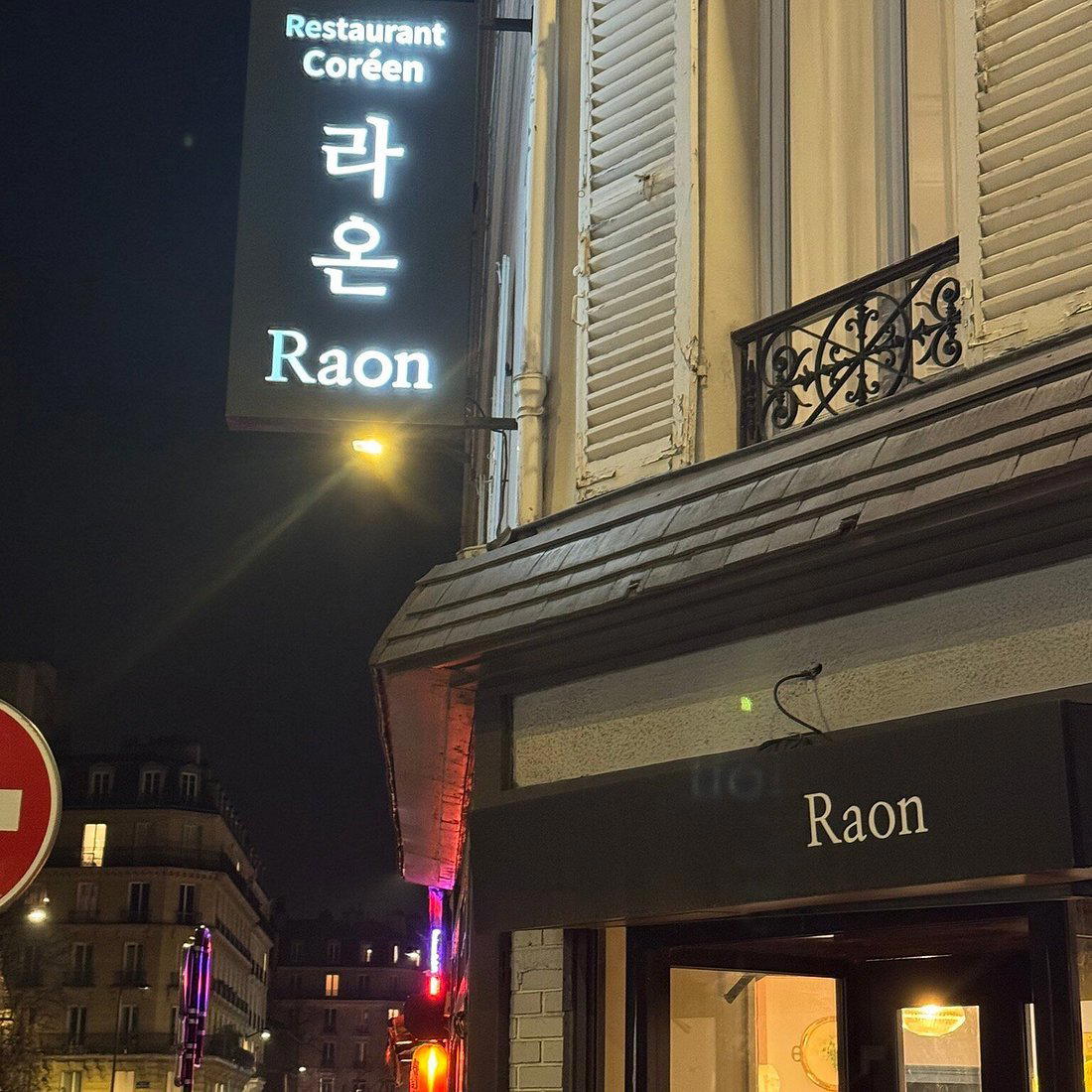
The 14th Arrondissement's Quiet Turn Toward Korean-French Cooking
Paris has never lacked for Franco-Asian crossovers, but the terms of that conversation have shifted considerably over the past decade. Where earlier iterations leaned on novelty, importing Asian flavours as accent rather than argument, the more recent wave treats both culinary traditions with equal weight. That shift is visible at a handful of addresses in the outer arrondissements, where rents allow for smaller, more considered operations. Raon, at 28 Rue Didot in the 14th, belongs to that second wave: a restaurant where Korean and French traditions are held in genuine tension rather than one simply seasoning the other.
The 14th is not a dining destination in the way the 6th or 8th arrondissements are. It lacks the trophy addresses of the Right Bank, where Alléno Paris au Pavillon Ledoyen or Le Cinq at the Four Seasons George V anchor the upper tier of the city's fine-dining ecosystem. Nor does it compete with the historic grandeur of L'Ambroisie on the Place des Vosges. What it offers instead is a different register: neighbourhood credibility, lower commercial pressure, and the kind of regulars who follow cooking rather than décor. For a restaurant making a case for Korean-French cuisine as a serious rather than decorative proposition, that context is useful.
Lunch and Dinner: Two Distinct Contracts
In Paris, the gap between lunch and dinner service has always carried meaning beyond clock time. At the upper end of the market, lunch menus function as access points, compressing a kitchen's range into a format priced to attract a broader audience. Dinner is where the full argument gets made. At Raon, that divide is worth thinking about carefully before booking.
The logic of Korean-French cooking lends itself to this split particularly well. Korean culinary tradition has its own grammar of meal structure, one that differs from the French progression of entrée, plat, dessert. Banchan, the system of small shared plates that frames a Korean meal, encourages lateral rather than linear eating. Translating that into a French-inflected tasting format requires decisions about how much of each tradition to preserve. Lunch service, typically lighter in scope and pacing, is where those compromises tend to show most clearly. Dinner, with more time and a higher tolerance for complexity from both kitchen and diner, is where the synthesis can breathe.
For comparison, look at how similar fusions operate at the upper tier in Paris. Kei, in the 1st arrondissement, has held Michelin recognition for its French-Japanese approach, and its dinner service carries a formality that its lunch does not. The lesson is consistent across that category: if the kitchen's ambition is to make a structural argument about two cuisines rather than simply to serve attractive plates, dinner is the more honest read.
The Korean-French Synthesis in Paris: Where Raon Sits
The broader Korean fine-dining conversation in Paris still sits in a smaller niche than the Japanese-French axis that has dominated for three decades. The latter has institutional weight behind it: Michelin recognition, established training pipelines, and a critical vocabulary that editors and inspectors are comfortable deploying. The Korean equivalent is newer, and the reference points are fewer. Internationally, Atomix in New York City has become the most cited example of Korean tasting-menu cooking operating at the highest tier, with sustained recognition from the World's 50 Best list. In France itself, the tradition of regional precision that animates places like Bras in Laguiole, Mirazur in Menton, or Flocons de Sel in Megève provides a useful counterpoint: at those addresses, the cuisine is inseparable from a specific geography. Korean-French cooking in Paris has no equivalent anchor, which makes the case for it harder to articulate but also more interesting when a kitchen manages it credibly.
Raon's address in the 14th places it outside the geography of French culinary prestige. That is, in some respects, an advantage. Restaurants in high-profile arrondissements carry inherited expectations; a table near the Parc Montsouris does not. That freedom tends to show in the cooking.
What the Address Tells You
Rue Didot runs through a residential stretch of the southern 14th, far from the tourist corridors and the institutional dining rooms. The area has a history of absorbing small, serious restaurants that outperform their postcodes, in the tradition of Paris's outer arrondissement scene. France's broader dining culture has long valued this kind of cooking: committed, neighbourhood-rooted, without the overhead that forces a kitchen toward conservative crowd-pleasing. The lineage runs from the brasserie tradition through to the bistronomie movement of the 1990s, and Raon sits in that general current even as it draws on a different culinary inheritance.
For readers accustomed to navigating the Michelin-heavy addresses of central Paris, the 14th requires a recalibration of expectations. The room will not have the polish of Arpège or the theatre of the Right Bank grand restaurants. What it will likely offer is proximity to the kitchen's actual intentions, which is a different and often more interesting thing. The French tradition of the restaurant as an intimate proposition, rather than a spectacle, is most legible in addresses like this one.
Planning Your Visit to Raon
Raon is located at 28 Rue Didot in the 14th arrondissement. The nearest Metro access is via the Pernety or Plaisance stations on Line 13, both within a short walk. For visitors moving between Paris and other major French dining destinations, the city sits within reasonable reach of regions that anchor some of France's most decorated kitchens: Assiette Champenoise in Reims, Au Crocodile in Strasbourg, and Auberge de l'Ill in Illhaeusern are all accessible by TGV for those building a broader French itinerary.
Given the room's scale and the word-of-mouth following that this style of cooking tends to generate in the outer arrondissements, advance contact is advisable. Walk-in availability cannot be assumed. For a wider view of Paris dining across all price tiers and neighbourhoods, see our full Paris restaurants guide.
How Raon Paris compares with similar nearby venues.
| Venue | Cuisine | Price |
|---|---|---|
| La Grande Ourse | Modern Cuisine | €€ |
| L'Assiette | French, Classic Cuisine | €€€ |
| Kigawa | Traditional Cuisine | €€€ |
Continue exploring
More in Paris
Restaurants in Paris
Browse all →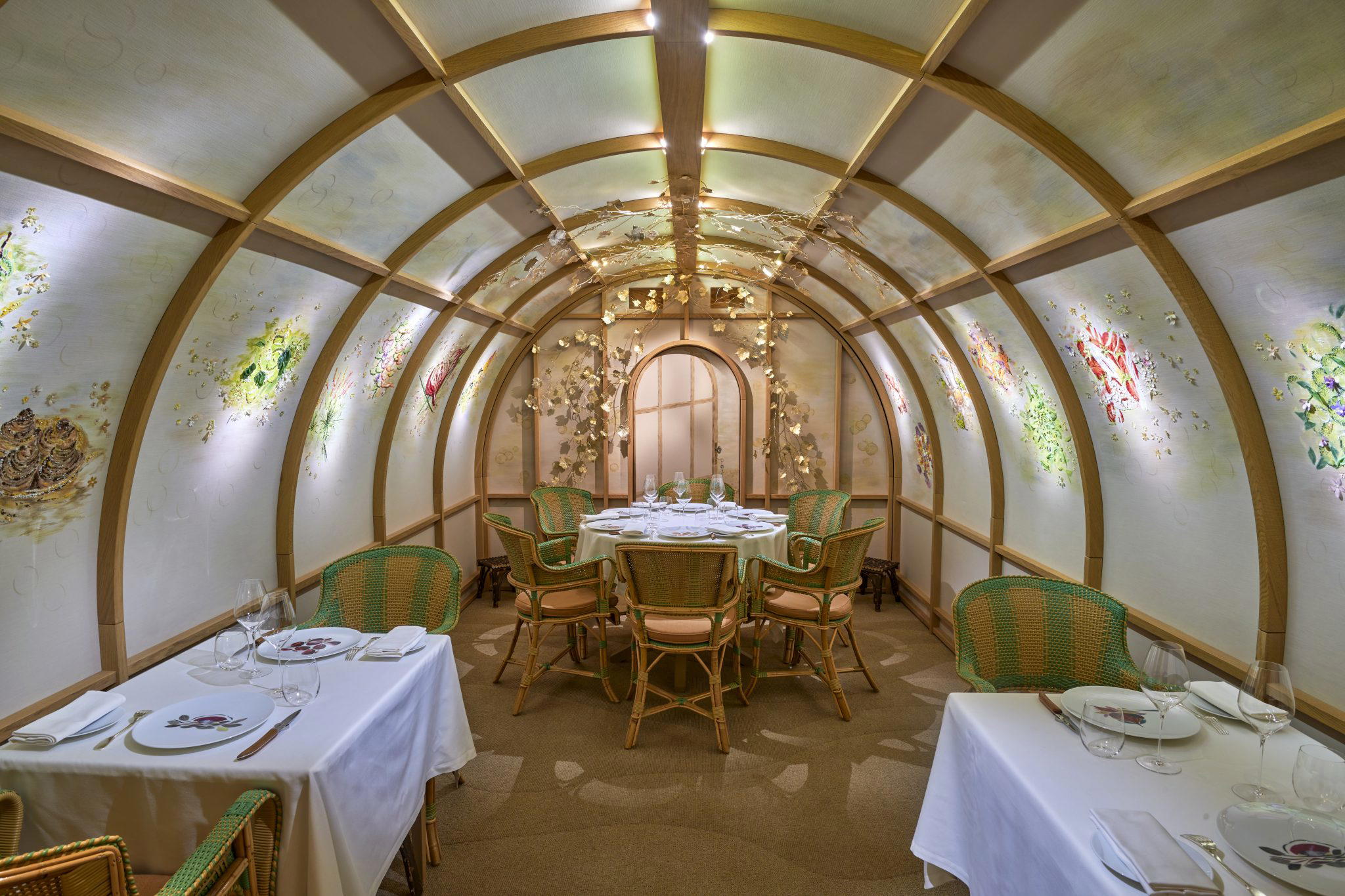
Bars in Paris
Browse all →
Hotels in Paris
Browse all →

At a Glance
- Cozy
- Intimate
- Elegant
- Date Night
- Special Occasion
Current opening hours
- Monday
- Closed
- Tuesday
- 12–3 PM, 7–11 PM
- Wednesday
- 12–3 PM, 7–11 PM
- Thursday
- 12–3 PM, 7–11 PM
- Friday
- 12–3 PM, 7–11 PM
- Saturday
- 12–3 PM, 7–11 PM
- Sunday
- 12–3 PM, 7–11 PM
Hours can change for holidays and private events. Last verified .
Cozy and warm with friendly service.
Know Before You Go
- Getting there
- 28 Rue Didot, 75014 Paris, France