
A nine-seat ramen and tsukemen counter near JR Ibaraki Station, Ramen Shin sits in Osaka’s serious everyday-noodle bracket rather than the city’s special-occasion dining tier. Its repeated Tabelog 100 ramen selections and low spend range make the case: this is a compact, queue-prone room where value is measured in focus, turnover, and consistency.
Pearl is the En Primeur Club membership app — saves, bookings, and concierge access live there. Same editors, same standards.
- Address
- 大阪府茨木市駅前1-3-4
- Phone
- +81726213515
- Website
- ramenshin134.seesaa.net
 Saves & bookings on Pearl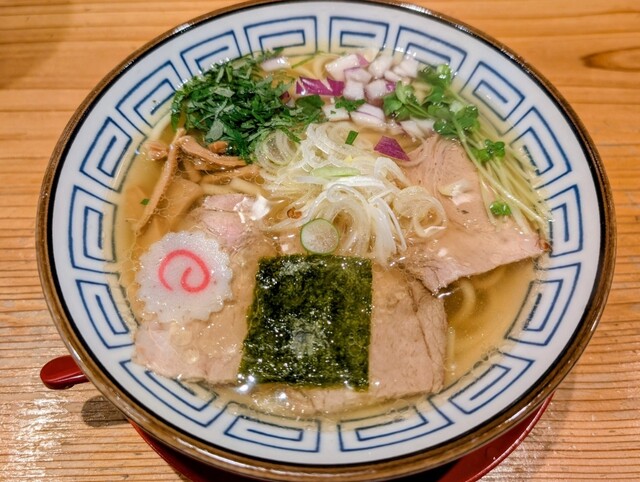
Approaching a small ramen shop near a commuter station in northern Osaka is not like crossing Namba for a night out. The signs are modest: a short service window, compact room, counter seats, and the assumption that the bowl is the point. Ramen Shin fits an Osaka category the city does well but rarely dresses up: a serious neighborhood noodle shop drawing beyond its ward through discipline and everyday pricing.
Osaka ramen is often discussed after Tokyo’s, which misses the city’s strength. The local scene rewards speed, repeatability, and value, while leaving room for specialists treating ramen and tsukemen as craft without making lunch a tasting menu. The useful comparison is not kaiseki or sushi counters, but low-spend Osaka noodle rooms such as Menya Ikkei, Menya Tsumugu, and Men Chubo Kaen, where the bill stays in the same narrow band and judgment turns on execution, queue tolerance, and how clearly the kitchen defines its lane.
A compact noodle-room model, not a luxury dining performance
The strength of this tier is its refusal to pretend. Nine seats, including a small counter, create a close, fast format where pacing matters more than décor. That suits ramen and tsukemen because both are time-sensitive: broth, noodles, toppings, and temperature must reach the diner with little ceremony. A room this small also shapes the economics. Spend is modest, but the opportunity cost may be waiting, arriving within a narrow service period, or missing the final bowls once the day’s supply is gone.
That trade-off defines the value proposition. A meal sits in the JPY 1,000 to JPY 1,999 range, below many casual Osaka dinners and far below premium counters. Lemongrass House begins to move into a higher dinner bracket, while Suigyoza no Mise Harbin sits higher again. Ramen Shin competes less on breadth than concentration: a short-format meal, a specialist category, and enough outside recognition to justify crossing town rather than treating it as station-area convenience.
The award signal matters because ramen rankings in Japan are crowded and unforgiving. Selection for Tabelog 100 Ramen Osaka in 2025, with previous Tabelog 100 ramen selections across Osaka and western Japan, places the shop inside a curated group rather than the mass of competent local counters. The Tabelog score of 3.69 adds a public metric, useful because ramen shops often generate intense local loyalty but uneven visitor expectations. Here, recognition points to sustained relevance, not new-opening flash.
What Osaka ramen value looks like when the bill stays low
Value in ramen is not simply a cheap bowl. It is the relationship between specialization, consistency, and the inconvenience a diner accepts. Reservations are not part of the format, cash is the practical assumption, and service ends when supply runs out. Those constraints would annoy at a middling shop; at a recognized ramen counter, they become part of the calculation. The diner pays not for flexibility, but for a narrow, controlled product in a room built to move through covers.
The menu category is ramen and tsukemen, one of Japan’s clearest split traditions. Ramen is the integrated bowl; tsukemen separates noodles and dipping broth, emphasizing noodle texture and concentration. That pairing gives the kitchen two ways to express the same technical base without a long menu narrative. For travelers, the shop is easy to read: not an all-purpose izakaya, family restaurant, or fashionable noodle bar built around décor, but a specialist.
The ownership note explains the format’s confidence without turning the story into biography. The owner protected the banner of Kinsei Sohonke for seven years before opening independently in front of JR Ibaraki Station in 2015. In Osaka ramen terms, that credential signals training in broth discipline, station-side service rhythm, and the consistency needed to survive beyond opening hype. The point is not personality; the shop sits in a recognizable craft chain rather than appearing from nowhere.
How to place it within an Osaka food itinerary
For visitors staying in central Osaka, Ibaraki is deliberate, not accidental. That can work in its favor. Central Osaka eating often rewards density: takoyaki, kushikatsu, department-store basements, late-night bars. Northern suburban ramen gives a different read on the city, closer to commuter life and repeat local use. Pairing a counter like this with broader Osaka planning gives a sharper picture than stacking only Dotonbori addresses.
That is where the wider city map helps. Use Our full Osaka restaurants guide for the main dining spread, then treat small-format specialists as punctuation rather than a full evening plan. Nearby or same-city alternatives in the broader Osaka file range from casual sweets and bakeries such as .cafe and 52CHO-ME BAKERY to popular comfort-food stops like 551 Horai (551蓬莱). For a different casual-carb register, 99 Pizza Napoletana Gourmet and a canto (Italian) show how Osaka’s lower- and mid-spend eating stretches beyond Japanese categories.
The same logic applies beyond restaurants. A ramen lunch in Ibaraki leaves room for Osaka’s drinking and hotel decisions later; Our full Osaka bars guide and Our full Osaka hotels guide are better tools for that half of the trip than forcing a noodle shop to carry the itinerary. For a broader Kansai or Japan food route, contrast matters: the casual value of this counter reads differently beside [ki:] in Kyoto, -Grilled beef Sukiyaki- KAMAKURA TANUKIAN 鎌倉 たぬき庵 in Kamakura. 鮪と炭火焼き うお炭 秋葉原店 in Tokyo.know in Kumamoto, (Shoku) Vietnam in Kawasaki, and [Curry Senmon Ten] Maruyama Kyoju. in Sapporo.
Internationally, the comparison is instructive. Japanese comfort formats abroad, from Jōdo Saké Bar in Los Angeles to Onigiri Time in Pasadena, often translate technique into a broader hospitality frame. In Osaka, the counter remains leaner and less explanatory. For cultural context outside dining, Our full Osaka experiences guide fills in the city around the bowl, while Our full Osaka wineries guide helps travelers mapping the region’s drink scene beyond sake and beer.
The editorial case is clear: a high-credibility, low-ticket ramen stop for diners willing to accept small-room logistics. It is not for lingering, entertaining clients, or building a long evening around service. It is the place to test how much precision Osaka can deliver in a bowl priced for regular life.
Recognition, Side-by-Side
Comparable venues at the same tier for side-by-side context.
| Venue | Cuisine | Price | Notes |
|---|---|---|---|
| Ramen ShinThis venue — the venue you are viewing | Traditional Japanese Ramen Shop | $ | Not listed |
| Menya Ikkei | Ramen shop | $ | Ibaraki |
| Menya Hakkaisan | Niboshi-focused Ramen Shop | $ | Takatsuki |
| Saishoku Ramen Kinsei Takatsuki honten | Modern Japanese Ramen | $ | Takatsuki |
| Osama no Spoon | Osaka curry & soup curry shop | $ | Kita |
| Columbia8 Kitahama honten | Osaka spice curry counter | $ | Chūō |
Recognition history
Dated appearances from independent guides and award organizations, with the underlying list record or original source where available.
Tabelog 100 #3 · No. 3
Tabelog · Tabelog 100 - Ramen - OSAKA - 2025
Continue exploring
More in Osaka
Restaurants in Osaka
Browse all →


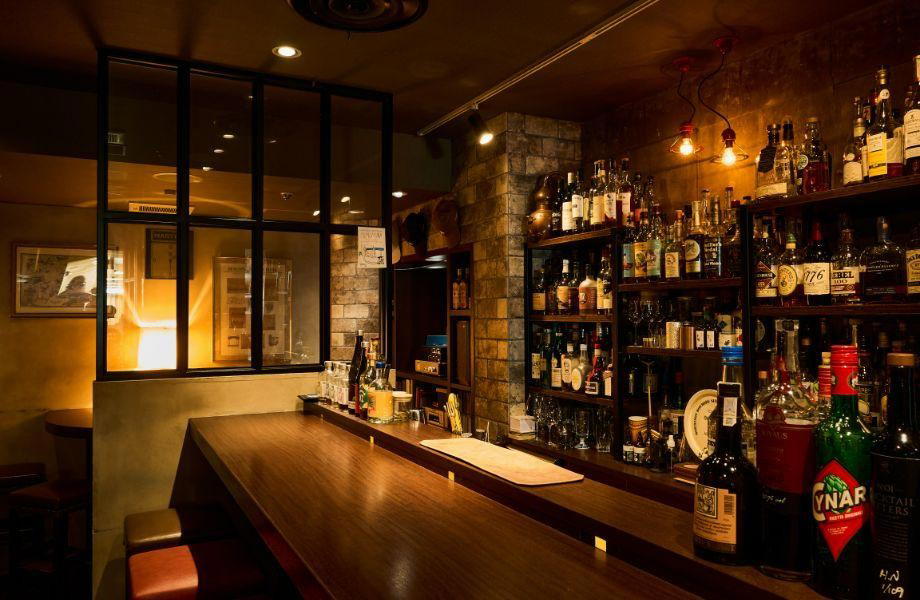
Bars in Osaka
Browse all →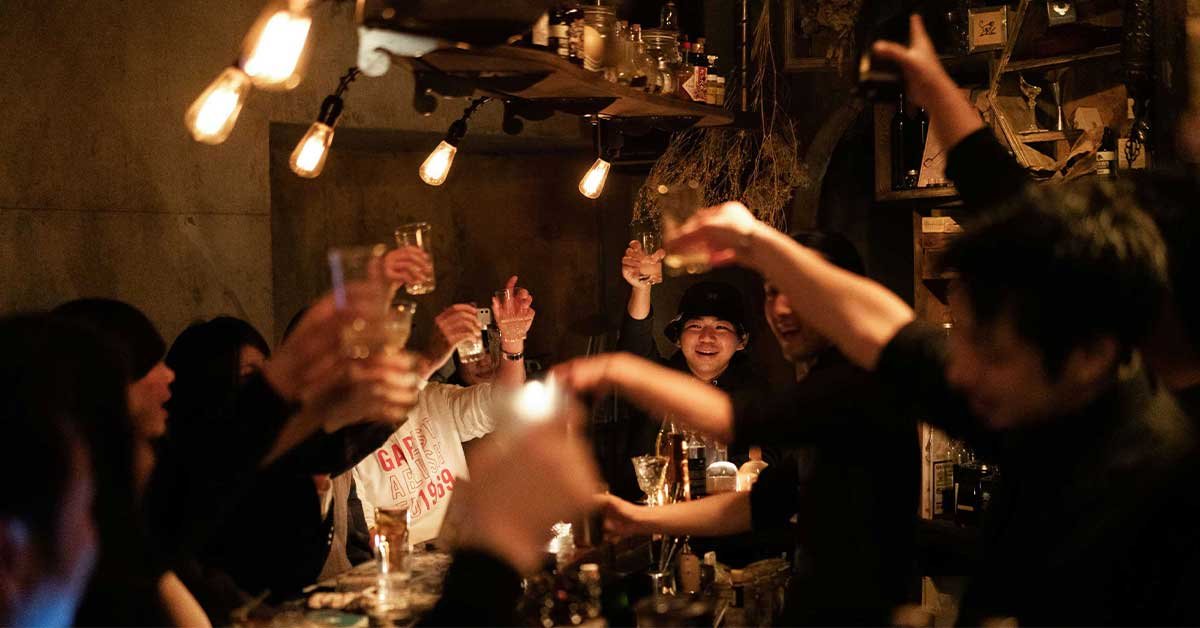
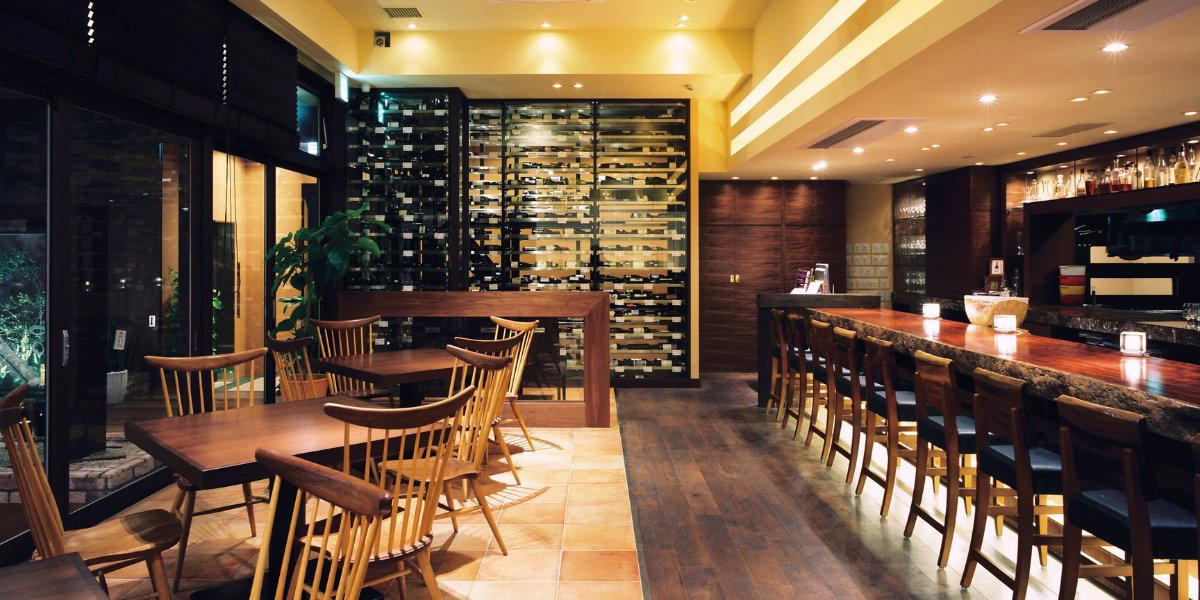
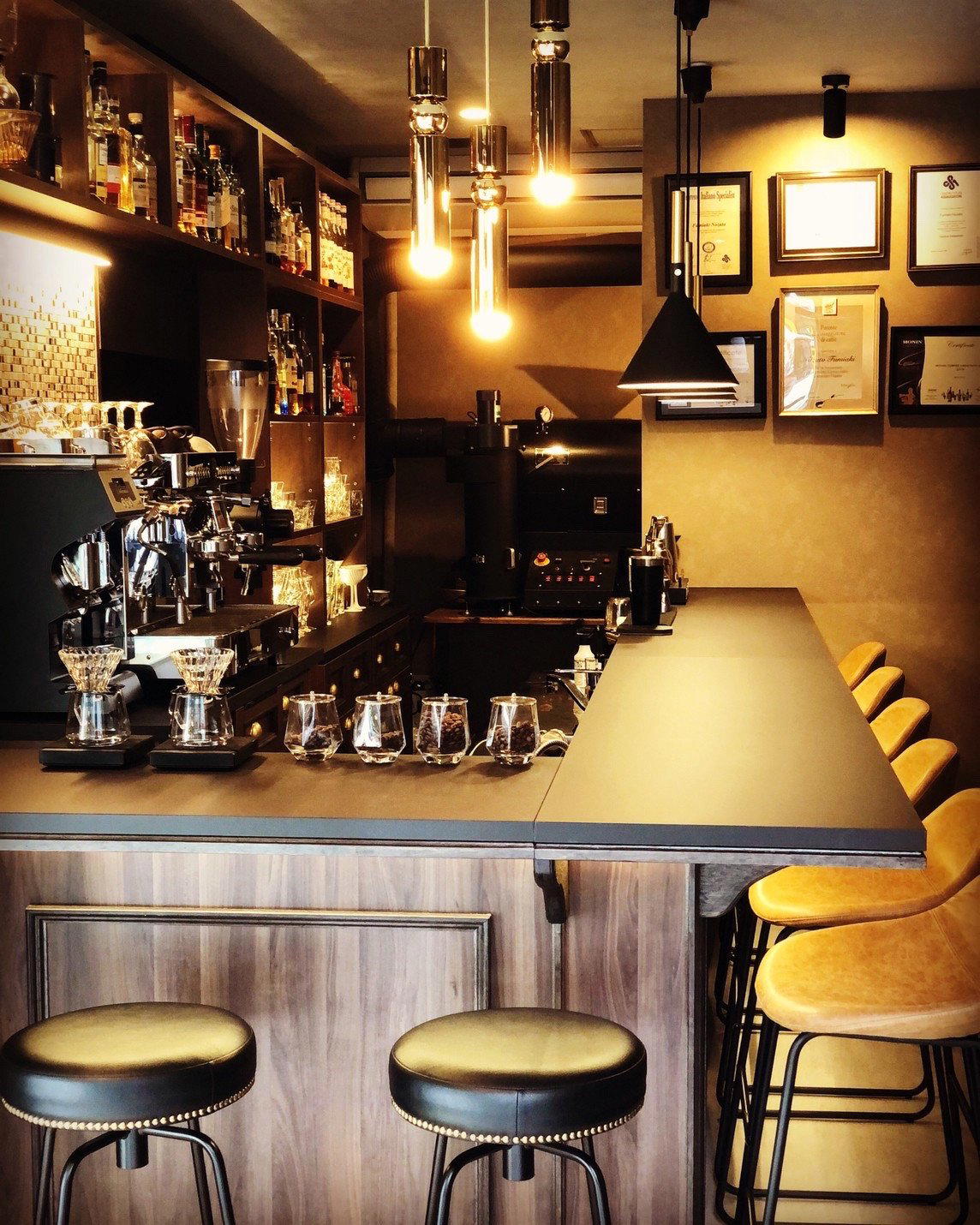
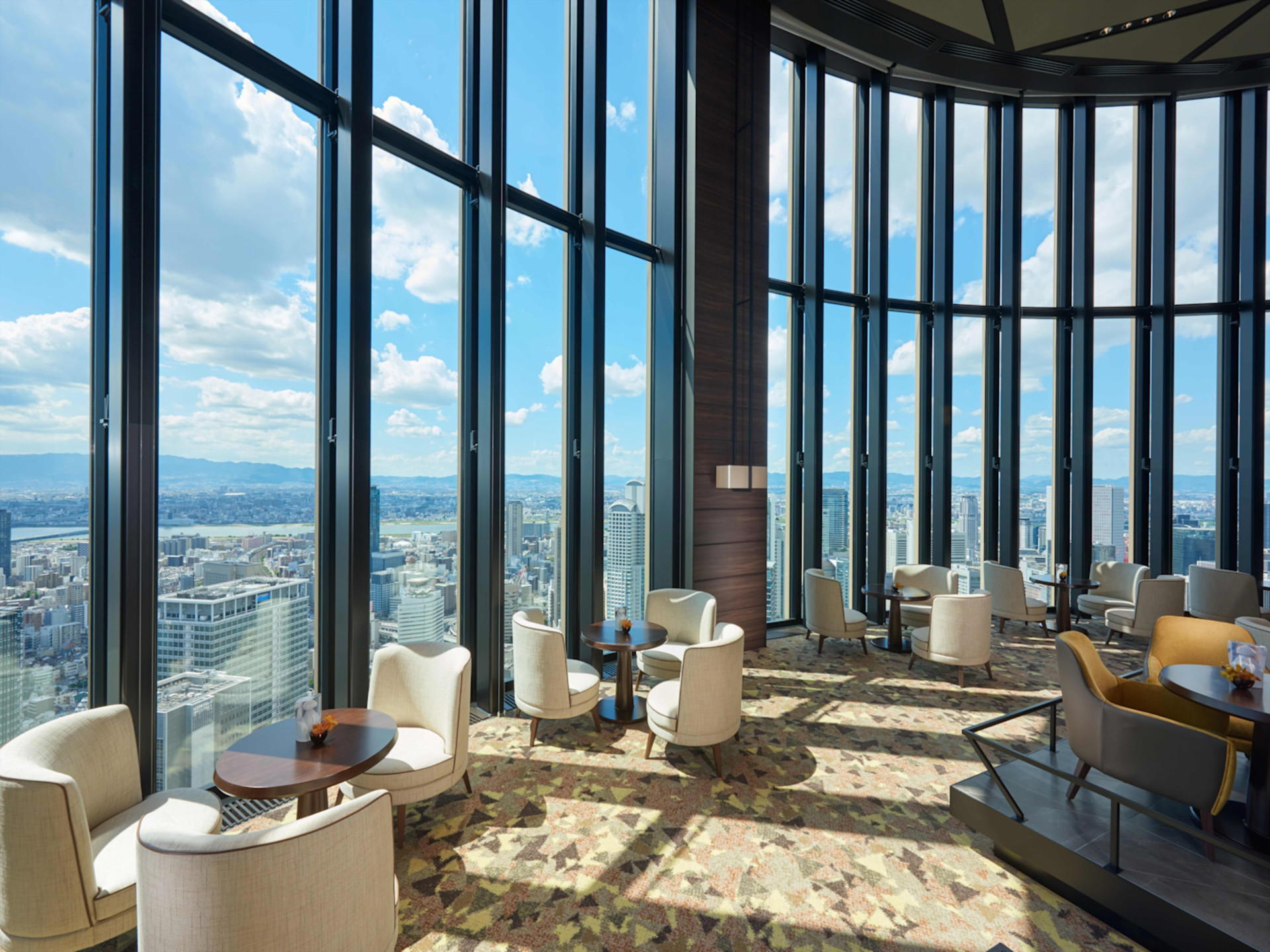
Hotels in Osaka
Browse all →


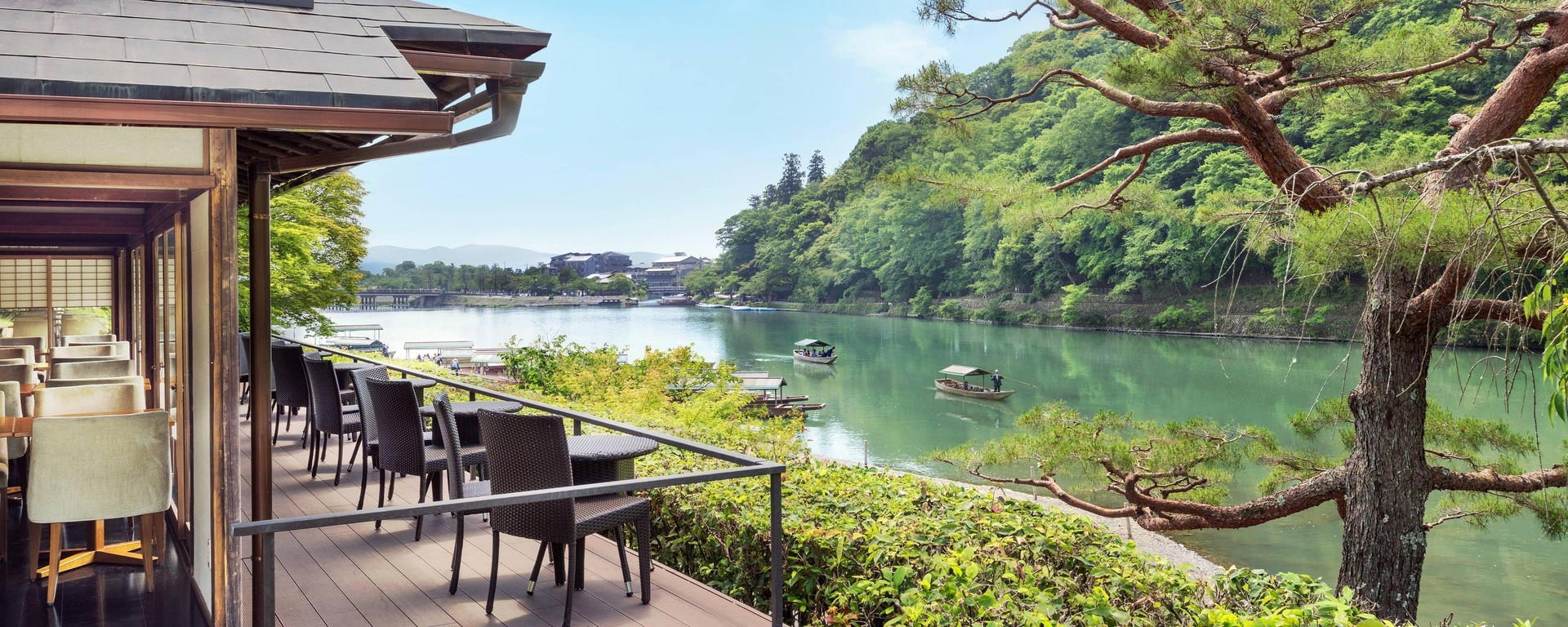
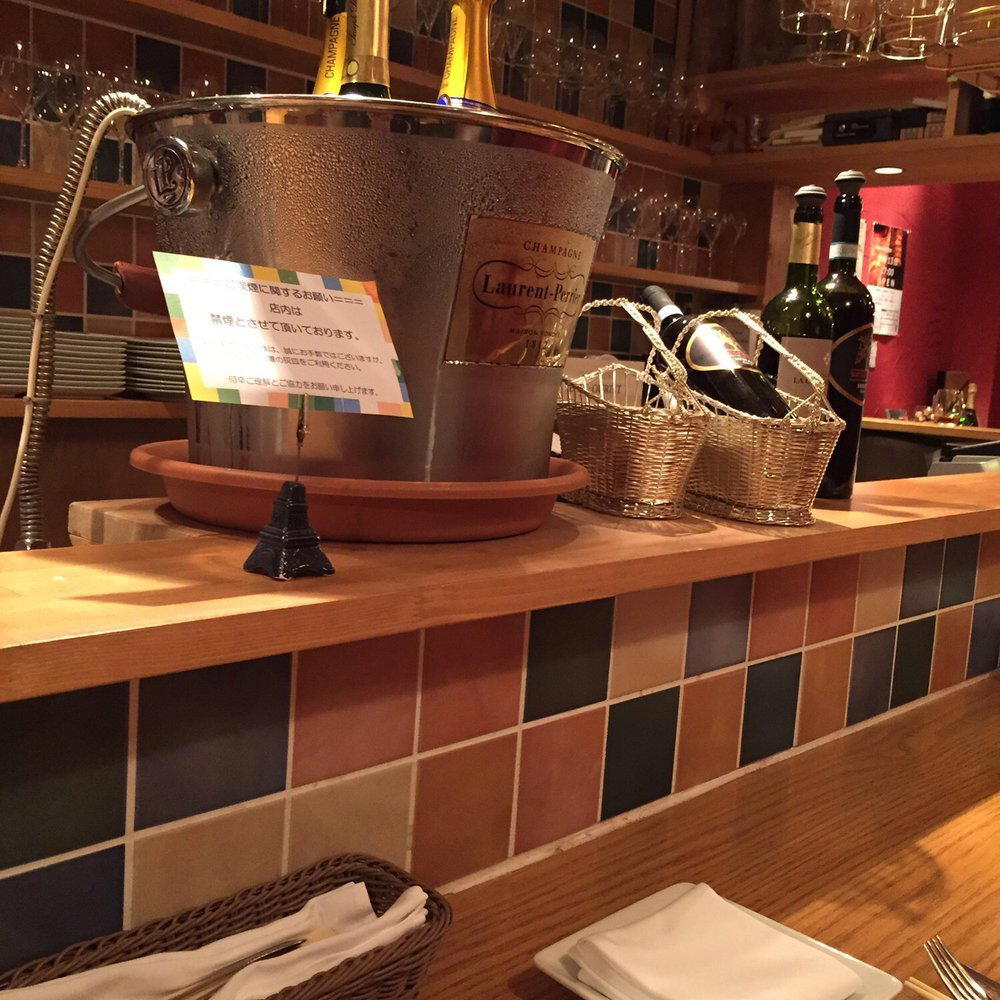
Wineries in Osaka
Browse all →
At a Glance
- Cozy
- Classic
- Solo
- Casual Hangout
- Late Night
- Standalone
Compact, no-frills ramen counter with bright functional lighting and a casual, bustling atmosphere typical of local noodle shops.