
Tabelog 100 #55
Our verdict
Ramen RS Kai belongs to Sapporo’s serious counter-dining culture rather than its tourist ramen shorthand. The draw is a compact ramen and tsukemen format, 11 counter seats, repeat selection in Tabelog’s Ramen HOKKAIDO 100 for 2024 and 2025, and a no-reservations rhythm that rewards diners who understand the queue as part of the meal.

Pearl is the En Primeur Club membership app, where members save venues, book tables and use the concierge.
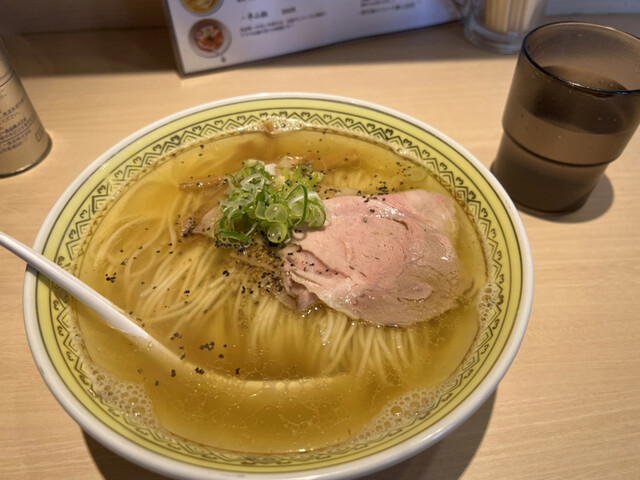
The menu
What to order
- Niboshi Chuka Soba
- Special Seafood Chukasoba
- Tsukemen
A serious Sapporo ramen stop does not need theatrical framing. The useful facts are narrower and stronger: Ramen RS Kai is a Sapporo venue listed in the ramen and tsukemen categories, with an everyday budget and recognition that makes it relevant to diners tracking the city’s noodle scene. For visitors, the appeal is not ceremony but focus: a meal built around ramen or dipping noodles, planned with practical expectations rather than treated as a long, lingering occasion.
Sapporo’s ramen reputation is often reduced to a single image, but the city’s current noodle culture is broader. It supports varied ramen shops, tsukemen specialists, soup curry adjacency, and casual dining rooms where reputation is built through repeat visits and consistency. Ramen RS Kai sits within that specialist context. Its selection for Tabelog’s Ramen HOKKAIDO Hyakumeiten in 2025 places it among closely watched ramen addresses, and its 3.65 Tabelog score is a measurable signal in a category where local interest matters more than ceremony.
Counter ramen as a timed Sapporo ritual
The useful way to approach Ramen RS Kai is as a focused ramen and tsukemen stop, not as a restaurant built around leisurely pacing. Arrival, ordering, eating, and moving on are part of the practical logic of this kind of meal. That rhythm is common across Japanese ramen culture, and in Sapporo it sits naturally within a city where diners often plan around weather, appetite, and the distance between casual food stops.
The menu category is ramen and tsukemen, a pairing that signals two eating tempos. Ramen is immediate: broth, noodles, aroma, heat. Tsukemen slows the exchange, separating noodles and dipping broth and asking the diner to manage texture and concentration with each pass. Without inventing a house signature, that split explains the appeal. The venue works inside a narrow noodle vocabulary, not a broad izakaya menu, and the format keeps attention on the bowl.
That focus is why recognition matters here. Tabelog’s Hyakumeiten lists are not international fine-dining awards, but in Japan they are useful category markers. A ramen venue selected in Hokkaido is being read within a deep local field, where everyday price points and repeat visits shape reputation. The recognition does not turn the meal into luxury dining; it sharpens the expectation that a low-cost bowl can still be technically serious.
How it fits Sapporo's casual dining map
Sapporo’s casual dining identity is less about formality than local utility. Ramen RS Kai belongs to the broader city pattern of noodle and curry specialists: focused formats, modest spend, and decisions shaped by logistics as much as appetite. Comparisons such as Tenjiku Sapporo kiyota honten, Pot-au-feu, soup curry tom tom kikir, TORA, and Hana Maru point to the city’s strength in casual meals that are not casual in technique. The point is not cheapness alone, but the density of specialist cooking at everyday prices.
For travelers, the decision is simple. This is not the Sapporo ramen stop chosen only because it happens to sit beside another plan. It is the one chosen when the day can absorb a deliberate noodle stop and ramen or tsukemen is the point, not a prelude. Planning matters more than it would for a purely incidental bowl, and the audience is best understood as a mix of local diners and visitors who are willing to make the meal the focus.
The price point reinforces the everyday rhythm. Ramen RS Kai is listed at - JPY 999 - JPY 999, with both lunch and dinner budgets shown as - JPY 999. That detail changes how a traveler should plan. A Sapporo ramen crawl can be spontaneous in spirit, but the better version is prepared: timing checked, expectations kept practical, and enough time for a focused meal that may not move at a tourist schedule.
Where to place it in a Sapporo itinerary
Ramen RS Kai works better as a deliberate lunch or early evening target than as a loose add-on. The appeal depends on treating ramen and tsukemen as the reason for the stop, rather than filler between larger plans. The advantage is clarity: no tasting-menu choreography, no dress code theater, no extended service arc. The reward is a short, focused encounter with one of Sapporo’s strongest dining habits, the specialist noodle meal that asks for practical planning.
Readers building a wider food day should treat this as part of a broader Sapporo casual-dining circuit rather than the whole story. For noodle context, compare it with other Sapporo ramen and noodle venues. For the city’s curry culture, look to other Sapporo curry specialists and casual dining rooms. For a different Hokkaido dining register, other dining in Sapporo broadens the picture beyond ramen.
For city planning, use broader Sapporo restaurant, hotel, bar, winery, and experience resources alongside this listing. Japan-wide comparisons sit elsewhere on the map, from casual noodle formats in other cities to cafes, regional specialists, and compact dining rooms across the country. For overseas Japanese-adjacent reference points, similar format-driven venues show how specific ideas travel differently outside Japan.
The editorial case is not that every visitor to Sapporo needs to rearrange a whole trip for a bowl. It is sharper: diners who care about ramen culture’s mechanics, and understand that focused noodle venues create their own etiquette, will find this stop more revealing than another meal chosen only for convenience. The meal may be brief, but the format explains a great deal about how Sapporo eats.
Frequently asked questions
Where exactly is Ramen RS Kai?
Sapporo.
What should I budget for a meal at Ramen RS Kai?
Pricing at Ramen RS Kai is listed as - JPY 999 - JPY 999.
Do I need a reservation for Ramen RS Kai?
Plan around timing rather than assuming a leisurely service rhythm; Ramen RS Kai is best treated as a focused ramen and tsukemen stop in Sapporo.
What makes Ramen RS Kai worth seeking out?
Ramen RS Kai was selected for Tabelog Ramen HOKKAIDO Hyakumeiten in 2025, a signal that places it among closely watched Hokkaido ramen addresses. It serves ramen and tsukemen, has a 3.65 Tabelog score, and is listed at - JPY 999 - JPY 999.
Where It Fits
Nearby venues at a similar price tier for orientation.
| Venue | Cuisine | Price | Awards | Notes |
|---|---|---|---|---|
| Ramen RS KaiThis venue (the venue you are viewing) | Hokkaido ramen & tsukemen shop | $10–20 | Tabelog 100 #55 | Not listed |
| Ramen Yoshi | Sapporo ramen shop | $10–20 | Tabelog 100 #6 | Toyohira |
| Yamaarashi Honten | Japanese Ramen | $1–10 | Tabelog 100 #50 | Toyohira |
| Sapporo Bon no Kaze | Classic Sapporo Ramen Shop | $10–20 | Tabelog 100 #100 | Chūō |
| IN CURRY | Sapporo soup curry | Not listed | Tabelog 100 #7 | Nishi |
| Garyu Menbu Hien | Sapporo chicken & seafood ramen | $10–20 | Tabelog 100 #48 | Toyohira |
Recognition history
Dated appearances from independent guides and award organizations, with the underlying list record or original source where available.
Tabelog 100 #55 · No. 55
Tabelog · Tabelog 100 - Ramen - HOKKAIDO - 2025
Continue exploring
More in Sapporo
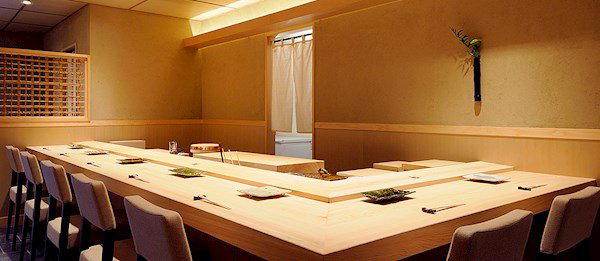
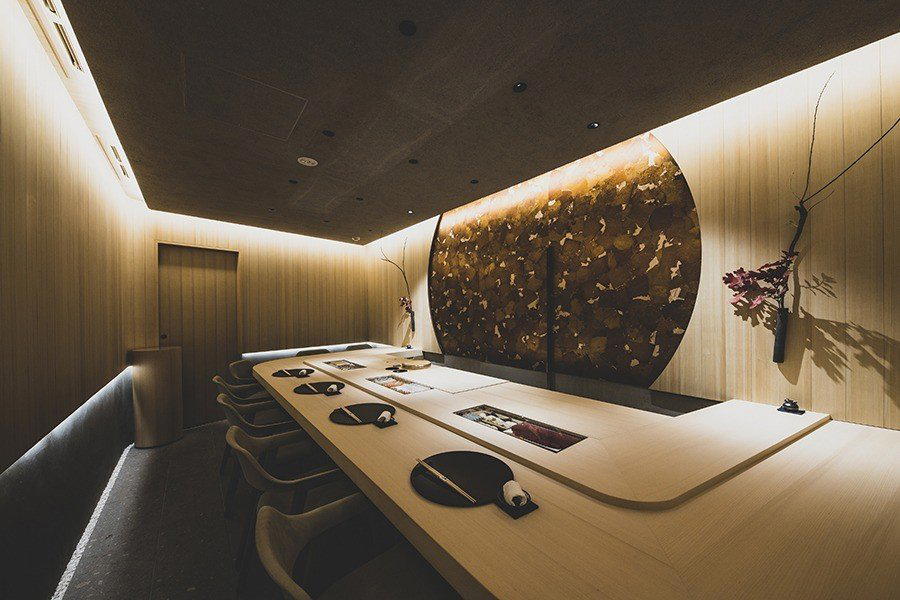
Restaurants in Sapporo
All restaurants in Sapporo →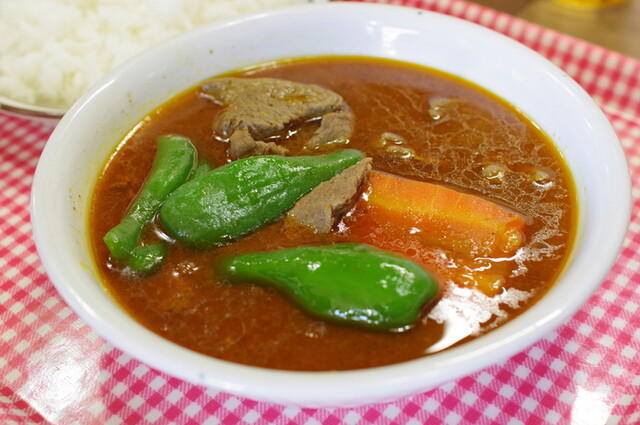
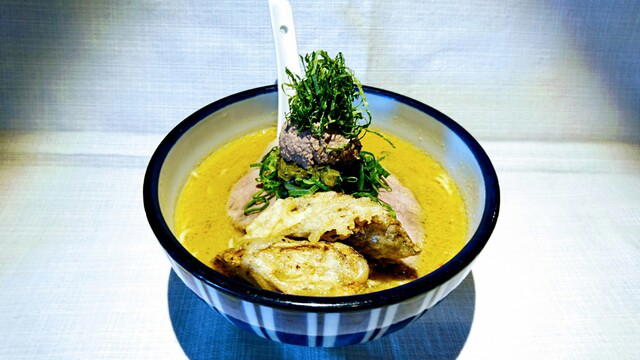
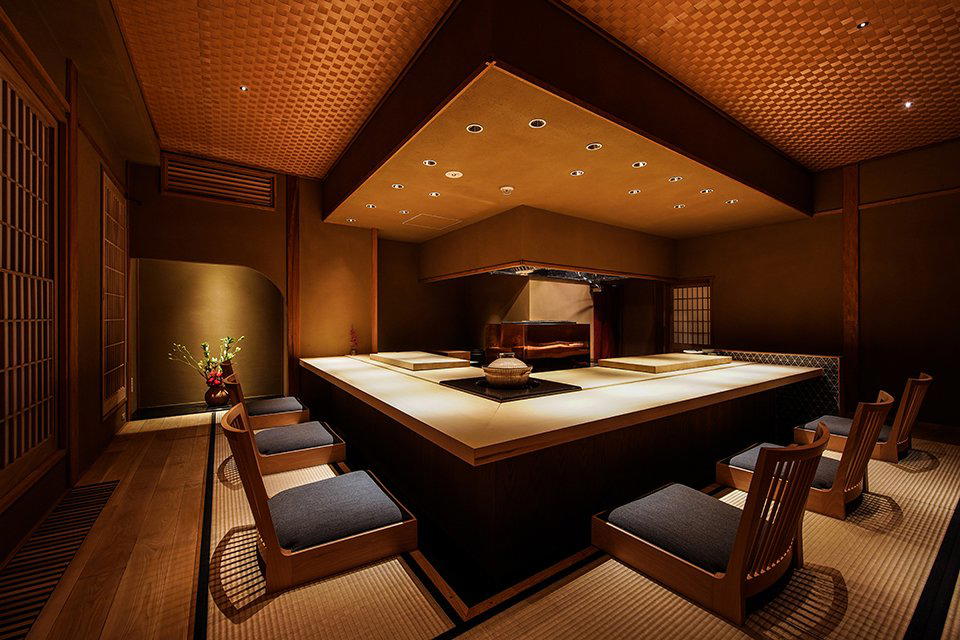
Bars in Sapporo
All bars in Sapporo →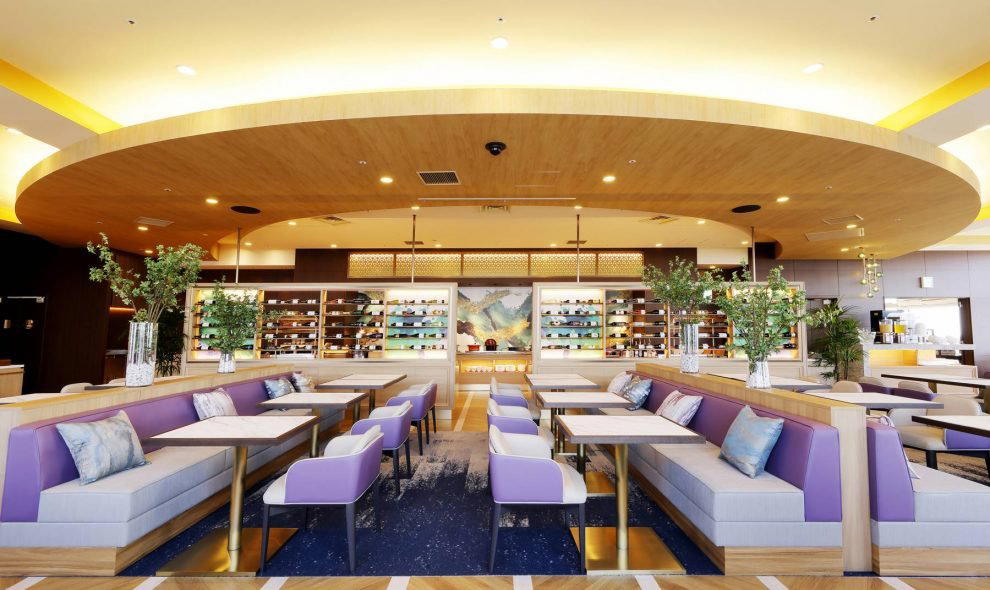
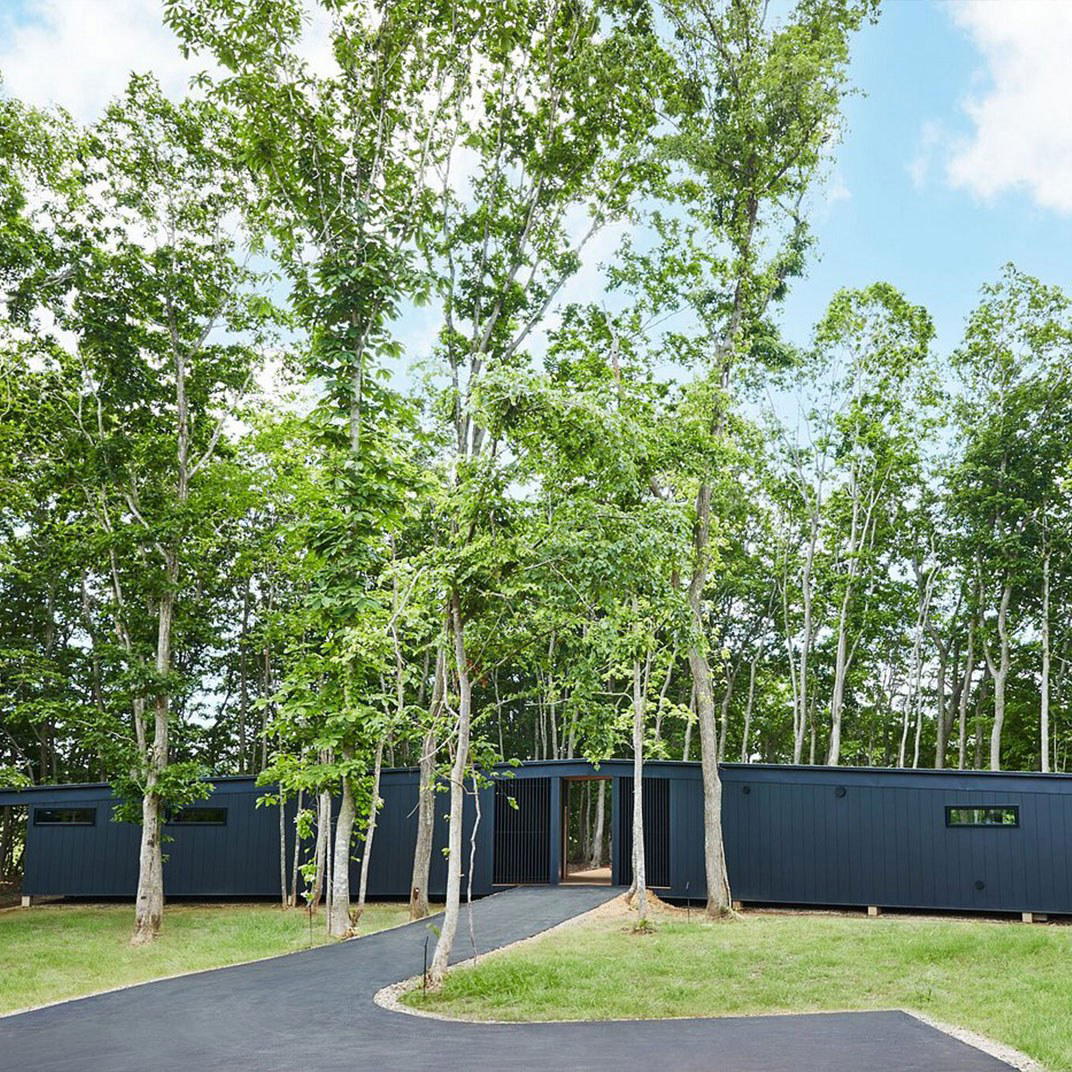

Details
- Cozy
- Intimate
- Solo
- Family
- Casual Hangout
- Late Night
- Standalone
- A La Carte
- Counter Dining
Small, non-smoking counter-only ramen shop with 11 seats, a simple and functional interior and a relaxed, casual atmosphere suited to solo diners and families rather than long, lingering meals.