
Tabelog 100 #6
Our verdict
Ramen Yoshi belongs to Sapporo’s serious small-counter ramen culture: compact, lunch-focused, and judged by consistency rather than ceremony. Its repeated Tabelog 100 ramen selections from 2017 through 2025 place it among Hokkaido shops with durable local credibility, while the seven-seat counter format keeps the experience closer to a specialist canteen than a destination dining room.

Pearl is the En Primeur Club membership app, where members save venues, book tables and use the concierge.
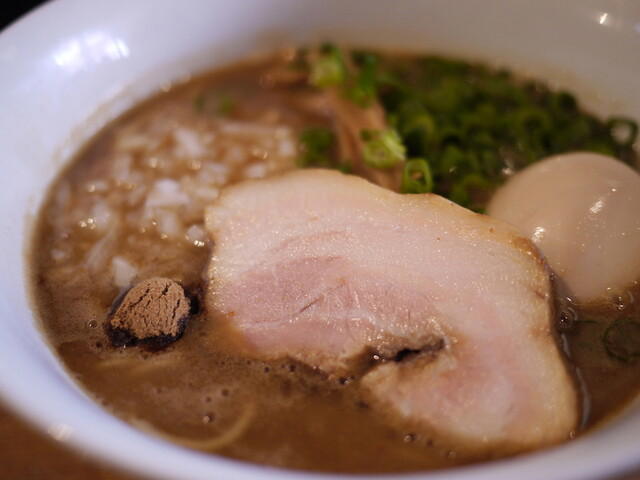
Approach a serious Sapporo ramen shop and the cues are usually modest: practical service, quick decisions, and a meal built around the bowl rather than the room. The appeal is not theatre. It is compression. Hokkaido’s ramen culture has always rewarded concentration, from miso-rich Sapporo bowls to regional variations shaped by cold weather, dairy country, seafood markets, wheat fields, and commuting habits. Ramen Yoshi belongs in that Sapporo ramen conversation: a specialist name with recognition in the demanding middle ground between neighbourhood utility and destination ramen.
That middle ground matters in Sapporo. The city has ramen for tourists, ramen for office workers, ramen for late-night drinkers, and ramen for people who follow rankings with the same attention others give wine lists. The more serious end of the scene is not defined by luxury signals. It is defined by repeatability, broth discipline, noodle handling, and whether a shop can hold local attention after the first wave of curiosity fades. Selection for a Tabelog Hyakumeiten ramen list in 2025 gives Ramen Yoshi a useful credential: not a luxury signal, but recognition within a closely watched ramen category.
A Sapporo ramen name in an ingredient-led tradition
Ingredient sourcing is often discussed too vaguely in ramen, as if every bowl were simply a matter of secret broth. In Hokkaido, the conversation is more grounded. The island’s food identity rests on agricultural scale, cold-water seafood, dairy, pork, corn, kelp, and wheat; ramen shops draw from that broader pantry even when they do not advertise provenance in detail. What matters editorially is the regional expectation: Sapporo diners are accustomed to body, warmth, and seasoning that can stand up to winter, but the better bowls avoid turning richness into blunt force.
For ramen, format and timing matter as much as atmosphere. Noodles soften, fat cools, and aroma fades quickly, so the experience is usually judged in the moment rather than over a long, lingering meal. Ramen Yoshi is best read as a focused ramen stop rather than a broad casual restaurant where ramen is simply one option among many.
The city’s ramen range is wide enough that comparisons need care. Ramen Yamasawa and Haruichiya Sandaime Menjuku Honten sit in a similar everyday ramen conversation, while Mendokoro Kyu and Ramen Shinwa are also useful Sapporo reference points. Menya Saimi is another Sapporo ramen name diners often keep in mind. Within that field, the target here is not breadth or convenience but the narrow discipline of a ramen shop with current external recognition.
Why the recognition matters more than the room
Tabelog Hyakumeiten selection carries particular weight in Japan because it reflects a culture where specialist categories are parsed closely. Ramen is not treated as a lesser cousin to formal dining; it has its own hierarchy, vocabulary, and obsessive audience. A score of 3.73 on Tabelog, combined with 2025 list inclusion, signals a shop that has crossed from local habit into wider ramen attention without needing to be framed as a polished dining production.
The ramen-shop format also clarifies who this experience suits. Solo diners and pairs are often naturally aligned with quick, focused meals; larger groups may want to plan with flexibility. The experience should be approached for its ramen rather than for ceremony. Sapporo’s stronger ramen stops often ask for a diner’s focus: order, eat while the bowl is at its intended temperature, then make space for the next customer. That etiquette is part of the culture rather than a hardship.
Ramen Yoshi sits within the broader Sapporo ramen landscape rather than the tourist shorthand alone. That changes the decision for travellers. This is a better fit for someone willing to plan a bowl into a Sapporo day than for a diner treating ramen as an incidental stop. For a wider map of the city’s dining scene, Our full Sapporo restaurants guide gives the broader restaurant context, while Our full Sapporo bars guide, Our full Sapporo hotels guide, Our full Sapporo wineries guide, and Our full Sapporo experiences guide help frame the trip beyond the bowl.
How to place it within a Sapporo food itinerary
Ramen is only one strand of Sapporo’s casual dining culture. The city’s appetite for spice, wheat, and cold-weather comfort also shows up in other everyday dining rooms, specialist counters, bakeries, curry shops, and casual canteens. For nearby and adjacent planning, compare the ramen decision with other Sapporo dining rather than treating every meal as a like-for-like ranking. The point is not to rank unlike categories, but to read Sapporo through the foods it takes seriously at everyday prices.
Travellers continuing through Japan can widen that lens with other dining rooms in cities such as Kamakura, Tokyo, Osaka, Kumamoto, Kawasaki, and Kyoto. For a trans-Pacific contrast in Japanese drinking and casual formats, unnamed Japanese-inspired bars and casual shops abroad show how Japanese foodways shift when translated outside Japan.
The critical read is simple: this is a recognition-backed Sapporo ramen stop for diners who care more about the discipline of a bowl than the comfort of a long meal. In a city where ramen can be tourist shorthand, Ramen Yoshi belongs to the smaller category of shops that make the local scene worth studying.
Frequently asked questions
Does Ramen Yoshi work for a family meal?
It depends on the group. Ramen shops often suit solo diners and pairs especially well, while families or larger parties may prefer to plan with flexibility.
Is Ramen Yoshi formal or casual?
It is best approached as a focused ramen visit rather than a formal dining occasion. The Tabelog Hyakumeiten ramen recognition for 2025 gives it status within the category.
What price level is Ramen Yoshi?
Pricing at Ramen Yoshi is listed as - JPY 999.
What time does Ramen Yoshi open and close?
Check current opening hours before visiting, as the available venue facts here do not provide a confirmed schedule.
Where is Ramen Yoshi located?
Sapporo.
Snapshot
Side-by-side context: comparable cuisine and price.
| Venue | Cuisine | Price | Awards | Notes |
|---|---|---|---|---|
| Ramen YoshiThis venue (the venue you are viewing) | Sapporo ramen shop | $10–20 | Tabelog 100 #6 | Not listed |
| European Curry Domon | Japanese European-style curry house | $10–20 | Tabelog 100 #13 | Toyohira |
| Sapporo Junren Sapporo ten | Traditional Sapporo miso ramen shop | $10–20 | Tabelog 100 #22 | Toyohira |
| Ame wa, Yasashiku | Modern Sapporo Ramen | $10–20 | Tabelog 100 #7 | Shiroishi |
| Menya Kamejin | Sapporo ramen shop | $10–20 | Tabelog 100 #24 | Higashi |
| Ramen Yamasawa | Ramen & Tsukemen Shop | $1–10 | Tabelog 100 #18 | Shiroishi |
Recognition history
Dated appearances from independent guides and award organizations, with the underlying list record or original source where available.
Tabelog 100 #6 · No. 6
Tabelog · Tabelog 100 - Ramen - HOKKAIDO - 2025
Continue exploring
More in Sapporo
Restaurants in Sapporo
All restaurants in Sapporo →
Bars in Sapporo
All bars in Sapporo →




Details
- Cozy
- Intimate
- Classic
- Solo
- Casual Hangout
- After Work
- Chefs Counter
- Standalone
- A La Carte
- Counter Dining
Current opening hours
- Monday
- Closed
- Tuesday
- 11 AM–2:30 PM
- Wednesday
- 11 AM–2:30 PM
- Thursday
- 11 AM–2:30 PM
- Friday
- 11 AM–2:30 PM
- Saturday
- 11 AM–2:30 PM
- Sunday
- 11 AM–2:30 PM
Hours can change for holidays and private events. Hours as of .
A small, counter-only ramen shop with a simple, classic interior; the atmosphere is focused, bustling, and efficient, geared toward solo diners and serious ramen fans rather than lingering meals.