Ramen Nagi

Our verdict
Ramen Nagi on Bryant Street brings the Tokyo-born chain's customizable tonkotsu format to the heart of Palo Alto's dining corridor. The broth-focused menu, built around long-cooked pork bone bases, sits in a tier of Japanese casual dining that the Bay Area has absorbed enthusiastically over the past decade. A reliable, no-frills stop for ramen in a city better known for expense-account dining.

Pearl is the En Primeur Club membership app, where members save venues, book tables and use the concierge.
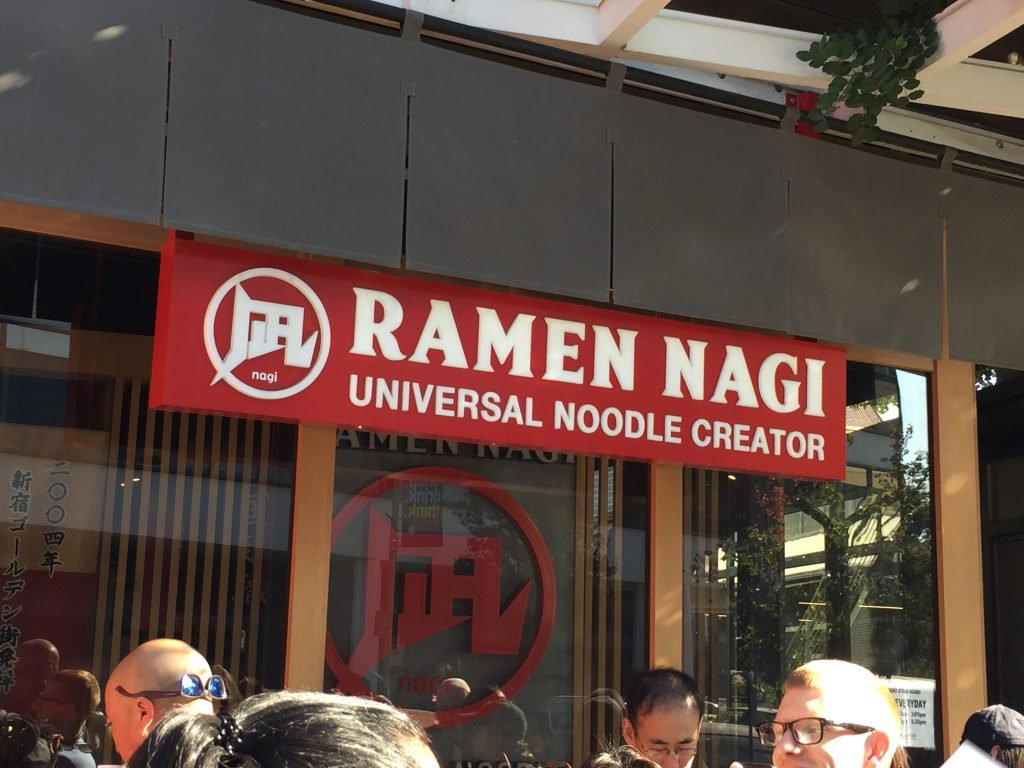
The menu
What to order
- Original King
- Black King
- Chicken karaage
Where Palo Alto Meets a Different Kind of Japanese Import
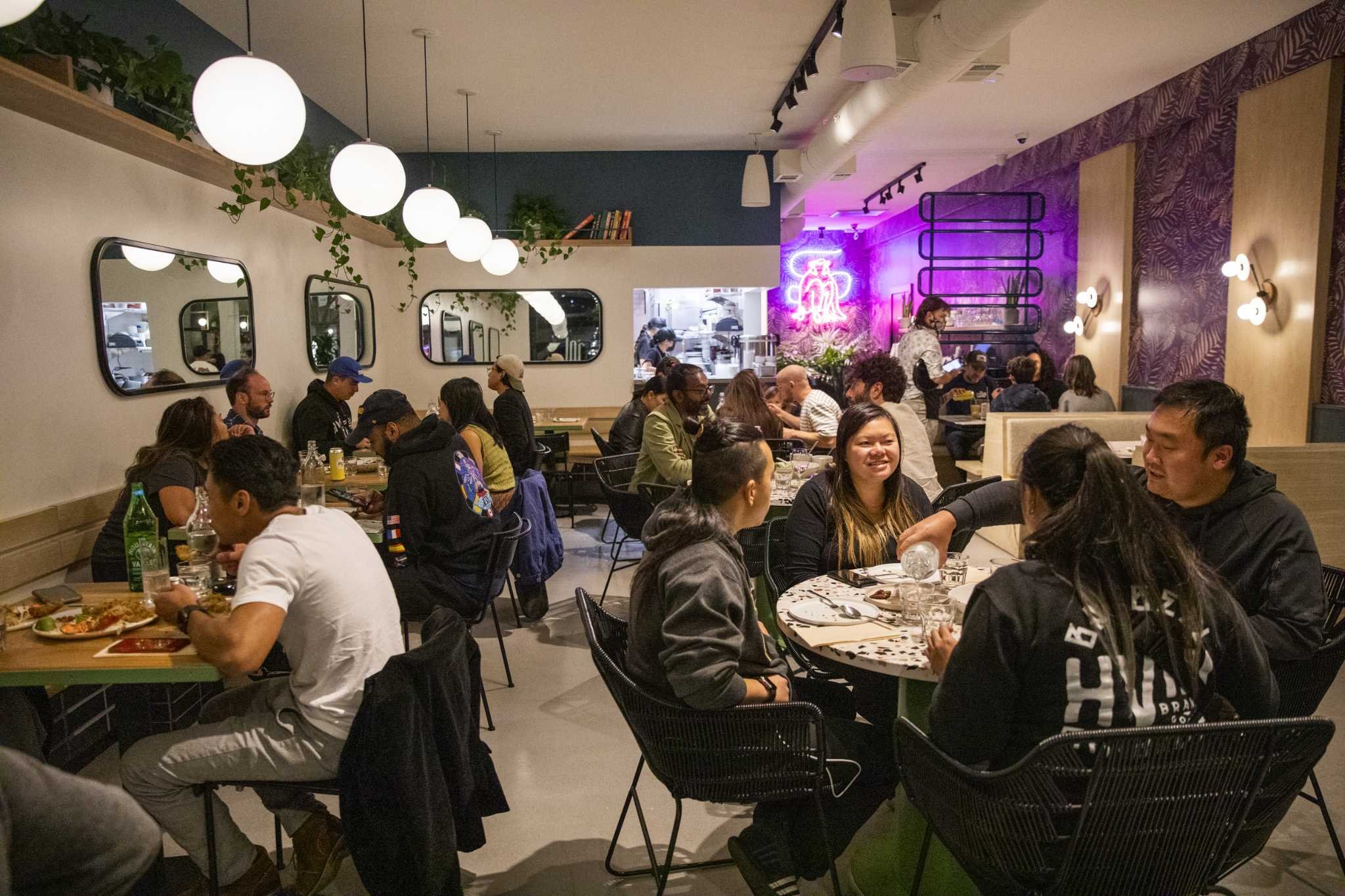
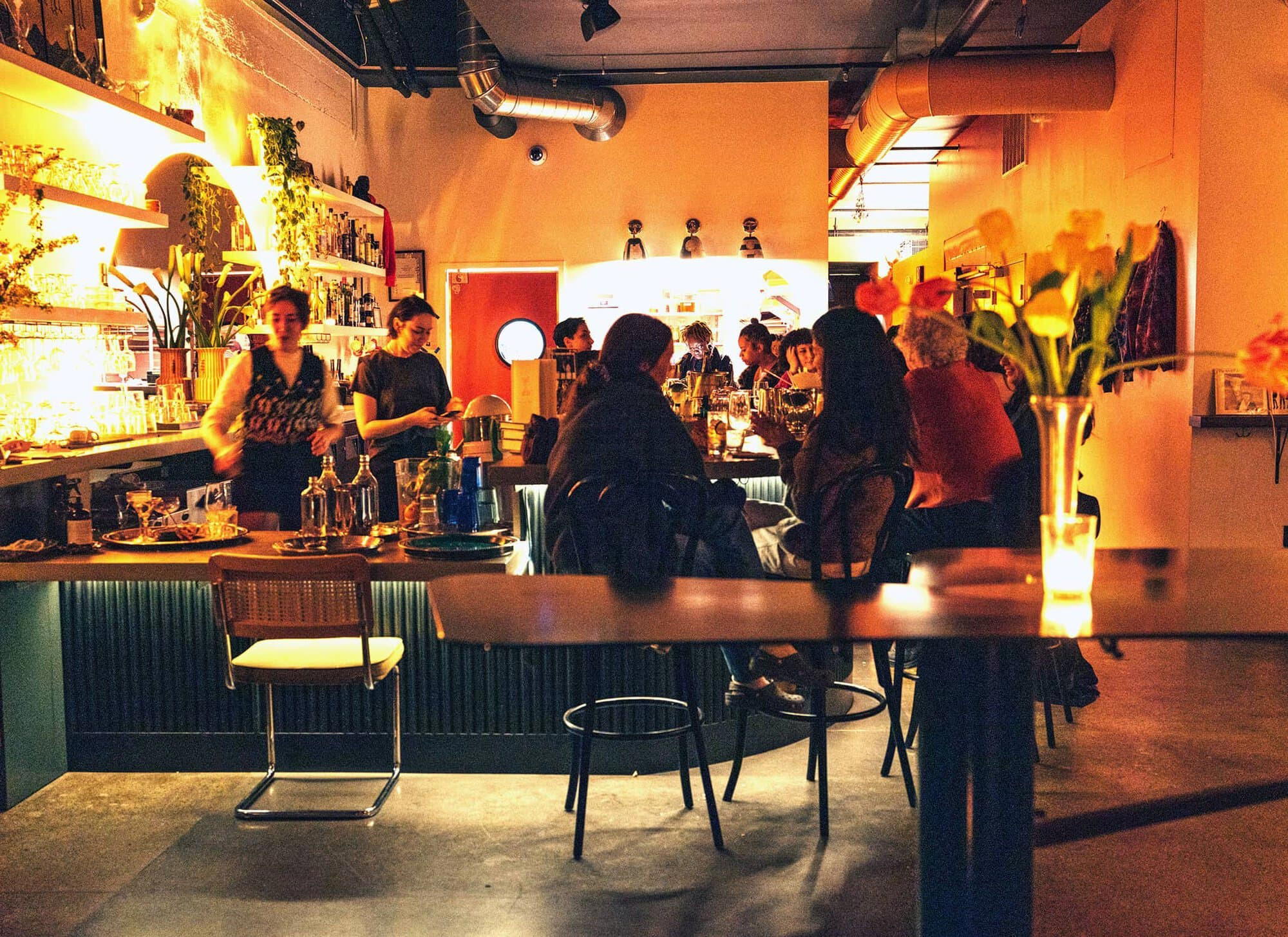
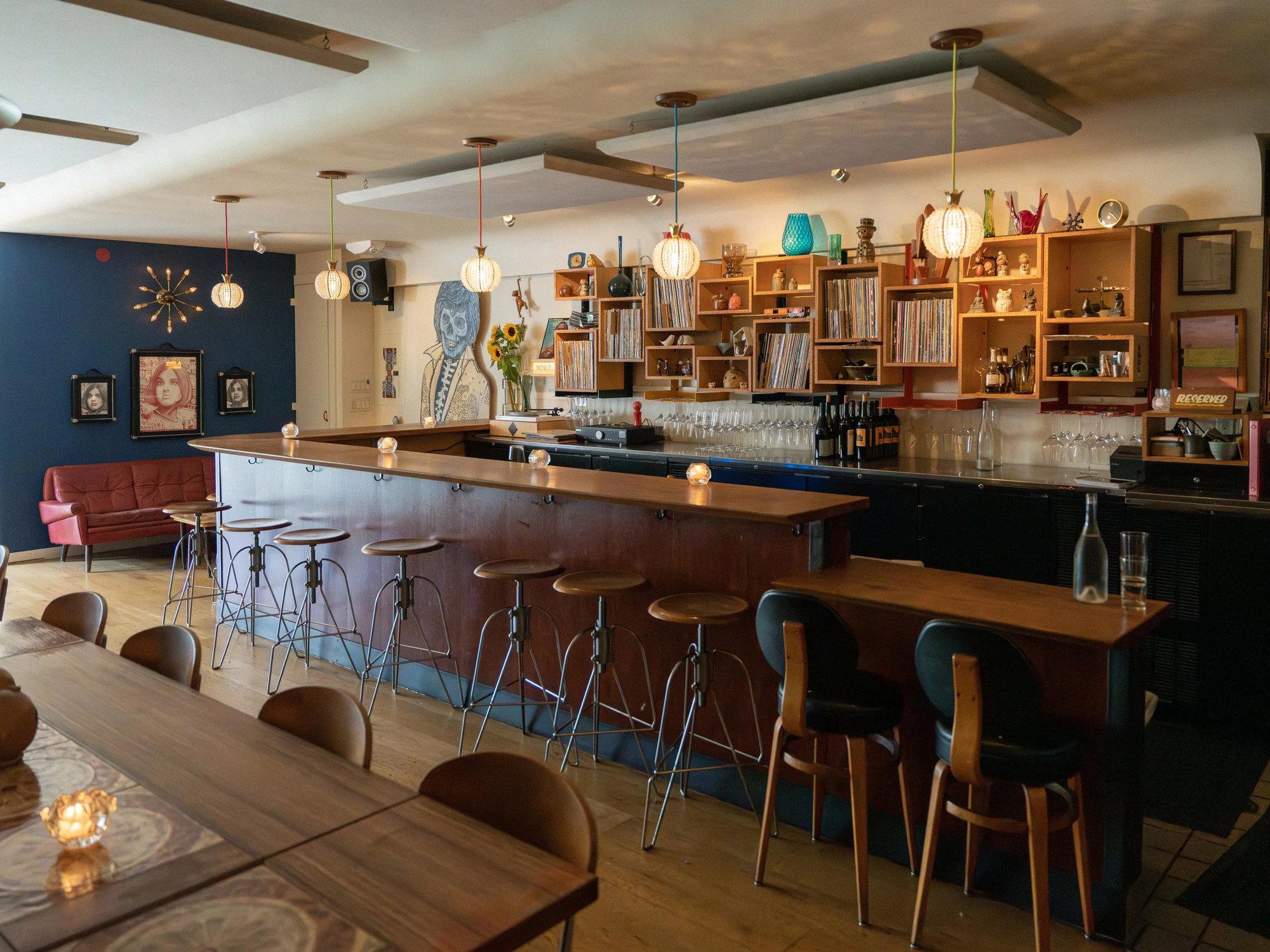
Bryant Street in Palo Alto runs a quiet parallel to University Avenue's louder restaurant scene, and it's here that Ramen Nagi occupies a slot in the city's surprisingly diverse bowl-and-broth category. The space reads like most of the chain's outposts: counter seating, close tables, the low hum of an exhaust hood above open kitchen equipment. It is not designed for lingering. The lighting is functional, the acoustics absorb conversation rather than encourage it, and the visual identity follows the Japanese fast-casual playbook closely enough that you could walk in knowing exactly what register of experience to expect.
That predictability is a feature, not a failure. Ramen Nagi originated in Tokyo and expanded across Asia and into the United States on the logic that a disciplined, customizable tonkotsu format could hold its own in competitive ramen markets. The Bay Area, which has seen a wave of Japanese ramen imports compete for credibility alongside homegrown operations, provided the pressure test. Palo Alto sits downstream of that broader regional reckoning, drawing from a tech-adjacent population that travels frequently and benchmarks against what it has eaten in Tokyo, Singapore, and the ramen counters of San Francisco's Japantown.
The Broth as the Point
In serious tonkotsu operations, the broth is not a background element: it is the product. Tonkotsu style, derived from pork bones cooked at a rolling boil for many hours, produces a collagen-dense, milky white liquid that sits at the heavier end of Japan's regional ramen spectrum. Compared to the clearer, soy-forward broths of Tokyo-style shoyu ramen or the miso-thickened bases common in Hokkaido, tonkotsu demands a commitment to fat and depth that a kitchen either executes correctly or does not.
Ramen Nagi's model layers onto this with a customization architecture: customers specify broth richness, noodle firmness, and add-on toppings, creating a version of the bowl that maps to their preference rather than a fixed chef's composition. This approach has antecedents across Japan's ramen scene, where regional pride in broth base coexists with customer-facing flexibility on everything else. For a Palo Alto audience accustomed to configuring meals down to the granular, it is a format that translates well.
The sourcing logic behind a broth-forward operation like this one is worth understanding. Tonkotsu's character depends on the quality and fat content of the pork bones in the base. Japanese ramen chains that operate at any credible level source bones with enough collagen and marrow to sustain multiple-hour cooks without producing a thin or off-flavored result. What reaches the bowl is the accumulated evidence of that process: a broth with body, a slight richness on the palate, and enough aromatic depth to stand without excessive seasoning.
Where It Sits in Palo Alto's Dining Picture
Palo Alto's restaurant scene has historically skewed toward California-Mediterranean, expense-account steakhouses, and fast-casual concepts that serve the lunch traffic from nearby office campuses. Japanese food occupies a meaningful but secondary tier, with ramen as one of its more consistent categories. Ramen Nagi competes in that tier alongside other bowl-format operations and is positioned in the casual, accessible bracket rather than the omakase or premium Japanese dining segment.
For context on the broader Palo Alto dining spread, the city's options range from direct casual spots to places with more elaborate formats. Bare Bowls represents the health-focused bowl category on the casual end, while Arya Steakhouse anchors the higher-spend, protein-focused tier. Anatolian Kitchen and Asian Box occupy adjacent casual-international positions. Ramen Nagi's format places it alongside those mid-casual options rather than in competition with the city's higher-end dining rooms. Birdie's at Stanford Golf operates in an entirely different context, serving a golf-club audience with different expectations. Our full Palo Alto restaurants guide maps the broader scene in more detail.
The reference class for serious Japanese ramen in the Bay Area extends beyond Palo Alto's immediate options. Anyone calibrating expectations for what ramen can be at the precision end of the spectrum might look at how the format sits globally, from the chef-driven Japanese-American dining at Atomix in New York City to the farm-rooted sourcing discipline at Single Thread Farm in Healdsburg or Blue Hill at Stone Barns in Tarrytown. Those are different categories entirely, but they illustrate how seriously ingredient provenance and kitchen discipline matter at the upper end of the dining spectrum. Ramen Nagi operates at a different point on that axis, but the underlying logic of ingredient quality as the determinant of broth quality applies across registers. Casual does not mean indifferent to sourcing; it means the margin for premium ingredients is compressed.
For those mapping American fine dining against which Ramen Nagi exists as a very different proposition, The French Laundry in Napa, Providence in Los Angeles, Alinea in Chicago, Le Bernardin in New York City, Lazy Bear in San Francisco, Addison in San Diego, Emeril's in New Orleans, The Inn at Little Washington in Washington, and 8 1/2 Otto e Mezzo Bombana in Hong Kong represent the award-laden, multi-course tier. Ramen Nagi occupies a fundamentally different register, where speed, consistency, and broth quality across volume service are the relevant metrics.
Planning Your Visit
Ramen Nagi is located at 541 Bryant Street, Palo Alto, CA 94301. Bryant Street parking is easier to find than the University Avenue corridor, particularly outside peak lunch hours. The format is walk-in friendly given the fast-casual throughput model, though dinner service on weeknights can see queues form. Given the absence of publicly listed booking infrastructure, arriving early in a service window is the practical approach. The meal is designed to move efficiently, which makes it a reasonable option for a working lunch or a quick dinner without the overhead of a reservation-dependent evening.
Frequently asked questions
Is Ramen Nagi okay with children?
Ramen Nagi at 541 Bryant St is a casual counter-style ramen spot, which tends to work reasonably well for families with older children. The format is straightforward and the pacing is quicker than a full sit-down restaurant, so younger diners are unlikely to feel out of place. That said, the menu centres on pork bone broth and ramen variations, so it helps if children are already comfortable with Japanese noodle dishes.
What is the atmosphere like at Ramen Nagi?
Bryant Street's quieter foot traffic gives Ramen Nagi a more focused, low-key feel compared to the busier University Avenue corridor nearby in Palo Alto. Expect a casual, functional room geared toward the food rather than the scene, in line with the tonkotsu ramen tradition where the bowl is the main event. Noise levels stay moderate, and the pace moves steadily, making it more of a purposeful lunch or dinner stop than a lingering occasion.
How does Ramen Nagi in Palo Alto compare to other Japanese ramen options in the South Bay?
Ramen Nagi brings a tonkotsu-focused format to Palo Alto's Bryant Street, a city whose dining scene has historically leaned toward California-Mediterranean and expense-account restaurants rather than Japanese noodle specialists. Within the South Bay, Nagi's approach of centring the meal on a customisable pork bone broth gives it a distinct position relative to shoyu or miso-led competitors. For diners coming from San Jose or Mountain View, the Bryant Street address offers a convenient stop in the northern Peninsula without requiring a trip into San Francisco's denser ramen corridor.
What's the signature dish at Ramen Nagi?
Ramen Nagi's reputation is built on tonkotsu-style ramen, where pork bones are cooked at a sustained rolling boil to produce a dense, collagen-rich broth. That broth is the defining product here, not a backdrop. The Palo Alto location follows the approach of the wider Nagi operation, which positions customisation of richness, noodle firmness, and toppings as central to the experience.
How It Stacks Up
Comparable venues nearby, for context on price, style, and recognition.
| Venue | Cuisine | Price | Notes |
|---|---|---|---|
| Ramen NagiThis venue (the venue you are viewing) | Japanese Ramen | $20–30 | Not listed |
| Rangoon Ruby Burmese Cuisine | Authentic Burmese Cuisine | $30–50 | Downtown Palo Alto |
| Bare Bowls | Acai Bowls & Healthy Smoothies | $10–20 | Downtown Palo Alto |
| President's Terrace | West Coast Seafood Small Plates | $30–50 | Downtown Palo Alto |
| Baume | Dining | Not listed | Palo Alto |
| Cafe Pro Bono | Authentic Italian Trattoria | $30–50 | Old Palo Alto |
Recognition history
Dated appearances from independent guides and award organizations, with the underlying list record or original source where available.
Opinionated About Dining Cheap Eats in North America Highly Recommended
Opinionated About Dining
Continue exploring
More in Palo Alto
Restaurants in Palo Alto
All restaurants in Palo Alto →
Bars in Palo Alto
Browse all →


Details
- Modern
- Trendy
- Casual Hangout
- Family
- Sake Program
- A La Carte
- Vegetarian Friendly
Current opening hours
- Monday
- 11 AM–2:30 PM, 5–9 PM
- Tuesday
- 11 AM–2:30 PM, 5–9 PM
- Wednesday
- 11 AM–2:30 PM, 5–9 PM
- Thursday
- 11 AM–2:30 PM, 5–9 PM
- Friday
- 11 AM–2:30 PM, 5–9 PM
- Saturday
- 11 AM–2:30 PM, 5–9 PM
- Sunday
- 11 AM–2:30 PM, 5–9 PM
Hours can change for holidays and private events. Hours as of .
Modern ramen shop atmosphere reminiscent of Japan, efficient and busy with a casual, trendy feel.