
Tabelog 100 #48
Our verdict
Ramen Kinoko belongs to Tsukuba’s serious everyday ramen tier: low-cost, small-format, and recognized by Tabelog Ramen EAST 100 in 2017, 2018, 2019, 2020, 2024, and 2025. The draw is not luxury theatre but the discipline of a ramen and tsukemen shop that has kept local relevance for more than a decade.

Pearl is the En Primeur Club membership app, where members save venues, book tables and use the concierge.
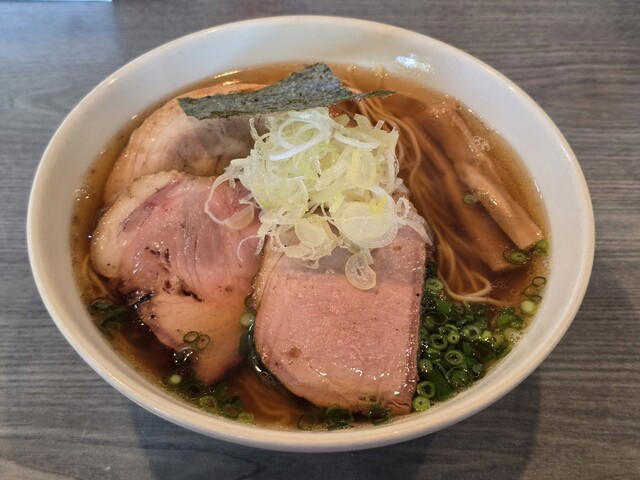
In Tsukuba, the ramen conversation begins before the bowl: a focused restaurant rhythm, a practical room, and the steady pace of people arriving for a meal built around noodles rather than a long evening. Tsukuba’s dining scene is often read through university-town convenience and suburban spread, but its stronger casual addresses are built around repetition: regulars, short menus, everyday budgets, and a narrow specialty executed with enough consistency to earn attention beyond the immediate neighborhood.
That is the useful way to read Ramen Kinoko. It is not competing with the city’s bakeries, cafés, or Western-leaning rooms on ambience; it belongs to the ramen-and-tsukemen bracket where sourcing, stock work, noodle texture, and speed matter more than decoration. In a city where good meals can sit at different registers, from david pain at the bakery end to other casual dining rooms, this address sits firmly in the bowl-first camp.
Tsukuba ramen with the discipline of a small specialist shop
Ramen in Japan rewards specialization. A shop does not need a grand dining room to matter; it needs a point of view on broth, noodles, tare, fat, and toppings, then enough discipline to repeat that point of view under lunch-rush pressure. Ramen Kinoko’s category listing covers ramen and tsukemen, a pairing that places it within a broader East Japan tradition where soup temperature, noodle thickness, and dipping concentration become part of the choice rather than a side note.
The ingredient-sourcing angle matters because ramen is an assembled cuisine. Flour quality affects chew, stock ingredients shape depth, and tare determines whether the bowl reads clean, salty, rounded, or assertive. Tsukuba’s location in Ibaraki adds another layer: this is not a Tokyo station-area shop built around tourist turnover, but a local address in a region with strong agricultural identity. The page does not need to invent a farm list or named supplier to make the point. In this category, credibility comes from repetition and recognition: its 2025 Tabelog Hyakumeiten record, with a listed score of 3.71, signals meaningful approval in a field where fashions move quickly.
That recognition is more useful than a vague popularity claim. Tabelog’s ramen lists group high-performing shops by region, and the 2025 selection places this Tsukuba address in conversation with serious ramen addresses across the wider field, not just with nearby lunch options. For travelers using our full Tsukuba restaurants guide, it functions as a clear marker: this is a specialist stop, not a general-purpose Japanese restaurant.
Why the room and format matter as much as the bowl
The format shapes the experience. Ramen and tsukemen reward efficiency: diners arrive with a clear purpose, order around a narrow specialty, and keep attention on the bowl. That distinction matters in Tsukuba, where everyday dining patterns make casual noodle shops serve more than a single kind of guest. The appeal is not ceremony but clarity: a meal that can be simple, quick, and still worth seeking out.
The listed budget also keeps the experience in the normal ramen rhythm. Ramen Kinoko is recorded at JPY 1,000 - JPY 1,999 for both lunch and dinner, a range that reinforces its role as an accessible specialist rather than a destination built around luxury cues. Those details are not minor bookkeeping; in this category, price, pace, and focus help explain why a shop can matter without relying on elaborate service language or a polished dining-room narrative.
For comparison within Tsukuba, Sumibi Hamburger steak Nikuyaki Tei answers a different everyday craving, while Tsukuba Ramen Onimonogatari is the more direct category comparison in the ramen lane. Ramen Kinoko’s 2025 Tabelog Hyakumeiten recognition is therefore the cleaner differentiator for travelers deciding where to spend a limited meal slot. Outside the immediate ramen lane, Tsukuba also has bakeries, casual dining rooms, and other everyday food stops that show how varied the city’s dining can be without sharing the same culinary logic.
How to place it in a wider Japan itinerary
Travelers often treat ramen as a Tokyo checklist item, but regional shops can be more revealing because they show how the format works in daily life. The better comparison is not with destination tasting counters; it is with other tightly defined Japanese casual formats found across the country: places where one main promise, one price logic, or one narrow style gives the meal its shape. Each depends on focus rather than a sprawling menu.
That framing also helps avoid over-romanticizing the meal. This is a practical ramen and tsukemen stop with serious recognition, not a luxury dining event. The value lies in the combination of accessible pricing, specialist category, and a 2025 Tabelog Hyakumeiten record. For a Tsukuba stay, it pairs naturally with broader planning through our full Tsukuba hotels guide, while drink-led or non-restaurant plans can sit separately in our full Tsukuba bars guide, our full Tsukuba wineries guide, and our full Tsukuba experiences guide.
The broader lesson is that Japan’s casual food culture is not a lesser tier; it is where technical repetition becomes visible. Cafés, bakeries, noodle shops, and other compact formats may sit in different cities and categories, but they share the same editorial test: a focused format must justify its limits. Ramen Kinoko passes that test through regional recognition, clear category identity, and a format that keeps the attention on the bowl.
Frequently asked questions
Can I bring kids to Ramen Kinoko?
Ramen Kinoko is in Tsukuba. For current policies on children, seating, and service, check the venue's official channels before visiting.
Is Ramen Kinoko better for a quiet night or a lively one?
It reads more as a focused, low-key ramen and tsukemen stop than a lively social room. The Tabelog Hyakumeiten 2025 record points to a specialist noodle shop rather than a broad night-out venue.
What price level is Ramen Kinoko?
Ramen Kinoko is listed at Dinner: JPY 1,000 - JPY 1,999; Lunch: JPY 1,000 - JPY 1,999.
What is Ramen Kinoko known for?
Ramen Kinoko is known as a ramen and tsukemen venue in Tsukuba, with Tabelog Hyakumeiten recognition in 2025.
Fast Comparison
Comparable venues by cuisine and price in the same metro.
| Venue | Cuisine | Price | Awards | Notes |
|---|---|---|---|---|
| Ramen KinokoThis venue (the venue you are viewing) | Japanese Ramen | $1–10 | Tabelog 100 #48 | Not listed |
| Kuradashi Yakiimo Kaitsu Ka Tsukuba ten | Japanese roasted sweet potato & sweets cafe | $1–10 | Tabelog 100 #81 | >= Matsunoki (Tsukuba) |
| Hurricane Ramen Honten | Ramen & Tsukemen | $10–20 | Tabelog 100 #19 | Tsukuba |
| Sumibi Hamburger steak Nikuyaki Tei | Charcoal-grilled Japanese Hamburg & Beef Tendon Curry | $10–20 | Tabelog 100 #51 | Tsukuba |
| Sichuan Mararajusshoku | Sichuan Hotpot | $20–30 | Tabelog 100 #9 | Tsukuba |
| La Cote d'Azurl Honten | French patisserie & café | $10–20 | Tabelog 100 #17 | Higashiarai |
Recognition history
Dated appearances from independent guides and award organizations, with the underlying list record or original source where available.
Tabelog 100 #48 · No. 48
Tabelog · Tabelog 100 - Ramen - EAST - 2025
Continue exploring
More in Tsukuba
Restaurants in Tsukuba
All restaurants in Tsukuba →



Bars in Tsukuba
Browse all →







Details
- Cozy
- Classic
- Solo
- Family
- Casual Hangout
- Standalone
- A La Carte
A relaxed, house-style ramen shop with counter seating and a small dining room atmosphere.