Radieschen occupies a residential address on Reuterallee in Darmstadt's southern reaches, placing it outside the city's conventional dining circuit. The name, German for radish, signals an orientation toward the vegetable and the seasonal, situating the restaurant within a broader German tradition of produce-led cooking that has quietly found footing in mid-sized cities well beyond the Michelin capitals.
Pearl is the En Primeur Club membership app — saves, bookings, and concierge access live there. Same editors, same standards.
- Address
- Reuterallee 37, 64297 Darmstadt, Germany
- Phone
- +496151943446
- Website
- radieschen.com
- Directions
- Get directions
 Saves & bookings on Pearl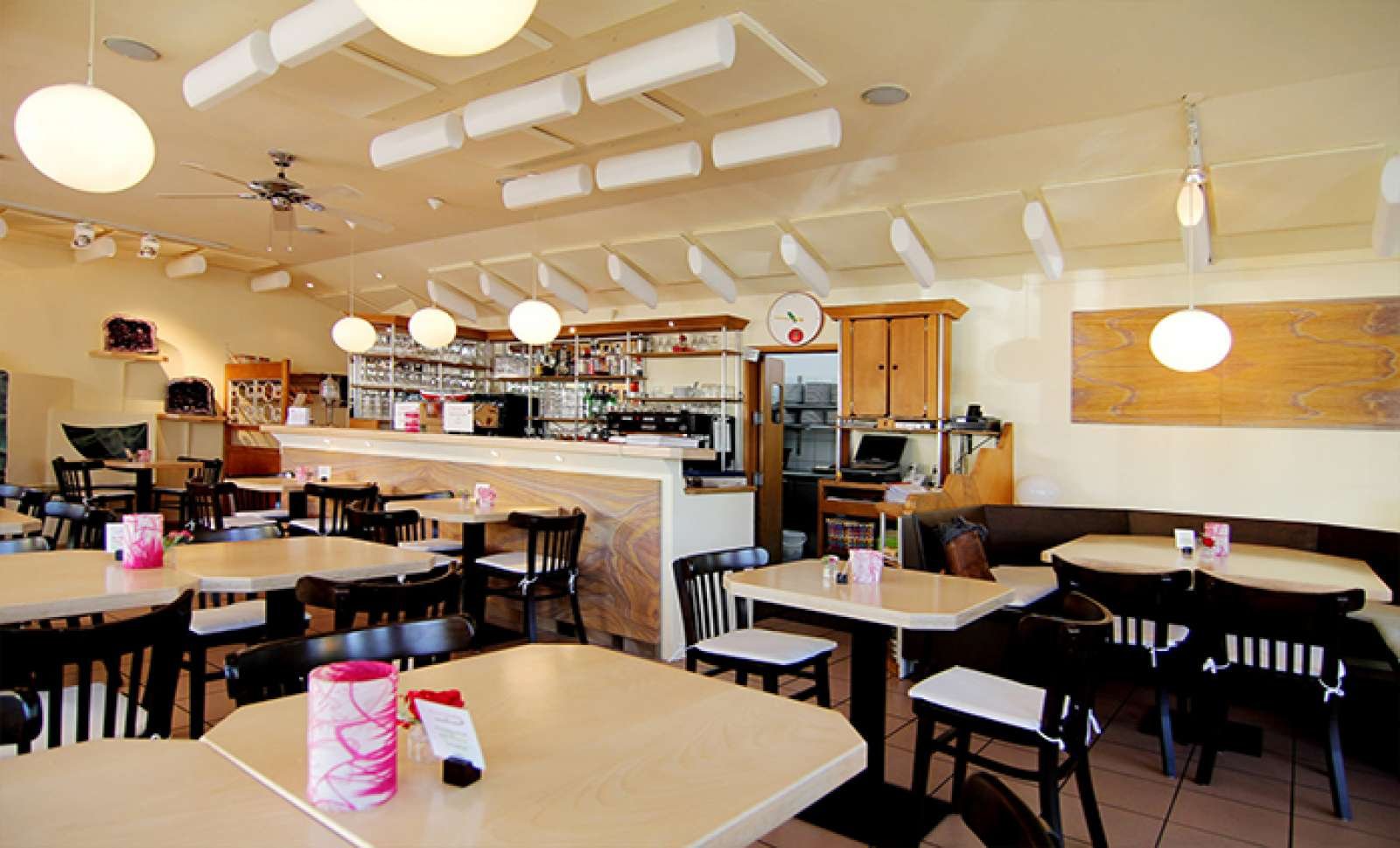
A Southern Address in a City Finding Its Dining Voice
Its restaurant culture has historically been shaped by the Technische Universität population and a solidly bourgeois civic tradition, which tends to reward reliability over ambition. What has shifted in recent years is the arrival of a small number of independent operators willing to work outside that comfort zone, each staking out a distinct identity rather than competing on the same middle-ground turf. Radieschen, at Reuterallee 37 in the city's southern quarter, belongs to that cohort.
The address itself is telling. Reuterallee runs through a quieter residential stretch removed from the city centre's pedestrian bustle, the kind of location that requires a deliberate decision to visit rather than a casual walk-in. In German dining culture, this is not unusual: many of the country's most committed kitchens operate in non-obvious locations, relying on reputation and word of mouth rather than footfall. The name Radieschen, radish, in English, carries its own signal. It positions the restaurant squarely within a German culinary tradition that has been re-evaluated seriously over the past two decades, one in which the vegetable garden, the seasonal market, and the regional producer occupy the same status that imported luxury ingredients once held.
The Cultural Weight of the Vegetable in German Cooking
To understand what a name like Radieschen implies, it helps to understand how German cuisine has repositioned itself since the early 2000s. For much of the twentieth century, German fine dining operated under a kind of cultural inferiority complex relative to France, importing techniques, vocabulary, and often ingredients wholesale. The correction came gradually, then accelerated. Chefs at restaurants like Schwarzwaldstube in Baiersbronn and Waldhotel Sonnora in Dreis maintained classical rigour while the generation that followed them began to ask more pointed questions about what German cooking actually meant on its own terms.
The answer, increasingly, has centred on produce. Germany's agricultural regions, from the Rhine valley to the Bavarian lowlands, produce notable root vegetables, brassicas, herbs, and alliums across a long growing season. A restaurant that names itself after the radish is participating in a conversation about this repositioning, suggesting that the humble, the seasonal, and the regionally sourced deserve as much attention as any imported luxury. That conversation is happening at a serious level across the country, from ES:SENZ in Grassau to JAN in Munich, and it filters down through every price tier.
Darmstadt's Small but Focused Independent Scene
Within Darmstadt itself, the independent restaurant scene is compact but purposeful. OX, operating at the summit of the city's price tier with a modern cuisine format, represents one formal end of local ambition. das krü and Djadoo approach the question from different directions, while Olbrick and Restaurant Yetenbi extend the range of reference points available to diners. Radieschen sits in this ecosystem as a name that evokes a specific culinary stance, produce-centred, likely seasonal, probably German in its frame of reference even if technically eclectic in execution.
That positioning matters in a city of Darmstadt's size. With a population of roughly 160,000, the city does not sustain the deep bench of specialist restaurants that Frankfurt, forty minutes north by S-Bahn, can support. Restaurants here have to mean something clearly to their audience. Ambiguity is a harder sell when the potential customer base is smaller and the competition for the same dining occasion is already present across the Rhine-Main region. A name that stakes out a clear identity, rooted, seasonal, vegetable-forward, does real work in that context.
Where Radieschen Sits in the Wider German Picture
Comparing Darmstadt's emerging independents to the award-laden kitchens of Germany's premier destinations is less instructive than comparing them to the broader tier of serious regional restaurants that have multiplied across the country over the past decade. Venues like Schanz in Piesport or Restaurant Haerlin in Hamburg occupy the upper end of that regional-serious tier, carrying Michelin recognition and formal structures. Victor's Fine Dining in Perl and Vendôme in Bergisch Gladbach represent an older, more classically French-inflected tradition within German fine dining. Aqua in Wolfsburg and CODA Dessert Dining in Berlin show the range of formats that German kitchens now occupy.
Radieschen does not appear in that awards conversation, at least not in any documented form. What it represents instead is the kind of neighbourhood-scale commitment that makes a regional dining scene function below the headline tier. Internationally, this pattern is familiar: the restaurants that define a city's eating culture for its own residents often carry no external validation at all. Le Bernardin in New York and Atomix set the ceiling for what a city's dining can achieve; it is the committed mid-tier that sets its daily character.
Planning a Visit
Radieschen is located at Reuterallee 37 in the 64297 postal district of Darmstadt, placing it in the southern residential area of the city. Visitors arriving by public transport from central Darmstadt should allow time for the journey; the address is more accessible by car or taxi than by foot from the main train station. Radieschen is recommended for reservations and is open Tuesday to Friday from 12 to 3 PM and 5:30 to 11 PM, Saturday from 5:30 to 11 PM, and Sunday from 12 to 3 PM and 5:30 to 11 PM; it is closed Monday. For a fuller picture of where Radieschen sits within the city's dining options, the EP Club Darmstadt restaurants guide maps the full range of the city's current scene.
Price and Recognition
Comparable venues nearby, for context on price, style, and recognition.
| Venue | Cuisine | Price | Notes |
|---|---|---|---|
| RadieschenThis venue — the venue you are viewing | Not listed | $$ | Not listed |
| Restaurant Yetenbi | Darmstadt-Mitte, Authentic Ethiopian | $ | Not listed |
| Djadoo | Not listed | $$ | Viktoriaplatz, Authentic Persian & Oriental |
| Olbrick - Loved Sushi & Asian Fusion | Not listed | $$$ | :null, Loved Sushi & Asian Fusion |
| das krü | Not listed | $$$ | Ludwigstraße, Darmstadt city center, Modern German with International Influences |
| Wang's Kitchen | Eberstadt, Pan-Asian All-You-Can-Eat | $$ | Not listed |
Continue exploring
More in Darmstadt
Restaurants in Darmstadt
Browse all →
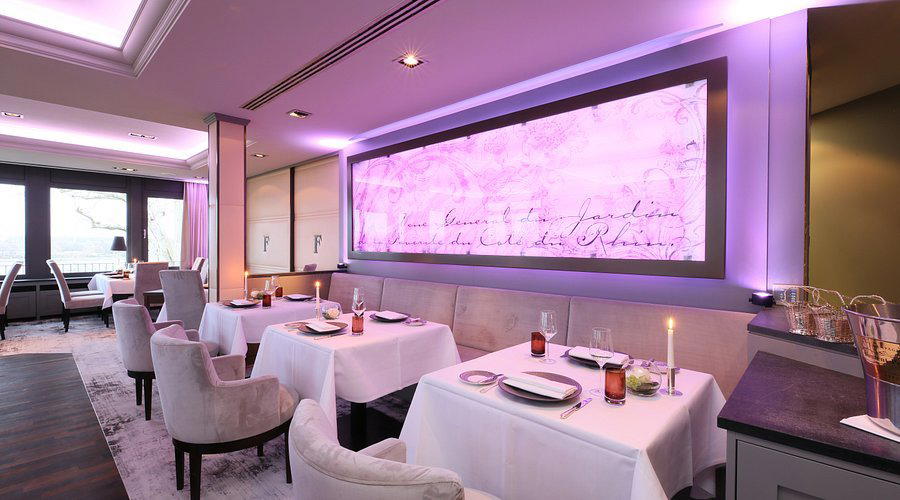
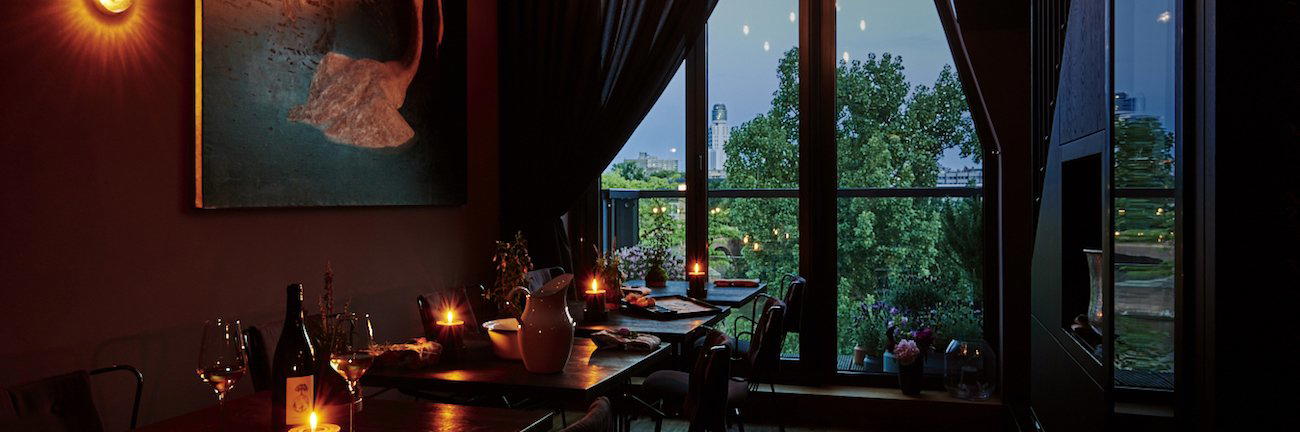
Bars in Darmstadt
Browse all →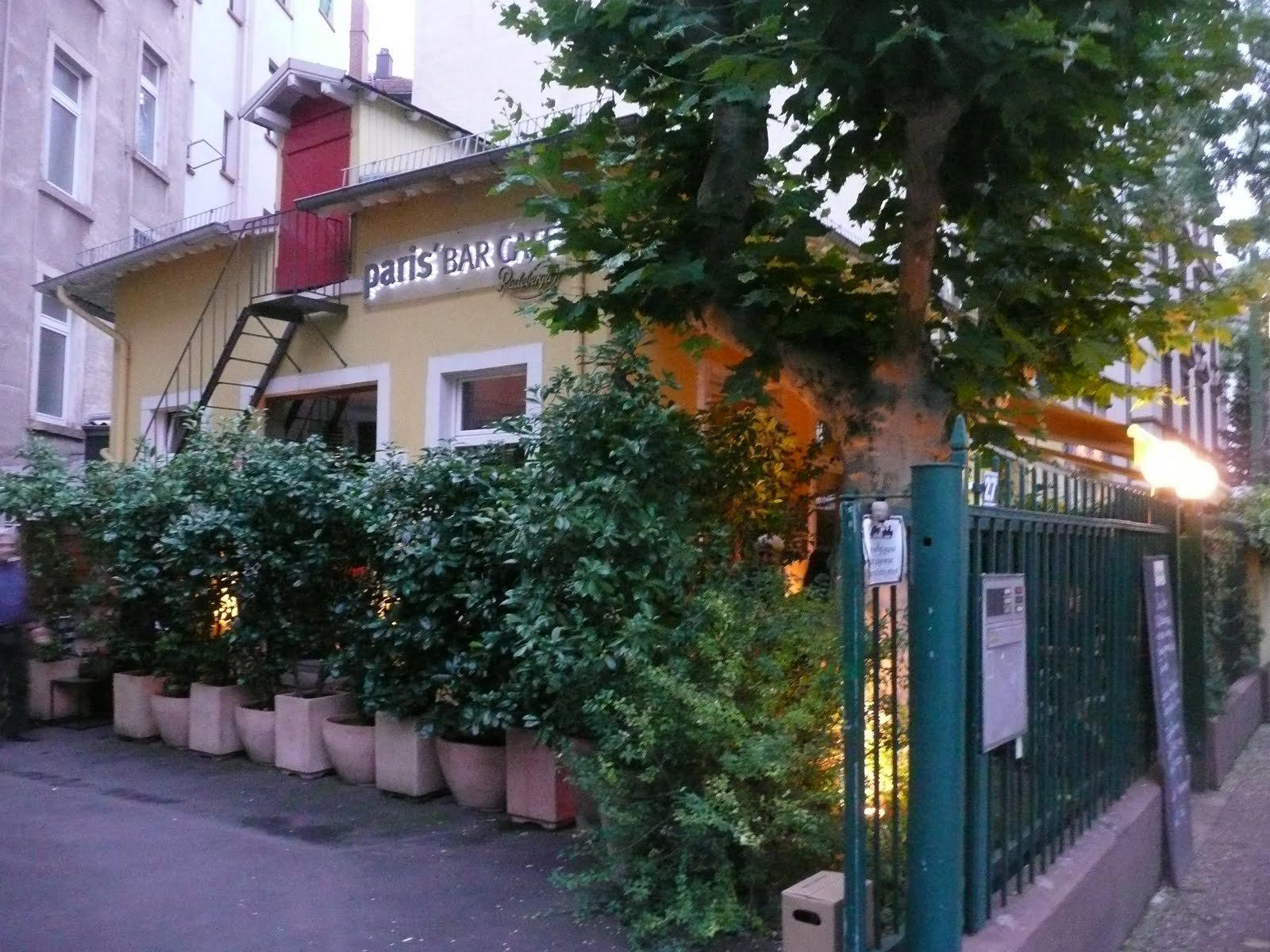
Hotels in Darmstadt
Browse all →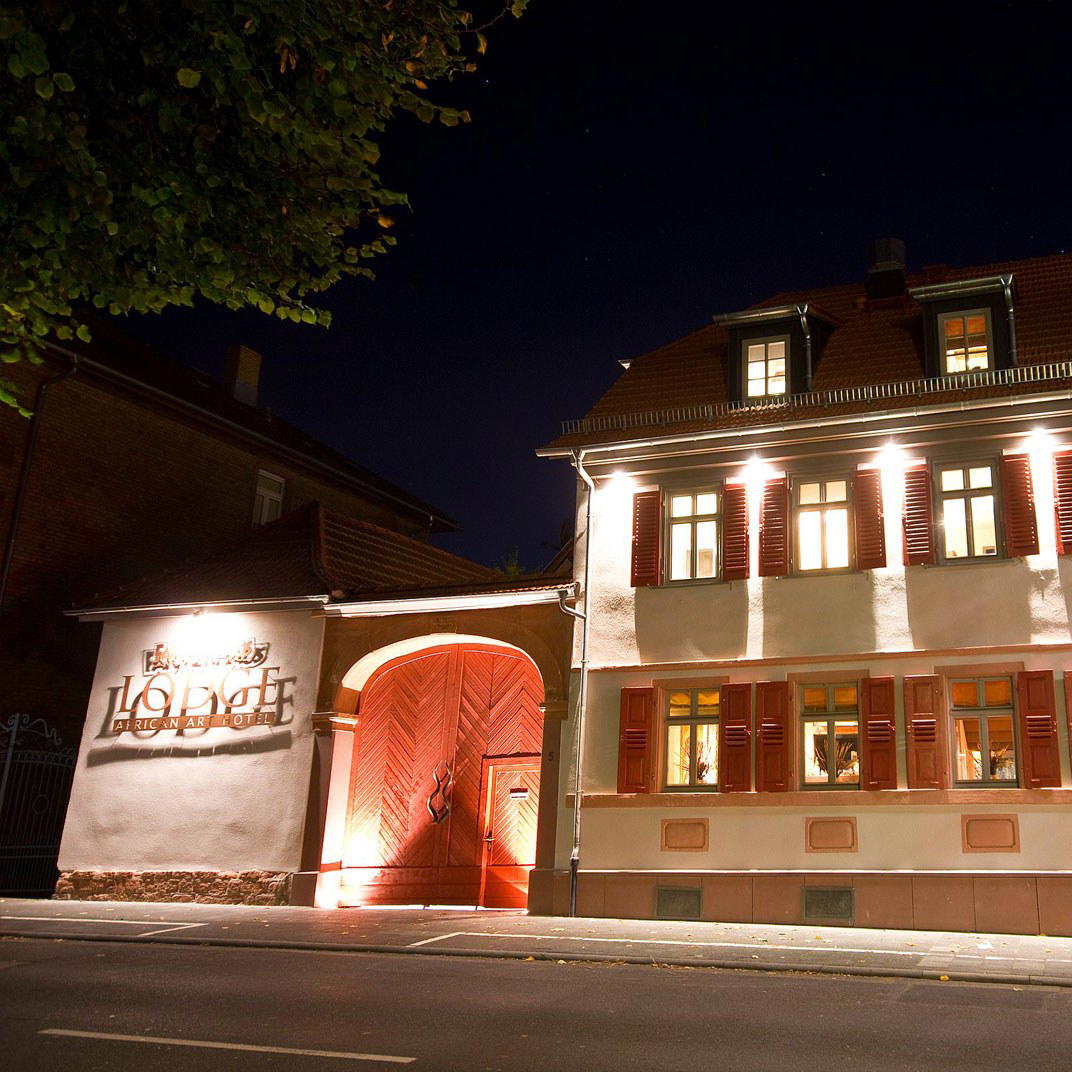
At a Glance
- Cozy
- Relaxed
- Casual Hangout
- Organic
- Local Sourcing
Current opening hours
- Monday
- Closed
- Tuesday
- 12–3 PM, 5:30–11 PM
- Wednesday
- 12–3 PM, 5:30–11 PM
- Thursday
- 12–3 PM, 5:30–11 PM
- Friday
- 12–3 PM, 5:30–11 PM
- Saturday
- 5:30–11 PM
- Sunday
- 12–3 PM, 5:30–11 PM
Hours can change for holidays and private events. Last verified .
Relaxed and cosy atmosphere with friendly service.