Quiltro
On a quiet colonial street in Antigua Guatemala, Quiltro occupies the kind of address that rewards those who look past the better-known doorways. The name — Spanish slang for a street dog — signals an unpretentious register that fits squarely within Antigua's shift toward honest, locally rooted dining. It sits among a small cohort of restaurants redefining what an evening out in this city can mean.
Pearl is the En Primeur Club membership app — saves, bookings, and concierge access live there. Same editors, same standards.
- Address
- 6a Calle Poniente 14 a, Antigua Guatemala, Guatemala
- Website
- quiltro.weebly.com
- Directions
- Get directions
 Saves & bookings on Pearl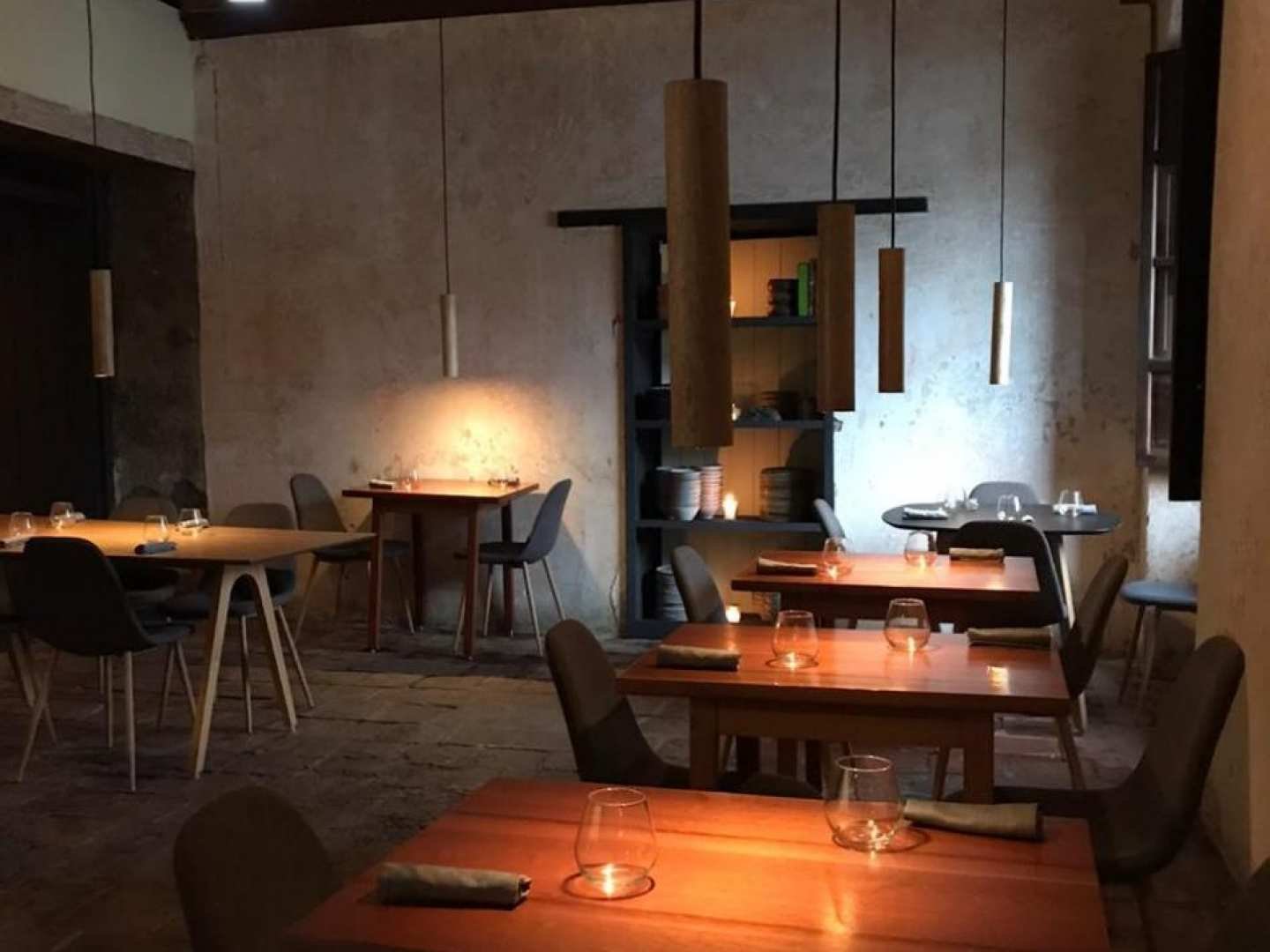
A Street, a Name, and What Both Signal
Antigua Guatemala's dining scene has spent the last decade sorting itself into recognizable tiers. At one end sit the courtyard restaurants on 5a Avenida Norte, broad-menu operations aimed at the colonial-city tourist circuit. At the other end, a smaller and more deliberate cohort has emerged on the side streets: places with fewer covers, more focused cooking, and a relationship with the city's produce markets that actually shows up on the plate. Quiltro, on 6a Calle Poniente, belongs to that second group. The name is Guatemalan street slang for a mongrel dog — which is either a statement of humility or a quiet provocation, depending on how you read it, and either reading suits the address.
The street itself sets expectations. 6a Calle Poniente runs a few blocks west of the Parque Central, past low ochre walls and the kind of doorways that don't announce themselves. Arriving here feels deliberate rather than accidental, which is partly the point. Antigua's colonial grid makes every destination feel walkable, but the restaurants worth seeking out tend to sit one or two blocks off the main pedestrian corridors — far enough to filter the walk-in traffic, close enough to remain part of the city's rhythm. For broader context on where Quiltro sits within Antigua's dining geography, the full Antigua Guatemala restaurants guide maps the city's options by neighbourhood and register.
The Ritual of the Meal in a Colonial City
Dining in Antigua follows a pace that has as much to do with the city's physical character as with any individual restaurant's service philosophy. The colonial layout, wide streets, interior courtyards, evenings that cool sharply after sundown, shapes how meals unfold. Tables tend to be held longer than in capital-city restaurants. Conversation runs through the food rather than around it. The city rewards a slower read of a menu.
Quiltro fits that rhythm. The format appears to be a sit-down dinner operation rather than a quick-service or street-food model, which aligns with the block's character and the register suggested by the address. In Antigua's mid-tier and above, the meal tends to open with a period of orientation, drinks, a read of what's seasonal or specials-driven, before moving into the main sequence. This is less a formal ritual than a shared understanding between kitchen and table that the evening has a shape. Restaurants in this bracket across Central America's colonial cities have largely abandoned the aggressive upsell model in favour of a more deliberate pacing, where the menu's logic is meant to be followed rather than edited.
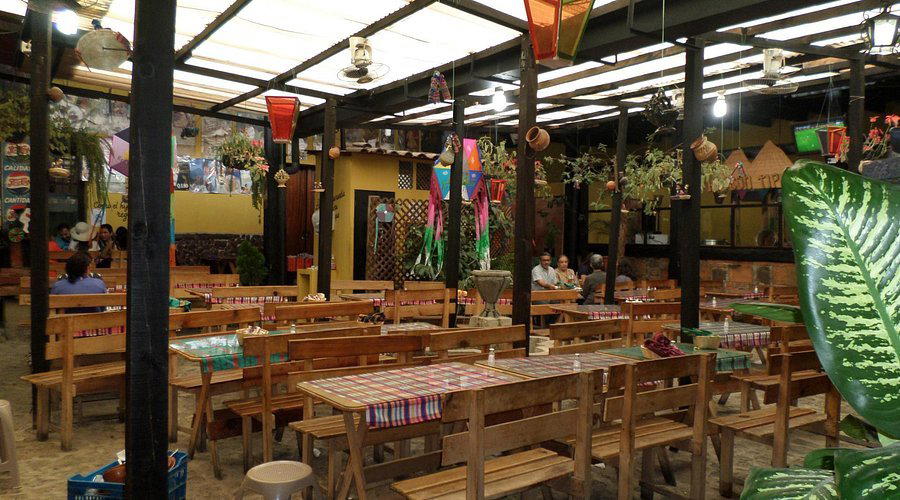
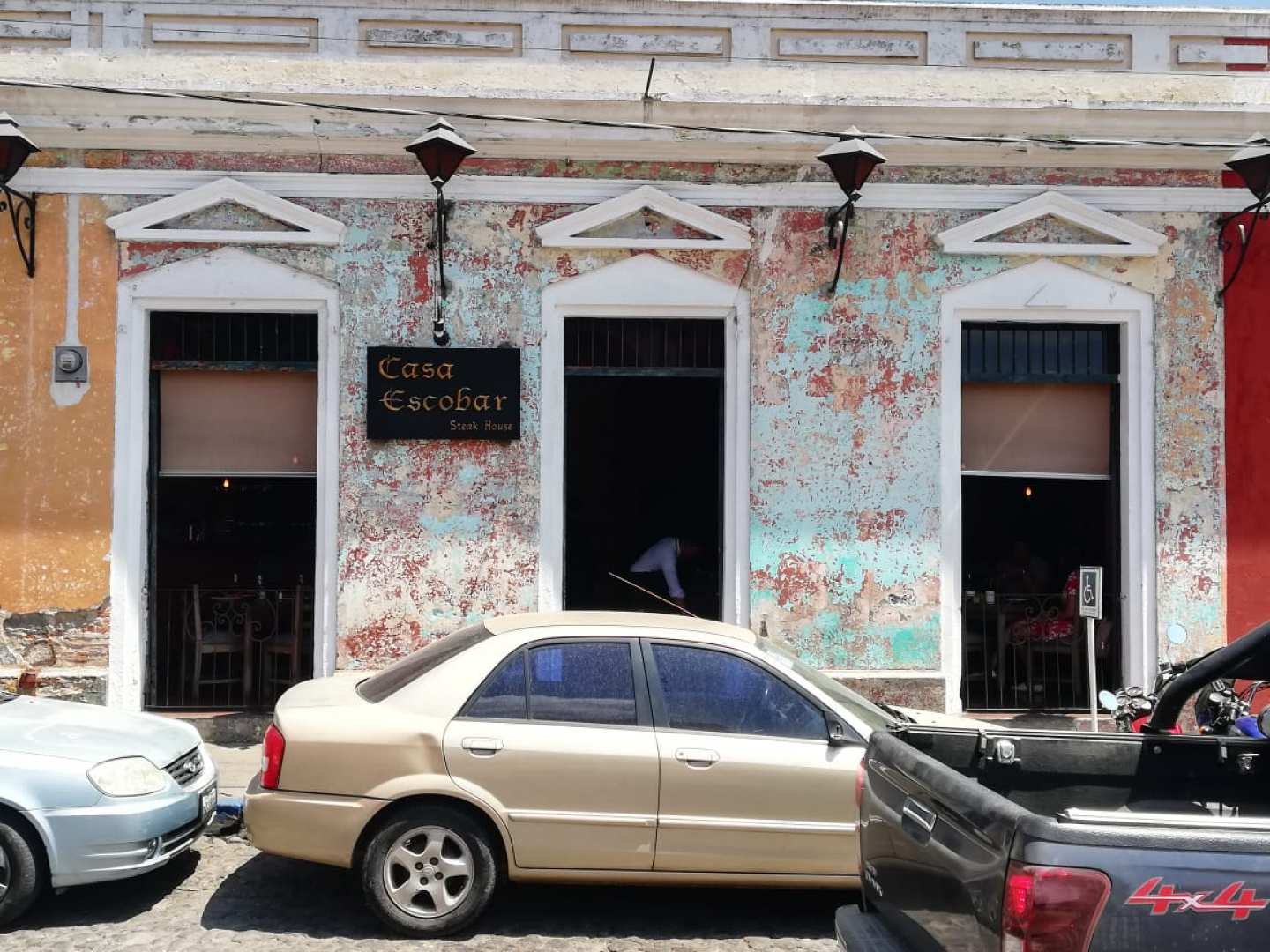
That shift in approach places Quiltro in an interesting comparative position relative to its neighbours on the Antigua circuit. Welten Restaurant Antigua Guatemala operates at a more formal register, with a wine program that positions it toward the best of the city's price bracket. Casa Escobar Antigua draws on a longer Antigua lineage and occupies a different demographic pull. Carlos and Carlos Antigua skews toward the animated, social-table end of the spectrum. Quiltro's name and street positioning suggest something more considered and less theatrically social, the kind of place where the food is the event rather than the backdrop.
Where Quiltro Sits in the Wider Guatemala Dining Picture
Guatemala's restaurant culture is in the middle of a real transition. Ciudad de Guatemala has developed a credible fine-dining tier, Luka in Ciudad de Guatemala and Clio's in Guatemala City represent the capital's more technically ambitious end, while Antigua has historically been the country's most internationally legible dining city, partly because its tourism base creates demand for a range of cooking styles and price points.
That international legibility cuts both ways. Antigua has plenty of restaurants that exist to serve a visitor demographic without particularly challenging it: European-inflected menus, familiar formats, wine lists built around recognizable Chilean and Argentine bottles. The restaurants that generate sustained local and repeat-visitor attention tend to be the ones that connect more directly to Guatemalan produce, technique, or cultural reference. El Rincon Tipico holds that position at the traditional-Guatemalan end of the spectrum. Kombu Ramen represents the city's capacity to absorb and localize outside food cultures. Quiltro, with its street-slang name and side-street address, signals an intention to occupy a space that is neither purely traditional nor globally generic.
For reference points on what serious restaurant projects look like when they commit fully to a format and a dining ritual, it is worth noting what venues like Lazy Bear in San Francisco or Atomix in New York City have demonstrated: that the most durable restaurants in any city tend to be the ones where the format itself carries meaning, not just the individual dishes. At a different scale entirely, Le Bernardin in New York City has built decades of relevance on the same principle. Antigua's most interesting restaurants are working out their own version of that question.
Beyond Antigua, Guatemala's dining geography extends to less-visited spots worth knowing. Casa Palopó in Santa Catarina Palopó sits on Lake Atitlán and operates at a resort register. Restaurante La Danta in Flores anchors the Petén region's dining options. Pacaya in San Vicente Pacaya draws on the volcanic zone south of the city. These are reference points for understanding how thin Guatemala's serious dining coverage remains outside the capital and Antigua, which makes Antigua's more deliberate restaurants carry proportionally more weight in the country's overall food narrative.
Getting There and Planning Your Visit
Quiltro is at 6a Calle Poniente 14a in Antigua Guatemala, a short walk from the Parque Central and reachable on foot from most of the city's central hotels and guesthouses. Antigua's colonial grid is compact enough that no address within the historic centre requires transport. The city's evenings are leading approached with a jacket: temperatures drop quickly after dark at 1,500 metres elevation, and outdoor or semi-open seating, common in Antigua's courtyard-style properties, can feel cool by 8pm. Reservations and current hours should be confirmed in advance, as smaller operations in Antigua adjust their schedules seasonally and around local holidays. The city is busiest on weekends and during Semana Santa, when availability across all restaurants tightens considerably. For other dining options in the area, Fridas in Antigua and Pappy's BBQ in La Antigua Guatemala cover different registers within the same walkable radius. If you are extending your trip beyond Antigua, Restaurant Don Carlos, Mazate in Mazatenango offers a point of comparison in Guatemala's Pacific lowlands.
How Quiltro Antigua Guatemala compares with similar nearby venues.
| Venue | Cuisine |
|---|---|
| Villa Bokéh | Caribbean Fusion |
Continue exploring
More in Antigua Guatemala
Restaurants in Antigua Guatemala
Browse all →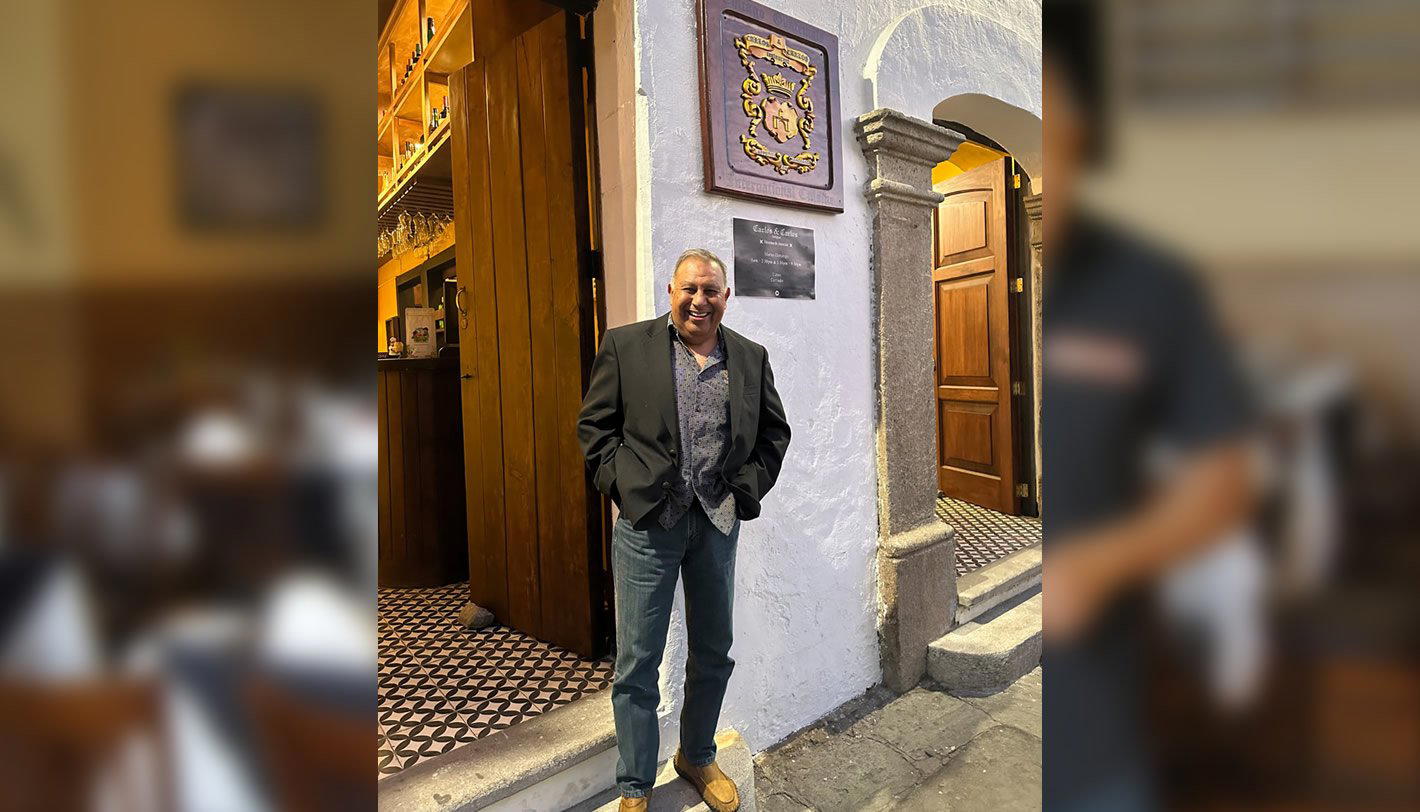
Bars in Antigua Guatemala
Browse all →
At a Glance
- Cozy
- Rustic
- Modern
- Special Occasion
- Date Night
- Open Kitchen
- Extensive Wine List
- Local Sourcing
Current opening hours
- Monday
- Closed
- Tuesday
- 2:30–7 PM
- Wednesday
- 2–9 PM
- Thursday
- 2–9 PM
- Friday
- 2–9 PM
- Saturday
- 2–9 PM
- Sunday
- Closed
Hours can change for holidays and private events. Last verified .
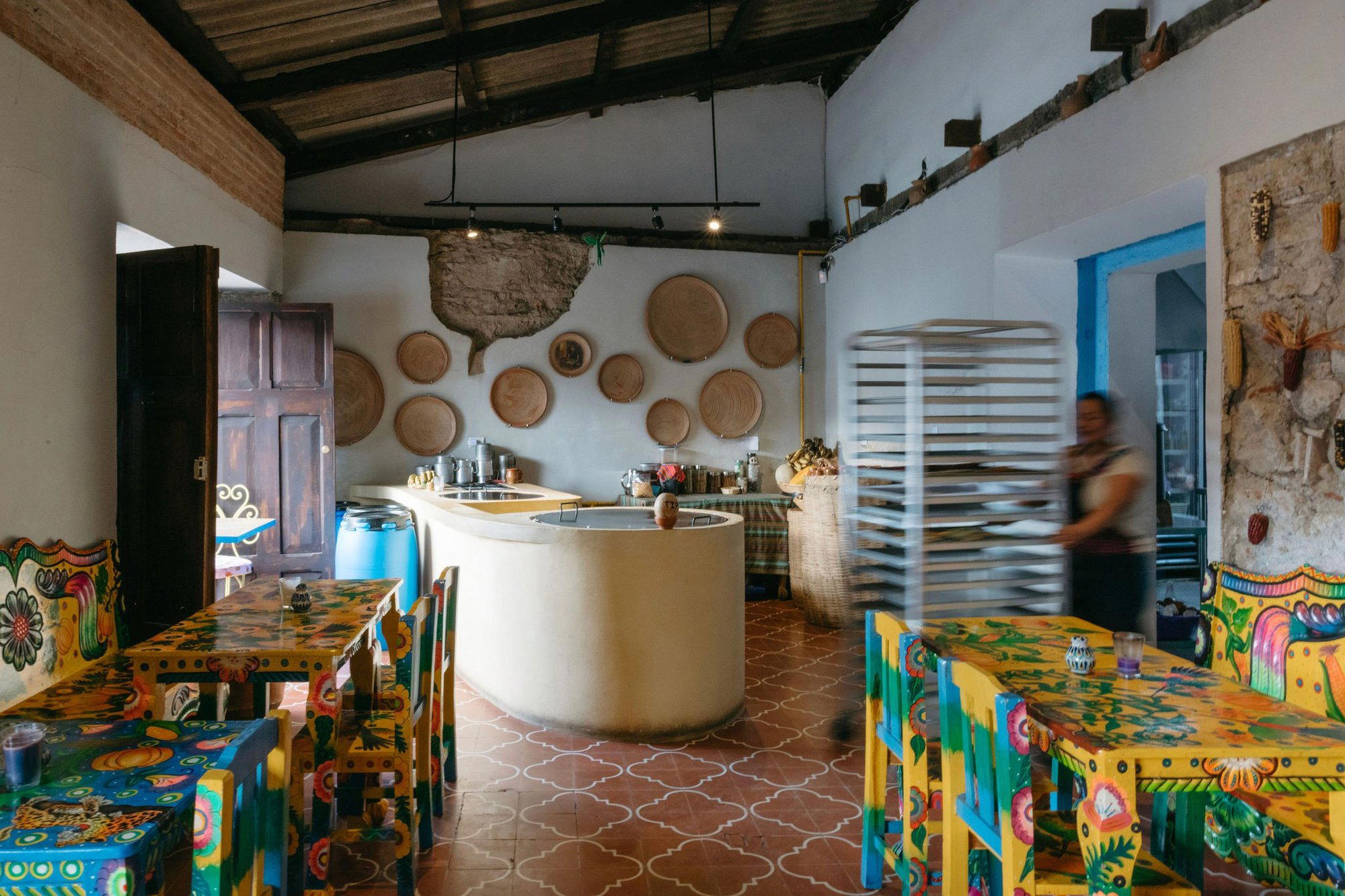
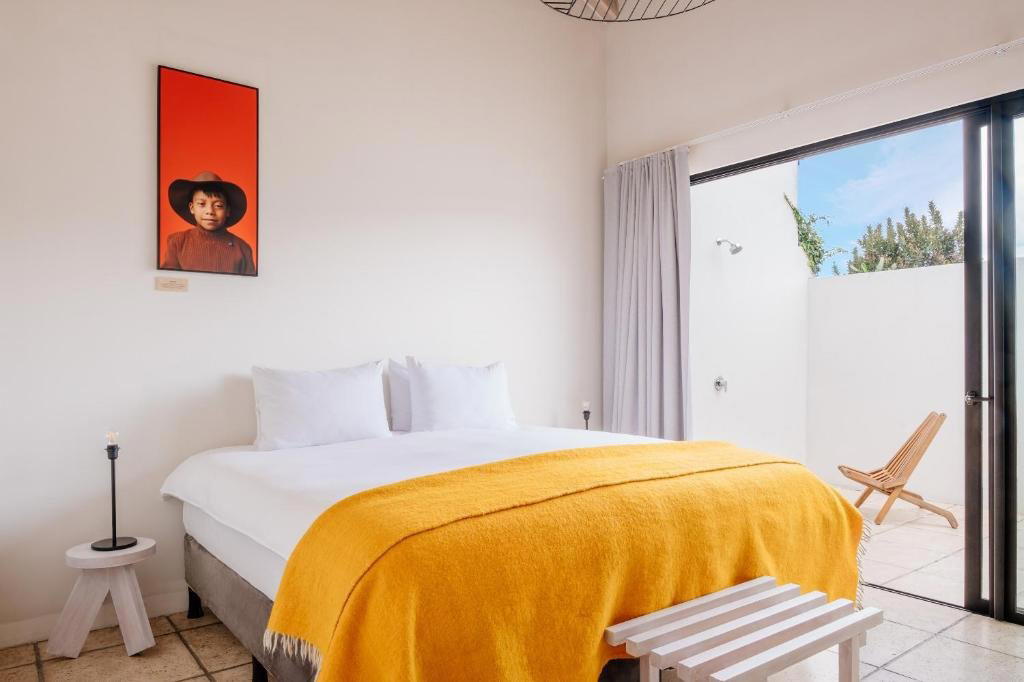
Informal vibe in a small intimate space with decor by Guatemalan artisans, open kitchen, and a mix of modern and original architecture.