Quel Bon Vin T’amène

A bistro-style address on the main road through Grez-Doiceau, Quel Bon Vin T'amène trades in the kind of unhurried, ingredient-led cooking that Walloon Brabant's rural pace seems to demand. Isabelle's focused menu keeps the kitchen honest, and the room's warmth makes it a natural stopping point for anyone passing through this quiet stretch of Belgian countryside.
Pearl is the En Primeur Club membership app — saves, bookings, and concierge access live there. Same editors, same standards.
- Address
- Chau. de Jodoigne 9, 1390 Grez-Doiceau, Belgium
- Phone
- +32 10 81 28 78
- Website
- qbva.be
- Directions
- Get directions
 Saves & bookings on Pearl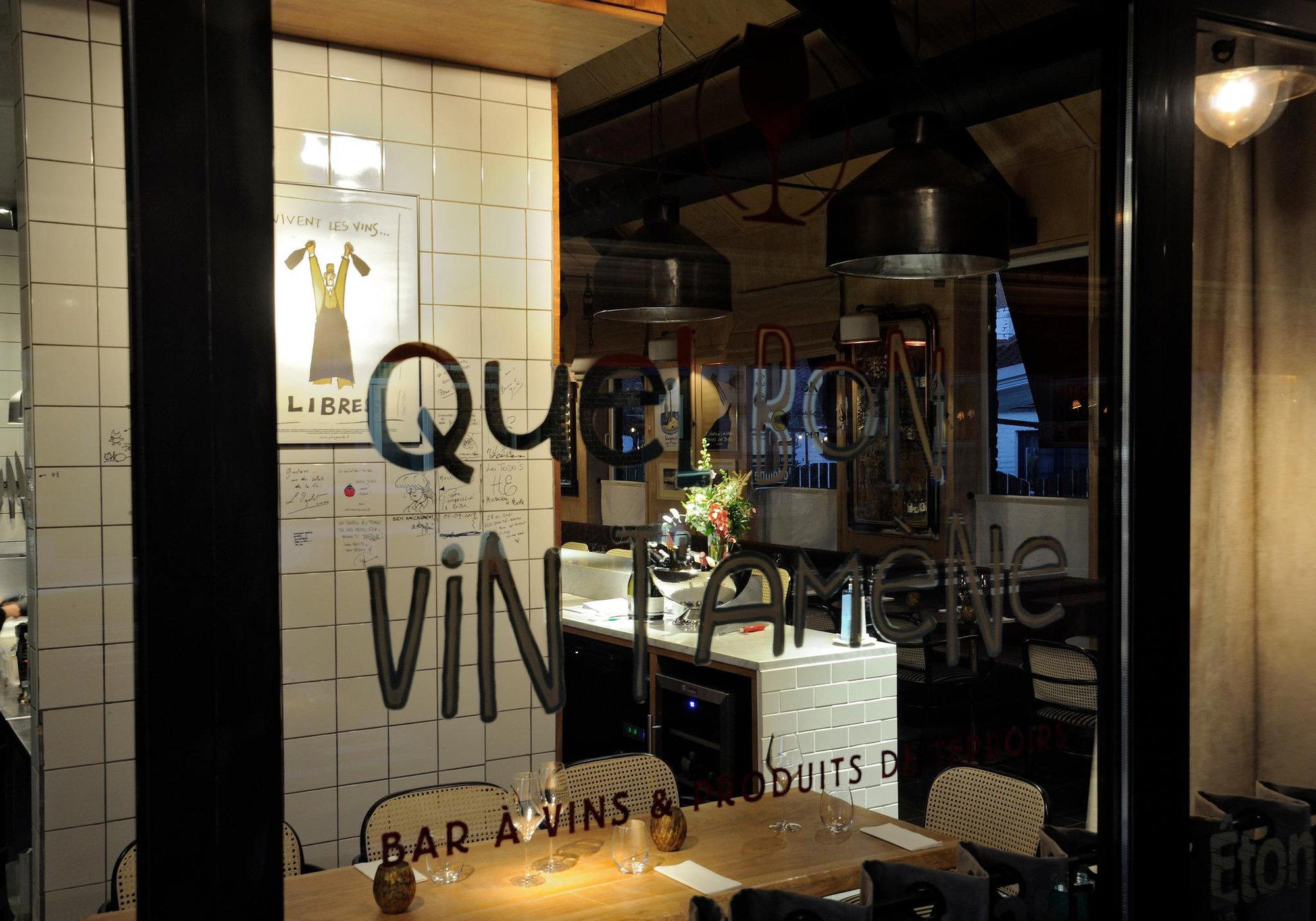
A roadside bistro that earns its pause
Most restaurants along rural Belgian main roads are functional at leading. Quel Bon Vin T'amène, on the Chaussée de Jodoigne in Grez-Doiceau, belongs to a smaller category: places that reward slowing down. The room reads as genuinely warm rather than decoratively warm, the kind of space assembled over time rather than fitted out to a brief. Grez-Doiceau sits in the southern arc of Walloon Brabant, where the province transitions from Brussels commuter territory into something more agricultural, and that shift in character is legible in how a place like this operates.
The name itself is a play on the French idiom quel bon vent t'amène — "what good wind brings you here" — with vin substituted for vent. It is a small signal about priorities: wine is part of the conversation here, not a list to be consulted and forgotten.
Where the food comes from, and why that shapes the plate
In Belgian bistro cooking at this register, the sourcing logic tends to precede the menu, not follow it. The kitchen works from a small, focused selection of dishes, which in practice means that what arrives at the table reflects what was worth buying that week rather than what needed to be on offer year-round. That discipline is more common in this part of Wallonia than in the restaurant corridors of Brussels or Antwerp, where larger operations require more predictable supply chains.
Walloon Brabant's agricultural hinterland gives producers in this zone genuine options. The province sits close to some of Belgium's better market gardening territory, and the shorter distance between farm and kitchen is a structural advantage that smaller bistros can exploit in ways that larger venues often cannot. A focused menu of the kind Isabelle runs here is, in part, a procurement strategy: fewer dishes means tighter sourcing relationships and less pressure to substitute when a particular ingredient falls short.
This stands in deliberate contrast to the four-course tasting format that dominates Belgium's higher-end dining tier. Restaurants like Boury in Roeselare or Castor in Beveren operate at the €€€€ level with technically ambitious menus that require consistent, high-volume ingredient pipelines. The bistro model inverts that logic: the constraint is creative, and the sourcing is the menu.
The bistro tradition in a Belgian context
Belgium has an underappreciated bistro culture that rarely surfaces in international coverage, which tends to concentrate on the country's Michelin-decorated addresses. The Franco-Belgian bistro format, running from Brussels through the Walloon provinces, has its own grammar: shorter menus, a wine list weighted toward French producers, cooking that favours technique over spectacle, and a room temperature that discourages lingering over anything other than the meal. Quel Bon Vin T'amène fits that model without appearing to perform it.
The comparison set for a room like this is not Bozar Restaurant in Brussels or Hof van Cleve in Kruishoutem. Those operate in an entirely different register, where the dining room is itself an argument about what Belgian cooking can be. The relevant peers here are the handful of owner-operated bistros in smaller Walloon towns that function as neighbourhood anchors: places where the cooking is serious enough to hold attention but the format is relaxed enough to make a weekday lunch feel reasonable rather than ceremonial.
For a broader picture of what this province offers across price tiers and formats, the full Walloon Brabant restaurants guide maps the range in more detail.
A place on the road, not off it
The Chaussée de Jodoigne is a working road, not a destination street. That positioning is worth noting because it shapes who finds Quel Bon Vin T'amène and how. Some of the more durable small restaurants in Wallonia occupy exactly this kind of location: visible enough to catch passing traffic, specific enough in character to build a local return clientele. The bistro does not require a detour in the way that, say, L'Eau Vive in Arbre or d'Eugénie à Emilie in Baudour might. It is, in a useful sense, on the way to things rather than the thing itself, which in practice means it is easier to reach spontaneously.
For visitors exploring the wider province, the Walloon Brabant hotels guide and bars guide cover the neighbouring options, and the experiences guide maps what else the area supports for a longer stay.
Planning a visit
Grez-Doiceau is accessible by car from Brussels in under forty minutes via the E411, making it a plausible lunch stop or early dinner destination for anyone already in the southeastern quadrant of Walloon Brabant. The bistro format and modest scale, characteristic of owner-operated rooms in this tier, make calling ahead advisable, particularly at weekends when local demand tends to fill smaller dining rooms quickly.
Those whose dining interests extend to wine-led rooms in Belgium more broadly will find useful reference points in the Walloon Brabant wineries guide, which covers the province's growing producer base. Belgium's wine production remains small by European standards, but interest in local labels has grown perceptibly among the bistro kitchens that once defaulted to French and Italian imports across the board.
The wider Belgian dining context
Belgium's restaurant culture punches above its size in European terms, but the critical attention concentrates predictably at the leading. Addresses like Zilte in Antwerp, Willem Hiele in Oudenburg, or Bartholomeus in Heist attract the majority of international coverage, while the mid-register and bistro tier, where much of the country's daily serious cooking actually happens, receives comparatively little documentation in English-language travel media.
That gap is partly a function of format: the bistro model is harder to photograph as spectacle and less legible as a status signal for readers outside the country. It does not mean the cooking is less considered. Belgium's tradition of French-trained cooks returning to smaller provincial towns and opening stripped-back rooms with focused sourcing is a durable one, and Quel Bon Vin T'amène operates within that lineage.
For reference points further afield, the contrast with large-format destination restaurants like Le Bernardin in New York or Emeril's in New Orleans makes the bistro's operating logic clearer: those are institutions built around volume, brand, and a fixed idea of what the room should deliver. Quel Bon Vin T'amène is built around the opposite set of priorities, and the scale at which it operates is what makes that possible.
Belgium's creative cooking scene also includes strong regional voices: Cuchara in Lommel and De Jonkman in Sint-Kruis represent the more technically ambitious end of the country's contemporary dining range. Quel Bon Vin T'amène occupies a different tier, less ambitious in register, more direct in its relationship with what the kitchen actually wants to cook that day.
How Quel Bon Vin T'amène compares with similar nearby venues.
| Venue | Cuisine | Price | Awards |
|---|---|---|---|
| Quel Bon Vin T’amène | Not listed | Not listed | Star Wine List (2026) |
| Un Altro Mondo | Italian Contemporary | €€€ | Not listed |
| L'Horizon | Creative | €€€ | Not listed |
Recognition history
Dated appearances from independent guides and award organizations, with the underlying list record or original source where available.
Star Wine List
Star Wine List
Continue exploring
More in Walloon Brabant
Restaurants in Walloon Brabant
Browse all →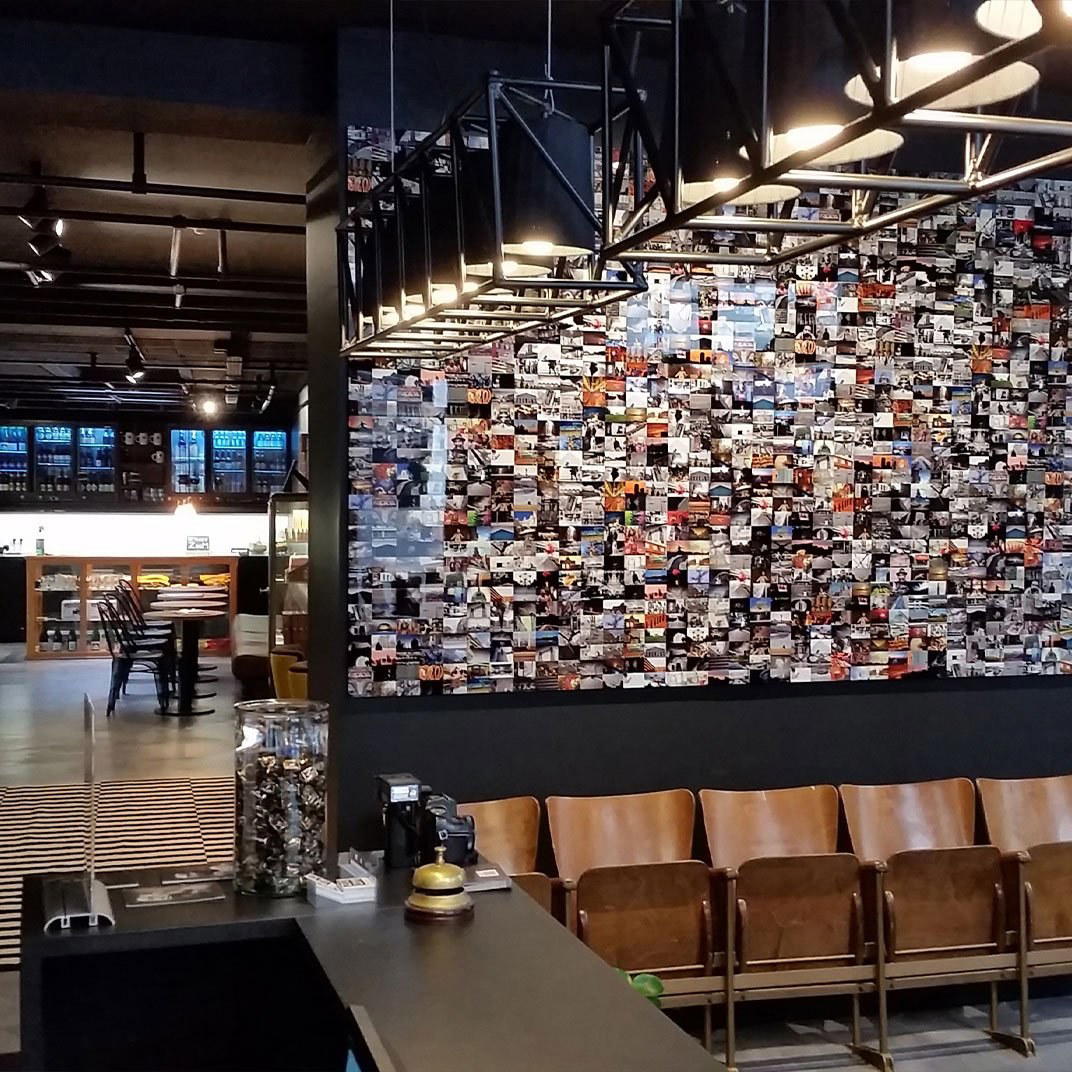
Bars in Walloon Brabant
Browse all →
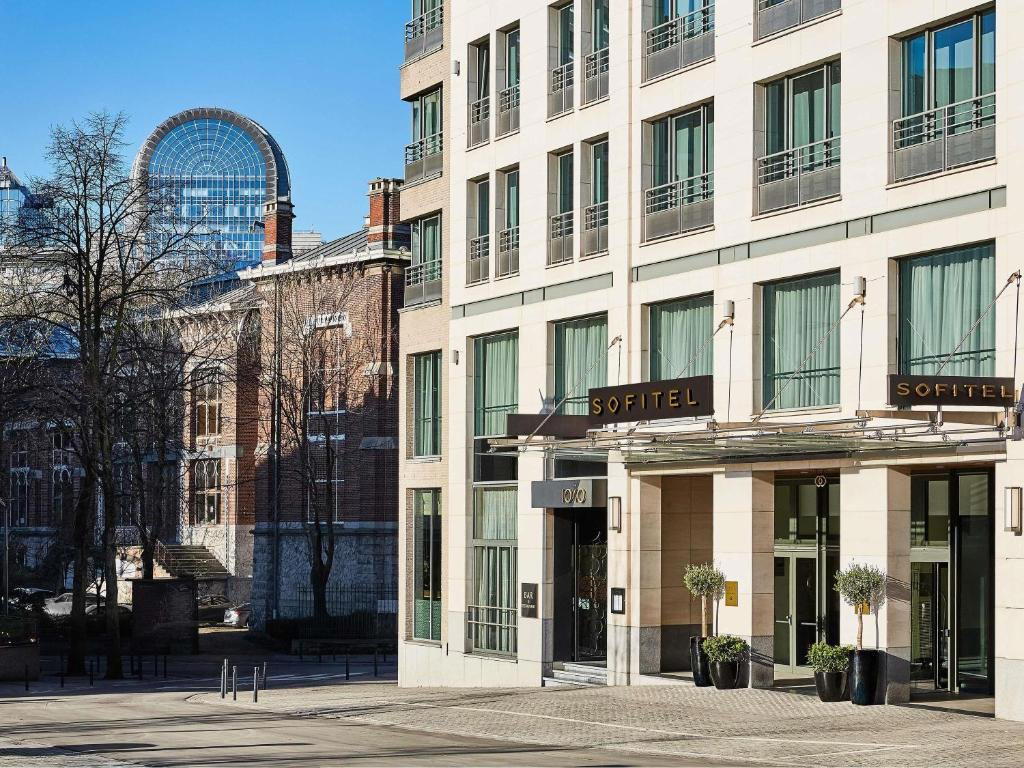
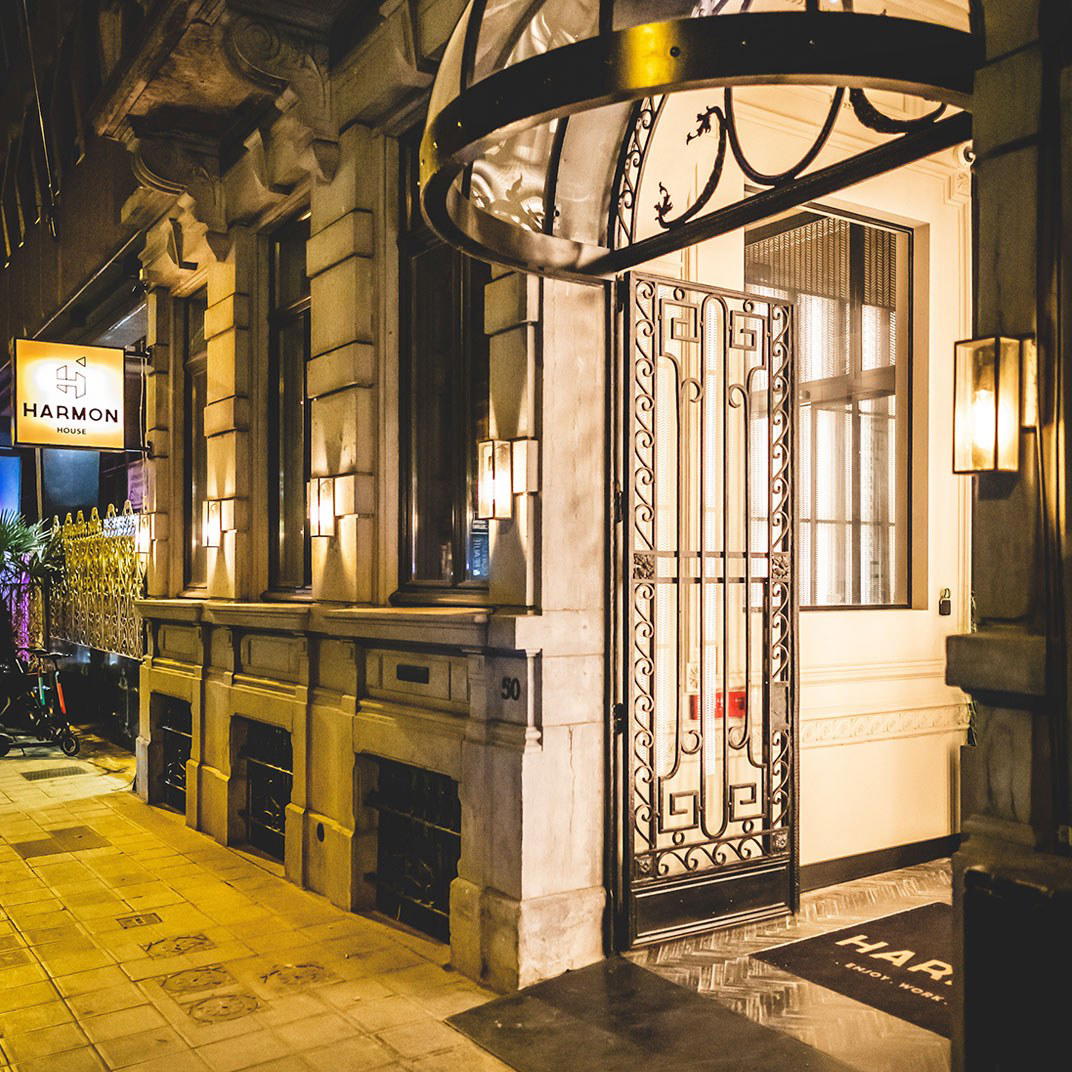
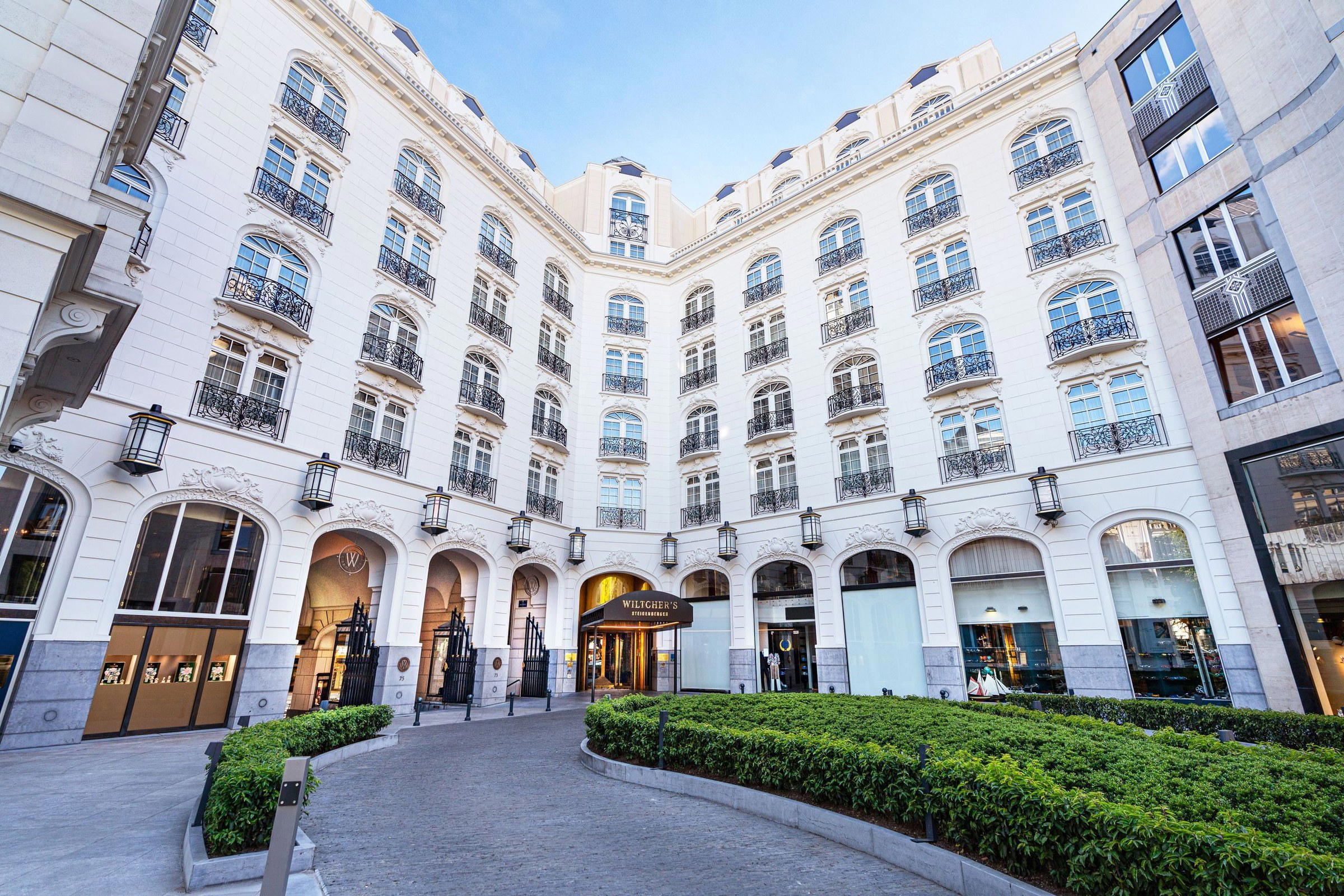
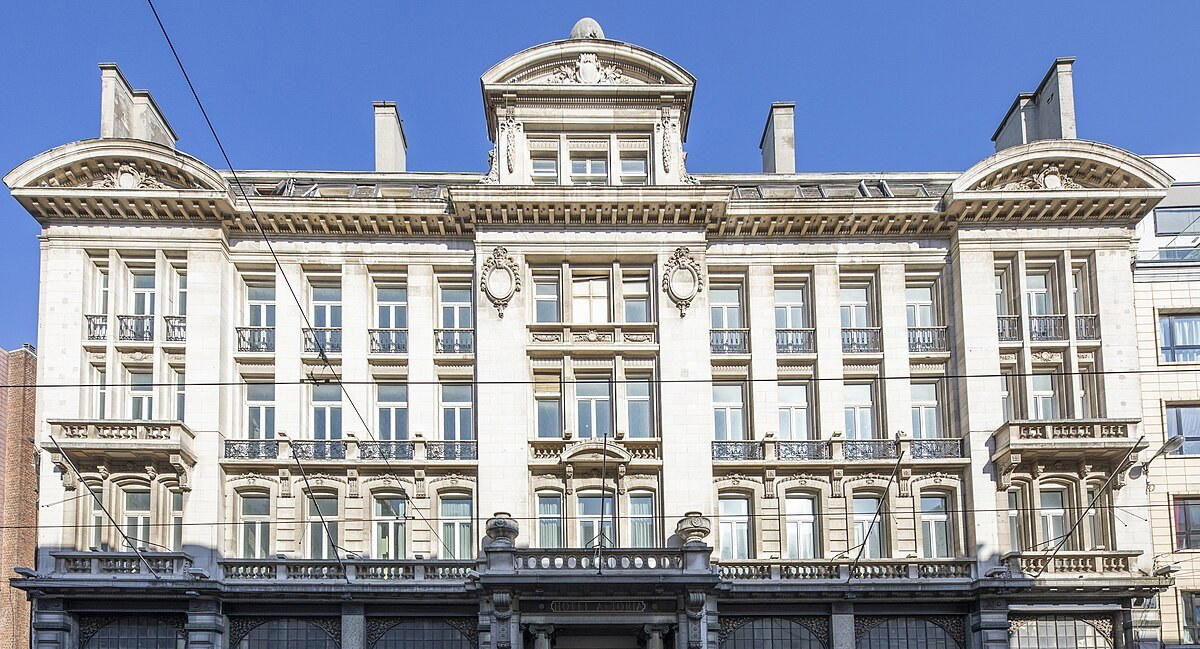
Hotels in Walloon Brabant
Browse all →
Wineries in Walloon Brabant
Browse all →
At a Glance
- Cozy
- Intimate
- Classic
- Elegant
- Date Night
- Special Occasion
- Celebration
- Open Kitchen
- Private Dining
- Extensive Wine List
- Natural Wine
- Sommelier Led
- Farm To Table
- Organic
- Natural Wine
- Local Sourcing
Current opening hours
- Monday
- Closed
- Tuesday
- 12–2:30 PM
- Wednesday
- 12–2 PM, 5:30–10 PM
- Thursday
- 12–2 PM, 5:30–10 PM
- Friday
- 12–2 PM, 5:30–10 PM
- Saturday
- Closed
- Sunday
- Closed
Hours can change for holidays and private events. Last verified .
Warm, convivial, and cosy bistro setting with intimate lighting and a refined yet relaxed atmosphere that encourages lingering and discovery.
Know Before You Go
- Getting there
- Chau. de Jodoigne 9, 1390 Grez-Doiceau, Belgium