
Falstaff Winery - Listed
Chateau Bon Baron is a Belgian winery estate in Dinant shaped by Meuse Valley soils, sustainable viticulture, and small-format tastings. Its draw is not château theatre but Walloon wine in context: 17 hectares of vines, Côte de Sambre et Meuse and Crémant de Wallonie designations, and a cellar culture built around guided education rather than spectacle.

Pearl is the En Primeur Club membership app — saves, bookings, and concierge access live there. Same editors, same standards.
- Address
- Winerie / Wijnmakerij, Rue de la Voie Cuivrée 41, 5503 Dinant, Belgium
- Phone
- +32 497 70 03 03
- Hours
- Mon 2–5 pmTue–Sun 10:30 am–5 pm
- Website
- bonbaron.com
- Directions
- Get directions
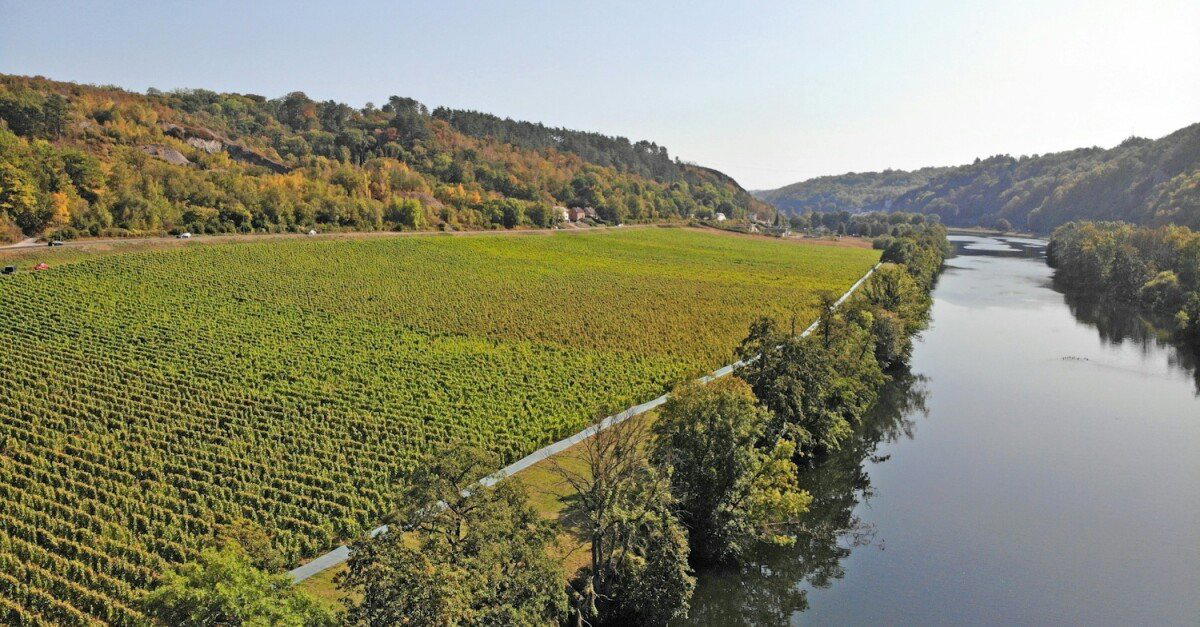
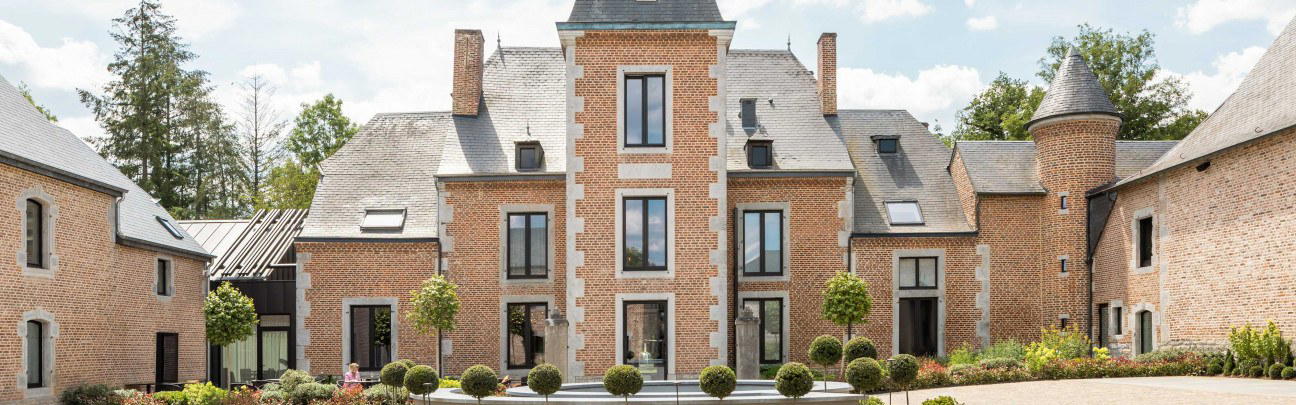
Chateau Bon Baron in Dinant is best understood as a scenic Meuse Valley vineyard experience. The appeal is not a conventional restaurant format, but a calm estate setting where the landscape, the vines, and the tasting experience are closely connected. It is the kind of stop where the surroundings matter as much as what is in the glass, and where the pace of the visit should feel unhurried rather than transactional.
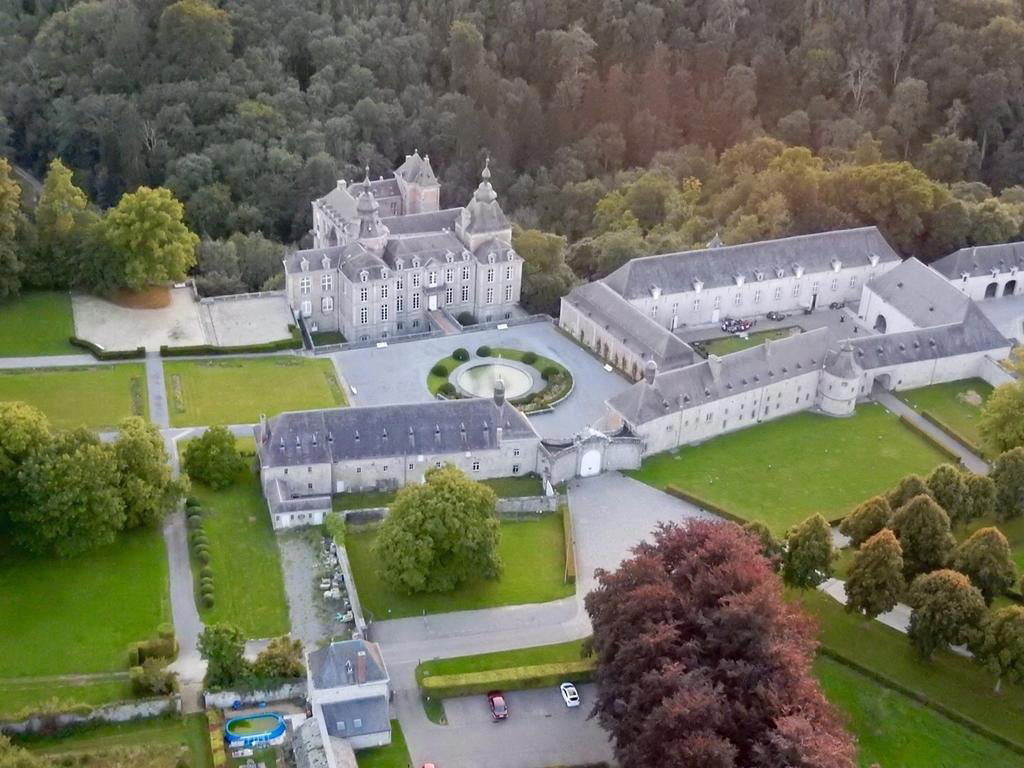
The estate’s appeal is tied to its setting rather than separated from it. Expect a scenic, tranquil vineyard environment in the Meuse Valley, with a close-to-nature and sustainable feel. For travellers mapping a broader stay, it can sit naturally beside other dining and experience planning in Dinant, while remaining a distinct wine-focused stop rather than a conventional restaurant visit. Its strength is that it gives a trip a gentler, more reflective shape: a pause in the itinerary that is still firmly rooted in place.
Meuse Valley character in a quiet vineyard setting
Chateau Bon Baron is best understood through atmosphere and context. The draw is a sustainable vineyard estate in Dinant, framed by the Meuse Valley and suited to visitors who want a calm, romantic, and intimate experience. It is not a page to overclaim with production details, scores, awards, grape lists, or cellar specifics; the grounded reason to go is the setting and the tasting experience. That restraint is important, because the venue’s appeal is less about comparison and more about presence: being in a vineyard landscape and letting the visit unfold around that.
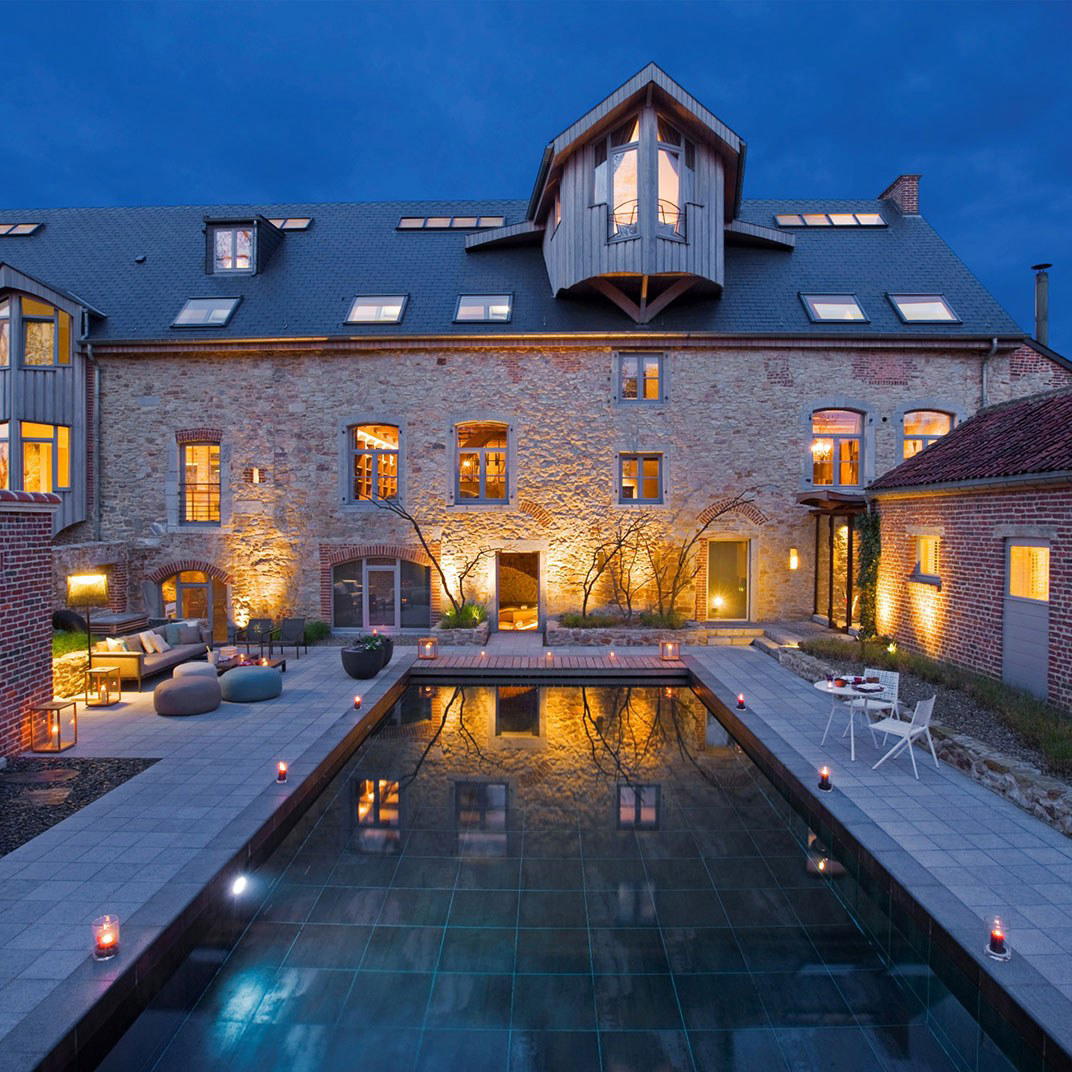
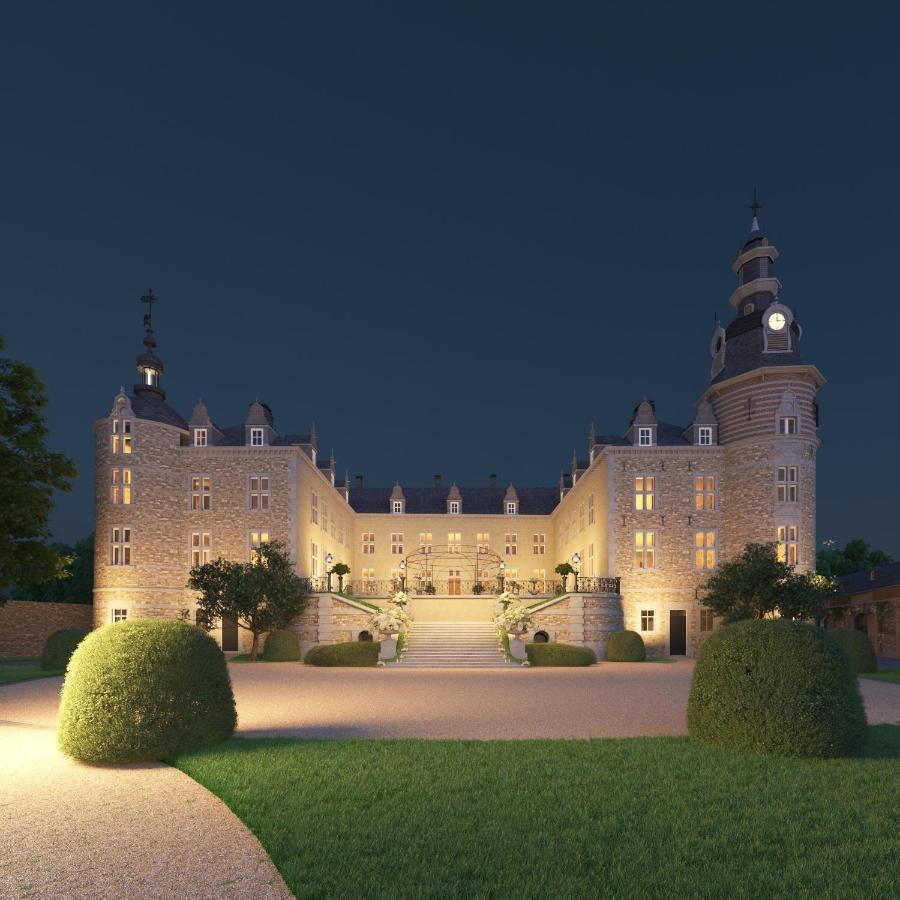
The mood is scenic, classic, elegant, and slightly hidden-gem in character. That makes the estate especially relevant for travellers who want a quieter wine stop rather than a loud or performance-driven venue. The strongest way to approach it is as a place to slow down, listen, and connect the tasting to the surrounding landscape. In this sense, the visit is not just about sampling wine, but about understanding why the Meuse Valley setting gives the experience its tone.
The sustainability angle is also part of the identity here, but it should be read broadly: a close-to-nature vineyard setting rather than a claim about any certification or technical farming standard. For a visitor, the value is the feeling that the estate, the vines, and the Meuse Valley setting are meant to be understood together. That gives the experience a grounded quality, avoiding the sense of a tasting detached from its environment.
A tasting format built for context, not performance
Chateau Bon Baron is described around intimate, story-driven tastings led by the winemaker. That gives the visit a personal character: less about spectacle, more about hearing the estate explained by someone directly connected to it. The format is well suited to guests who value narrative, place, and a slower rhythm. It suggests a tasting where attention is placed on explanation, connection, and context rather than on a polished show.
What can be said confidently is that the experience is tasting-led, intimate, and rooted in the estate’s sustainable vineyard setting. The strongest expectation is not a broad hospitality concept, but a focused encounter with wine in its own landscape, shaped by conversation and a sense of place.
The price is listed at $30 per person. Beyond that, travellers should avoid relying on assumptions about inclusions. Treat the visit as a grounded wine experience in Dinant, with the main draw coming from atmosphere, the Meuse Valley landscape, and the winemaker-led storytelling. That makes it especially suitable for visitors who prefer clarity over excess and who are comfortable with a visit defined by mood and context rather than by a long checklist of extras.
How it fits into a wider wine itinerary
Chateau Bon Baron is not presented here through rankings, awards, or a long list of technical credentials. Its relevance is simpler and more reliable: a scenic, tranquil estate in Dinant where the vineyard setting and story-driven tasting format create a memorable wine-focused stop. It should be framed as an experience with a particular emotional register: calm, elegant, close to nature, and attentive to the relationship between wine and landscape.
For broader context, travellers can compare it with other wine experiences generically, but Chateau Bon Baron should remain the focus here. Within a Dinant itinerary, it works well as a quiet, romantic, close-to-nature counterpoint to other local dining and experience plans. Rather than competing with those plans, it adds a different texture to the day, giving the itinerary a more contemplative and place-led dimension.
The cleanest reason to go is the combination of Meuse Valley scenery, sustainable vineyard atmosphere, and intimate tastings led by the winemaker. Visitors looking for a high-energy cellar-door scene may want something different. Visitors who want a calm, elegant, story-led estate experience in Dinant will find the premise properly aligned. In that sense, Chateau Bon Baron is best chosen with the right expectations: not as a standard restaurant substitute, but as a scenic vineyard visit where the setting carries real weight.
Recognition history
Dated appearances from independent guides and award organizations, with the underlying list record or original source where available.
Falstaff Winery - Listed
Falstaff
Details
- Scenic
- Romantic
- Classic
- Elegant
- Intimate
- Romantic Getaway
- Group Outing
- Wine Education
- Special Occasion
- Solo Exploration
- Corporate Event
- Vineyard Tour
- Estate Grounds
- Waterfront
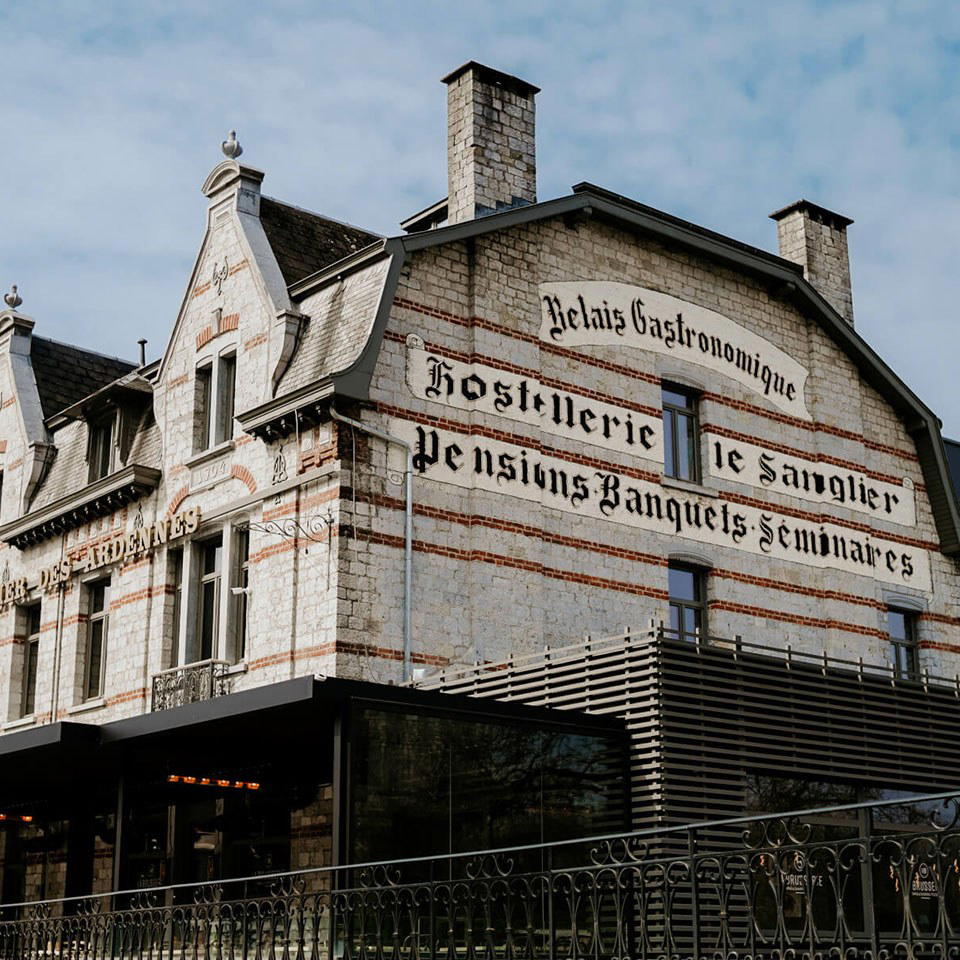
- Historic Building
- Private Tasting
- Sustainable
- Vineyard
- Waterfront
- Garden
- Chardonnay
- Pinot Gris
- Auxerrois
- Muscat
- Still Red
- Still White
- Sparkling
- Guided Tasting
- Tour & Tasting
- Masterclass
- Private Tasting
- German
- English
- French
- Dutch
Current opening hours
- Monday
- 2–5 pm
- Tuesday
- 10:30 am–5 pm
- Wednesday
- 10:30 am–5 pm
- Thursday
- 10:30 am–5 pm
- Friday
- 10:30 am–5 pm
- Saturday
- 10:30 am–5 pm
- Sunday
- 10:30 am–5 pm
Hours can change for holidays and private events. Last verified .
Scenic, tranquil estate in the Meuse Valley with a close-to-nature, sustainable vineyard setting and intimate, story-driven tastings led by the winemaker.