Queens Restaurant

Relais Chateaux Award · AA Rosettes 3 Rosettes
Our verdict
Queens Restaurant sits in the village of Amberley in West Sussex, bringing classic British cooking to a setting defined by the South Downs. Recognised under the Cooking Classics highlight, it represents the kind of village dining that treats seasonal, domestic produce with the same seriousness as any urban room. For those travelling the Arun Valley, it offers a considered stopping point with genuine local character.

Pearl is the En Primeur Club membership app, where members save venues, book tables and use the concierge.
The Village Pub as Serious Dining Room
The English village restaurant occupies a particular position in British dining culture: close enough to the gastropub tradition to share its informality, yet distinct enough in ambition to draw guests willing to travel for the food itself. In West Sussex, that category has quietly deepened over the past two decades, with the South Downs corridor producing a string of kitchens that take local produce seriously without dressing up in the formality of a destination tasting-menu room. Queens Restaurant in Amberley sits within that tradition, marked by its Cooking Classics recognition, a designation that signals consistent, well-executed British cooking rather than experimental novelty.
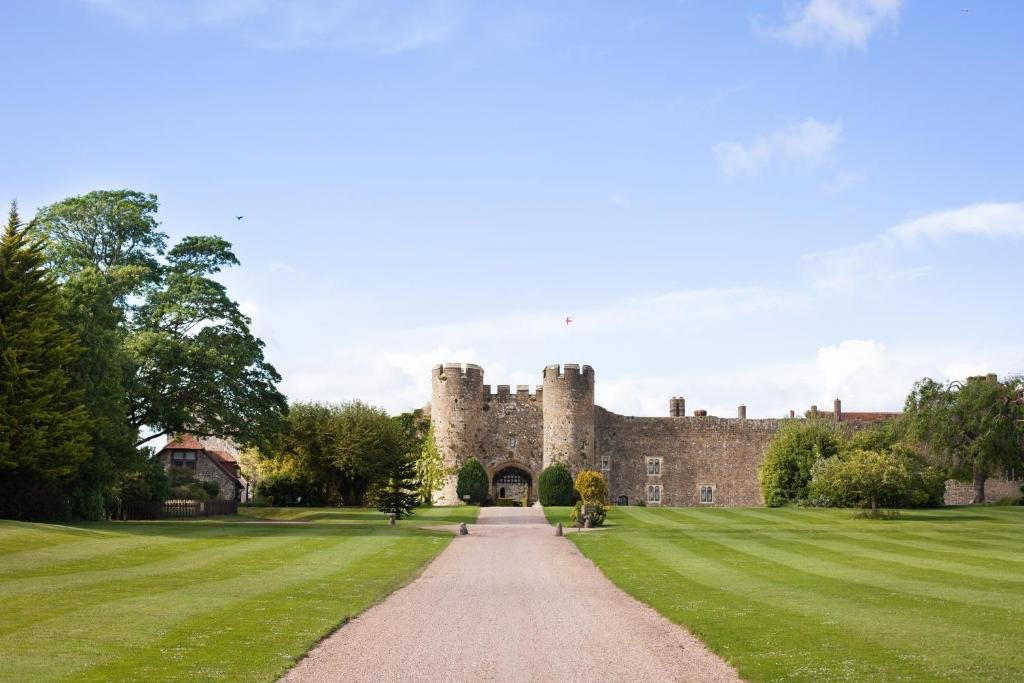
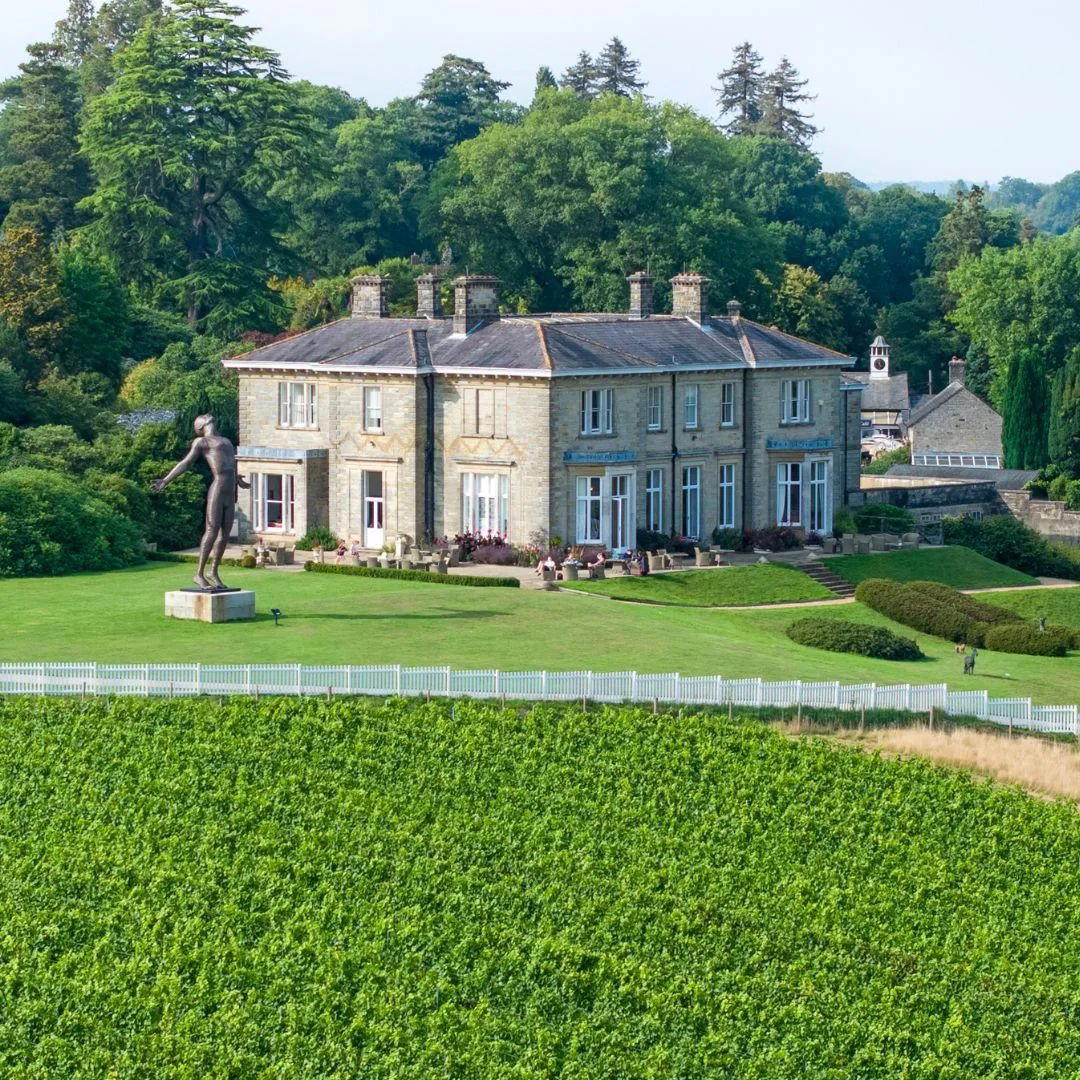
Amberley itself sets the frame. The village sits below the South Downs escarpment in the Arun Valley, the kind of place where flint walls and thatched rooflines are structural facts rather than decorative choices. Arriving by car along the narrow lanes from Arundel, the transition from the A road to the village's pace is abrupt and deliberate. The physical environment before you even reach the door says something about what kind of meal you are likely to have: grounded, unrushed, tied to a specific place.
Cooking Classics and What That Recognition Signals
The Cooking Classics designation matters as a category signal. Across British dining, the most debated question is not whether a chef can innovate but whether they can sustain: whether the roast arrives with the fat rendered correctly, whether the sauce has the kind of depth that comes from time rather than shortcuts, whether the produce selection reflects the calendar rather than a fixed supplier list. Cooking Classics recognition points toward exactly that kind of consistency. It is not a Michelin star, which tends to reward precision and creativity in a particular technical mode, nor is it a 50 Best citation, which skews toward the culturally audacious. It is a recognition that the fundamentals are being executed with seriousness.
For context, that seriousness is rarer than the density of gastropubs in the English countryside might suggest. The gastropub revolution that began in the 1990s, associated with kitchens like Hand and Flowers in Marlow, which brought two Michelin stars to a pub format, demonstrated that the physical setting of a pub did not have to cap the cooking ambition. What the movement also produced, however, was a long tail of establishments that adopted the aesthetic without matching the standard. A Cooking Classics recognition at a village-scale operation is a useful filter against that noise.
British Cooking in Its Regional Register
British cuisine as a category has fractured into several identifiable registers. At the formal end, rooms like The Ledbury in London, L'Enclume in Cartmel, and Moor Hall in Aughton push into territory where British produce meets technically sophisticated preparation. At the other end, the pub roast and the fish-and-chip supper operate as cultural anchors. The middle register, which is where Cooking Classics venues tend to live, is about cooking that respects classical British technique, sources from the surrounding region, and serves in an environment that matches the scale of the food rather than overreaching it.
West Sussex offers a productive larder for that kind of cooking. The county's proximity to the English Channel means fish and shellfish appear on menus with the same naturalness as the South Downs lamb that has grazed the chalk hills above Amberley for centuries. The Arun Valley itself has a market garden history, and the seasonal availability that defines genuinely regional British cooking is legible in what the surrounding area produces across the year. A kitchen operating in Amberley has access to ingredients that a London room would need to work harder to source.
The highly decorated rooms in the English countryside, Le Manoir aux Quat' Saisons in Great Milton, Gidleigh Park in Chagford, operate at a price point and formality level that places them in a different conversation. Queens Restaurant does not compete in that tier. Its comparison set is the category of well-regarded village and market-town dining rooms that have taken the gastropub's democratic instinct and built a more consistent kitchen behind it.
Within that comparison set, the Cooking Classics recognition places Queens Restaurant in the upper portion. It shares a general sensibility with venues like hide and fox in Saltwood, which occupies a similar South East England village context with serious intent behind a relaxed exterior. The distinction between these rooms and the fully formal destination restaurant is not a quality deficit; it is a deliberate register choice. The cooking is designed for the setting and the occasion, not for a particular awards criteria.
Planning a Visit
Amberley is accessible from Arundel, which sits approximately four miles to the south and has a rail connection from London Victoria taking around 90 minutes. For those travelling from London specifically, the journey positions Amberley alongside other serious day-trip dining destinations in the South East, a category that also includes hide and fox in Saltwood for Kent-facing routes. Queens Restaurant is located at Amberley, Arundel BN18 9FL. Given the limited venue data available at publication, booking directly or checking current hours before travel is advisable, as village-scale operations frequently vary their service patterns seasonally.
For those building a broader itinerary around the area, our full Amberley restaurants guide maps the dining options across the village. Amberley also merits consideration as an overnight stop; details on local accommodation appear in our Amberley hotels guide. For drinks before or after, our Amberley bars guide covers the options, and those interested in the South East wine scene can consult our Amberley wineries guide and experiences guide for further context.
For those comparing the broader geography of serious British cooking, the pattern visible here, a technically grounded kitchen in a village setting, recognised for consistency rather than spectacle, recurs across the country. Restaurant Andrew Fairlie in Auchterarder, Midsummer House in Cambridge, and Opheem in Birmingham each demonstrate how non-London British dining has deepened its ambition beyond the capital's gravitational pull. Queens Restaurant in Amberley belongs to that wider picture.
Frequently asked questions
Where exactly is Queens Restaurant?
Queens Restaurant is located at Amberley, Arundel BN18 9FL, United Kingdom, Amberley.
Is there a head chef associated with Queens Restaurant?
The chef associated with Queens Restaurant is Jean-Georges Vongerichten.
Comparison Snapshot
Comparable venues nearby, for context on price, style, and recognition.
| Venue | Cuisine | Price | Awards | Notes |
|---|---|---|---|---|
| Queens RestaurantThis venue (the venue you are viewing) | British Fine Dining | $50–100 | Relais Chateaux Award · AA Rosettes 3 Rosettes | Not listed |
| Daffodil Mulligan | Modern Irish Fusion | $50–100 | The Good Food Guide GFG Good | St Luke's |
| Kinsbrook | Modern British Small Plates with Local Sourcing | $50–100 | The Good Food Guide GFG Good | Thakeham, West Sussex |
| Bread Street Kitchen & Bar | Modern British restaurant & bar by Gordon Ramsay | $50–100 | Not listed | City of London |
| Thirty Six | Modern British Gastropub | $30–50 | Not listed | Westminster |
| Shaun Dickens at the Boathouse | Modern British Bistro | $50–100 | Not listed | Henley-on-Thames |
Recognition history
Dated appearances from independent guides and award organizations, with the underlying list record or original source where available.
AA Rosettes 3 Rosettes
AA Rosettes
Relais Chateaux Award
Relais Chateaux
Full recognition history (3 entries)
Relais Chateaux Award
Relais Chateaux
Continue exploring
More in Amberley
Restaurants in Amberley
All restaurants in Amberley →
Bars in Amberley
Browse all →

Details
- Elegant
- Romantic
- Classic
- Intimate
- Sophisticated
- Special Occasion
- Date Night
- Celebration
- Historic Building
- Hotel Restaurant
- Extensive Wine List
- Local Sourcing
- Garden
- A La Carte
- Tasting Menu
- Vegetarian Friendly
- Allergy Accommodating
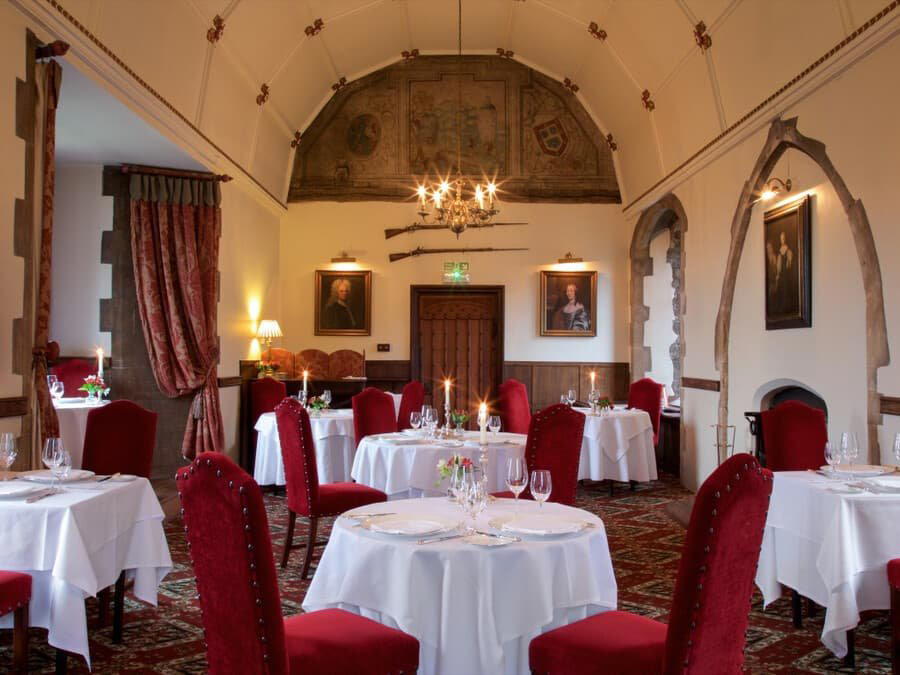
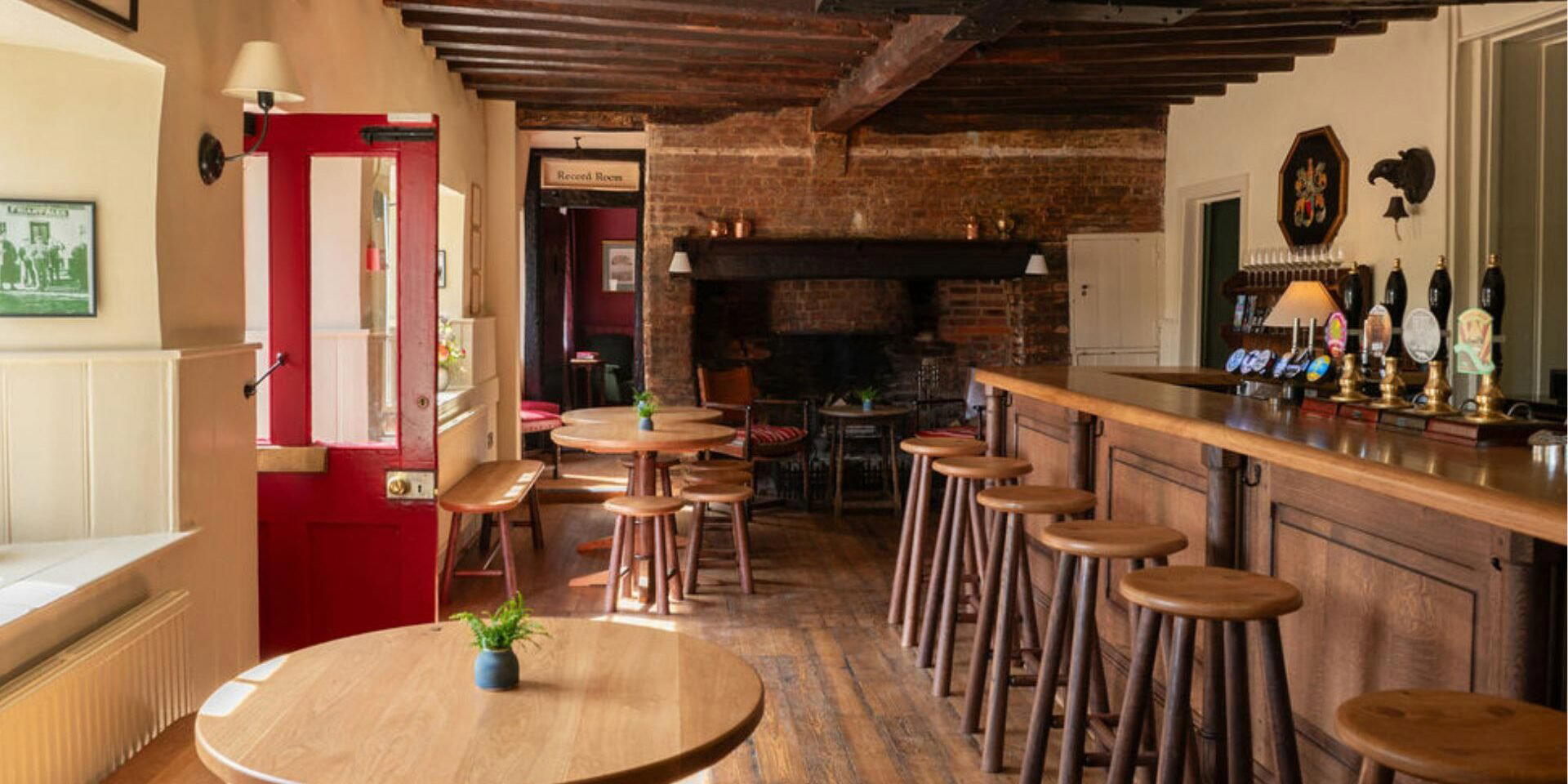
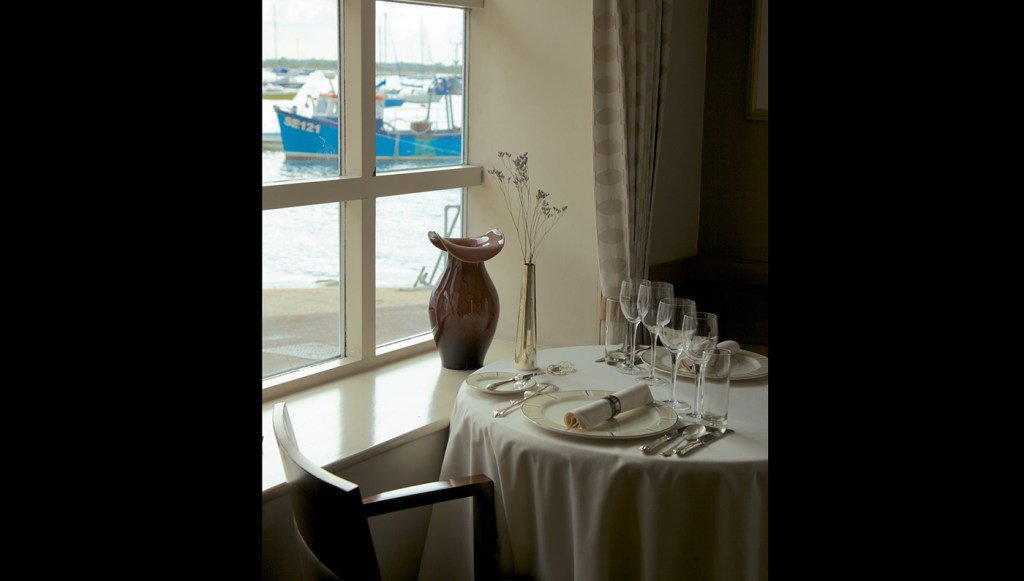
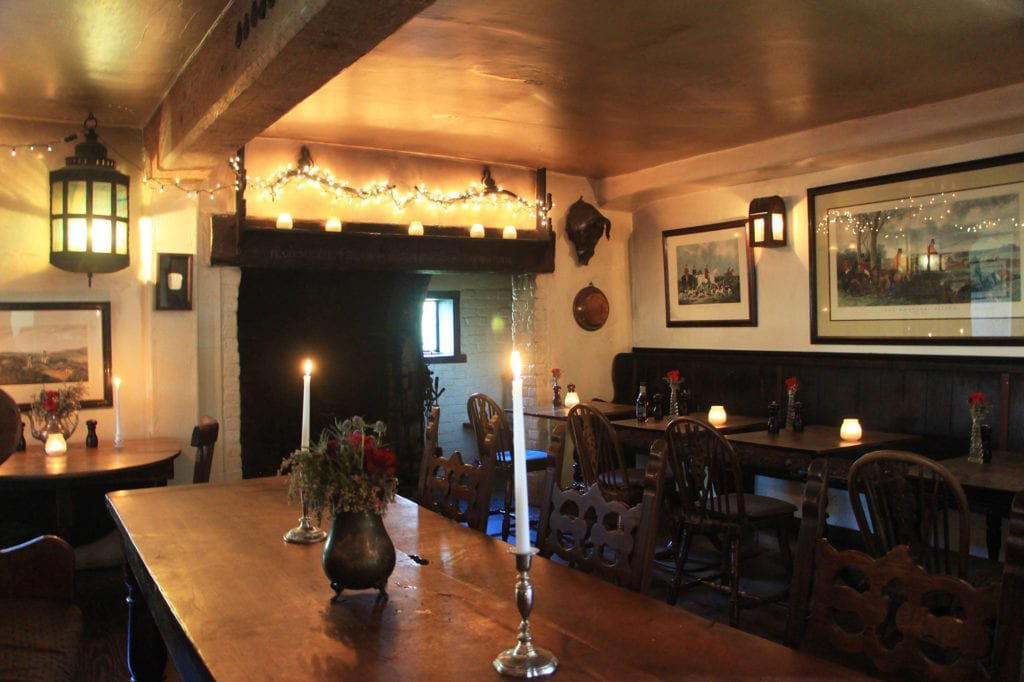
Impressive and elegant dining room with a leisurely, atmospheric feel, though sometimes described as gloomy or draughty.