Interlude







1 Michelin Star · La Liste Top Restaurants · National Restaurant Awards Top 100 #80
Our verdict
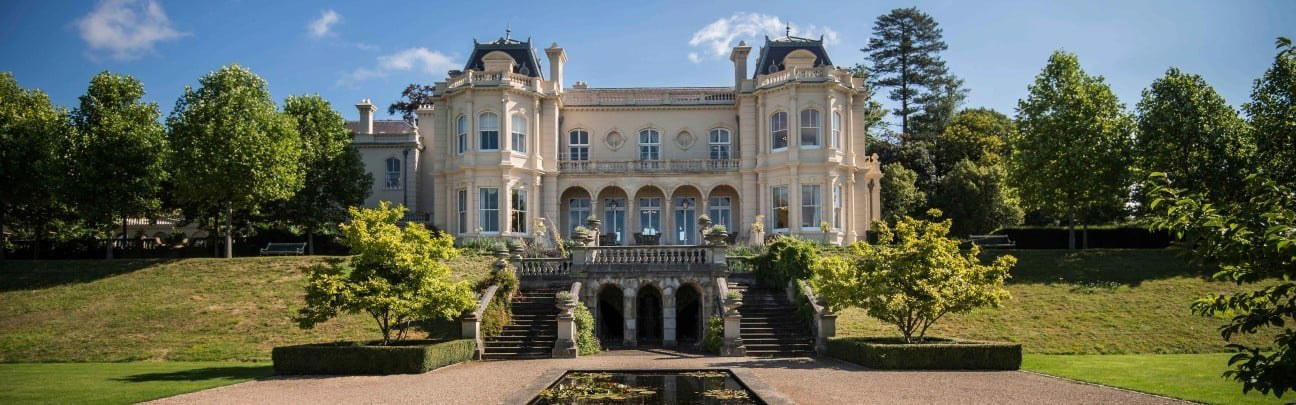
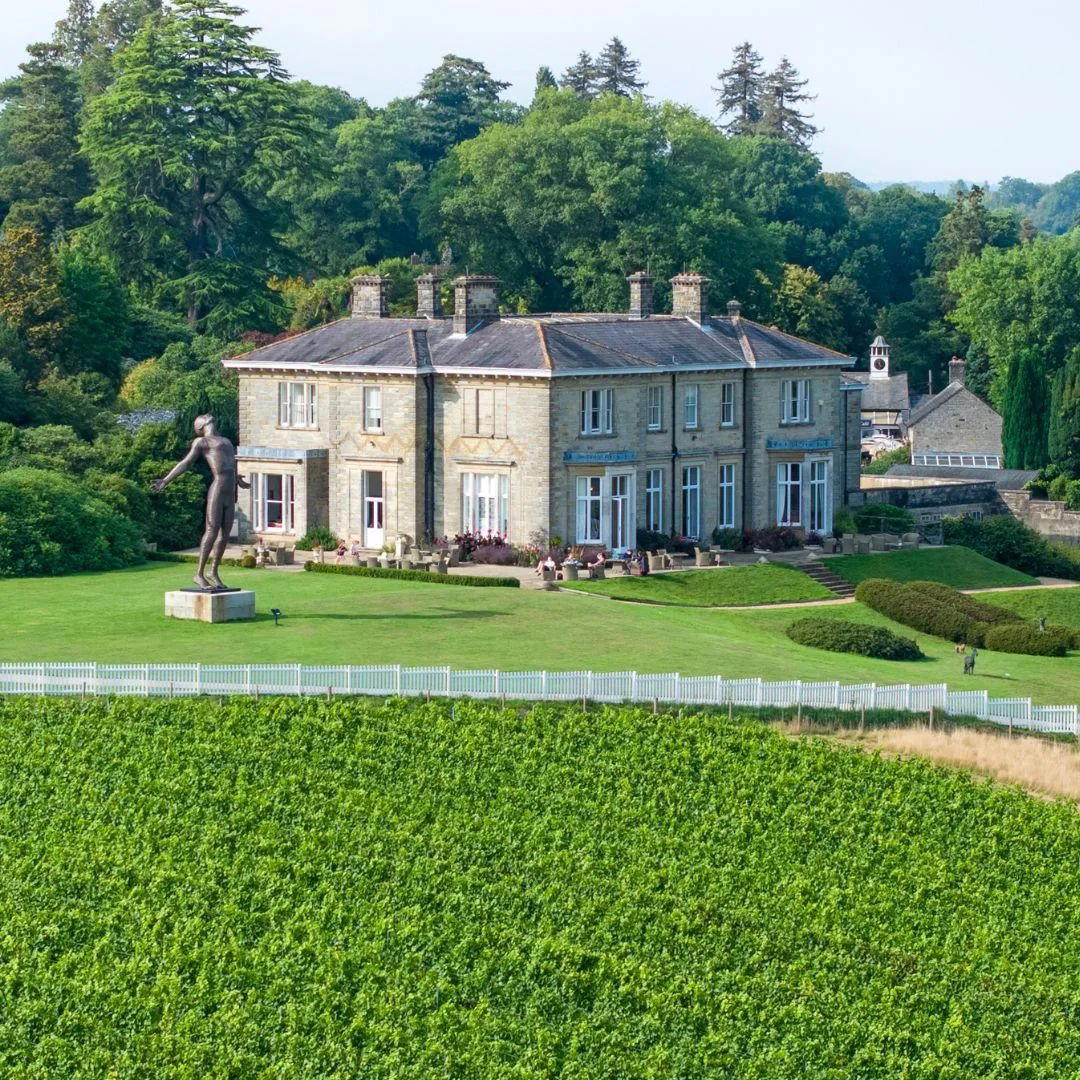
Set within the 240-acre grounds of Leonardslee Lakes and Gardens in West Sussex, Interlude holds a Michelin star and a place on La Liste's 2026 ranking for its 17-course Estate Experience tasting menu. Chef Jean Delport draws on both the estate's foraged larder and his South African culinary heritage, producing a meal that moves between Sussex woodland and the Cape with unusual authority. Rooms in the Italianate mansion make an overnight stay the natural way to do it properly.

Pearl is the En Primeur Club membership app — saves, bookings, and concierge access live there. Same editors, same standards.
- Address
- Leonardslee Gardens, Brighton Rd, Horsham RH13 6PP, United Kingdom
- Phone
- +44 330 123 5894
- Hours
- Mon–Wed ClosedThu–Sun 6–10 PM
- Website
- restaurant-interlude.co.uk
- Directions
- Get directions
- Booking
- Book on the venue's website
The menu
What to order
- Rabbit Eats Carrot
- Mosbolletjies bread course
- Lobster with cauliflower and Exmoor caviar
The drive into Leonardslee Lakes and Gardens sets a particular kind of expectation. The 240-acre estate in West Sussex, first planted in 1801, is famous among garden-goers for its azalea and rhododendron displays and, more unexpectedly, a free-roaming wallaby colony established in the Victorian era. By the time you reach the Italianate mansion at the heart of the grounds, you are already some distance, psychologically, from the motorway. That distance is part of the point. The estate is not merely a backdrop for the restaurant inside it; it is the restaurant's primary supplier, its reference library, and the logic behind almost every plate.
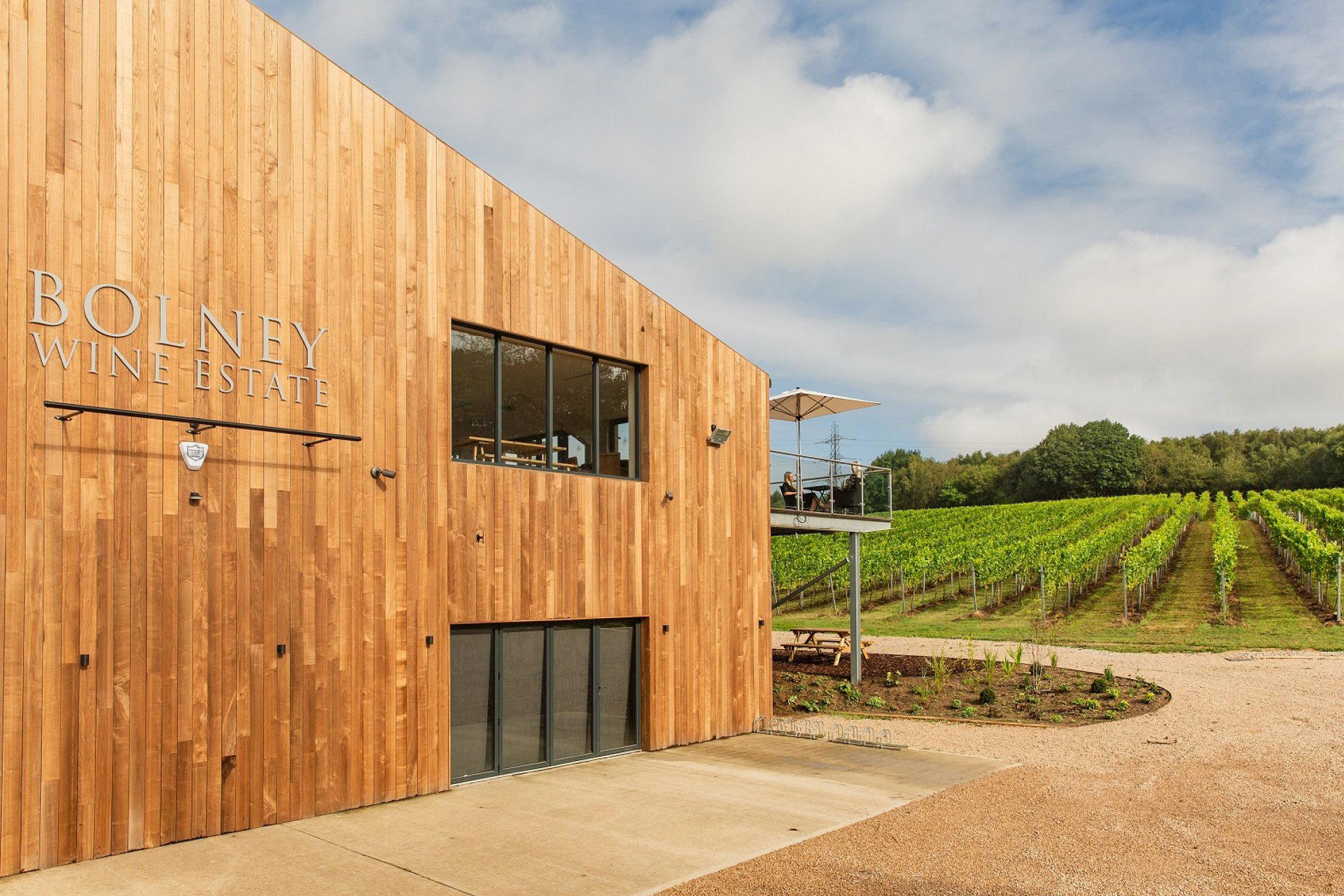
England has a well-established tradition of country-house fine dining, from [Le Manoir aux Quat' Saisons, a Belmond Hotel in Great Milton]() to L'Enclume in Cartmel and Moor Hall in Aughton. What separates the stronger entries in this category from the merely picturesque is the depth of the connection between the land and the kitchen. At Interlude, that connection runs across foraging, estate-grown ingredients, and a wine programme tied directly to Leonardslee's own vineyard and its sister South African estate, Benguela Cove. The result is a meal whose sourcing logic is not decorative but structural.
An Estate Eating Through Itself
The 'Estate Experience' tasting menu runs to 17 courses, a length that requires both kitchen discipline and genuine pacing intelligence to sustain. The foraged ingredient list shifts with the seasons; moss, herbs, and estate-grown produce appear not as garnishes but as load-bearing flavour components. This is not foraging as performance, the kind of single-leaf garnish placed on a plate to signal provenance credentials, but foraging integrated into the architecture of dishes from the canapé stage onward.
The sourcing extends to the wine list in a way that most estate restaurants do not attempt. Leonardslee's own vineyard supplies glasses poured from the opening courses, with a Blanc de Blancs appearing early in the meal. Benguela Cove, the sister estate in South Africa's Walker Bay, extends the list into Pinotage and Chenin territory, giving the wine programme a coherent dual identity that mirrors the kitchen's own South African-Sussex axis. Across the full list, two-thirds of bottles are priced below three figures, a notable restraint at this level of ambition.
Chef Jean Delport, a contestant on Great British Menu 2025, brings his South African culinary heritage into the sourcing story in tangible rather than token ways. Carrot biltong features in the signature 'Rabbit Eats Carrot' dish; mosbolletjies bread, made with wine must from the estate vineyard, arrives in a cast iron casserole with butter finished tableside with biltong spices, mushroom garum, red-wine onions, and estate herbs. Slaphakskeentjies, the Cape onion salad, appears as a refined element within the canapé sequence. These are not fusion references; they are ingredients and preparations with specific cultural grounding that happen to sit in conversation with Sussex estate produce.
The Mechanics of a 17-Course Evening
Country-house tasting menus in England operate within a recognisable genre, but the execution range within that genre is wide. Interlude's approach draws comparison with the format discipline visible at The Fat Duck in Bray or Midsummer House in Cambridge, where multi-course meals depend on consistent pacing and service engagement to prevent the later stages from feeling punishing. The evening at Interlude runs to approximately three and a half hours. Information cards accompany each course, a practical solution to the challenge of communicating complex ingredient sourcing without turning service into a lecture.
The 'Rabbit Eats Carrot' dish is the kitchen's most technically demanding set piece. It arrives as multiple components: a terrine of rabbit, duck liver, pork and rabbit jelly between pastry wafers; a buttermilk- and vodka-marinated deep-fried rabbit leg presented under a smoke-filled cloche; pastry boats of confit rabbit with chilli jam, rabbit mousse, cured egg yolk, and marinated carrots; and carrot leather tartlets filled with rabbit offal, presented on a moss-topped log from the estate. The dish demonstrates nose-to-tail thinking applied to estate-sourced game, with the carrot biltong acting as the through-line between the Sussex kitchen garden and Delport's South African reference points.
A lobster course with cauliflower and kombu-washed Exmoor caviar illustrates the range of the menu beyond the estate-and-heritage framework: this is a dish that competes with what comparable Michelin-starred tables in London are producing, places like The Ledbury in London or hide and fox in Saltwood. That the meal's most technically showy moments sit comfortably alongside the more vernacular South African bread course is evidence of a coherent editorial voice in the kitchen rather than a collection of borrowed techniques.
Recognition and Competitive Position
Interlude holds one Michelin star (2024) and appeared in La Liste's 2026 ranking with 82 points. La Liste draws on a broader pool of critical sources than Michelin and tends to surface restaurants that have attracted consistent praise across multiple review traditions.
The competitive set for Interlude includes the broader category of English estate and countryside fine dining, a group that also takes in Gidleigh Park in Chagford, Restaurant Andrew Fairlie in Auchterarder, and Hand and Flowers in Marlow. Within that set, Interlude occupies a particular niche defined by dual heritage sourcing and estate self-sufficiency. It is not attempting to be a metropolitan fine-dining restaurant transplanted to the countryside; the Sussex location and estate ownership are the concept, not the setting. Similarly notable tasting-format restaurants like Opheem in Birmingham demonstrate how strong ingredient narrative can anchor a tasting menu; Interlude applies comparable logic to an entirely different cultural source.
Planning the Visit
The practical case for an overnight stay is strong. The Italianate mansion houses rooms on the estate, and several reviewers note that walking the gardens the following morning is the natural extension of an evening meal built around them. The grounds are open to the public for garden visits, but the restaurant access is separate; Leonardslee is a working estate with the restaurant as one of its principal hospitality outputs. Given the meal length and the wine programme's depth, arriving the night before or staying after is the sensible approach for anyone travelling from London or further afield. The estate sits near Horsham in West Sussex, roughly an hour from central London by train to nearby stations, and the price positioning at ££££ places this at the top end of the Sussex dining market. Bookings at restaurants of this format and recognition typically require advance planning of several weeks at minimum.
For a full picture of what else the area offers in terms of accommodation, see [our full Lower Beeding hotels guide](). If you are building a wider Sussex itinerary, [our full Lower Beeding restaurants guide](), [bars guide](), [wineries guide](), and experiences guide cover the broader options around the estate.
Frequently asked questions
What is the overall feel of Interlude?
Can I bring kids to Interlude?
at Interlude?
In Context: Similar Options
Comparable venues nearby, for context on price, style, and recognition.
| Venue | Cuisine | Price | Awards | Notes |
|---|---|---|---|---|
| InterludeThis venue — the venue you are viewing | Modern British Foraged Tasting Menu with South African Influences | $200–300 | 1 Michelin Star · La Liste Top Restaurants | Not listed |
| Ormer Mayfair | Modern British Fine Dining | $150–200 | 1 Michelin Star · La Liste Top Restaurants | Mayfair |
| Ben Wilkinson at The Pass | Modern British Fine Dining | $150–200 | 1 Michelin Star · AA Rosettes 4 Rosettes | Lower Beeding |
| The Latymer | Modern British Fine Dining | $150–200 | 1 Michelin Star · La Liste Top Restaurants | Bagshot |
| Aulis London | Modern British Chef's Table | $150–200 | 1 Michelin Star · Star Wine List | Soho |
| Restaurant Twenty-Two | Modern British Fine Dining | $100–150 | 1 Michelin Star · National Restaurant Awards Top 100 #22 | Chesterton Road |
Recognition history
Dated appearances from independent guides and award organizations, with the underlying list record or original source where available.
Michelin 1 Star
Michelin
La Liste Top Restaurants
La Liste
AA Rosettes 4 Rosettes
AA Rosettes
Harden's Top 100 UK Restaurants #75
Harden's
National Restaurant Awards Top 100 #80 · No. 80
National Restaurant Awards · 2026 National Restaurant Awards Top 100
Full recognition history (10 entries)
SquareMeal UK Top 100 Restaurants #52
SquareMeal
Michelin 1 Star
Michelin
National Restaurant Awards Top 100 #49
National Restaurant Awards
The Good Food Guide GFG Very Good
The Good Food Guide
Michelin 1 Star
Michelin
Continue exploring
More in Lower Beeding
Restaurants in Lower Beeding
Browse all →
Bars in Lower Beeding
Browse all →
Hotels in Lower Beeding
Browse all →

Details
- Elegant
- Intimate
- Sophisticated
- Scenic
- Celebration
- Special Occasion
- Date Night
- Garden
- Historic Building
- Open Kitchen
- Private Dining
- Sommelier Led
- Farm To Table
- Local Sourcing
- Garden
- Tasting Menu
- Set Menu
- Wine
- South African Wines
- Vegetarian Friendly
- Gluten Free Options
- Allergy Accommodating
Current opening hours
- Monday
- Closed
- Tuesday
- Closed
- Wednesday
- Closed
- Thursday
- 6–10 PM
- Friday
- 6–10 PM
- Saturday
- 6–10 PM
- Sunday
- 6–10 PM
Hours can change for holidays and private events. Last verified .
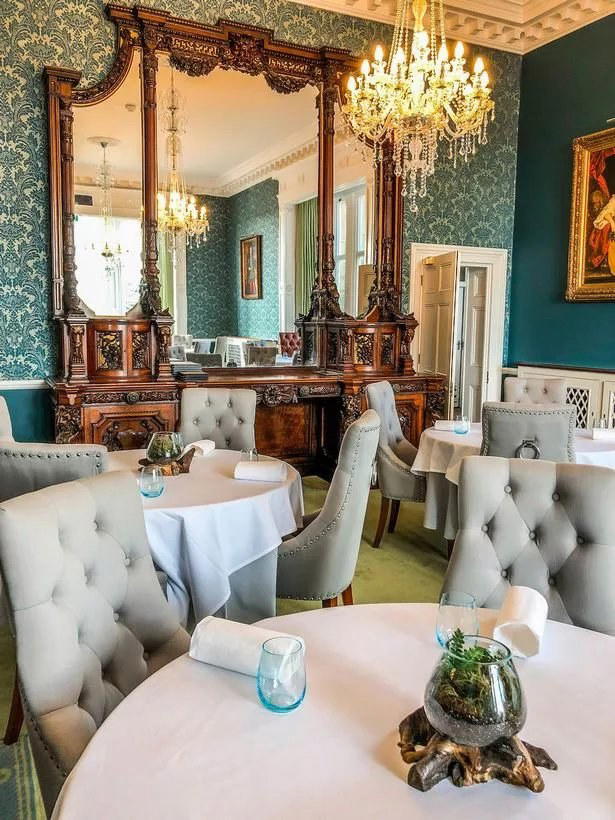
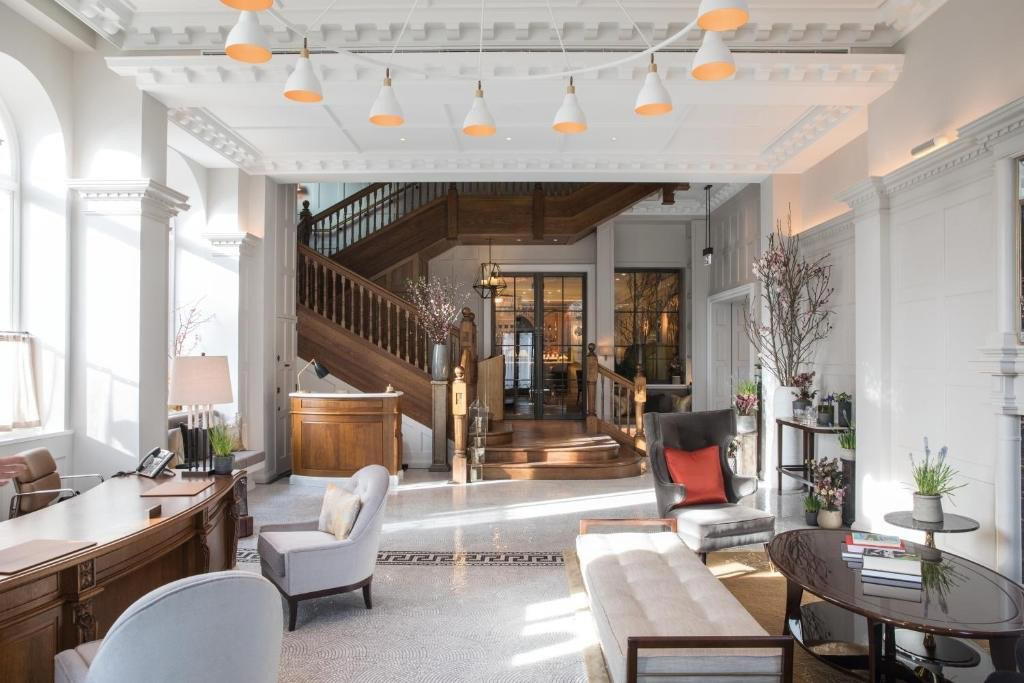
Elegant and refined with bright, airy spaces; guests are greeted in a grand hallway with a self-playing piano before dining in an intimate room overlooking manicured gardens and the South Downs.