Our verdict
Qube sits in Chanakyapuri's Diplomatic Enclave on Africa Avenue, positioning it within one of Delhi's most formally composed dining corridors. The address places it alongside embassies and institutional hospitality, suggesting a room calibrated for unhurried meals and measured occasion rather than casual drop-ins. For the full picture of where Qube sits in Delhi's wider dining scene, the EP Club Delhi restaurants guide provides useful context.

Pearl is the En Primeur Club membership app — saves, bookings, and concierge access live there. Same editors, same standards.
- Address
- Africa Ave, Diplomatic Enclave, Chanakyapuri, New Delhi, Delhi 110023, India
- Phone
- +91 11 3933 1370
- Hours
- Daily 6:30 AM–11:30 PM
- Website
- theleela.com
- Directions
- Get directions
Dining in the Diplomatic Enclave: What Chanakyapuri's Address Signals
Delhi's dining geography is more stratified than it first appears. Connaught Place draws the after-work crowd; Lodhi Colony and Khan Market serve the culturally curious; and Chanakyapuri, with its wide boulevards, embassy compounds, and institutional hotels, operates at a different register entirely. The Diplomatic Enclave corridor on Africa Avenue is not a neighbourhood where restaurants compete for foot traffic. Venues here earn their clientele through reputation, occasion, and the kind of deliberate booking that follows a recommendation rather than a spontaneous walk-past. For a broader map of where Delhi's dining scene is concentrating its energy right now, the EP Club Delhi restaurants guide is the most useful starting point.
The Ritual Logic of a Chanakyapuri Meal
In cities where dining culture has a strong diplomatic and business-hosting tradition, the meal itself tends to follow a particular rhythm. Arrivals are expected rather than anticipated; pacing defers to the table rather than the kitchen's throughput; and the room is designed to absorb conversation rather than perform around it. This is the structural logic of Chanakyapuri dining, and it distinguishes the enclave's restaurants from the faster-turnover formats operating in South Delhi's more commercial corridors. Venues in this zone, including Qube, inherit that structural expectation whether or not they actively court it. The dining ritual here is less about theatrical service progression and more about a room that holds its shape across a long evening.
That contrast is worth mapping against Delhi's wider premium dining tier. Jamavar Delhi operates with Leela's formal service architecture and a classical Indian repertoire that rewards slow engagement. Le Cirque Delhi imports a New York fine-dining frame into the city's hotel circuit. Dum Pukht in New Delhi anchors the ITC Maurya's formal dining identity around slow-cooked Awadhi tradition, where the dum process itself dictates the meal's pace. Each operates within a different version of the same city-wide premium expectation: that a serious dinner in Delhi involves time, considered ordering, and a room that signals occasion through its physical restraint rather than its noise level.
Where Qube Sits in Delhi's Occasion-Dining Tier
The Diplomatic Enclave address anchors Qube in the occasion-dining segment rather than the destination-restaurant category that drives food-media attention toward places like Indian Accent or the newer tasting-menu formats arriving in Lodhi and Greater Kailash. Occasion dining in Delhi has its own demands: the room needs to absorb a range of guests, from diplomatic dinners to family milestone meals, without defaulting to either stiff formality or casual informality. The address on Africa Avenue puts Qube in natural proximity to that brief. Across India, the venues that have most successfully occupied this space tend to combine broad menu range with service discipline. Adaa at Falaknuma Palace in Hyderabad does this through heritage setting and Nizami culinary tradition. Chandni in Udaipur uses lake-facing architecture to carry a similar occasion weight. The mechanism varies, but the underlying brief is the same: a restaurant that can hold the room for a significant meal.
Delhi specifically has a long tradition of hotel-anchored dining in this corridor serving as the default venue for high-stakes meals. That tradition shapes what guests bring to the table in terms of expectation: unhurried service, a wine list or beverage program with enough range to support the occasion, and a kitchen that can execute across multiple dietary requirements within the same party. The EP Club Delhi hotels guide maps the full picture of where institutional hospitality is concentrated in the city, and the overlap with this dining corridor is significant.
India's Wider Dining Context: Reading the Room
The past decade has seen India's premium restaurant tier bifurcate more sharply than at any previous point. On one side, a tasting-menu and chef-driven format has emerged, with venues like Farmlore in Bangalore and Naar in Kasauli building editorial identities around provenance, regional specificity, and counter-format dining. On the other side, the à la carte occasion-dining model has remained the dominant format for the business and diplomatic hospitality segment, particularly in Delhi and Mumbai. The Table in Mumbai has long operated in the overlap zone between these two registers, using a flexible format to serve both curious diners and corporate tables. Internationally, the contrast maps cleanly onto how venues like Le Bernardin in New York City maintain formal dining architecture while accommodating both tasting and à la carte formats, or how Atomix in New York City has moved the tasting-format into a more intimate, culturally specific register. Delhi's diplomatic corridor occupies a different point on that spectrum, prioritising flexibility and occasion-readiness over editorial distinctiveness.
India's restaurant scene beyond Delhi also reflects this split. Baan Thai in Kolkata and Bomras in Anjuna each carve regional cuisine identities in cities where the premium dining tier is thinner. da Susy in Gurugram operates within the NCR's emerging independent restaurant culture, which sits in deliberate contrast to the hotel-anchored model that defines Chanakyapuri. Understanding where Qube sits requires reading all of these reference points together, and recognising that the Africa Avenue address carries its own positioning logic independent of any single cuisine decision.
Planning Your Visit
Chanakyapuri is most easily reached by car or cab from central Delhi; the enclave's controlled-access character means walk-in traffic is minimal and advance planning is standard practice for any table here. For those combining the meal with broader Delhi exploration, the EP Club Delhi bars guide, experiences guide, and wineries guide provide useful pre- or post-dinner context.
Frequently asked questions
Does Qube work for a family meal?
The Diplomatic Enclave address in Chanakyapuri positions Qube within a dining corridor built around hosting and occasion meals, which typically means the room accommodates multi-generational tables as a baseline expectation. Restaurants along Africa Avenue have historically served embassy staff, visiting delegations, and business parties that span age groups.
Is Qube formal or casual?
Africa Avenue in the Diplomatic Enclave is one of Delhi's more protocol-conscious dining addresses, and venues here are generally calibrated for occasion rather than casual drop-in dining. The controlled-access character of Chanakyapuri itself discourages spontaneous walk-in traffic, which shapes the room's register.
What kind of dining occasion is Qube in Chanakyapuri best suited for?
Qube's location on Africa Avenue in Delhi's Diplomatic Enclave places it firmly in the business-hosting and formal occasion tier, distinct from the chef-driven destination restaurants concentrated in Lodhi Colony and Greater Kailash. The enclave's controlled-access geography means the clientele skews toward embassy staff, corporate visitors, and diplomats rather than the food-media crowd. That positioning makes Qube a practical anchor for hosted dinners where setting and address carry as much weight as the plate.
What's the must-try dish at Qube?
For the most accurate picture of the current menu, reaching out directly to the venue or checking recent guest accounts is the most reliable route. What the Chanakyapuri address does signal is a kitchen likely oriented toward hosting-friendly formats rather than experimental tasting menus.
What's the address for Qube?
Qube is located at Africa Ave, Diplomatic Enclave, Chanakyapuri, New Delhi, Delhi 110023, India, Delhi.
Where It Fits
Comparable venues nearby, for context on price, style, and recognition.
| Venue | Cuisine | Price | Awards | Notes |
|---|---|---|---|---|
| QubeThis venue — the venue you are viewing | Multi-Cuisine All-Day Dining | $30–50 | Not listed | Not listed |
| SodaBottleOpenerWala | Authentic Parsi & Bombay Street Food | Not listed | Not listed | Khan Market |
| Jamavar Delhi | Traditional North Indian Fine Dining | $50–100 | Not listed | Chanakyapuri |
| Hotel Saravana Bhavan | Authentic South Indian Vegetarian | $1–10 | Not listed | Connaught Place |
| Dilli StreEAT | Indian Street Food | Not listed | Not listed | Indira Gandhi International Airport |
| Indian Accent | Modern Indian Fine Dining | $50–100 | World's 50 Best #46 · La Liste Top Restaurants | Lodhi Road |
Details
- Modern
- Elegant
- Trendy
- Sophisticated
- Family
- Group Dining
- Business Dinner
- Brunch
- Celebration
- Open Kitchen
- Garden
- Hotel Restaurant
- Craft Cocktails
- Garden
- Buffet
- A La Carte
- Vegetarian Friendly
Current opening hours
- Monday
- 6:30 AM–11:30 PM
- Tuesday
- 6:30 AM–11:30 PM
- Wednesday
- 6:30 AM–11:30 PM
- Thursday
- 6:30 AM–11:30 PM
- Friday
- 6:30 AM–11:30 PM
- Saturday
- 6:30 AM–11:30 PM
- Sunday
- 6:30 AM–11:30 PM
Hours can change for holidays and private events. Last verified .
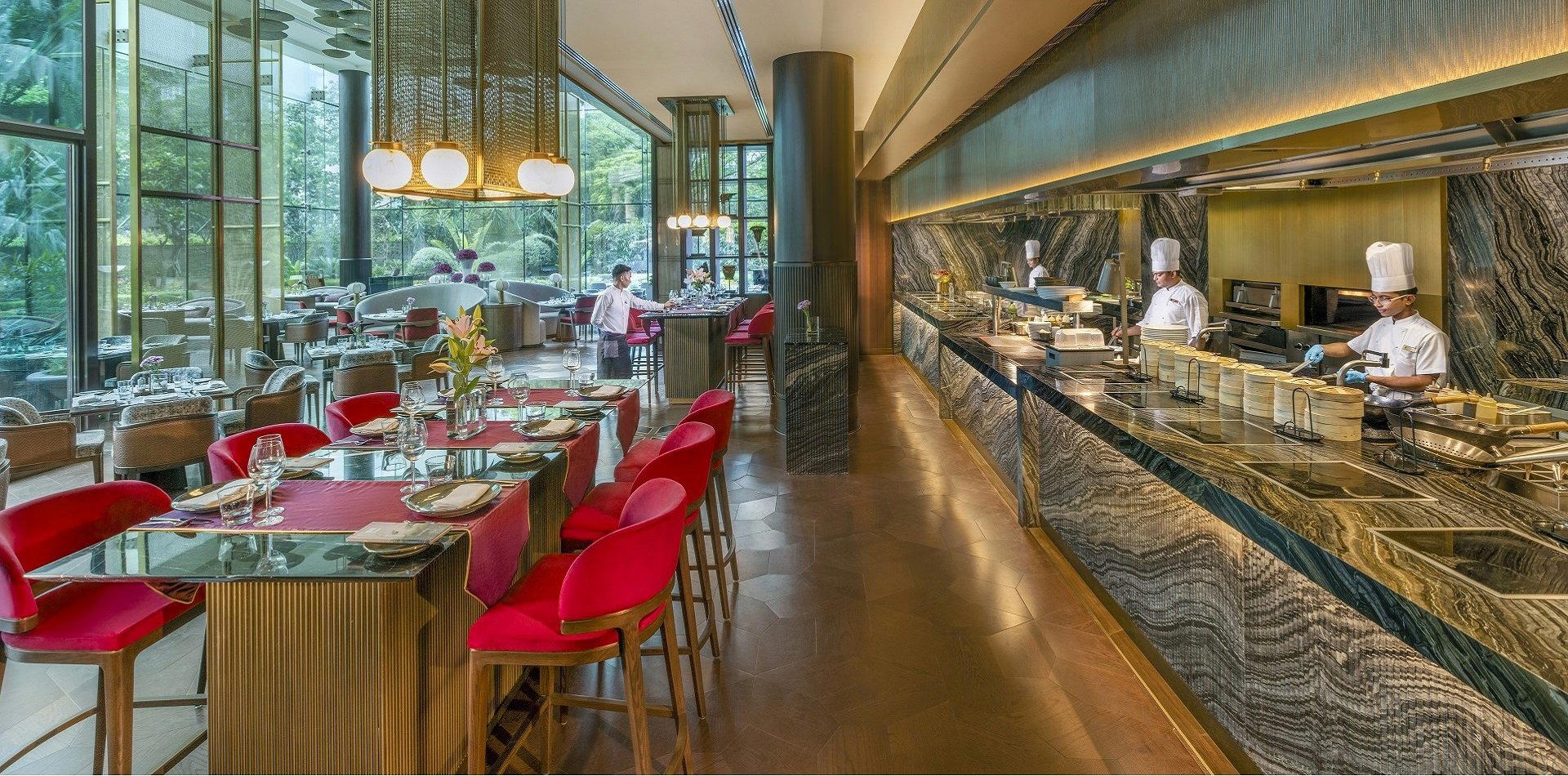
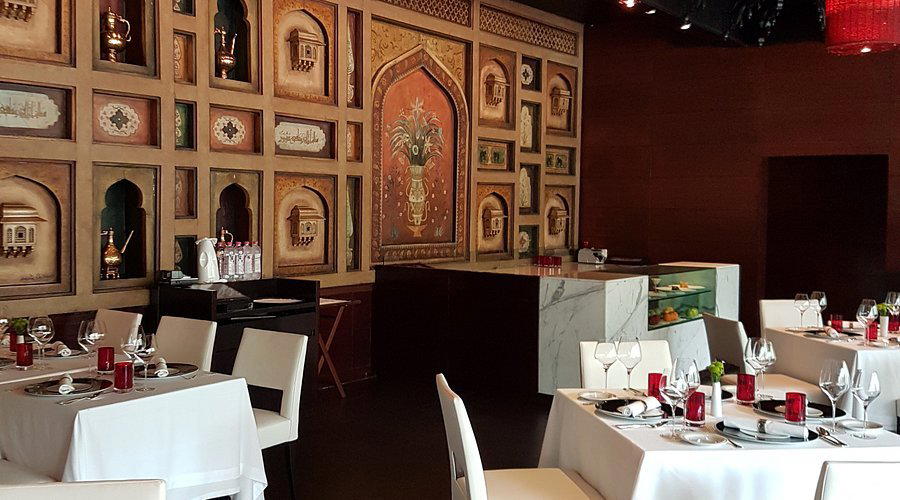
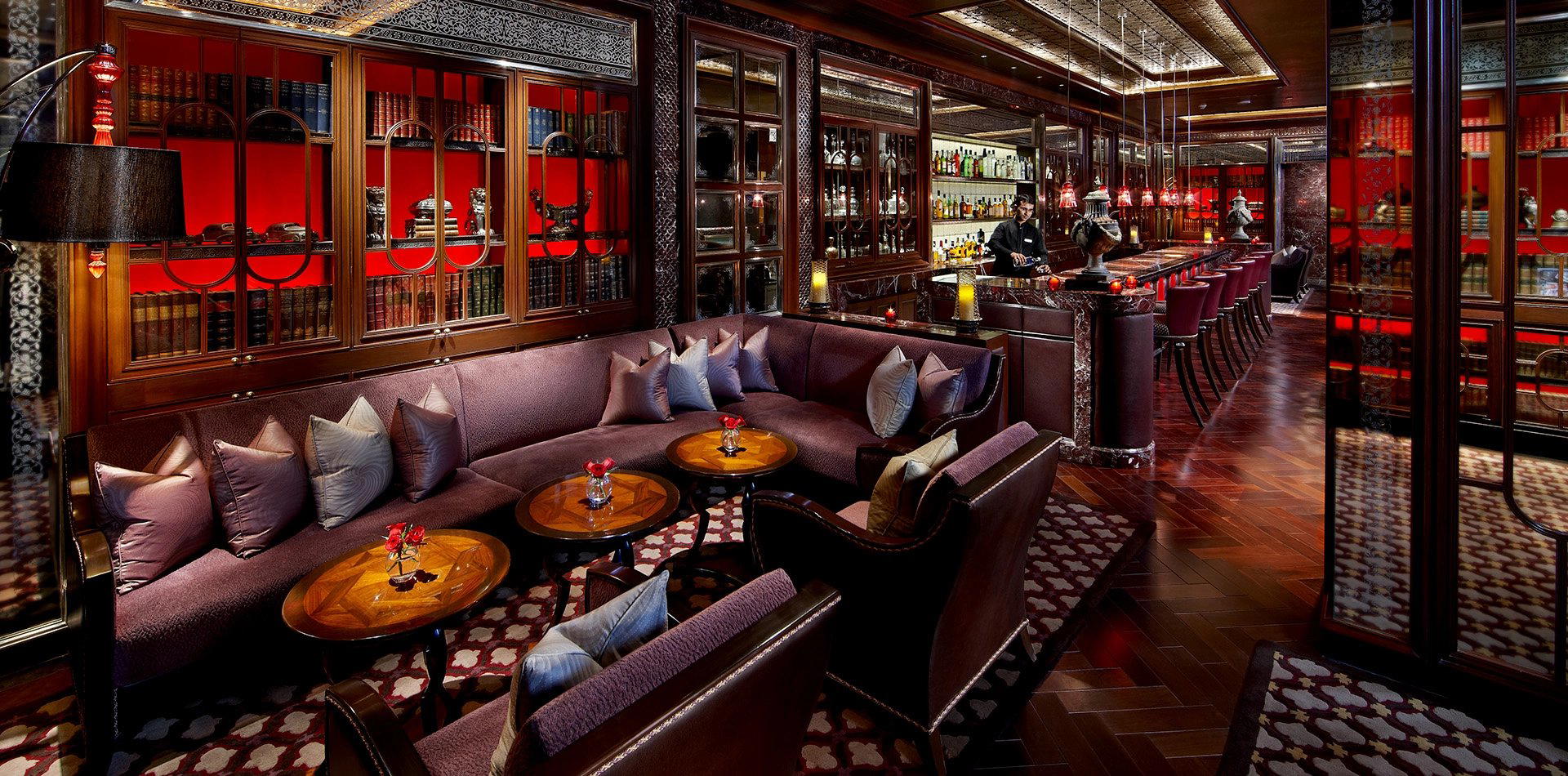
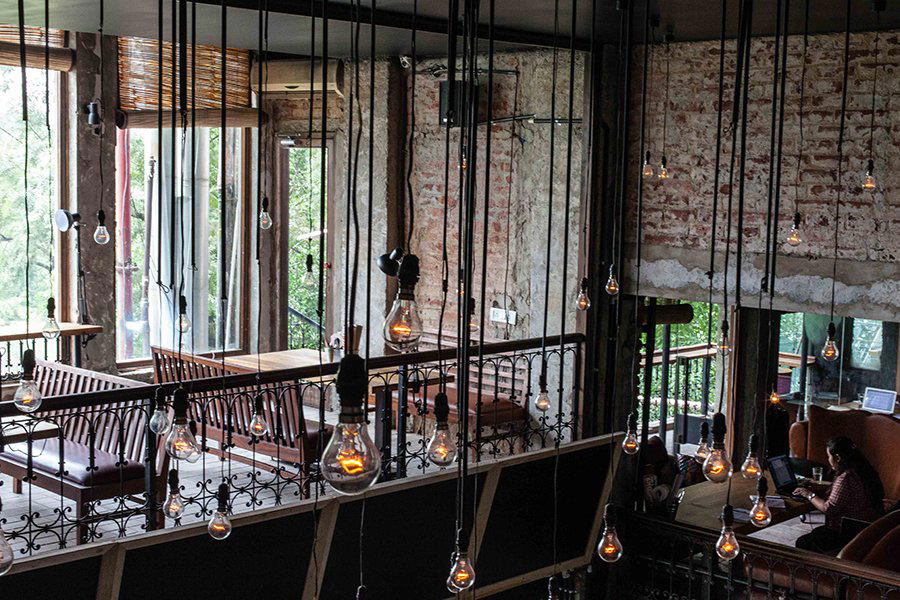
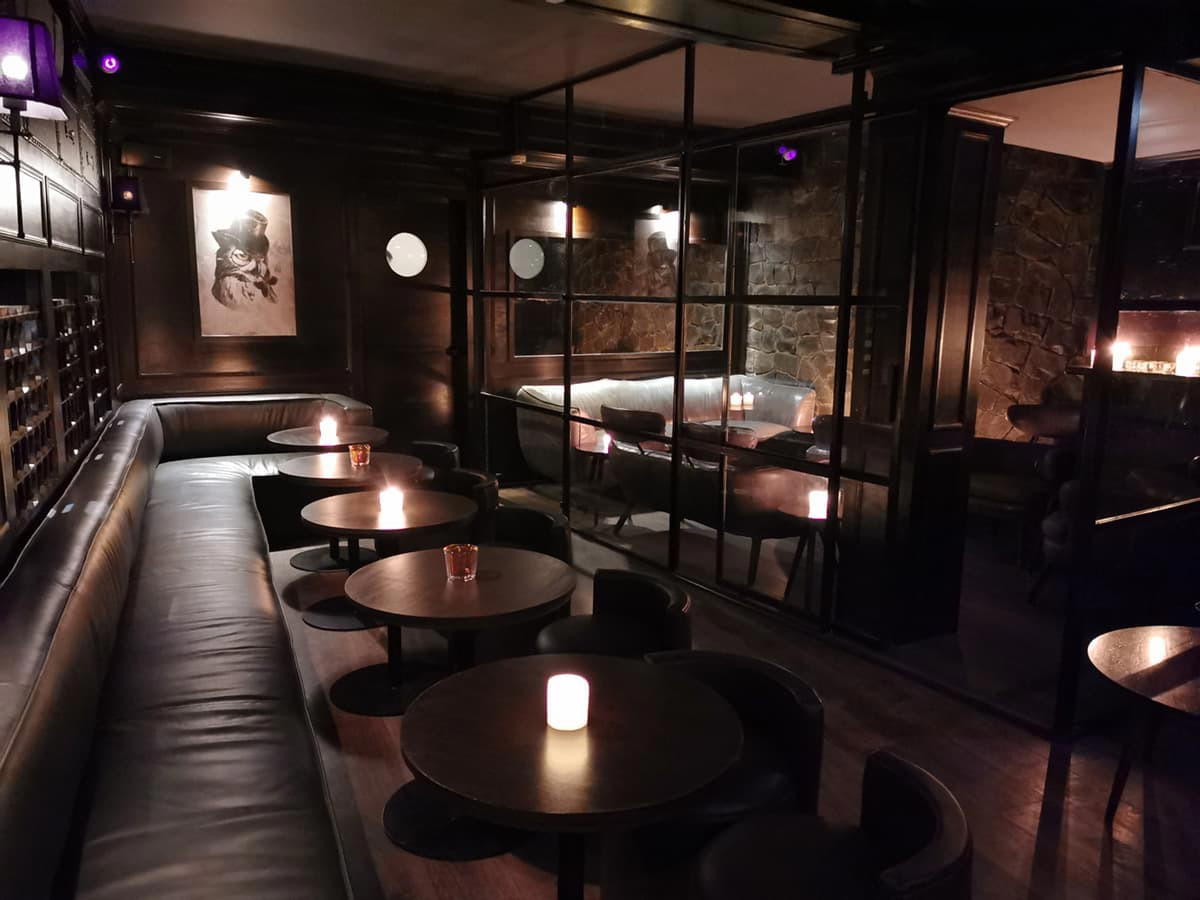
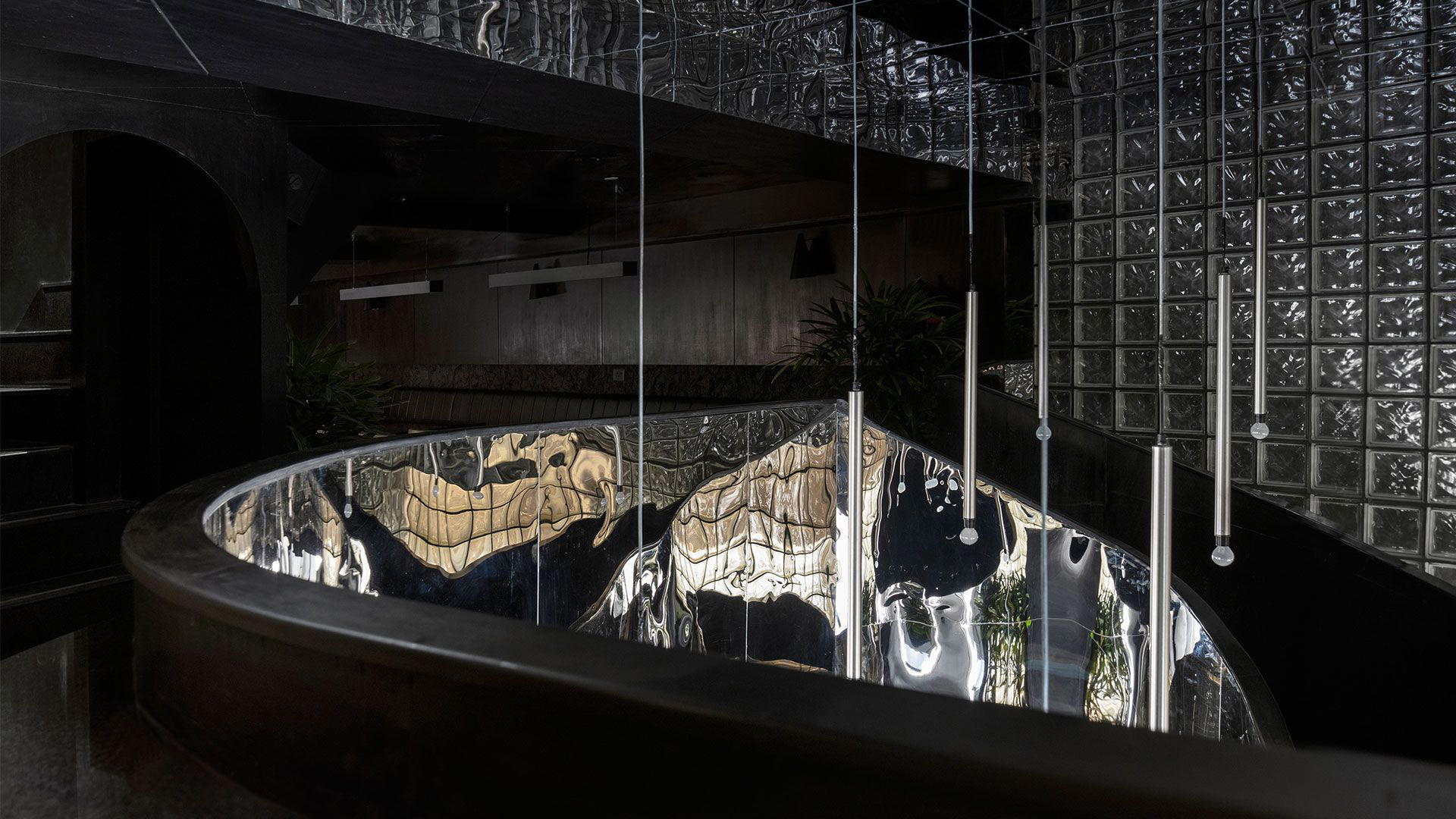
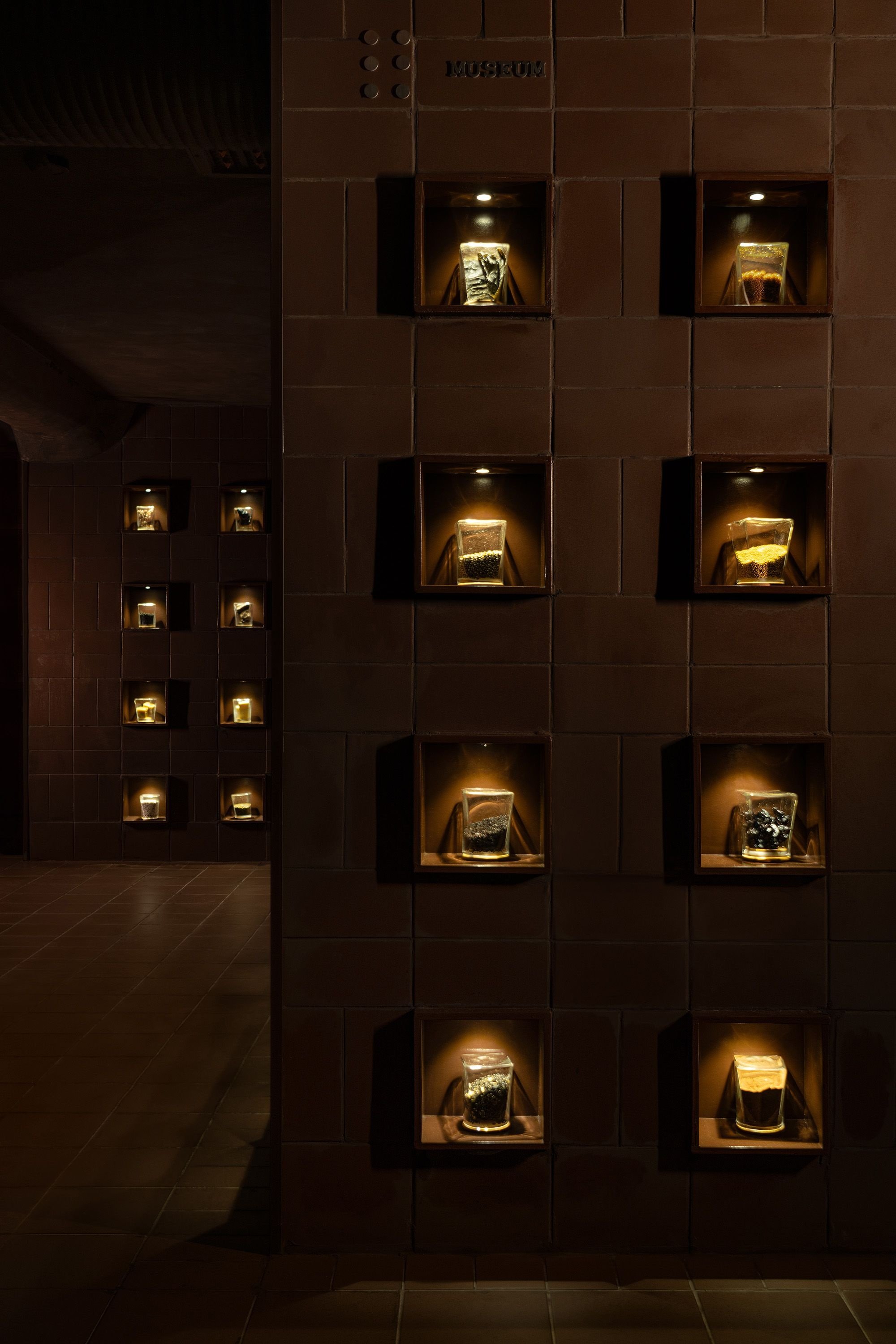
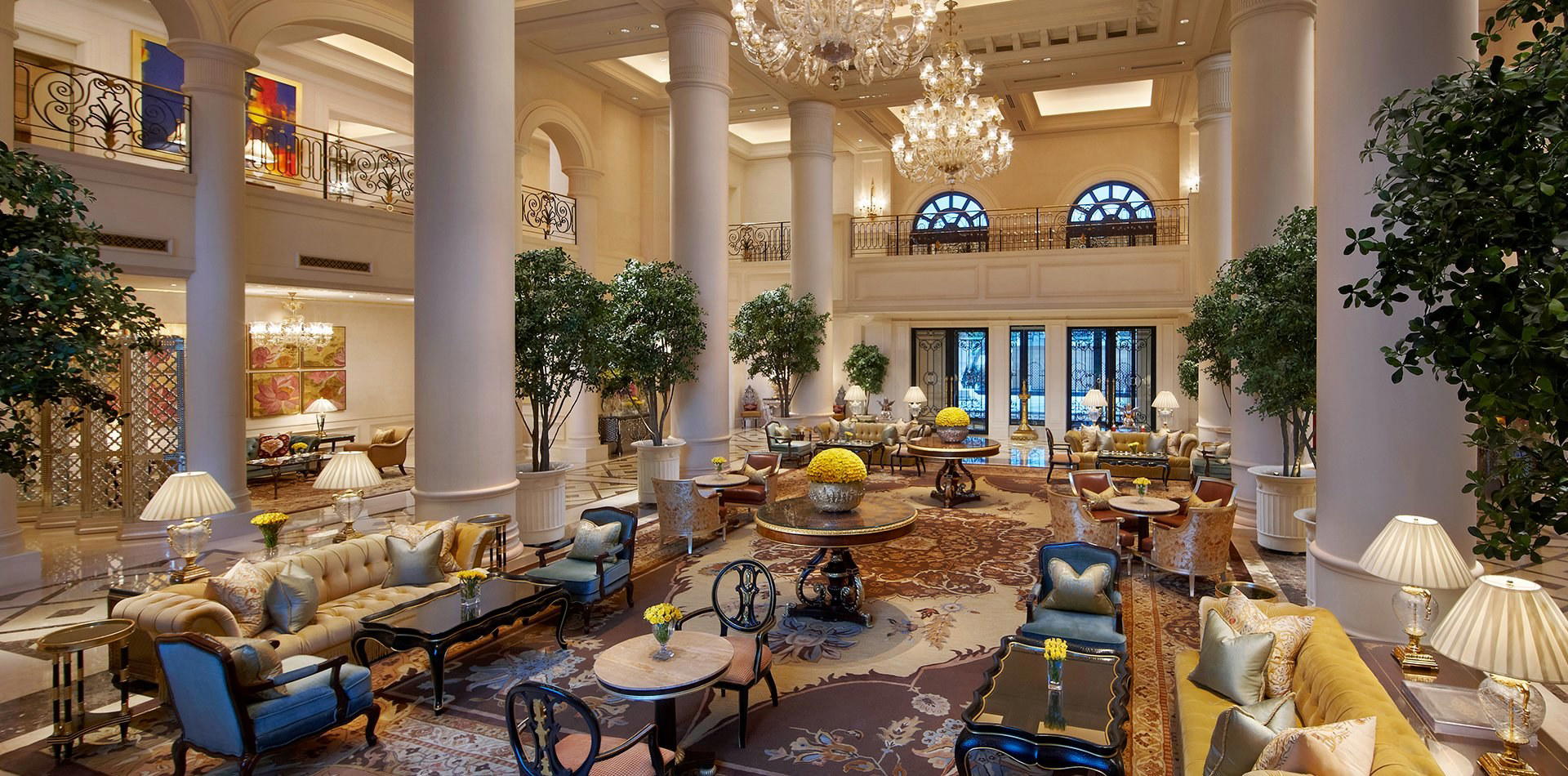
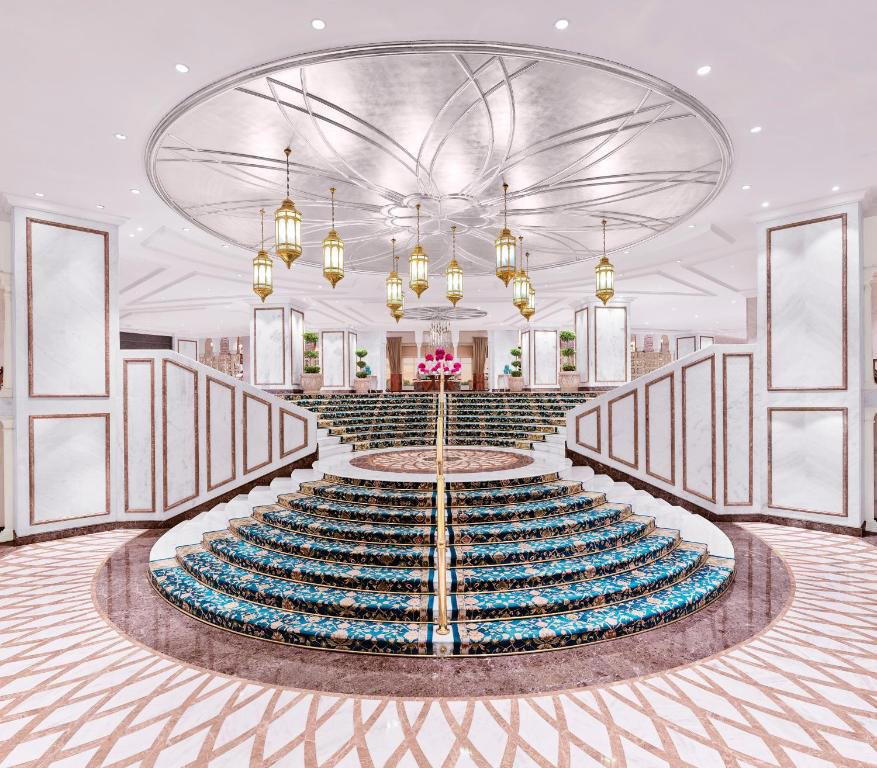
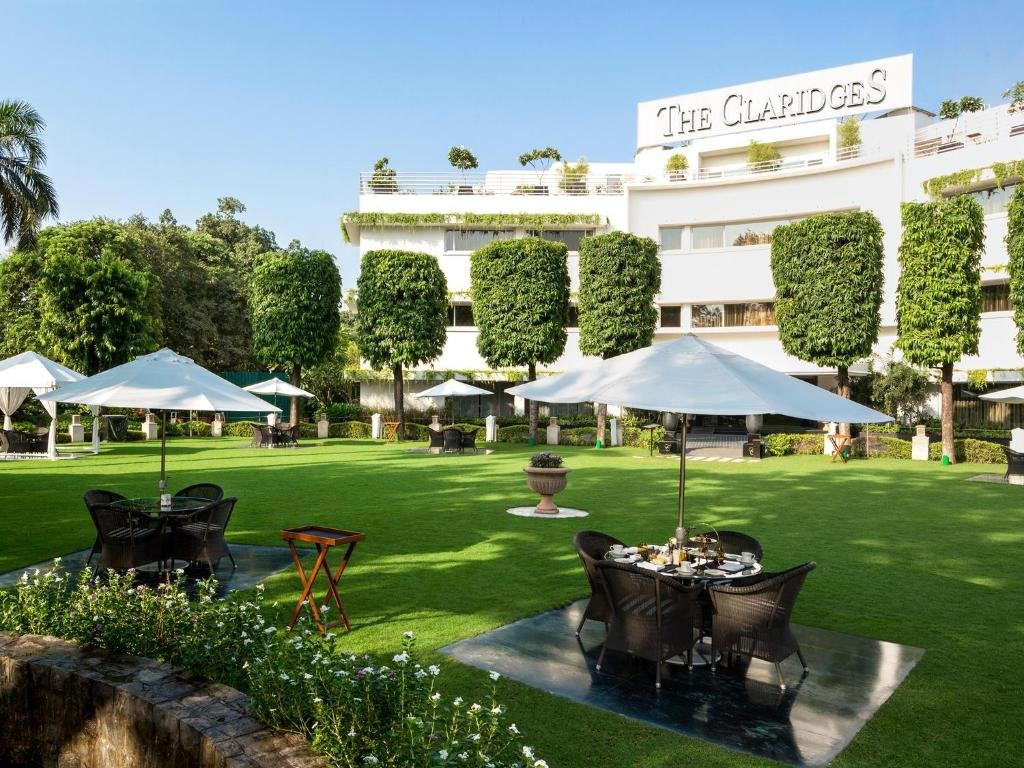
Modern elegant interiors with dramatic lighting, open feel, and beautiful garden views creating an extraordinary alfresco-like indoor dining experience.