Röckhof
Röckhof sits in the South Tyrolean village of Villanders, where Alpine farming tradition and Italian culinary instinct meet at altitude. The address, Loc. S. Valentino, 22, places it on the agricultural fringe of a village that few international visitors reach, making the table all the more considered a find for those who do. For context on where it fits among local options, see our full Villanders restaurants guide.
Pearl is the En Primeur Club membership app — saves, bookings, and concierge access live there. Same editors, same standards.
- Address
- Loc. S. Valentino, 22, 39040 Villandro BZ, Italy
- Phone
- +39472847130
- Website
- roeck.bz
- Directions
- Get directions
 Saves & bookings on Pearl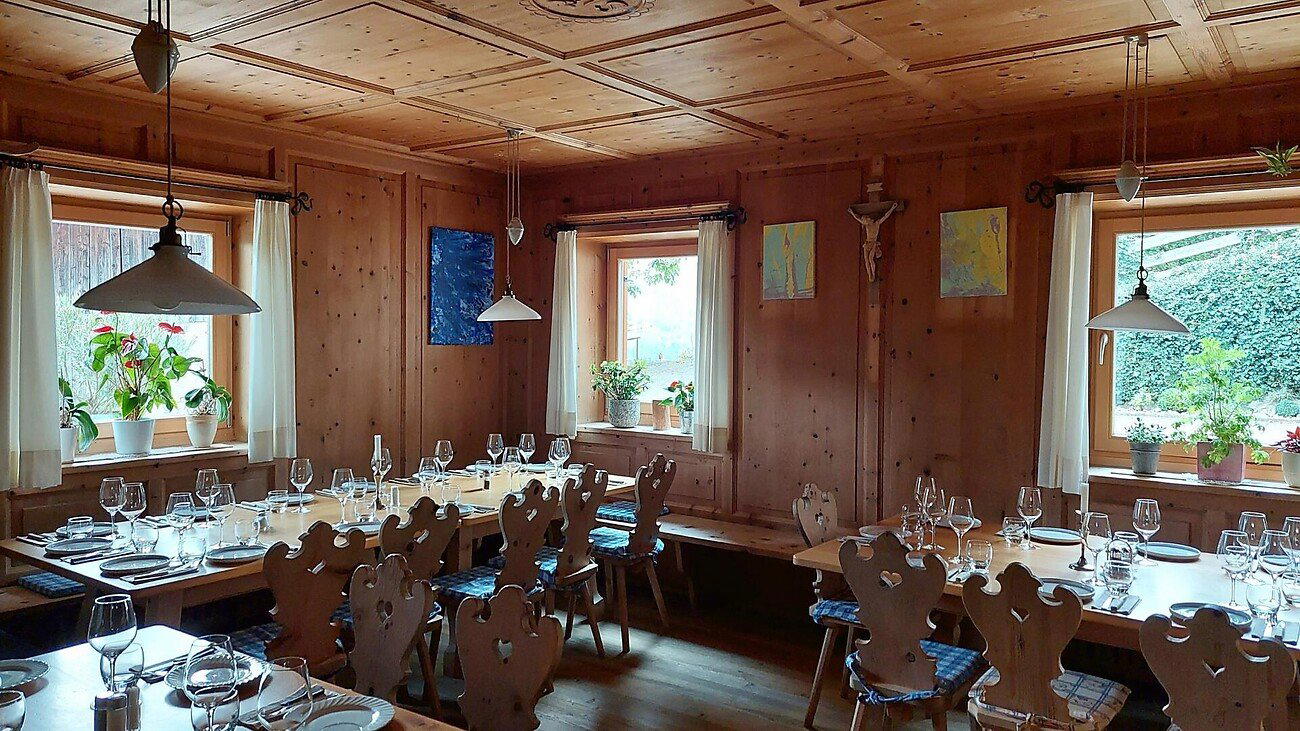
Arriving at Altitude: What the Setting Says Before the Food Does
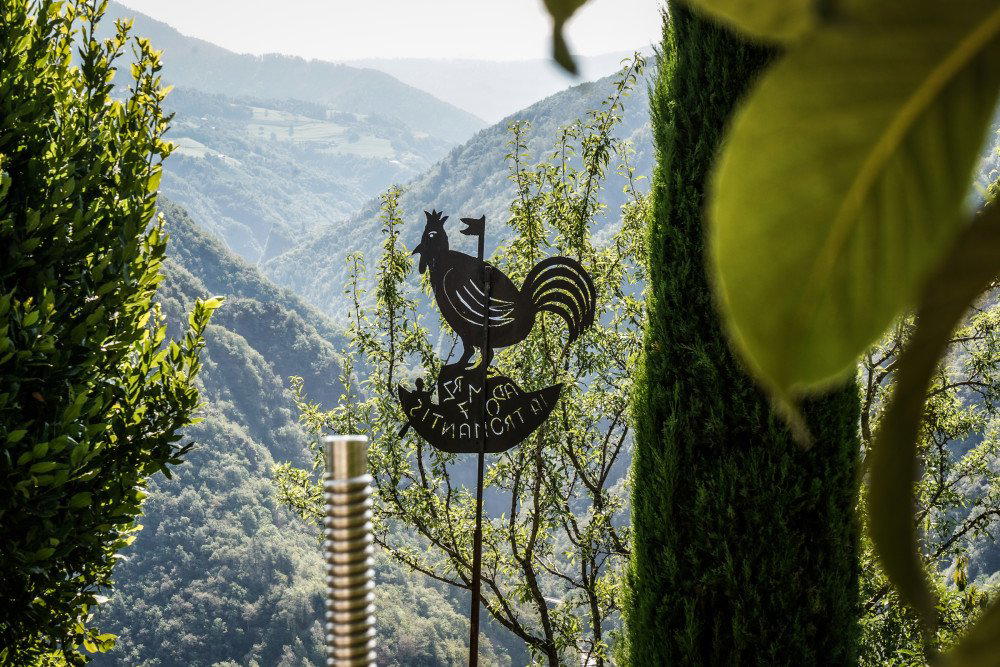
Röckhof is a restaurant in Villandro, South Tyrol, serving Tyrolean Törggelen at a casual price tier. Villanders occupies a shelf of the Eisack Valley in South Tyrol, high enough above the valley floor that the light arrives at a different angle and the air carries the particular dryness of Alpine meadow rather than the humidity of the valley towns below. The drive up from Klausen, the nearest rail stop on the Brenner line, winds through orchard terraces and timber farmsteads, and by the time you reach the address at Loc. S. Valentino, 22, you have already been told something about what kind of cooking to expect: rooted, ingredient-led, and shaped by a place that does not perform its identity for outsiders.
This is the context in which Röckhof operates. South Tyrol has become one of Italy's most discussed culinary regions over the past two decades, with the density of Michelin-recognised tables per capita rivalling regions with far larger populations and far more tourist infrastructure. Venues like Atelier Moessmer Norbert Niederkofler in Brunico have set a regional template of hyper-local sourcing and mountain-product focus that now filters down through the province's smaller, less publicised tables. Röckhof operates within that tradition rather than against it.
Menu Architecture: What the Structure Reveals
One useful way to understand a venue like Röckhof is through the logic of how the menu is assembled. In South Tyrol, particularly instructive kitchens tend to organise their menus around a vertical axis: foraged or farmed ingredients from the immediate altitude, preserved or fermented elements that speak to the region's long winters, and a calibrated nod to the Italian south that arrives via classical technique rather than ingredient import.
That architecture, common to the better farm-adjacent tables across the province, communicates something specific to the reader who knows how to interpret it. It says that the kitchen is not chasing trends from Milan or copying the tasting-menu format popularised by the international circuit, venues like Osteria Francescana in Modena or Le Calandre in Rubano operate at a different scale and with a different ambition. Röckhof's location in a small agricultural village positions it closer to the tradition of the South Tyrolean Buschenschank, the farm-tavern that serves what the land produces, than to the urban dining format those larger venues represent.
Where that tradition gets interesting is in the tension between simplicity and refinement. The leading village-level tables in this part of Italy are not rustic by default; they are disciplined by constraint. The menu cannot be wide because the sourcing radius is narrow. That constraint produces focus, and focus, in a kitchen that knows what it is doing, produces plates that are harder to replicate than anything assembled from a broad ingredient palette.
Villanders in the South Tyrolean Dining Context
Within Villanders itself, the dining options cluster around a handful of farm stays and family-run addresses. Larmhof, Oberpartegger, Pschnickerhof, and Winklerhof represent the village's broader offer, each operating within the same agricultural setting and competing for a guest who has specifically chosen altitude over the valley's more obvious infrastructure. The category is small enough that a single strong kitchen can define the village's reputation.
Italy's highest-profile kitchens, Enoteca Pinchiorri in Florence, Enrico Bartolini in Milan, Piazza Duomo in Alba, draw from national and international audiences across twelve months and absorb the overhead that comes with that scale. A village table in South Tyrol operates on a different economic logic: shorter seasons, tighter capacity, and a guest profile that skews heavily toward the European traveller who has done the research. That guest tends to be a more patient diner, more willing to follow the menu's logic rather than request departures from it.
The comparison extends internationally. Tables like Le Bernardin in New York City or Atomix in New York City operate in urban markets with year-round demand and deep wine programmes structured around global sourcing. The South Tyrolean village format sits at the opposite end of that spectrum: geographically specific, seasonally constrained, and accountable to a landscape that does not accommodate shortcuts. Other Italian addresses with similarly strong regional commitments, Dal Pescatore in Runate, Uliassi in Senigallia, Quattro Passi in Marina del Cantone, Reale in Castel di Sangro, each define themselves through terrain rather than trend. Röckhof belongs to that same category of address.
Planning a Visit: What to Know Before You Go
Villanders is accessible via train to Klausen (Chiusa) on the Bolzano-Brenner line, followed by a road transfer up the hillside. The village sits at roughly 1,200 metres, and the roads above Klausen require either a private vehicle or advance arrangement with local transfer services. South Tyrol's high season runs from June through September, with a secondary winter season from late December through March for those interested in the valley under snow. Shoulder months, particularly May and October, offer cooler conditions, fewer visitors, and, in kitchens operating on seasonal produce logic, often more interesting plates as the transition between larder cycles creates brief windows of overlap.
Given the village's small scale and the limited number of covers any farm-adjacent address can accommodate, advance contact is advisable regardless of season. The address at Loc. S. Valentino, 22, places Röckhof on the outer edge of the village proper; arriving without a confirmed reservation risks a wasted journey.
Accolades, Compared
Comparable venues nearby, for context on price, style, and recognition.
| Venue | Cuisine | Price | Notes |
|---|---|---|---|
| RöckhofThis venue — the venue you are viewing | Tyrolean Törggelen | $$ | Not listed |
| Pschnickerhof | Traditional South Tyrolean Farmhouse | $$ | Villanders |
| Winklerhof | South Tyrolean Farm-to-Table | $$ | Villanders |
| Larmhof | South Tyrolean Törggelen | $$ | Villandro |
| Oberpartegger | South Tyrolean Farmhouse Italian | $$ | Villanders |
| Fine Dining | Modern South Tyrolean Fine Dining | $$$$ | Villandro |
Continue exploring
More in Villanders
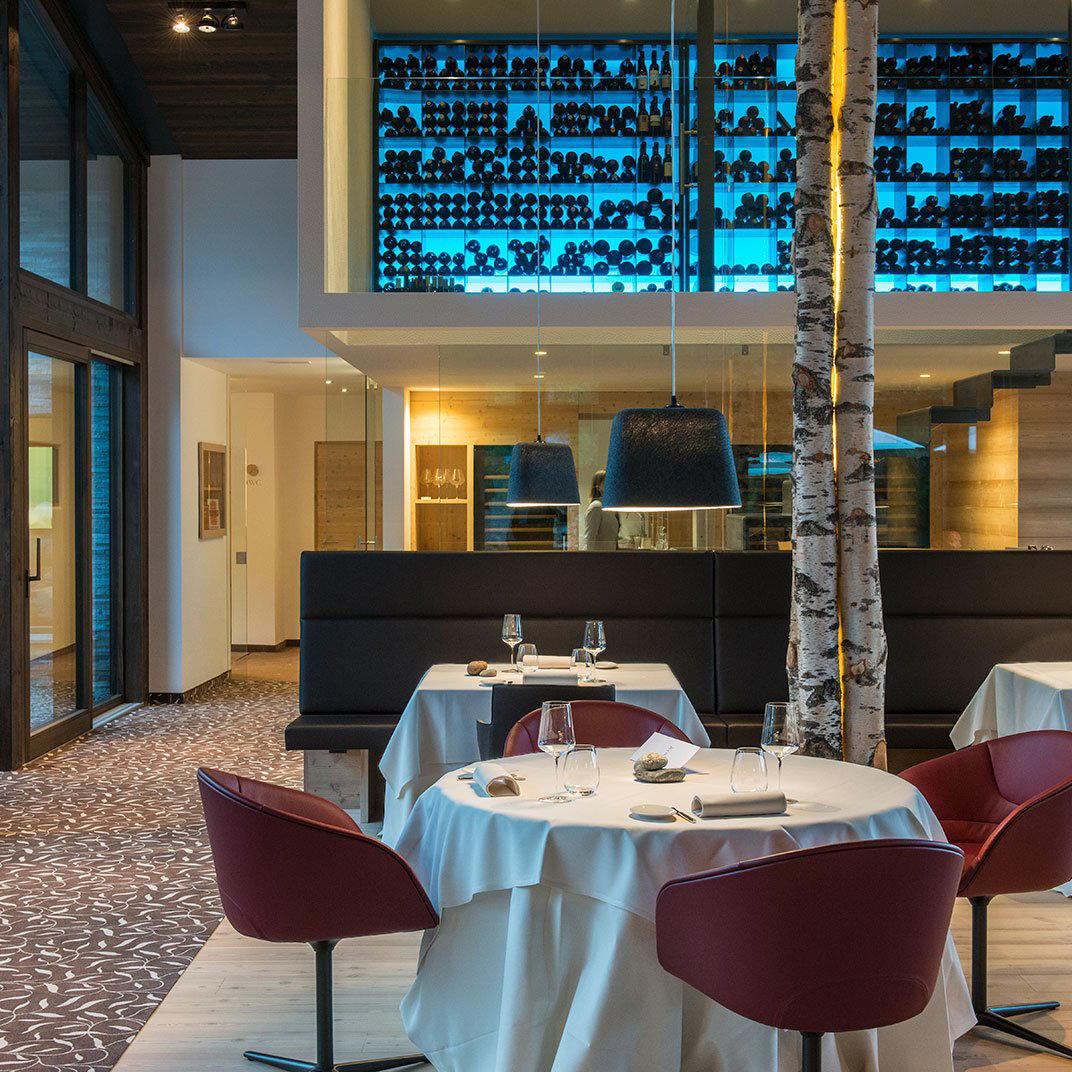
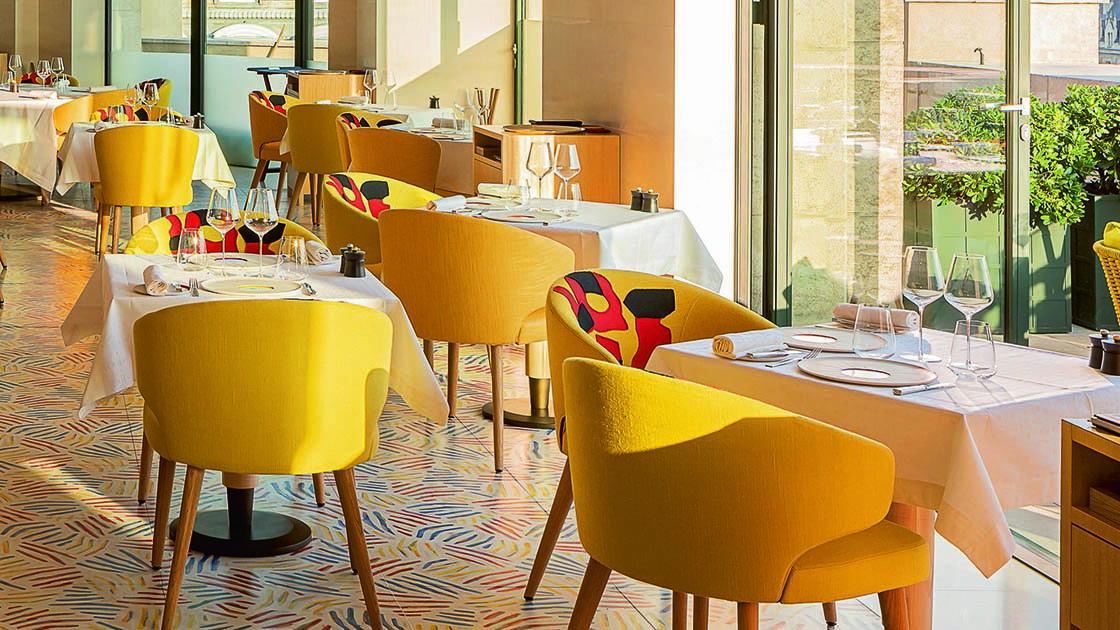
Restaurants in Villanders
Browse all →
Bars in Villanders
Browse all →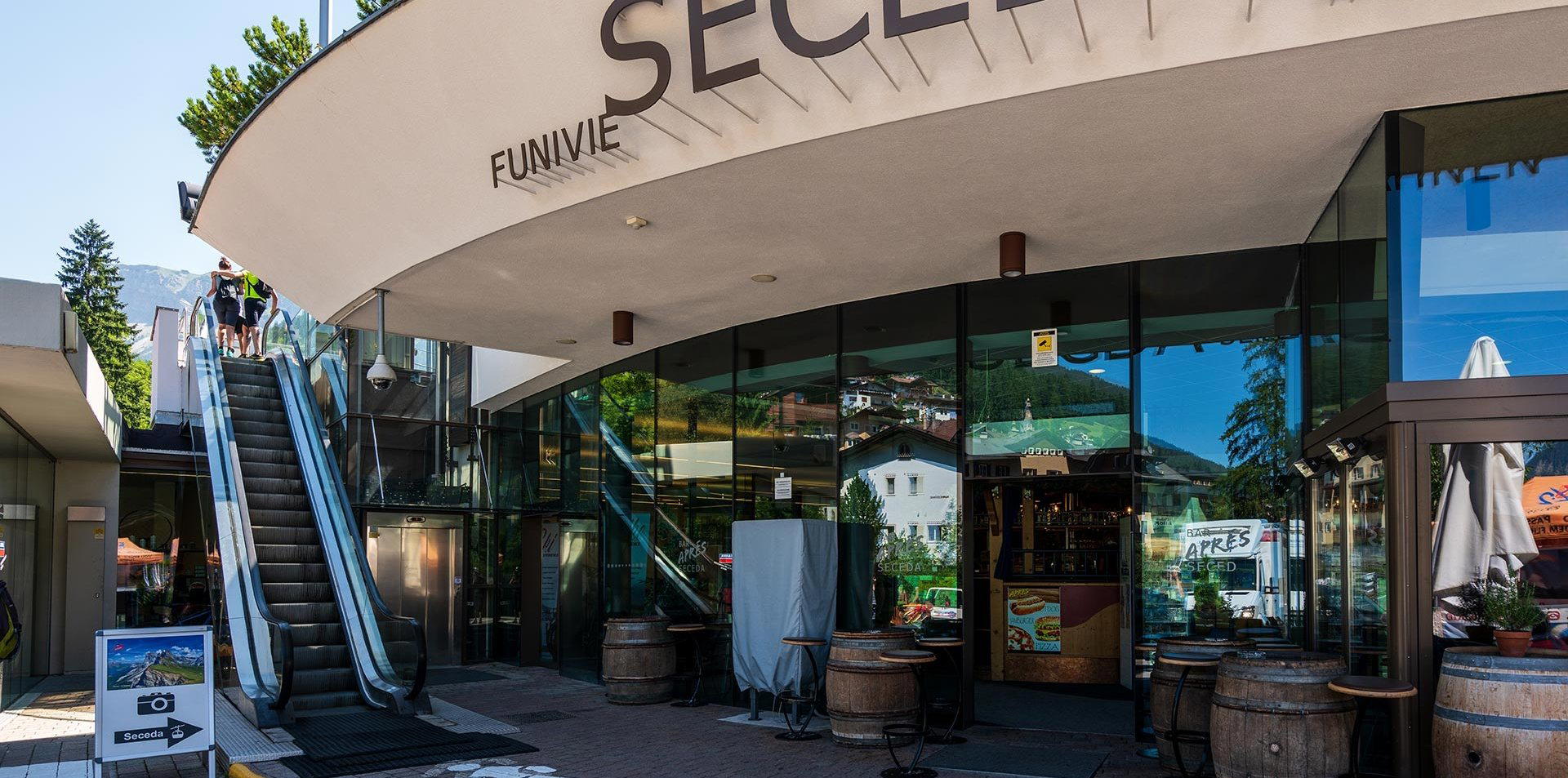
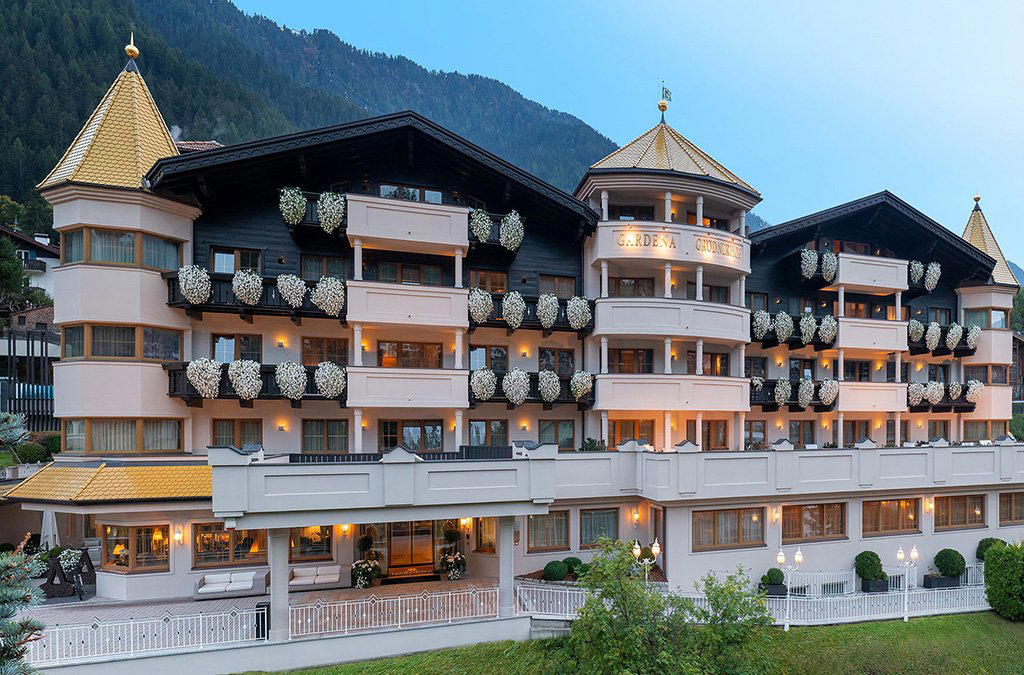
Hotels in Villanders
Browse all →
At a Glance
- Rustic
- Cozy
- Scenic
- Casual Hangout
- Family
- Natural Wine
- Local Sourcing
- Mountain
- Vineyard
Current opening hours
- Monday
- 8 AM–12 PM, 1:30–6 PM
- Tuesday
- 8 AM–12 PM, 1:30–6 PM
- Wednesday
- 8 AM–12 PM, 1:30–6 PM
- Thursday
- 8 AM–12 PM, 1:30–6 PM
- Friday
- 8 AM–12 PM, 1:30–6 PM
- Saturday
- 8 AM–12 PM
- Sunday
- Closed
Hours can change for holidays and private events. Last verified .
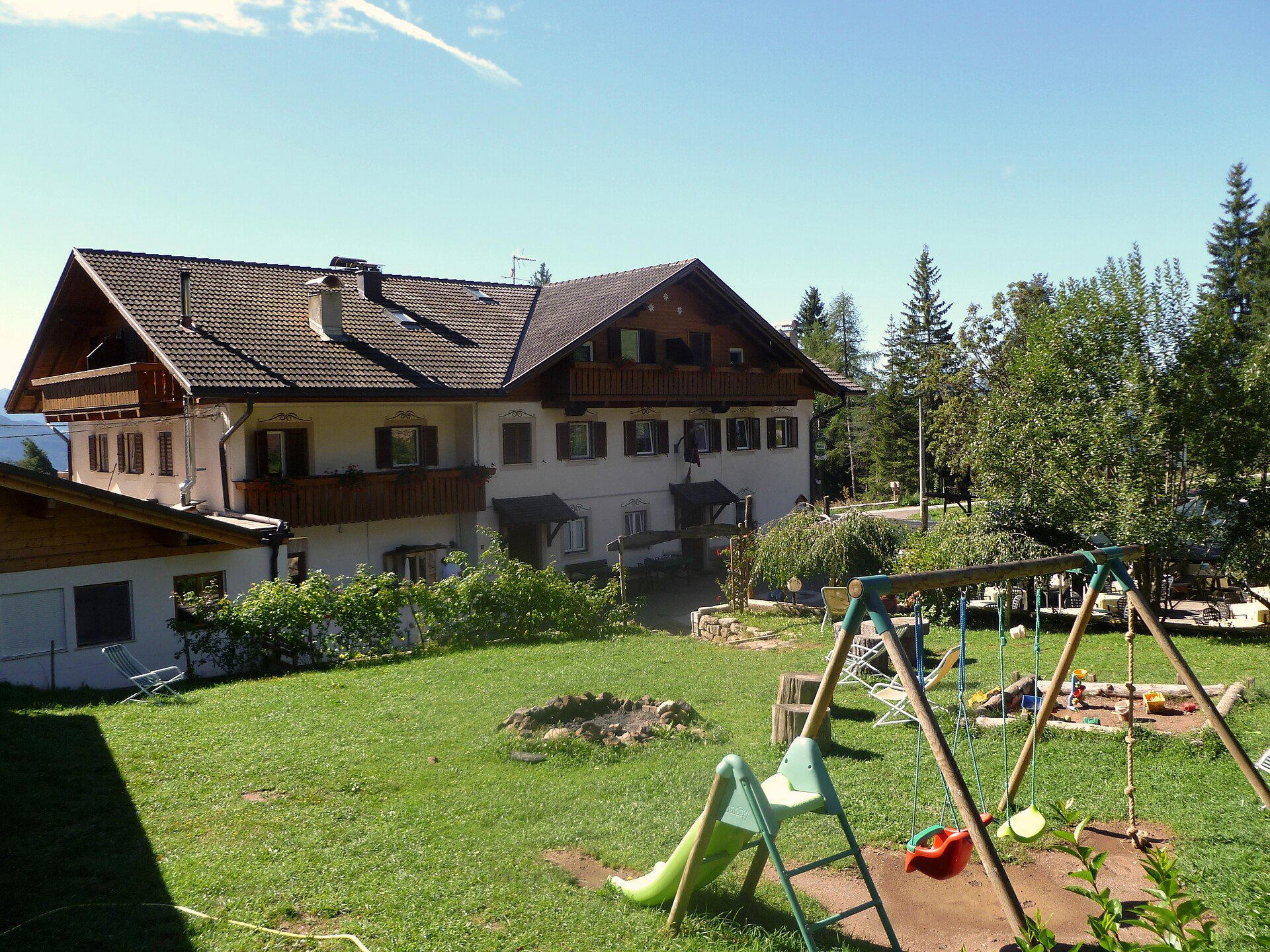
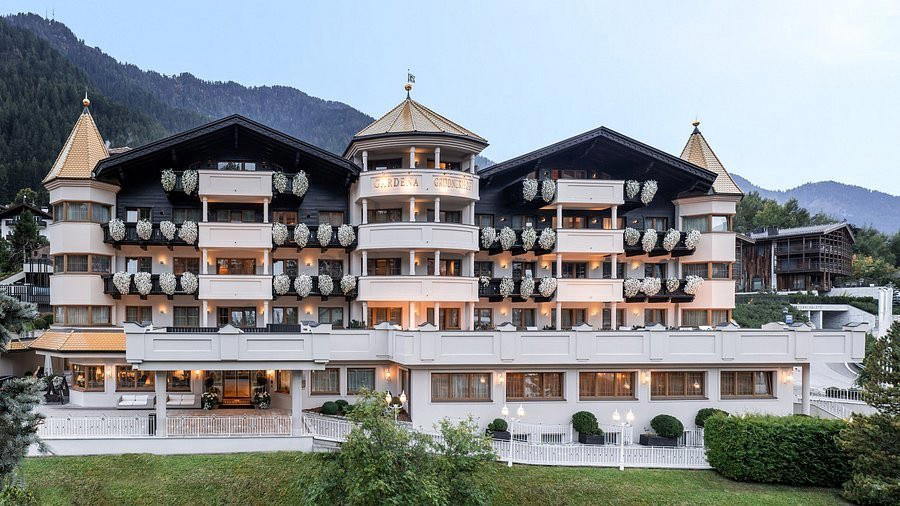
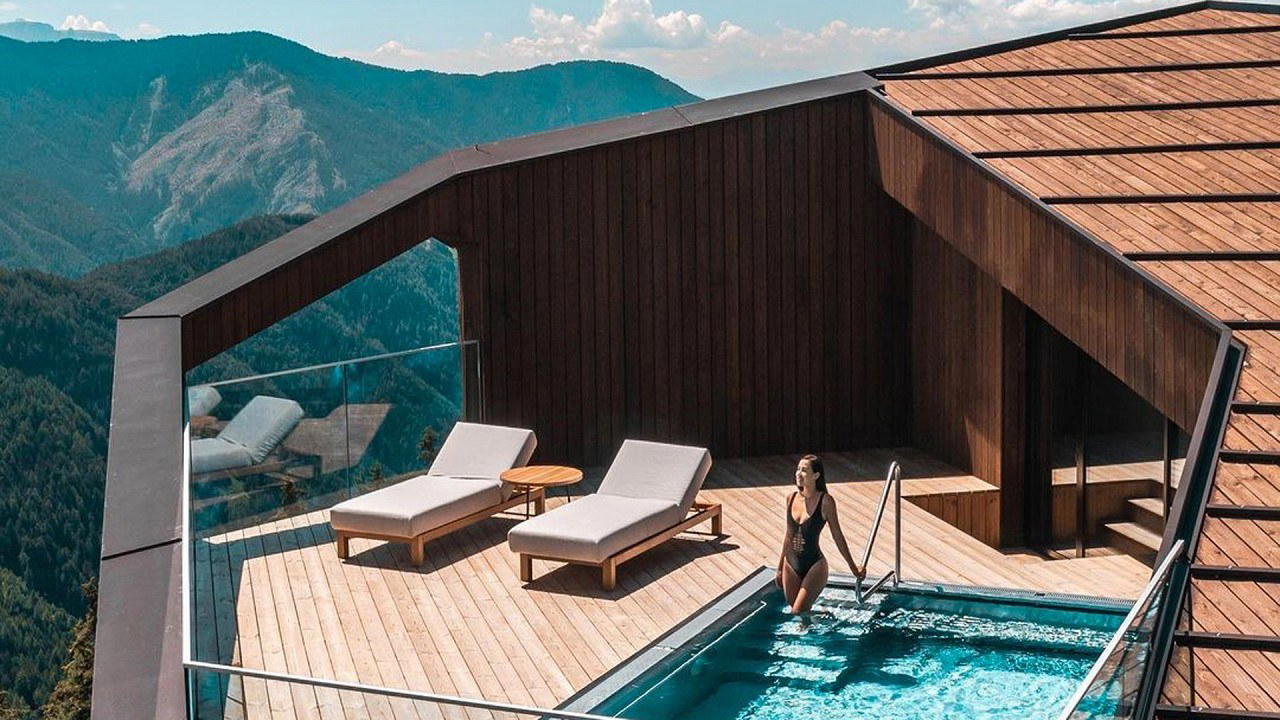
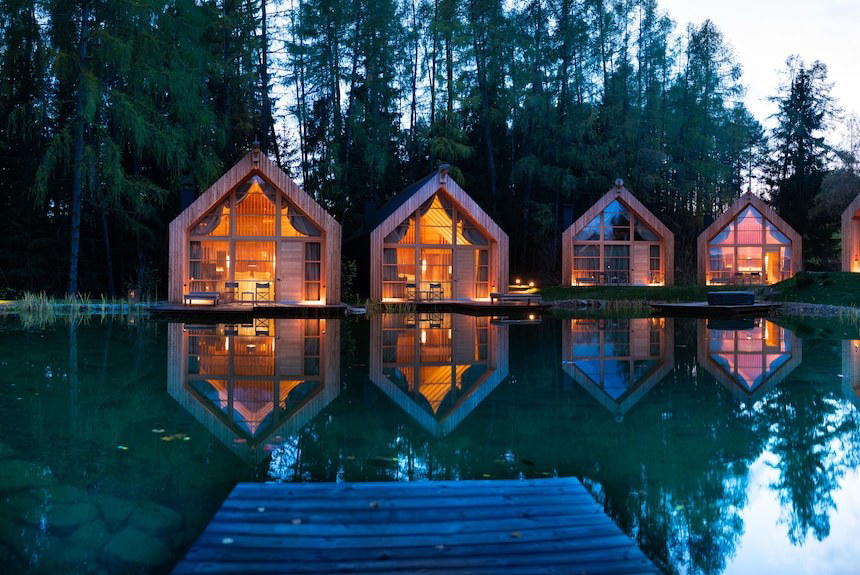
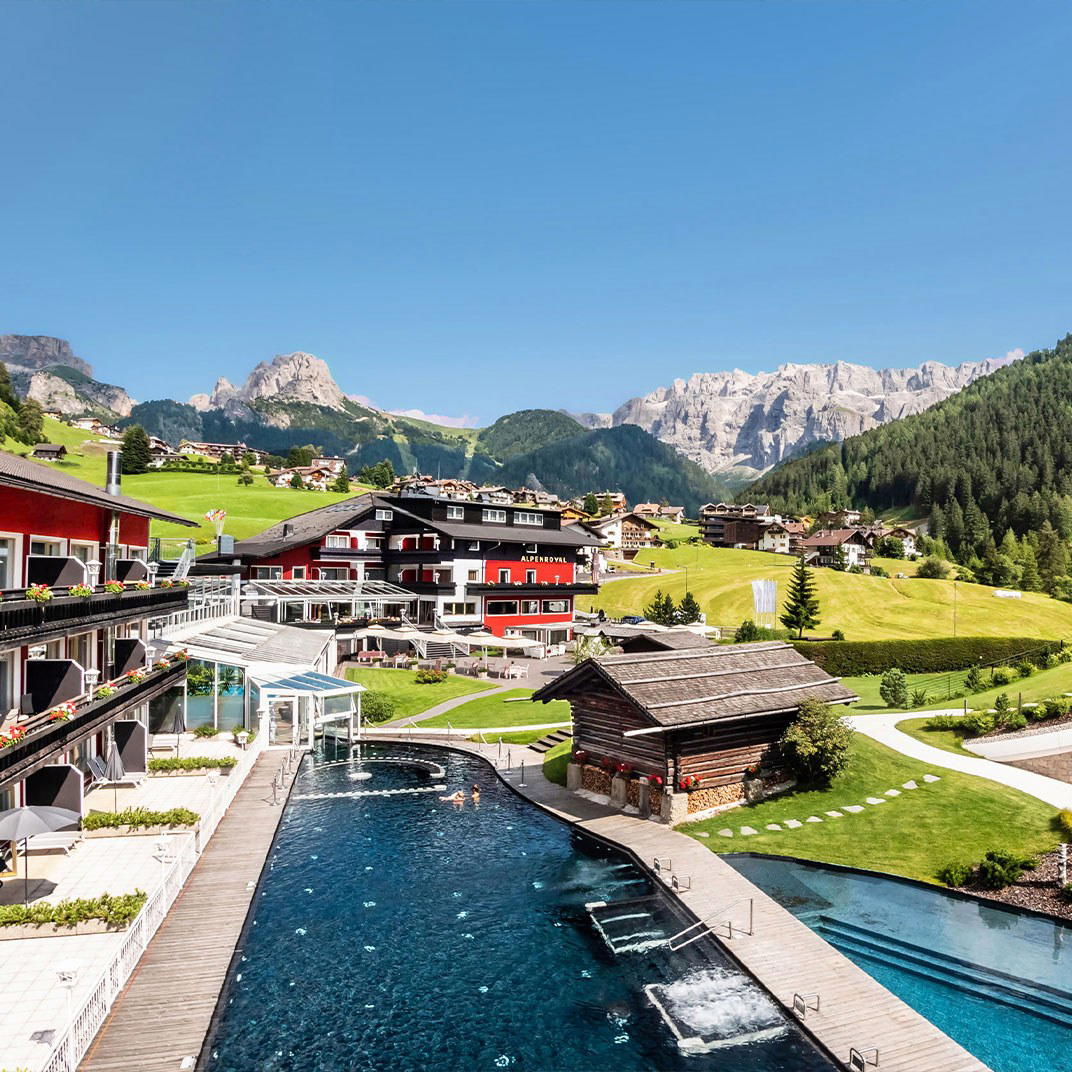
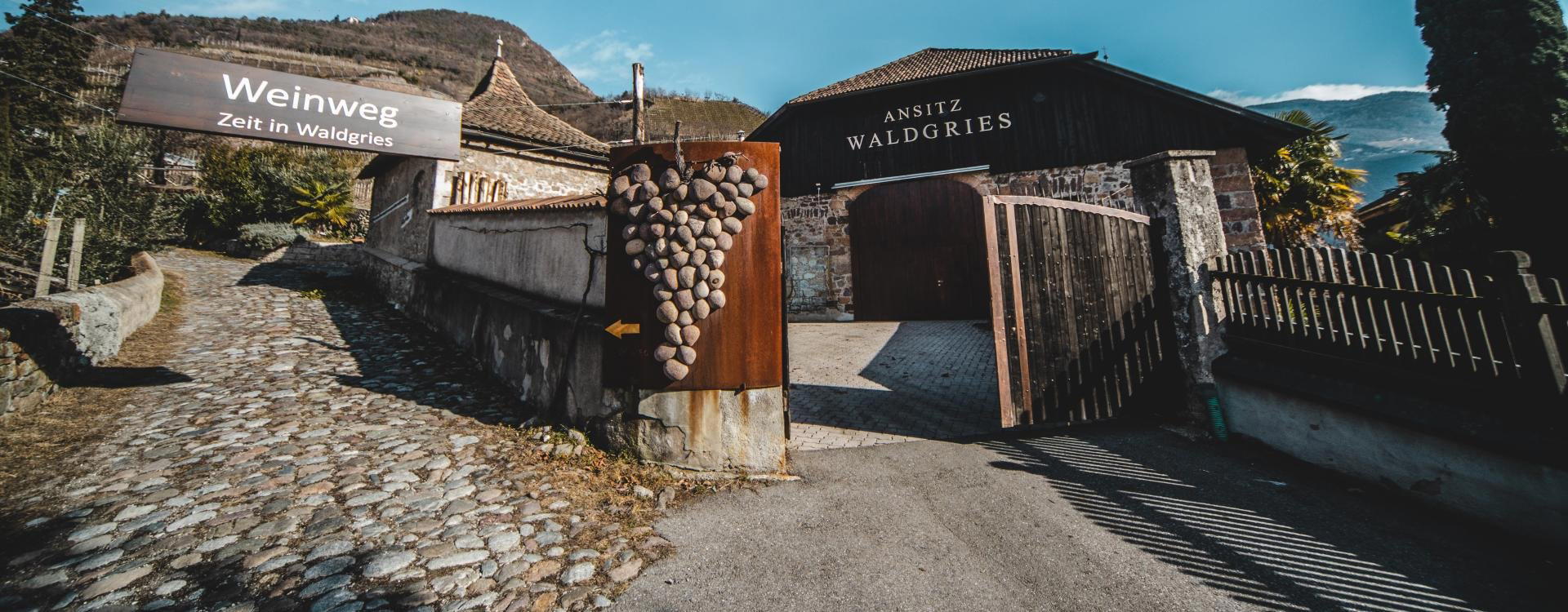
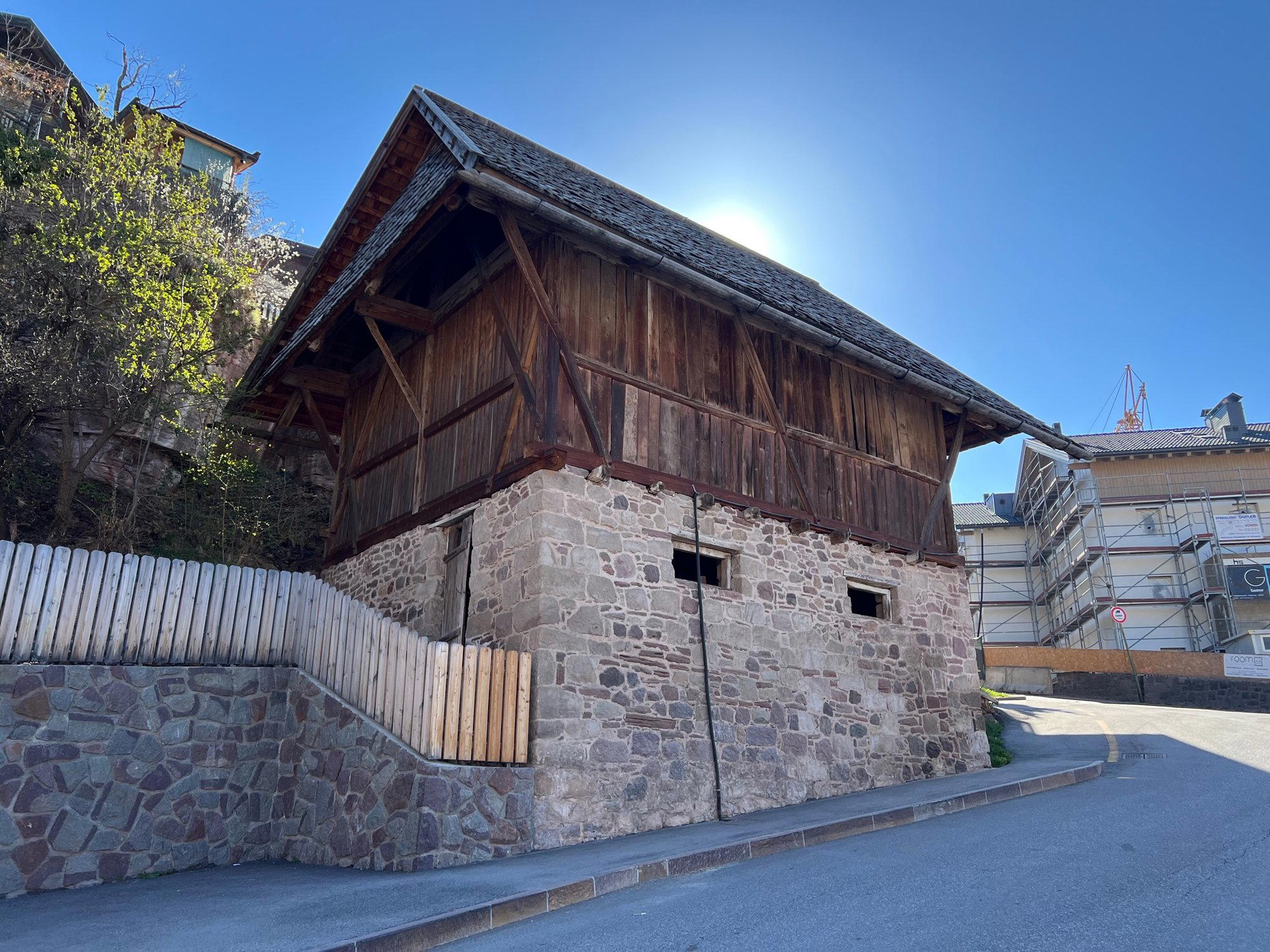
Rustic farmhouse atmosphere with traditional Tyrolean hospitality amid vineyards and mountains.