Pupuseria Primavera
Our verdict
A pupuseria on Concepción de Ataco's central avenue, Pupuseria Primavera works within one of El Salvador's most deeply rooted culinary traditions: the handmade pupusa. In a highland town built around artisan craft and weekend tourism, the format is direct and the setting casual. Visitors arriving from San Salvador or passing through the Ruta de Las Flores find it a reliable anchor for the national dish.

Pearl is the En Primeur Club membership app, where members save venues, book tables and use the concierge.
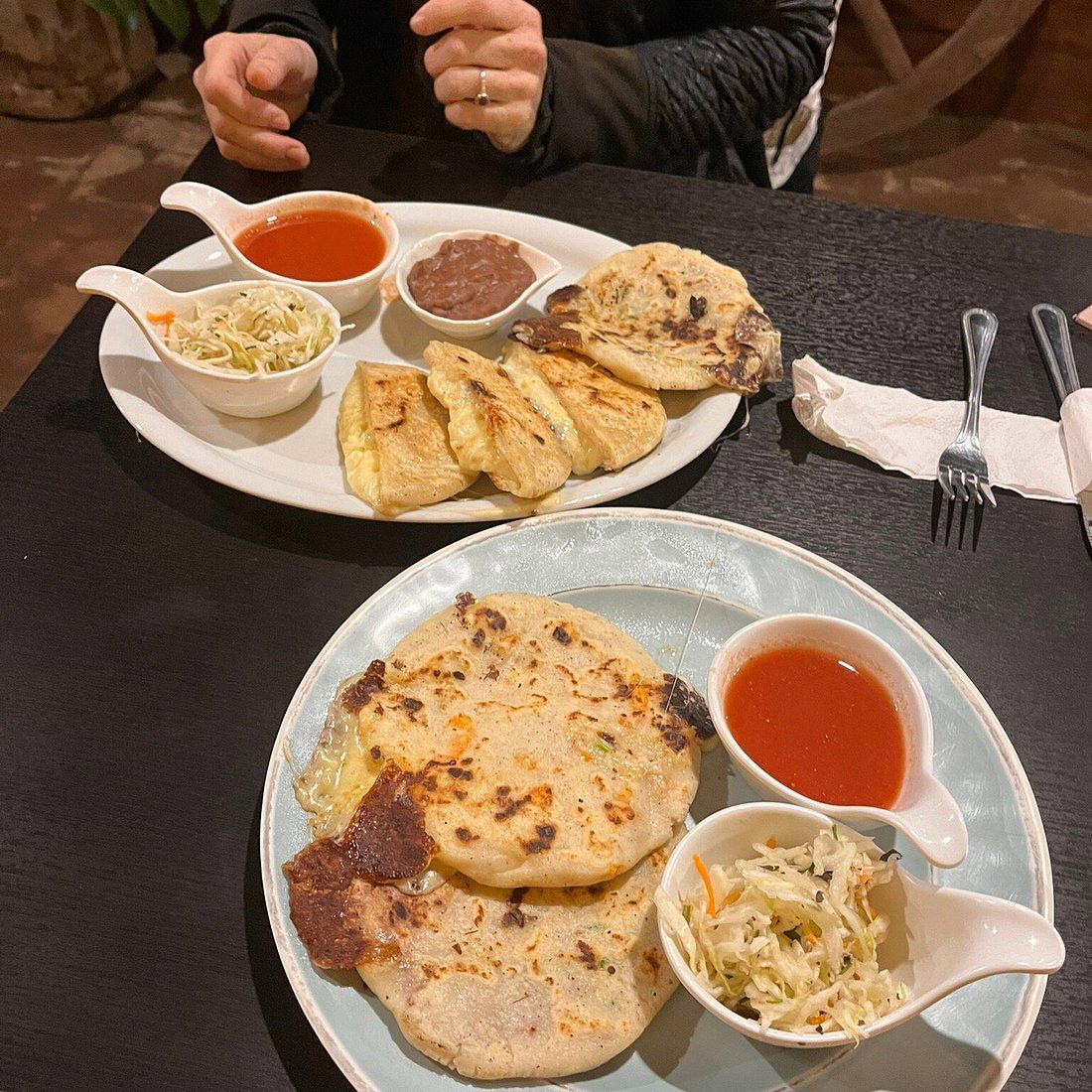
The menu
What to order
- Pupusas
The Pupusa in Context: El Salvador's Central Food Tradition
Few dishes in Central America carry as much cultural weight as the pupusa. Archaeologists have traced corn masa preparation in the region back over two thousand years, and the pupusa, a thick handmade corn or rice flour disc stuffed and sealed before being cooked on a comal, has been a daily staple of Salvadoran life long before the country formalized its national identity. In 2005, El Salvador declared November 13th National Pupusa Day, and the dish holds protected status as a cultural heritage food. To eat a pupusa in El Salvador is not to eat street food in a casual sense. It is to engage with a living archive of pre-Columbian and mestizo foodways that persists across every income level and every region of the country.
Concepción de Ataco, a colonial-era town in the Ahuachapán department of the Apaneca-Ilamatepec mountain range, sits at around 1,200 metres above sea level. The altitude shapes the town's character: cooler air than the coast, cobblestone streets lined with brightly painted facades, and a food culture oriented toward slow production rather than high-volume tourism infrastructure. The Ruta de Las Flores, the scenic route connecting several highland pueblos, brings weekend visitors from San Salvador and international tourists, but Ataco's dining scene has not scaled to match footfall the way lowland tourist towns often do. That restraint is partly what makes it an interesting place to eat.
Pupuseria Primavera: What the Format Signals
Pupuseria Primavera occupies a position on Avenida Central Sur, the central artery of Concepción de Ataco. In towns like Ataco, a pupuseria on a central avenue is a specific type of institution. It is not a concept restaurant or a tourist interpolation of a national dish. The format, by definition, is narrow: the menu is built around pupusas, and the prep is manual and continuous. Diners choose their fillings, watch the masa get pressed and sealed by hand, and eat off simple plates with curtido, the lightly fermented cabbage slaw that accompanies virtually every pupusa in the country, and a thin tomato salsa.
The range of fillings available at any given pupuseria typically signals the kitchen's orientation. Traditional options include chicharrón (ground pork), frijoles refritos (refried beans), queso (fresh cheese), and the ever-present revueltas, which combines all three. More contemporary or tourist-oriented pupeserías add loroco, a native Central American flower bud with a grassy, slightly nutty flavour, or jalapeño and ayote (squash) combinations.
In practical terms, the pupuseria format operates at a different register than the highland town's other dining options. La Raclette and Xochikalko both represent different approaches to Ataco's dining offer, with broader menus and different price assumptions. A pupuseria, by contrast, is almost always the lowest-price entry point in any Salvadoran town, and that accessibility is structural, not incidental. The dish was built to feed daily, not occasionally.
Ataco's Dining Scene and Where Pupuseria Primavera Fits
The dining context in Concepción de Ataco is compact. The town's restaurants cluster near the central park and along the main avenue, and the offer spans local comida típica, informal cafés, and a handful of places catering more directly to the weekend tourism market. For visitors tracing the Ruta de Las Flores from San Salvador, which takes roughly two to three hours by car depending on the route and stops, Ataco is often a lunch or late-afternoon destination before returning west or continuing north toward Suchitoto.
Elsewhere in El Salvador, the dining range is broader: Canada Bites in San Salvador and Las Brumas Grill and Cafe in Santa Tecla represent the urban end of the country's restaurant offer, while La Posada de Suchitlán in Suchitoto and Los Asaditos de Coatepeque in Coatepeque show how smaller colonial and lakeside towns have developed their own hospitality identities. Within this geography, Ataco's pupuseria offer anchors the traditional end of the spectrum, occupying a category that no amount of tasting-menu ambition at venues like Le Bernardin, Atomix, Alinea, or Alain Ducasse Louis XV can replicate, which is the continuity of a daily food tradition made by hand in the town where you are standing.
That is not a romantic argument for simplicity over refinement. It is an observation about what different formats are actually doing. A three-Michelin-star counter in Hong Kong, whether Amber or 8 1/2 Otto e Mezzo Bombana, operates within an entirely different logic than a Salvadoran pupuseria. The relevant comparison set for Pupuseria Primavera is not fine dining. It is the other pupeserías across Ahuachapán and Sonsonate, judged on the consistency of the masa texture, the generosity of the filling-to-dough ratio, and whether the comal gives the exterior an even, lightly charred crust without drying out the interior.
Planning Your Visit
Pupuseria Primavera is located on Avenida Central Sur in Concepción de Ataco, a walkable address from the town's central park. Ataco is most easily reached by private vehicle along the CA-8 highway from San Salvador, or by public bus with a change at Ahuachapán. The town sees its heaviest foot traffic on weekends, when the Ruta de Las Flores draws day-trippers from the capital. For a quieter visit with shorter waits, weekday mornings or early afternoons are the more practical window. Pricing at pupuserías in El Salvador is among the most accessible in the country's dining offer, typically placing the meal in the range of a few US dollars per person. Given that context, the format suits most budgets, including families travelling with children. For a broader picture of where this fits within the town's dining options, the full Concepción de Ataco restaurants guide covers the range of venues across the central area.
Frequently asked questions
Is Pupuseria Primavera child-friendly?
Pupuserías are among the most family-oriented dining formats in El Salvador, and Pupuseria Primavera on Avenida Central Sur in Concepción de Ataco fits that pattern. The food arrives quickly, the format is informal, and pupusas are accessible to young eaters. Ataco's walkable, compact town centre makes the logistics of a family visit straightforward.
Is Pupuseria Primavera formal or casual?
Casual, without qualification. Pupuserías sit at the informal end of El Salvador's dining register by design, and Concepción de Ataco, a highland town built around pedestrian streets and a central park, reinforces that register. Pupuseria Primavera's address on Avenida Central Sur places it in the everyday rhythm of the town, not the tourist-facing restaurant tier.
What is Pupuseria Primavera's role in Concepción de Ataco's dining scene?
In Ataco, several restaurants have shifted toward broader menus oriented around the town's tourism trade along the Ruta de las Flores. A dedicated pupuseria on Avenida Central Sur holds a different position: it maintains focus on El Salvador's foundational corn masa tradition rather than diversifying toward international or fusion formats. That specialisation makes it a reference point for the local food format in a town where the dining offer has otherwise expanded considerably.
What do people recommend at Pupuseria Primavera?
No verified menu documentation exists so specific dish recommendations can change here. As a pupuseria in El Salvador, the core offer will centre on corn masa pupusas with fillings such as chicharrón, queso, or frijoles, accompanied by curtido and salsa roja, the standard set that defines the format nationally. For current availability, visiting Avenida Central Sur in Concepción de Ataco directly is the most reliable approach. Check the venue's official channels for the latest details.
Pricing, Compared
Comparable venues nearby, for context on price, style, and recognition.
| Venue | Cuisine | Price | Notes |
|---|---|---|---|
| Pupuseria PrimaveraThis venue (the venue you are viewing) | Salvadoran Pupusería | Not listed | Not listed |
| La Raclette | Central American Raclette & Fondue | $10–20 | Concepcion de Ataco, Central American Raclette & Fondue |
| Xochikalko | Traditional Salvadoran | Not listed | Concepcion de Ataco, Traditional Salvadoran |
| Restaurante La Fonda el Mirador | Traditional Salvadoran | Not listed | Suchitoto, Traditional Salvadoran |
| Canada Bites | Canadian Burgers | $10–20 | Escalón, Canadian Burgers |
| Los Asaditos de Coatepeque | Salvadoran Asados & Seafood | $10–20 | El Congo, Salvadoran Asados & Seafood |
Continue exploring
More in Concepcion De Ataco
Restaurants in Concepcion De Ataco
All restaurants in Concepcion De Ataco →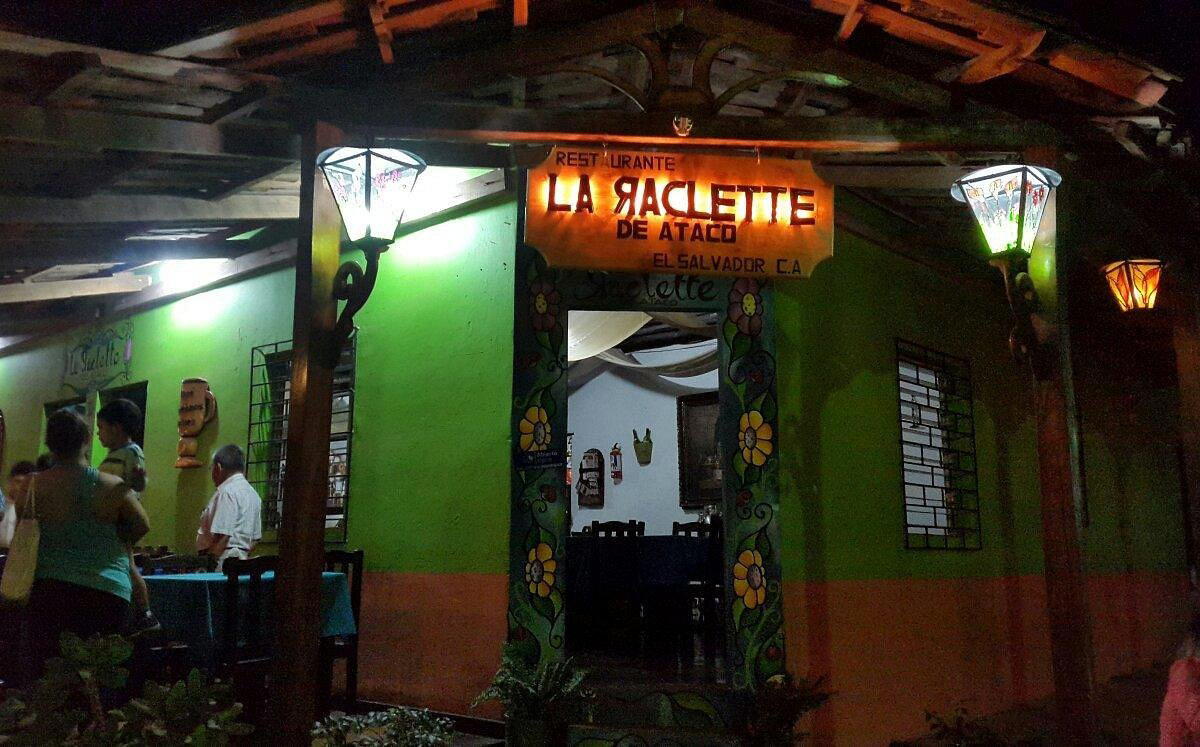
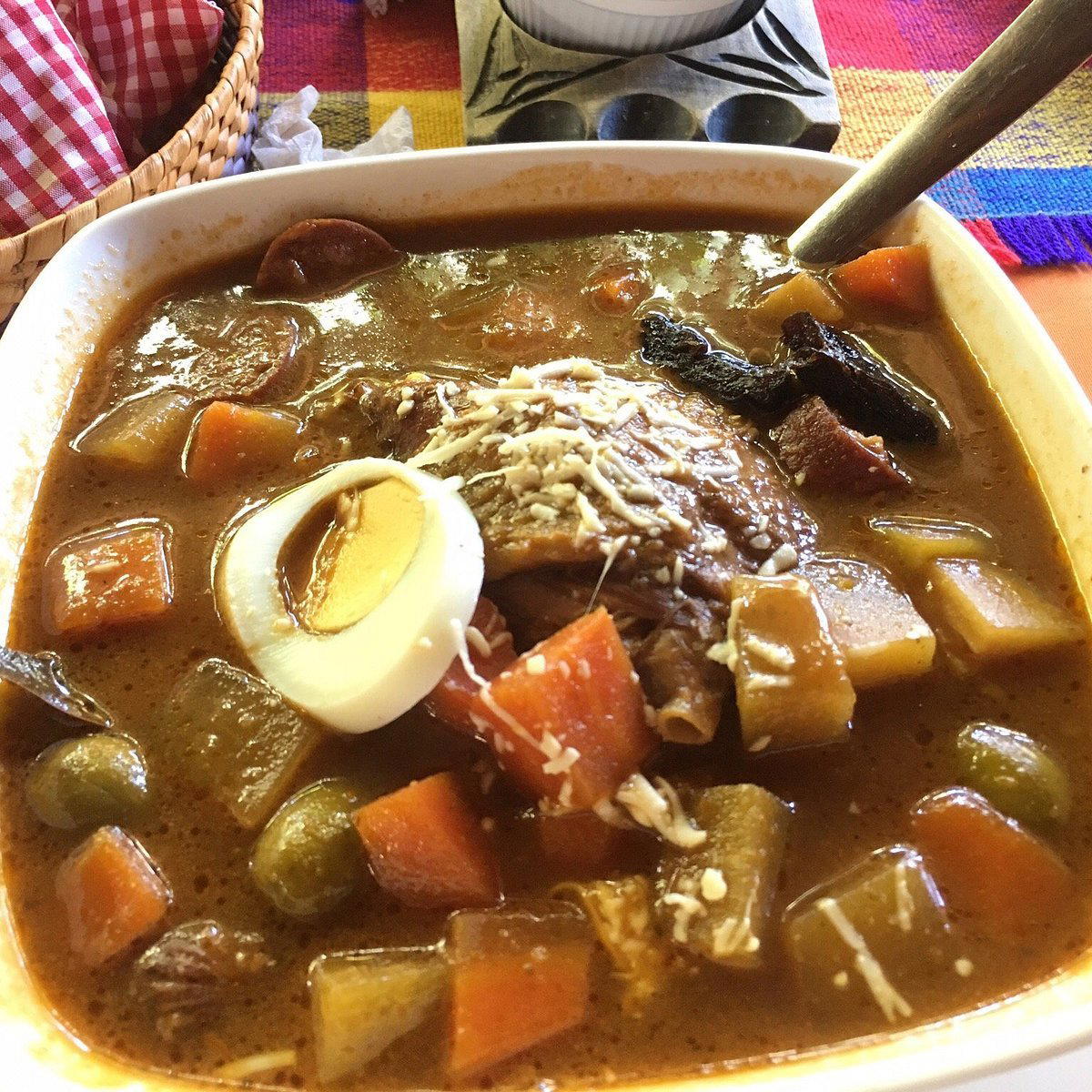
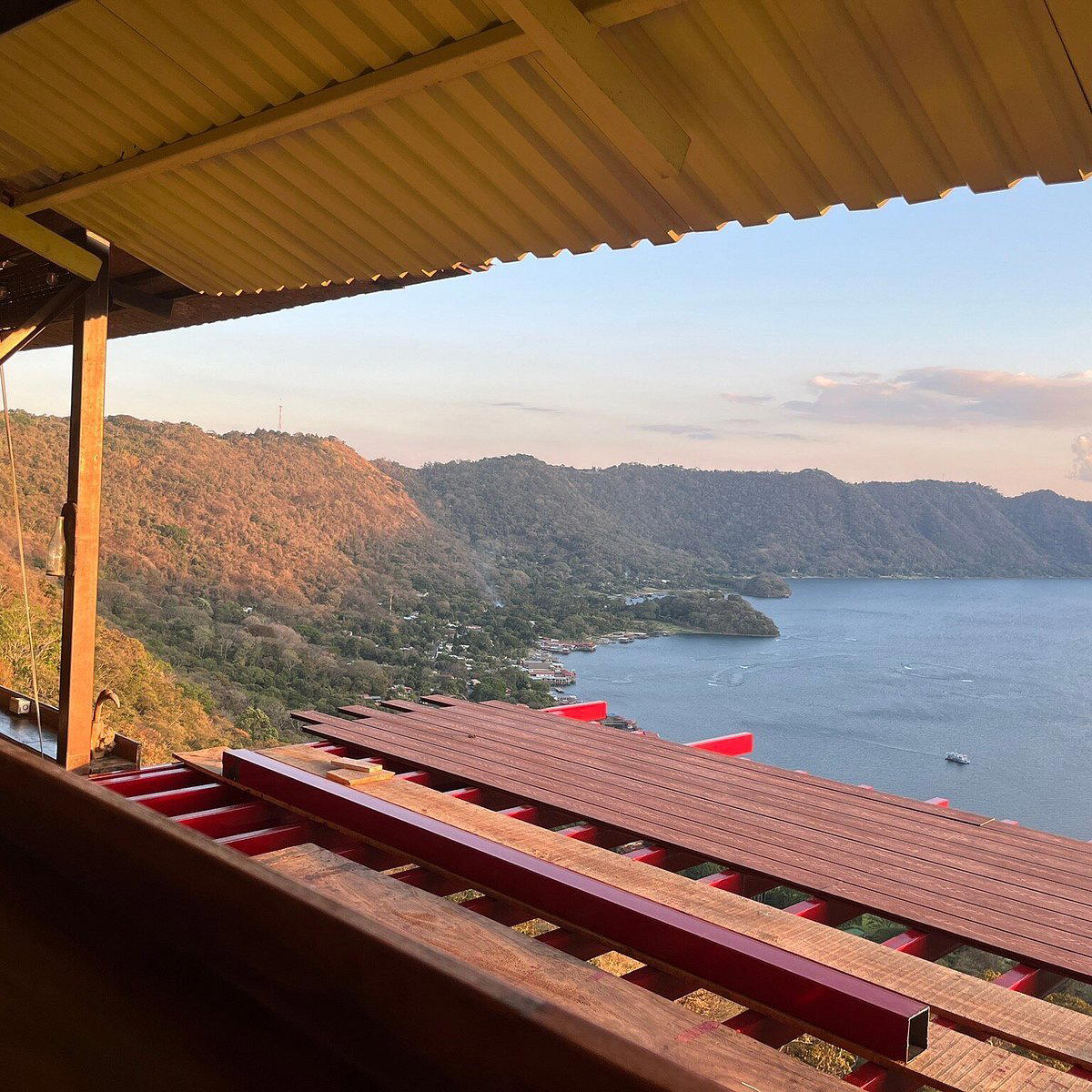
Hotels in Concepcion De Ataco
Browse all →
Details
- Rustic
- Casual Hangout
- A La Carte
Current opening hours
- Monday
- 5–10 PM
- Tuesday
- 5–10 PM
- Wednesday
- 5–10 PM
- Thursday
- 5–10 PM
- Friday
- 5–10 PM
- Saturday
- 2–10:30 PM
- Sunday
- 8 AM–10:30 PM
Hours can change for holidays and private events. Hours as of .
Casual local eatery atmosphere.