Xochikalko
Our verdict
Xochikalko sits in Concepción de Ataco, one of El Salvador's most visited Ruta de las Flores towns, where the cooking tradition draws on indigenous Nahua roots and highland produce. The restaurant's name references the pre-Columbian city of Xochicalco, signalling a deliberate connection to Mesoamerican culinary heritage. For travellers moving through western El Salvador's coffee-growing highlands, it represents a locally grounded dining stop in a town better known for its artisan craft markets.

Pearl is the En Primeur Club membership app, where members save venues, book tables and use the concierge.
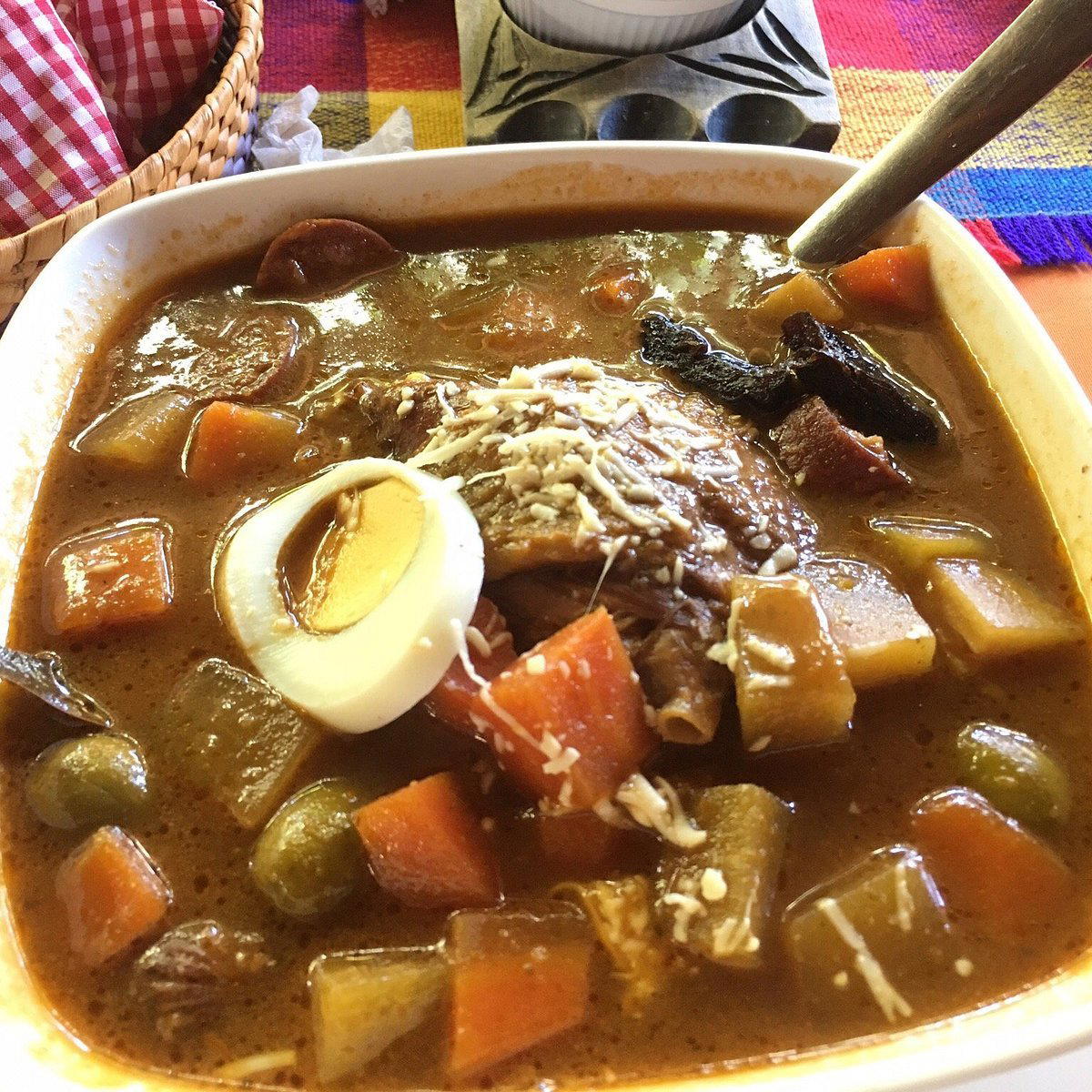
The menu
What to order
- Gallo en chicha
- Parrillada de carne
Where the Meal Follows the Ritual
Concepción de Ataco sits at roughly 1,200 metres above sea level in the Apaneca-Ilamatepec mountain range, a stretch of western El Salvador where the air carries the scent of coffee trees and the afternoons cool quickly after the highland rains. The town draws visitors along the Ruta de las Flores, a circuit connecting several colonial-era pueblos whose economies now balance artisan craft production, weekend tourism from San Salvador, and a food culture rooted in the corn, bean, and chili agriculture that has defined the region for centuries. In that context, a restaurant named after the ancient Mesoamerican city of Xochicalco, a centre of astronomical knowledge and cultural synthesis, carries an implicit argument: that eating here is not incidental to the visit but continuous with the deeper history of the place.
Across El Salvador, and particularly in the western highlands, the structure of a meal still reflects patterns that predate colonisation. Corn is not a side note; it is the architectural material of the table. Masa-based preparations, fermented drinks, and chile-forward sauces represent a culinary grammar that sophisticated operators in Ataco are increasingly choosing to speak directly rather than translate into something more recognisable to international visitors. Xochikalko positions itself within that choice. The name alone signals a cultural alignment that separates it from more generalist offerings in the same town.
The Pacing of the Ataco Table
The dining ritual in highland El Salvador towns like Ataco has its own internal logic. Meals tend to begin with something warm and corn-based, a tamale, a thick drink of masa and cacao, or the kind of soup that a highland morning demands, and move into heavier preparations as the table settles. This is not the European sequence of aperitif, entrée, and dessert mapped onto local ingredients; it is a different structural inheritance, where the meal's rhythm is set by what the land produces in sequence across the day and the year.
In a town where Pupuseria Primavera represents the accessible, high-turnover end of the corn-based tradition, and La Raclette occupies a European-leaning niche that serves a different visitor segment entirely, Xochikalko occupies intermediate ground with a stronger claim on pre-Columbian reference. That positioning is both a culinary and a commercial distinction: visitors who have spent a morning in the craft market and want a meal that extends rather than interrupts the cultural register of the day are a specific, identifiable audience.
This kind of deliberate cultural framing is not unique to Ataco. Across Latin America, restaurants in heritage tourism towns have moved away from generic regional menus toward more explicitly rooted programming, partly in response to traveller appetite for authenticity and partly because the culinary assets, endemic chiles, heirloom corn varieties, traditional preparation techniques, are genuinely competitive with anything imported. El Salvador's western highlands have the raw material for that argument: the Apaneca range supports coffee cultivation that reaches specialty grades, and the surrounding agricultural land produces ingredients with terroir claims as specific as those made by wine regions. A restaurant that takes those inputs seriously is building on a defensible foundation.
Ataco in the Wider Salvadoran Dining Picture
Travellers arriving from San Salvador, where operations like Canada Bites represent the capital's more international register, will find Ataco's food scene operating on a different scale and with different priorities. The town is not trying to compete with urban fine dining; it is serving a visitor economy that moves at weekend pace, with meals that are often the anchor activity of a day rather than a prelude or conclusion to something else.
The comparison that matters most for Xochikalko is not with Michelin-tracked rooms like Le Bernardin in New York or Alain Ducasse at Louis XV in Monte Carlo, or with tasting-menu operations like Alinea in Chicago or Atomix in New York. Those rooms operate in an entirely separate competitive and economic register. The more instructive parallel is with heritage-town dining across Central America: places like La Posada de Suchitlán in Suchitoto, which similarly anchors its offer in local cultural identity within a colonial townscape. In that peer group, the question is whether the food programme is serious enough to warrant the cultural claims the name makes, whether the corn preparations, the sauce technique, and the ingredient sourcing reflect genuine depth or are simply decor.
Further along the Ruta de las Flores circuit, other towns offer their own versions of this calculation. Operations such as Los Asaditos de Coatepeque in Coatepeque and Las Brumas Grill and Cafe in Santa Tecla represent the range of registers available across western El Salvador, from grilled-meat simplicity to cafe-style hybrid menus. Xochikalko's pre-Columbian naming positions it as something with more explicit cultural ambition than either of those modes.
Planning a Visit
Concepción de Ataco is most easily reached from San Salvador by road, roughly two hours west through the Sonsonete highway toward Ahuachapán. Weekend visits align with the town's market rhythm and the fuller opening hours that the craft and food businesses operate during high footfall days; weekday visits are quieter and, for some travellers, more considered. The Ruta de las Flores towns are compact enough to cover on foot once parked, and Ataco in particular is navigable in an afternoon. Our full Concepción de Ataco restaurants guide covers the broader dining picture for travellers planning time in the region.
Frequently asked questions
What makes Xochikalko worth visiting specifically in Concepción de Ataco rather than eating in San Salvador?
Concepción de Ataco sits at approximately 1,200 metres in the Apaneca-Ilamatepec range, a growing region with a distinct microclimate that shapes local produce and cooking traditions in ways San Salvador's urban restaurants rarely replicate. Venues in this highland corridor operate closer to the agricultural source, coffee farms, subsistence plots, local millers, which changes what ends up on the plate. For anyone tracing authentic highland Salvadoran food culture, the two-hour drive from the capital is the point, not an obstacle.
What's the signature dish at Xochikalko?
That said, restaurants in Concepción de Ataco typically anchor their menus in corn-based preparations, tamales, pupusas, and slow-cooked stews, reflecting the highland agricultural traditions of the Apaneca-Ilamatepec range. Expect the kitchen's identity to follow that regional logic.
What's the best way to book Xochikalko?
No booking platform, phone number, or website is currently listed for Xochikalko. For venues in Concepción de Ataco, arriving in person or asking your accommodation to make a local inquiry tends to be the most reliable approach, particularly on weekend market days when foot traffic is highest.
What do critics highlight about Xochikalko?
In the broader Ataco dining scene, restaurants that draw editorial attention typically do so through a commitment to local sourcing and traditional technique rather than fine-dining spectacle. Whether Xochikalko fits that profile warrants firsthand investigation.
Is Xochikalko allergy-friendly?
No allergy or dietary information is publicly documented for Xochikalko. Highland Salvadoran kitchens rely heavily on corn, beans, and lard-based preparations, so those avoiding gluten have natural options while dairy and nut sensitivities require direct confirmation with the kitchen before visiting.
Should I splurge on Xochikalko?
No pricing data is currently available for Xochikalko. Dining in Concepción de Ataco generally sits at the affordable end of the spectrum by regional standards, meaning the question of splurging is less about cost and more about whether the setting, at 1,200 metres in the Apaneca-Ilamatepec range, justifies the two-hour drive from San Salvador. For most visitors making the Ruta de Las Flores circuit, a meal stop in Ataco is already factored into the day.
When is the best time to visit Xochikalko?
Concepción de Ataco draws the most visitors on weekends, when the town's artisan market and café culture are fully active. The dry season, roughly November through April, keeps the mountain roads clear and the town's colonial streetscapes at their most accessible. Midweek visits tend to be quieter, which can work in your favour if the restaurant operates with limited covers.
Category Peers
Comparable venues nearby, for context on price, style, and recognition.
| Venue | Cuisine | Price | Notes |
|---|---|---|---|
| XochikalkoThis venue (the venue you are viewing) | Traditional Salvadoran | Not listed | Not listed |
| La Raclette | Central American Raclette & Fondue | $10–20 | Concepcion de Ataco |
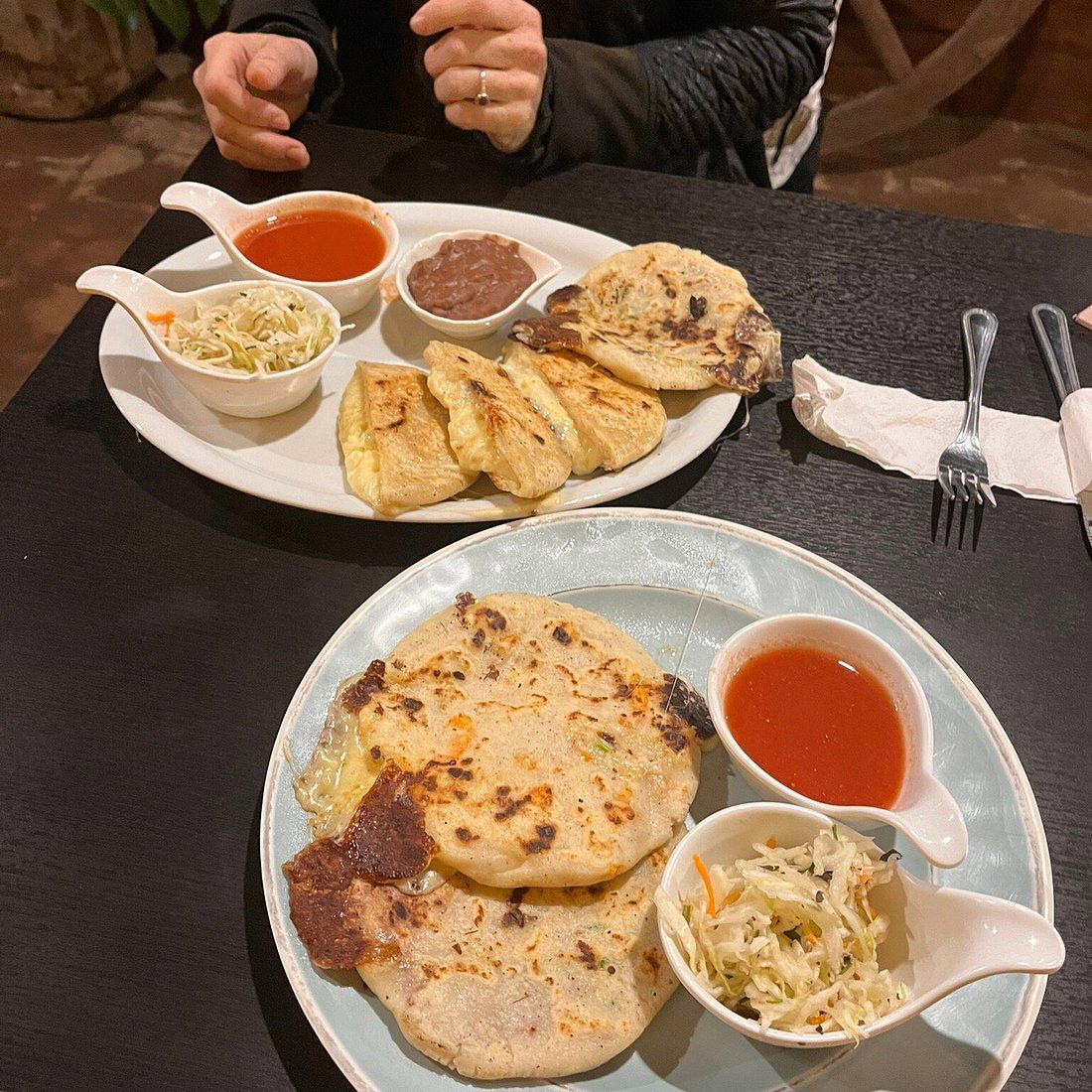
| Pupuseria Primavera | Salvadoran Pupusería | Not listed | Barrio El Ángel |
| Los Asaditos de Coatepeque | Salvadoran Asados & Seafood | $10–20 | El Congo |
| La Hola Beto's | Salvadoran Seafood | $10–20 | Zona Rosa |
| Las Brumas Grill & Cafe | Salvadoran Grill with Local Specialties | $10–20 | Álvarez |
Continue exploring
More in Concepcion De Ataco
Restaurants in Concepcion De Ataco
All restaurants in Concepcion De Ataco →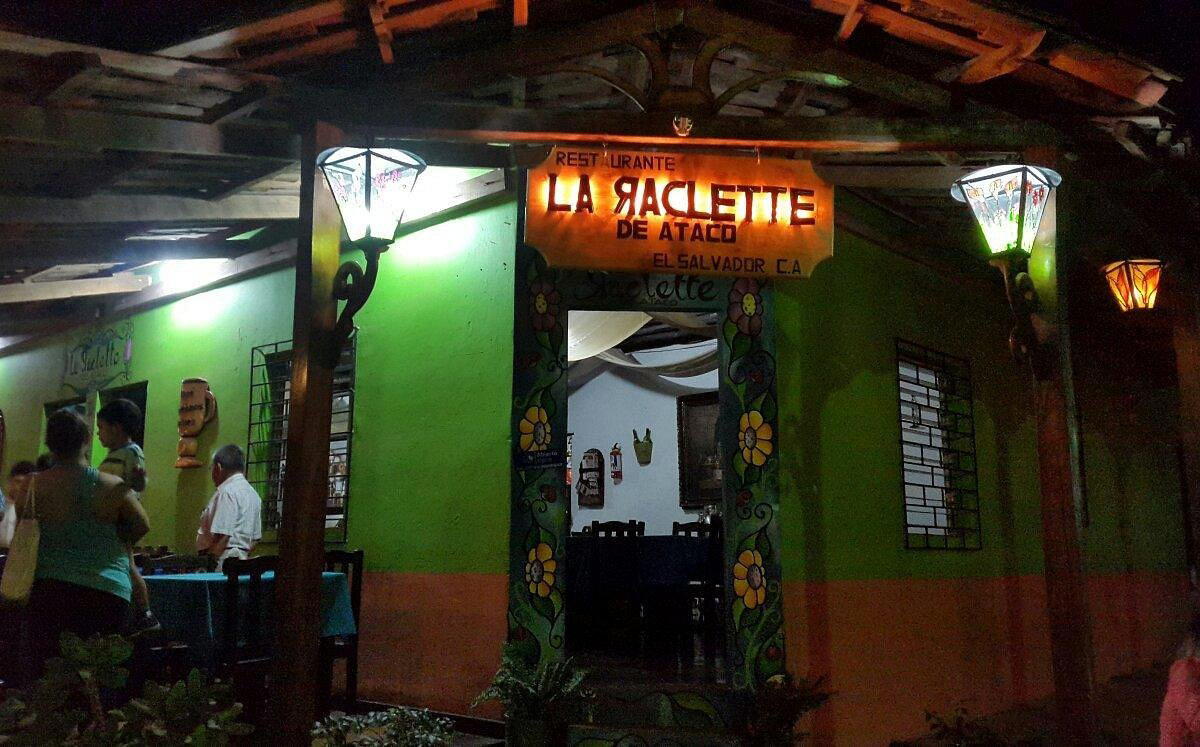
Hotels in Concepcion De Ataco
Browse all →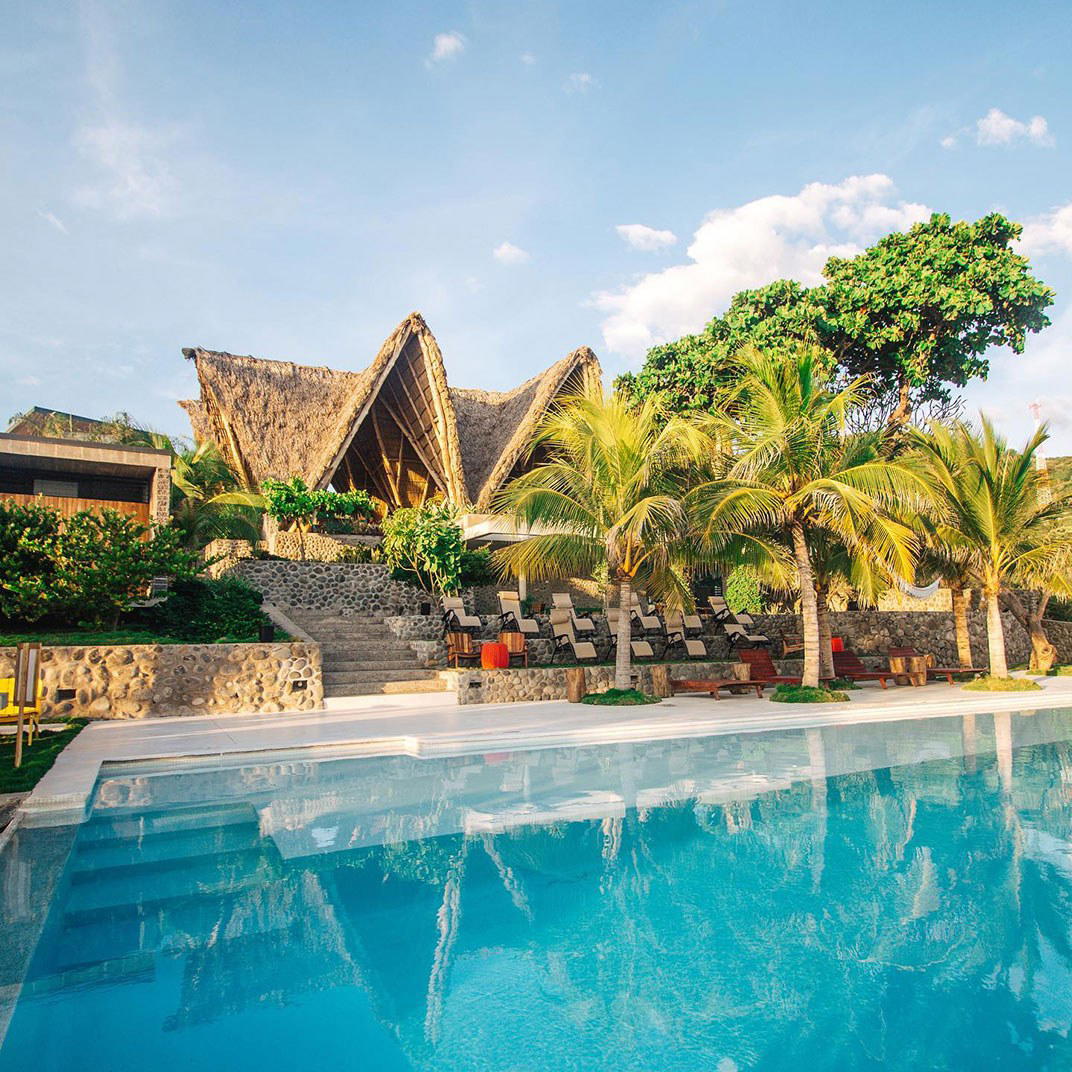
Details
- Rustic
- Cozy
- Scenic
- Family
- Casual Hangout
- Group Dining
- Garden
- Terrace
- Garden
- A La Carte
- Vegetarian Friendly
Tranquil garden patio filled with plants and flowers, creating a relaxed campestre atmosphere with modulated live music.