Prelude at McCaw Hall
Prelude at McCaw Hall serves Contemporary American in a historic building, with Crispy Duck, a leisurely pace, and an extensive wine list for dinner or brunch.
Pearl is the En Primeur Club membership app — saves, bookings, and concierge access live there. Same editors, same standards.
- Address
- 321 Mercer St, Seattle, WA 98109
- Phone
- +12066150404
- Website
- mccawhall.com
- Directions
- Get directions
 Saves & bookings on Pearl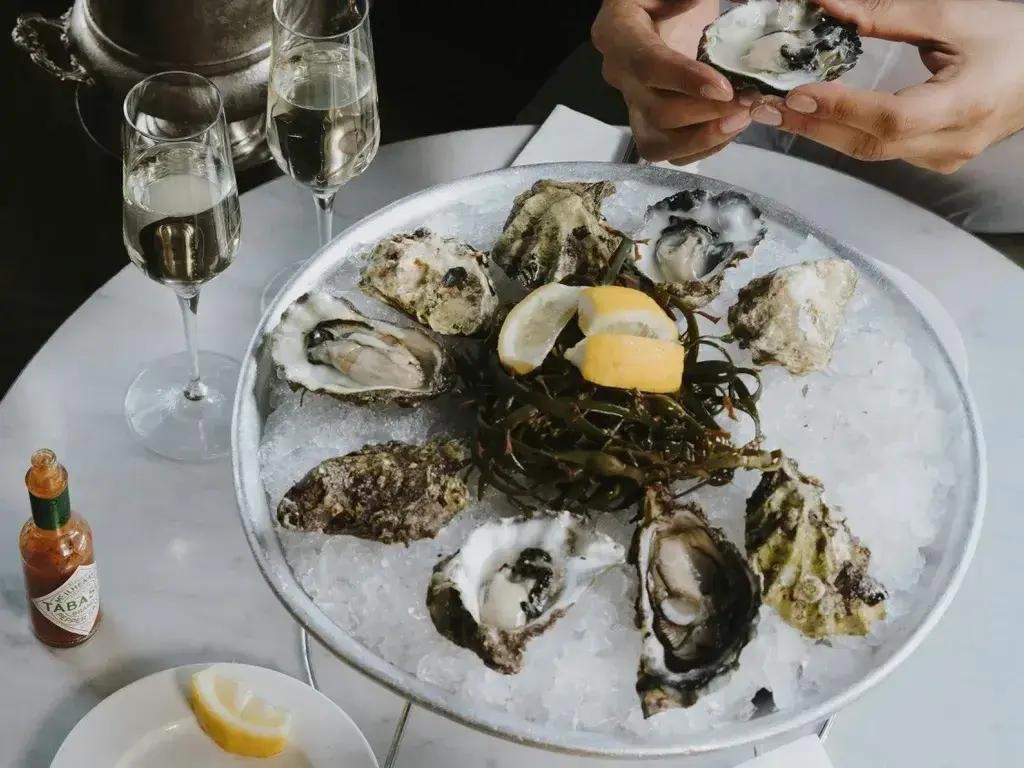
Arts District Dining Before the Curtain Rises
Seattle Center's culinary identity has long been shaped by proximity rather than ambition. Restaurants in the orbit of McCaw Hall and the broader campus have traditionally served a captive audience: theatergoers with a fixed clock and little reason to wander. Prelude at McCaw Hall is a contemporary American restaurant at 321 Mercer St, Seattle, WA 98109, with. The questions worth asking about any venue in this category are the same ones that define serious dining city-wide: where does the food come from, and does the kitchen treat that sourcing as evidence or ornament?
Seattle's position in the Pacific Northwest gives any serious kitchen an unusually dense local supply chain to work with. The region produces Dungeness crab, geoduck, Yakima Valley produce, and mushrooms foraged from Cascade foothills slopes within a few hours' drive of the city. Restaurants that take that geography seriously, from Canlis (New American) on the hillside above Lake Union to Joule (New Asian) in Wallingford, build menus that read as a direct argument for the region's larder. The question for any pre-performance venue is whether the kitchen operates at that standard or falls back on a safer model that arts-adjacent dining often defaults to.
Where the Ingredient Conversation Starts in Seattle
The Pacific Northwest's sourcing story is not incidental to how Seattle's food scene has developed; it is the structural fact around which its most serious kitchens organize themselves. Washington State alone accounts for a disproportionate share of the country's apple, cherry, and hop production, while the coastline from the San Juan Islands south through Puget Sound delivers shellfish that sets a supply-side benchmark. Peer venues nationally that make sourcing central to their identity, such as Blue Hill at Stone Barns in Tarrytown and Single Thread Farm in Healdsburg, work within regional ecosystems that are comparatively narrower than what Seattle kitchens can access.
That raw material advantage does not automatically translate to quality on the plate. The discipline required to move a menu seasonally, to source proteins from specific producers rather than broadline distributors, and to communicate that sourcing to a dining room full of people watching the clock before an eight o'clock curtain is a separate operational challenge. Venues like Lazy Bear in San Francisco and Providence in Los Angeles have demonstrated that sourcing-forward programs can coexist with fixed-format dining, but both operate with lead times and booking windows that insulate them from the constraints of a pre-performance crowd.
The Pre-Performance Format and Its Demands
Dining attached to performing arts venues operates under structural pressures that freestanding restaurants do not face. Service must pace to a hard stop. Menus tend toward the approachable rather than the challenging. Wine lists lean on familiar producers. The tension between those constraints and genuinely ambitious cooking is real, and most venues in the category resolve it by lowering the culinary ambition rather than solving the operational problem.
The better comparisons within American dining culture are venues that have found ways to maintain culinary seriousness inside a constrained format. Alinea in Chicago, though not arts-adjacent, proved that fixed-time dining with a firm close could coexist with technically demanding cooking. The French Laundry in Napa built its reputation partly on the discipline of a structured, timed service model. The lesson from both is that format constraint is not inherently an obstacle to quality, but it requires a kitchen that treats the format as a design challenge rather than a limitation to apologize for.
For a venue embedded in McCaw Hall, the physical context matters as much as the culinary one. McCaw Hall is a large-capacity performing arts facility anchoring Seattle Center's cultural footprint, which means Prelude serves an audience that skews toward Seattle's established cultural patrons: a crowd with familiarity with premium dining elsewhere and some basis for comparison.
Placing Prelude in Seattle's Dining Conversation
Seattle's serious dining scene spans a range of formats and neighborhoods. The venues in the city's upper tier, including addresses covered in our full Seattle restaurants guide, share a common thread: engagement with local producers and a kitchen approach that treats regional sourcing as a culinary argument rather than a marketing gesture. Venues at 1415 1st Ave, 1744 NW Market St, and 2963 4th Ave S each represent different corners of the city's food geography, but the editorial standard across all of them is the same: does the kitchen have a point of view, and does the sourcing story hold up?
Nationally, the conversation around ingredient-led fine dining has shifted toward a more demanding standard over the past decade. Venues like Le Bernardin in New York City built their authority on sourcing discipline within a specific protein category. Addison in San Diego and The Inn at Little Washington in Washington have each used regional identity as a primary editorial argument for their menus. Even internationally, venues like 8 1/2 Otto e Mezzo Bombana (Hong Kong) in Hong Kong and Atomix in New York City operate with sourcing specificity that has become a baseline expectation at premium price points. Emeril's in New Orleans made a version of this argument years earlier through Louisiana-specific supply chains.
Prelude at McCaw Hall sits within that broader context. The venue's address places it at the intersection of Seattle's arts infrastructure and its premium dining conversation, but Its contemporary American cooking and smart casual setting place it squarely in Seattle's pre-performance dining conversation. The location and format confirm that the kitchen operates inside one of the more demanding service contexts in the city.
Know Before You Go
- Address: 321 Mercer St, Seattle, WA 98109
- Location context: Inside McCaw Hall at Seattle Center, adjacent to the opera house entrance
- Price range: About $50 per person
- Cuisine type: Contemporary American
- Awards: None listed in current data
Cost Snapshot
Comparable venues nearby, for context on price, style, and recognition.
| Venue | Cuisine | Price | Notes |
|---|---|---|---|
| Prelude at McCaw HallThis venue — the venue you are viewing | Uptown, Contemporary American | $$$$ | Not listed |
| Jeffry’s | Not listed | $$$$ | Broadway, Contemporary French-American Steakhouse |
| Harvest Beat | Wallingford, Gourmet Vegan Farm-to-Table | $$$$ | Not listed |
| Aerlume Seattle | Not listed | $$$$ | Seattle Waterfront, Pacific Northwest Seasonal Fine Dining |
| Conversation | Not listed | $$$ | Belltown, New American with Pacific Northwest Focus |
| The Ballard Cut | Not listed | $$$ | Adams, Farm-to-Table American Whisk(e)y Bar |
Continue exploring
More in Seattle
Restaurants in Seattle
Browse all →
Bars in Seattle
Browse all →
Hotels in Seattle
Browse all →

At a Glance
- Elegant
- Sophisticated
- Intimate
- Date Night
- Special Occasion
- Celebration
- Historic Building
- Hotel Restaurant
- Extensive Wine List
- Local Sourcing
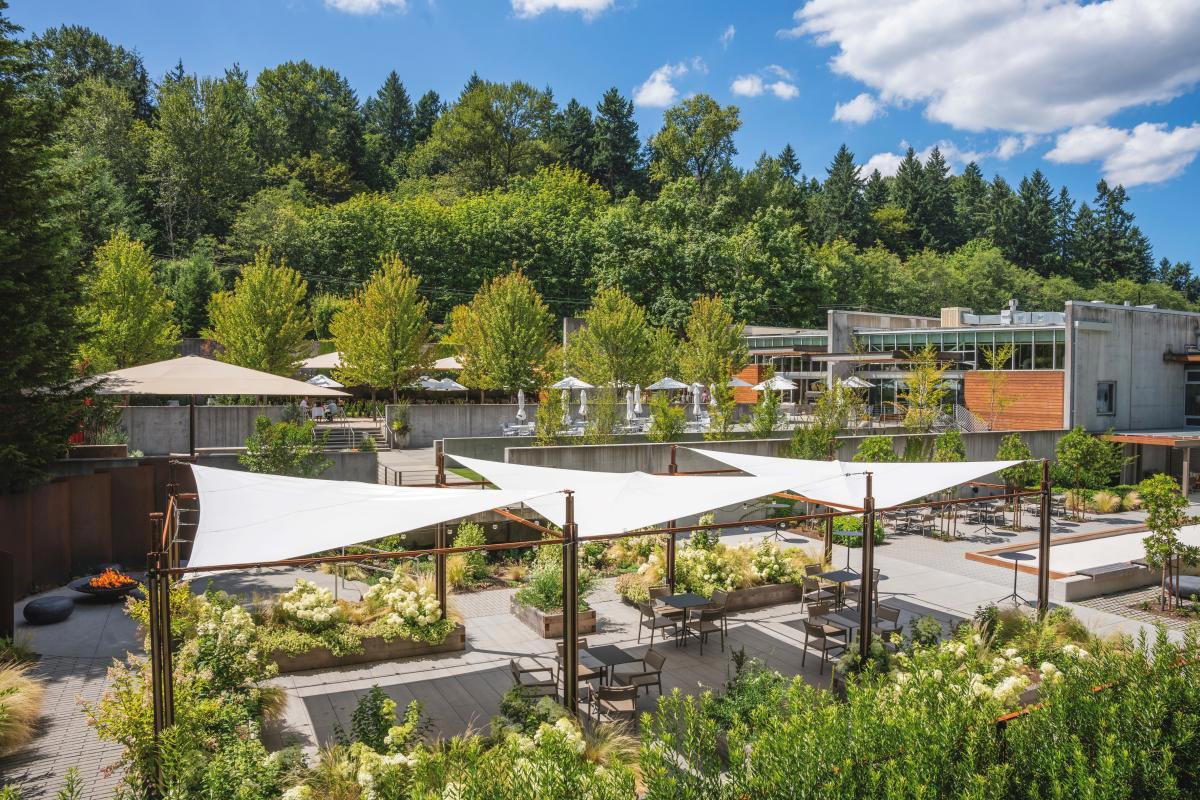
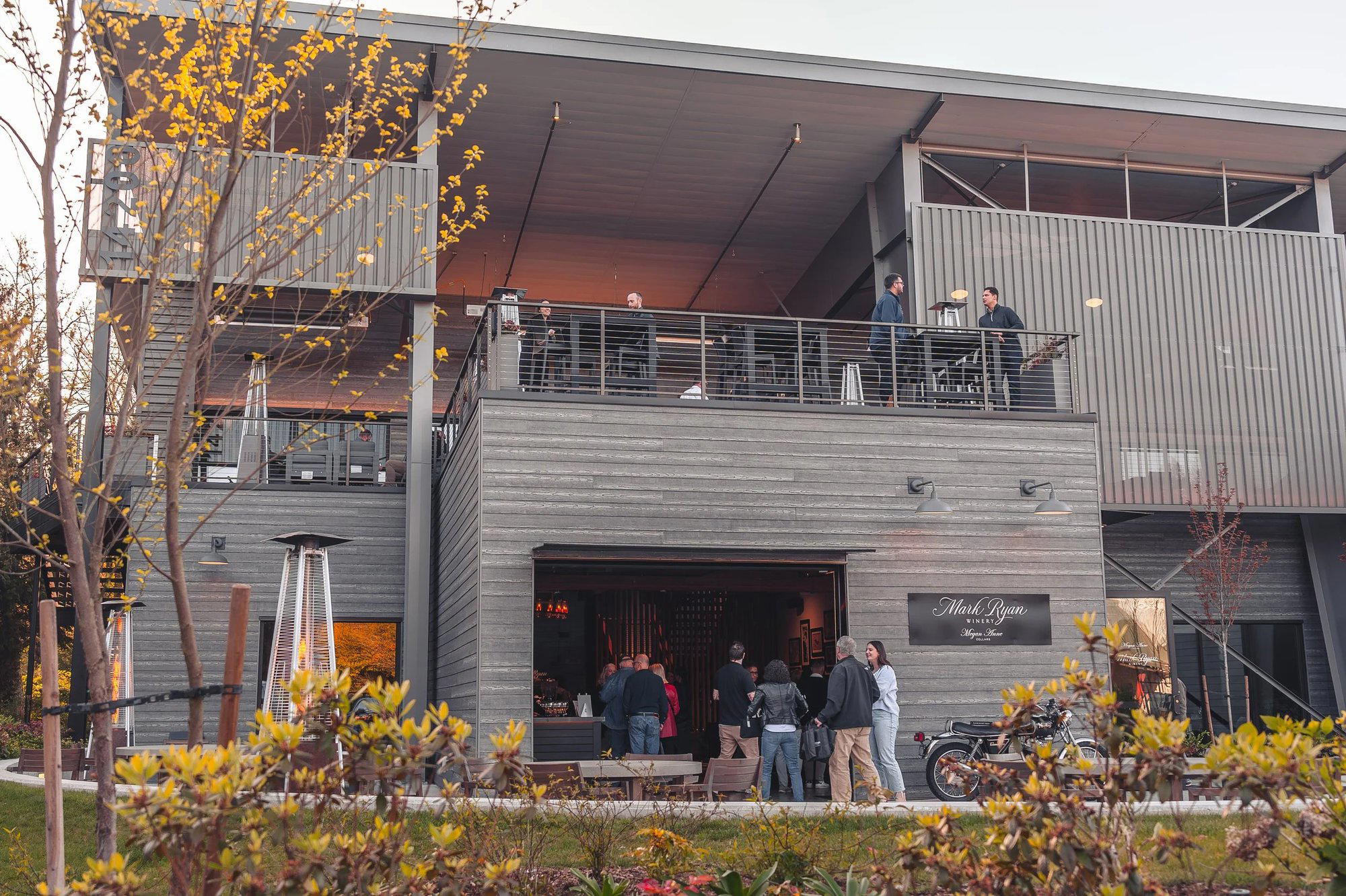
Sophisticated atmosphere with white tablecloth service, lovely setting, and frenetic pre-show energy.