Harvest Beat
Harvest Beat occupies a corner of Wallingford that has quietly built Seattle's most coherent case for plant-forward dining as a serious culinary discipline. Located at 1711 N 45th St, the restaurant draws on Pacific Northwest sourcing traditions to construct tasting menus where the ingredient is the argument. For a city that sits between Puget Sound fisheries and Cascade-foothills farms, it is a telling exercise in restraint and specificity.
Pearl is the En Primeur Club membership app — saves, bookings, and concierge access live there. Same editors, same standards.
- Address
- 1711 N 45th St, Seattle, WA 98103
- Phone
- +12065471348
- Website
- harvestbeat.com
- Directions
- Get directions
 Saves & bookings on Pearl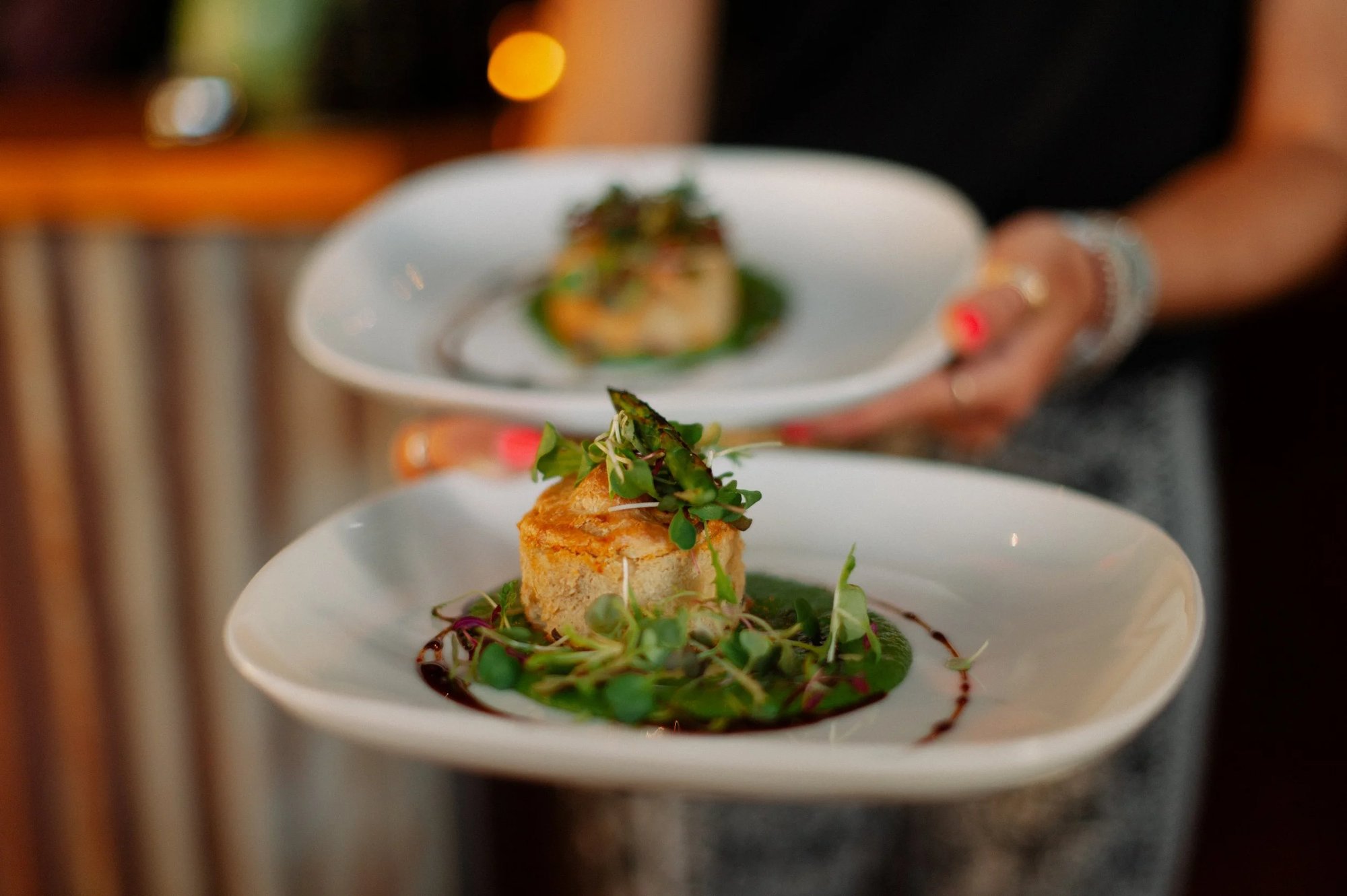
Where the Plate Begins: Wallingford and the Northwest Sourcing Argument
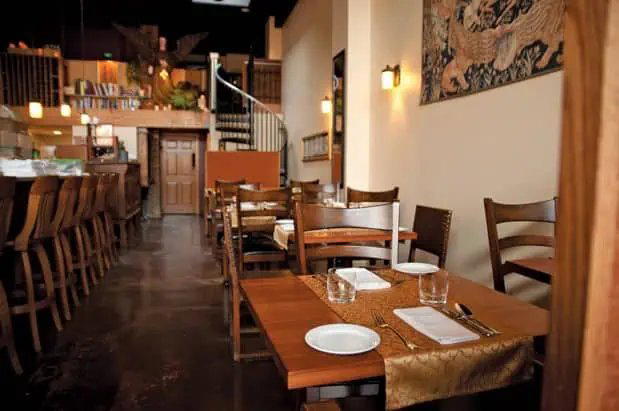
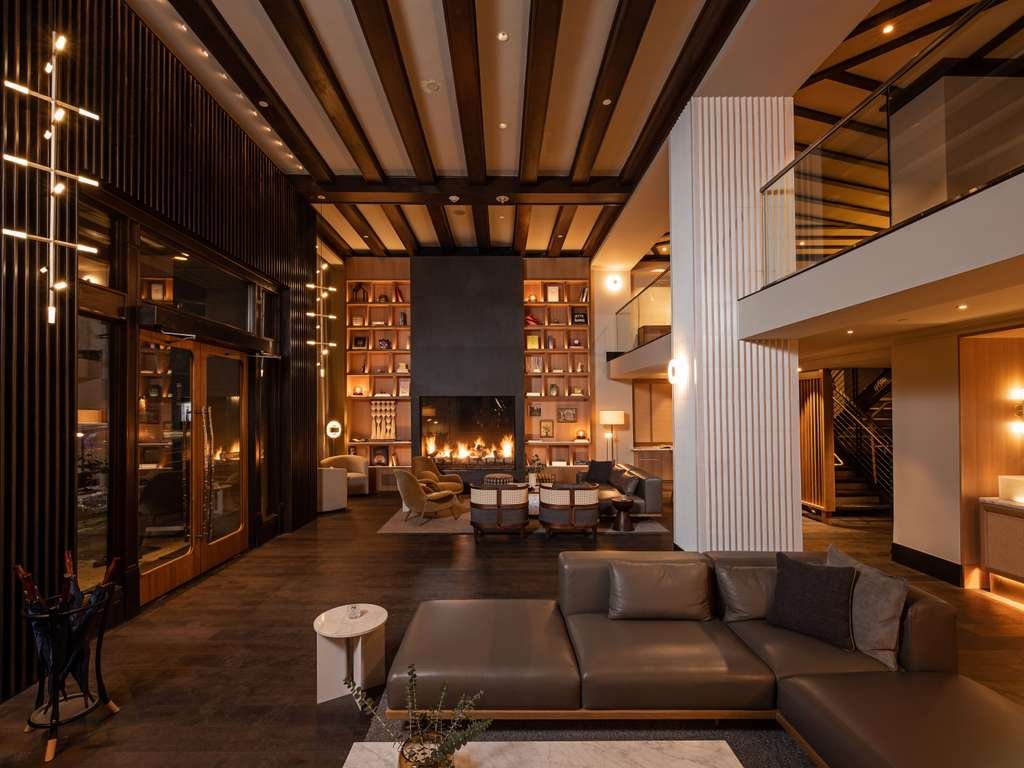
North 45th Street in Wallingford is not Seattle's most photographed dining corridor. That distinction belongs to Capitol Hill or South Lake Union, where visibility and volume tend to set the agenda. But the quieter residential stretch running through Wallingford has accumulated a cluster of restaurants less interested in spectacle than in specificity, and Harvest Beat sits at that logic's centre. The building itself is low-key from the outside, the kind of corner storefront that rewards the visitor who already knows to look for it rather than one stumbling past. Inside, the room is modest in scale and deliberate in its lack of ornament: natural materials, muted lighting, the kind of setting where the food is expected to carry the weight.
That setting is not accidental. Across the Pacific Northwest, a generation of restaurants has converged on the idea that the sourcing story is the menu, not a footnote to it. Single Thread Farm in Healdsburg made the farm-to-counter argument at a high price point with European technique behind it. Blue Hill at Stone Barns in Tarrytown built an institution around agricultural research as dining experience. Harvest Beat operates at a different register, one that is more neighbourhood than destination, but the underlying conviction is the same: what arrives on the plate is only legible if you understand where it started.
The Plant-Forward Discipline and Why Seattle Is a Plausible Stage for It
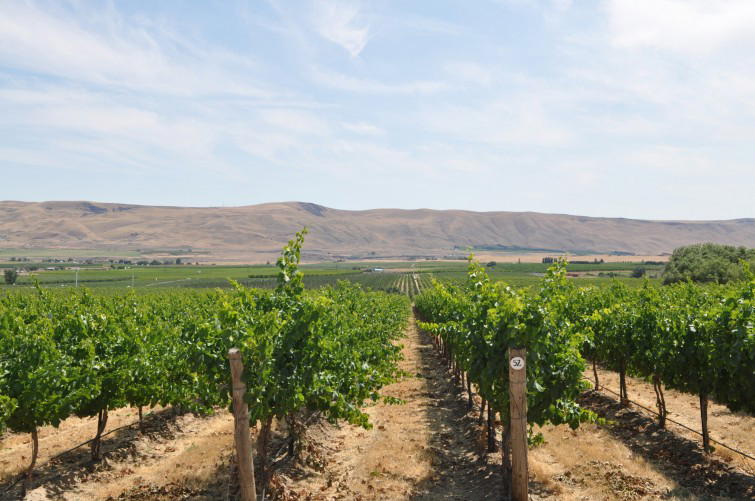
Seattle's geography makes the sourcing argument structurally easier than it is in most American cities. The Skagit Valley, roughly an hour north, is among the more productive agricultural zones in the continental United States, with farms that supply everything from tulips to dry beans to specialty brassicas. The Cascades' western slopes feed a mushroom and forage economy that has supplied Seattle kitchens for decades. Puget Sound's shellfish output is substantial enough that it defines entire menu sections at restaurants from the waterfront up through Capitol Hill.
Harvest Beat works within a plant-forward or fully plant-based framework, which in Seattle in 2024 means something more specific than it might elsewhere. The city has moved past the phase where plant-based dining was framed primarily as abstention. The better version of the argument, which a handful of Seattle kitchens now make with some consistency, is that the Pacific Northwest's agricultural bounty is so ingredient-dense that a menu built entirely around it needs no structural apology. The seasonal pressure is real: a menu built on local produce in February looks fundamentally different from one built in August, and the discipline required to make both menus compelling on their own terms is the actual test of the kitchen.
For context, look at how the farm-integration model plays out at the furthest end of the American fine dining spectrum. The French Laundry in Napa maintains its own garden as a sourcing anchor. Alinea in Chicago approaches ingredient transformation from a technical rather than agrarian angle. What distinguishes the Northwest approach, at its most coherent, is that the ingredient itself is not transformed into something else: it is presented as evidence of place. The restaurant operates closer to that end of the spectrum than to the transformation school.
Positioning Within Seattle's Wider Dining Scene
Seattle's restaurant scene has, in the past decade, split along a fairly predictable axis. On one side sit the destination tables that compete nationally: Canlis, which has held its position as the city's premier occasion restaurant for generations, and Joule, which occupies a different but comparably serious position in the New Asian bracket. On the other side sit neighbourhood-anchored restaurants doing more focused, lower-profile work that tends to develop a loyal local following before it attracts broader attention.
The restaurant sits firmly in the second category. Its address in Wallingford rather than Capitol Hill or Belltown is itself a positioning signal: this is a restaurant built for the dinner that happens twice a month rather than the one that happens once a year. The tasting menu format places it in a smaller sub-tier of Seattle restaurants where the meal is a sequence rather than a selection. That format is more common now than it was even five years ago across American cities, from Lazy Bear in San Francisco to Providence in Los Angeles to Addison in San Diego, and it has reached Seattle in earnest.
The plant-forward positioning narrows the comparable set further. Among Seattle's more formally ambitious restaurants, few have committed as fully to the produce-led model. That relative scarcity is both a competitive advantage and a constraint: the audience for serious plant-based tasting menus in any mid-size American city is real but limited, and building a sustainable operation around it requires either strong neighbourhood loyalty or a level of recognition that drives destination visits. The restaurant's Wallingford location suggests the former is the primary engine.
Other addresses worth cross-referencing include 1415 1st Ave, 1744 NW Market St, and 2963 4th Ave S for different registers of the city's restaurant offer.
Planning a Visit
The restaurant is located at 1711 N 45th St in Wallingford, a neighbourhood accessible from Capitol Hill and Fremont by car in under fifteen minutes and reachable via Metro bus routes that run along 45th. Wallingford lacks the density of late-night options that Capitol Hill provides, so this is a dinner built around the meal itself rather than a broader evening itinerary. Booking in advance is essential.
Comparable Venues
Comparable venues nearby, for context on price, style, and recognition.
| Venue | Cuisine | Price | Notes |
|---|---|---|---|
| Harvest BeatThis venue — the venue you are viewing | Gourmet Vegan Farm-to-Table | $$$$ | Not listed |
| Off Alley | Seasonal Pacific Northwest Nose-to-Tail | $$$ | Columbia City |
| JOEY U-Village | Modern American Steakhouse with Sushi | $$$ | University Village |
| Dimitriou's Jazz Alley | Northwest American | $$$ | Denny Triangle |
| Carlile Room | Modern American Bar & Grill | $$$ | Central Business District |
| canon | American Small Plates & Cocktails | $$$ | Minor |
Continue exploring
More in Seattle
Restaurants in Seattle
Browse all →
Bars in Seattle
Browse all →
Hotels in Seattle
Browse all →

At a Glance
- Intimate
- Cozy
- Elegant
- Special Occasion
- Date Night
- Open Kitchen
- Extensive Wine List
- Farm To Table
- Local Sourcing
- Organic
Current opening hours
- Monday
- Closed
- Tuesday
- Closed
- Wednesday
- 7–9:30 PM
- Thursday
- 7–9:30 PM
- Friday
- 7–9:30 PM
- Saturday
- 7–9:30 PM
- Sunday
- 6:30–9 PM
Hours can change for holidays and private events. Last verified .
Warm, inviting, and intimate with a communal dining atmosphere focused on the shared five-course experience.