Our verdict
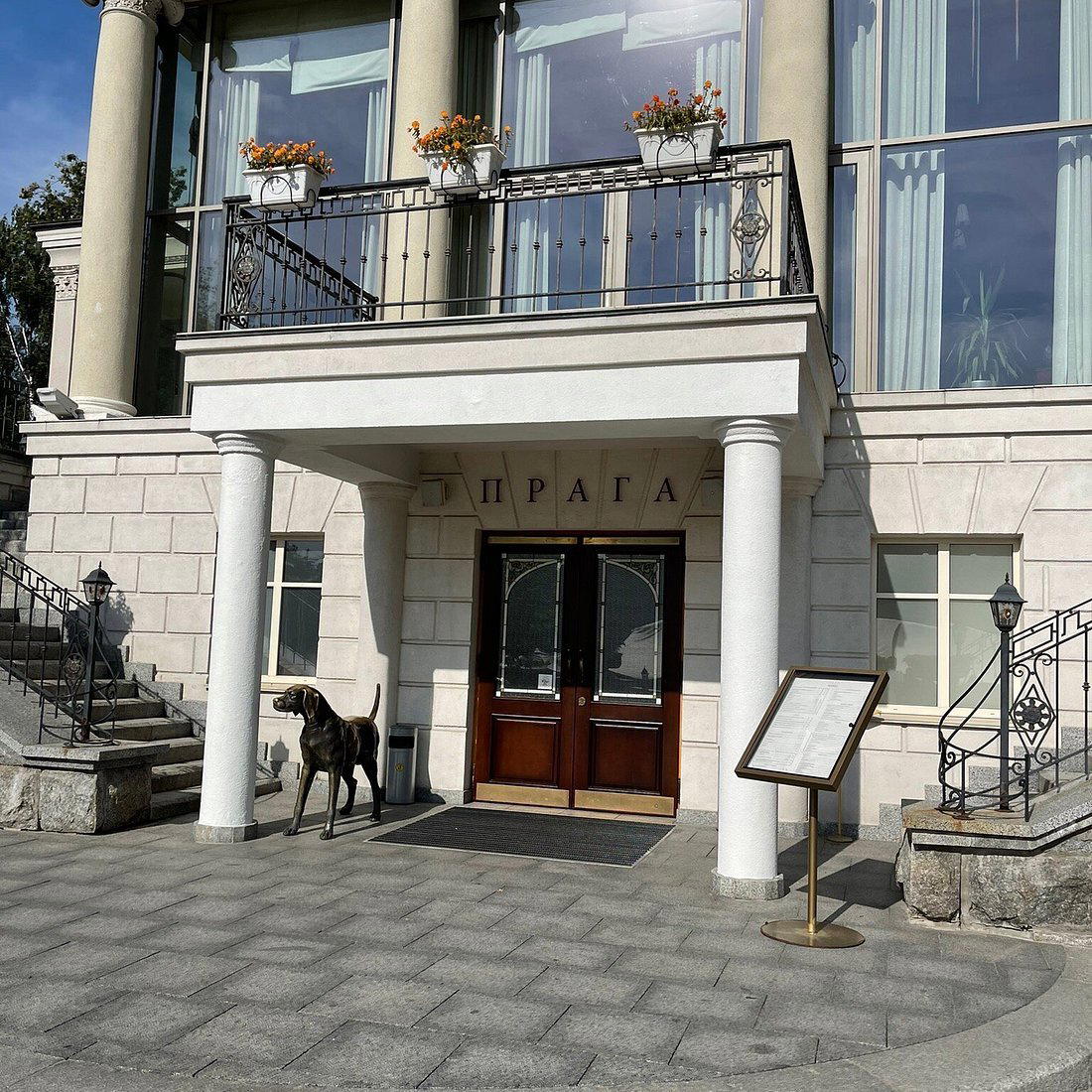
Praha occupies a distinctive address on Akademika Hlushkova Avenue in Kyiv's southern reaches, where the city's appetite for European-inflected dining meets a neighbourhood still finding its contemporary identity. The name gestures toward Central Europe, and the address places it outside the dense cluster of Podil and Pechersk venues that dominate most Kyiv dining conversations. For visitors and locals willing to travel south, it represents a different register of the city's restaurant scene.

Pearl is the En Primeur Club membership app — saves, bookings, and concierge access live there. Same editors, same standards.
The menu
What to order
- Quail and salad
- Ostkaka
- Seasonal fish
South of the Centre: Kyiv's Outer Dining Belt
Kyiv's restaurant geography has long been organised around a handful of prestige postcodes: Podil's converted warehouses, Pechersk's business-lunch circuit, the Shevchenkivskyi district's café-dense streets. Akademika Hlushkova Avenue, running through the Holosiivskyi district in the city's southern arc, sits outside that familiar cluster. Venues here address a different kind of diner: residents of the sprawling southern residential zones, visitors to the nearby Holosiivskyi National Nature Park, and a contingent that has grown tired of the centre's pricing and noise. Praha, addressed at number one on that avenue, occupies this terrain.
The name itself carries a signal. Prague has functioned as a cultural reference point for Ukrainian dining since at least the post-Soviet period, when Central European café culture offered a more accessible model than Parisian or Italian fine dining. A venue invoking that reference in name, whatever its current format, is placing itself in a lineage of European-influenced hospitality that runs through much of Kyiv's mid-market and upper-mid-market dining history. How that lineage translates to the plate and room in 2024 is the more interesting question.
The Intersection of Imported Method and Local Product
Across Kyiv's more considered dining rooms, the conversation in recent years has shifted toward a specific tension: European and Asian technique applied to Ukrainian agricultural material. Ukraine's farming regions produce buckwheat, sunflower, beet, freshwater fish, pork, and a range of dairy products that, when handled with the precision frameworks of French or Japanese cooking, yield results that neither tradition could produce alone. Venues like Al Fresco (Tuscan Italian) have shown that imported European culinary frameworks can take root convincingly in Kyiv's dining culture. The more interesting cases are those where local ingredient logic starts to reshape the imported technique rather than simply being processed by it.
Praha's address on the edge of Holosiivskyi places it close to supply chains that central Kyiv venues sometimes find inconvenient: market traders, smaller regional producers, and the seasonal rhythms of a city that still observes Lent and harvest-season eating in ways that shape weekly menus.
For context on how this local-global intersection plays out across Ukrainian cities, Delikacia in Ivano Frankivsk and Melange in Rivne demonstrate that the technique-meets-terroir model is not exclusive to capital city venues. Valentino in Lviv and Maiak in Odesa represent how port and western-border cities have developed their own distinct readings of the same intersection. Kyiv's version tends to be more cosmopolitan in its reference points and more varied in its price architecture.
Positioning Within the Kyiv Scene
In a city where 32 JazzClub anchors one end of the atmosphere-led dining spectrum and venues like Asia Bar & Grill and BAO Modern Chinese Cuisine occupy the pan-Asian tier, Praha operates in a different register. The Central European name and the southern address together suggest a venue that is not competing for the same Friday-night reservation as Pechersk's prestige circuit. Barbara Bar represents the kind of bar-forward, design-led hospitality that central Kyiv has developed confidently over the past decade.
That relative quietude is not necessarily a weakness. Some of Kyiv's most consistent kitchens have operated at a remove from the review cycle, building regulars through neighbourhood loyalty rather than press attention. The comparison set from other Ukrainian cities is instructive here: Kovcheg in Ternopil and Cafe de Vino in Lutsk both demonstrate that meaningful dining exists well outside the cities and neighbourhoods that attract concentrated critical coverage. Don Omar in Kharkiv makes a similar case for Ukraine's second city.
Internationally, the technique-focused end of the spectrum Praha's name gestures toward has produced some of the decade's most discussed venues. Le Bernardin in New York City has long demonstrated how French technical precision applied to ingredient-first thinking produces results that outlast trends. Atomix in New York City shows how Korean culinary logic can be reframed through fine-dining infrastructure without losing its essential character. Emeril's in New Orleans built a regional identity on the intersection of classical training and local product. Praha, at whatever scale it operates, inhabits the same conceptual territory at a Kyiv neighbourhood level.
Seasonal Timing and Getting There
Holosiivskyi district rewards visits in late spring and autumn, when the adjacent national park shifts from the summer crowds that gather around its lakes to a quieter, more atmospheric register. Akademika Hlushkova Avenue is served by the Holosiivska metro station on the Blue Line, making the venue accessible from the city centre without a long surface transit commitment. For visitors staying in central Kyiv, the journey south takes around twenty minutes by metro, placing Praha within reasonable reach for an evening without the density and noise of Khreshchatyk-adjacent dining.
The broader Kyiv restaurants guide covers the full spectrum of the city's dining geography, including the Podil and Pechersk concentrations that Praha's address specifically sidesteps. For those building a multi-day Kyiv itinerary, the southern end of the Blue Line offers a distinct experience of the city that the usual tourist circuit does not surface. Praha sits at that endpoint, a marker of a part of Kyiv's dining culture that operates on neighbourhood terms rather than national ones. Praha's address is a reminder that Kyiv itself has more geographical depth than its headline venues suggest. For venues in Chernivtsi and beyond, that principle extends across the country.
Frequently asked questions
Where is Praha in Kyiv?
Praha is located at Akademika Hlushkova Ave, 1, Kyiv, Ukraine, 03680, Kyiv.
Is Praha in Kyiv worth the trip from the city centre to Holosiivskyi district?
Praha sits at Akademika Hlushkova Ave, 1 in Holosiivskyi, which places it at the southern edge of Kyiv's restaurant geography, adjacent to the national park. The neighbourhood rewards visits in late spring and autumn when the park is at its least congested, and venues here tend to draw a local regular crowd rather than the tourist-facing traffic of Pechersk or Podil. For guests already exploring Kyiv's outer dining belt, Praha's location makes geographic sense as part of a Holosiivskyi-focused itinerary.
What do people recommend at Praha?
Visitors travelling from central Kyiv to Akademika Hlushkova Ave tend to arrive with the neighbourhood in mind as much as the menu. Checking current local sources before visiting will give the most accurate picture of what the kitchen is leading with.
What's the standout thing about Praha?
Praha's clearest point of distinction is its address: Akademika Hlushkova Ave, 1 places it in Holosiivskyi, a district that operates outside Kyiv's conventional dining circuit and attracts a different kind of visit than the city-centre prestige postcodes. The name itself gestures toward Central European reference, which in Kyiv's current dining scene carries a specific set of associations around imported method and local product. Whether that framing is architectural, culinary, or atmospheric requires a visit to confirm.
Comparable Venues
Comparable venues nearby, for context on price, style, and recognition.
| Venue | Cuisine | Price | Awards | Notes |
|---|---|---|---|---|
| PrahaThis venue — the venue you are viewing | European Mediterranean with lake views | $30–50 | Not listed | Not listed |
| Forrest Club | Italian Seafood European Fusion | $30–50 | Wine Spectator Award of Excellence | Pochayna - Obolon |
| Barbara Bar | European Bar Fare with Breakfast All Day | Not listed | Not listed | Zoloti Vorota |
| Goodman | Classic American Steakhouse | $30–50 | Not listed | Saksahanskoho |
| Pervak (Первак) | Authentic Ukrainian | $10–20 | Not listed | Lypky |
| Italian Edition | Modern Italian Trattoria | $20–30 | Not listed | Lypky |
Continue exploring
More in Kyiv
Restaurants in Kyiv
All restaurants in Kyiv →

Bars in Kyiv
All bars in Kyiv →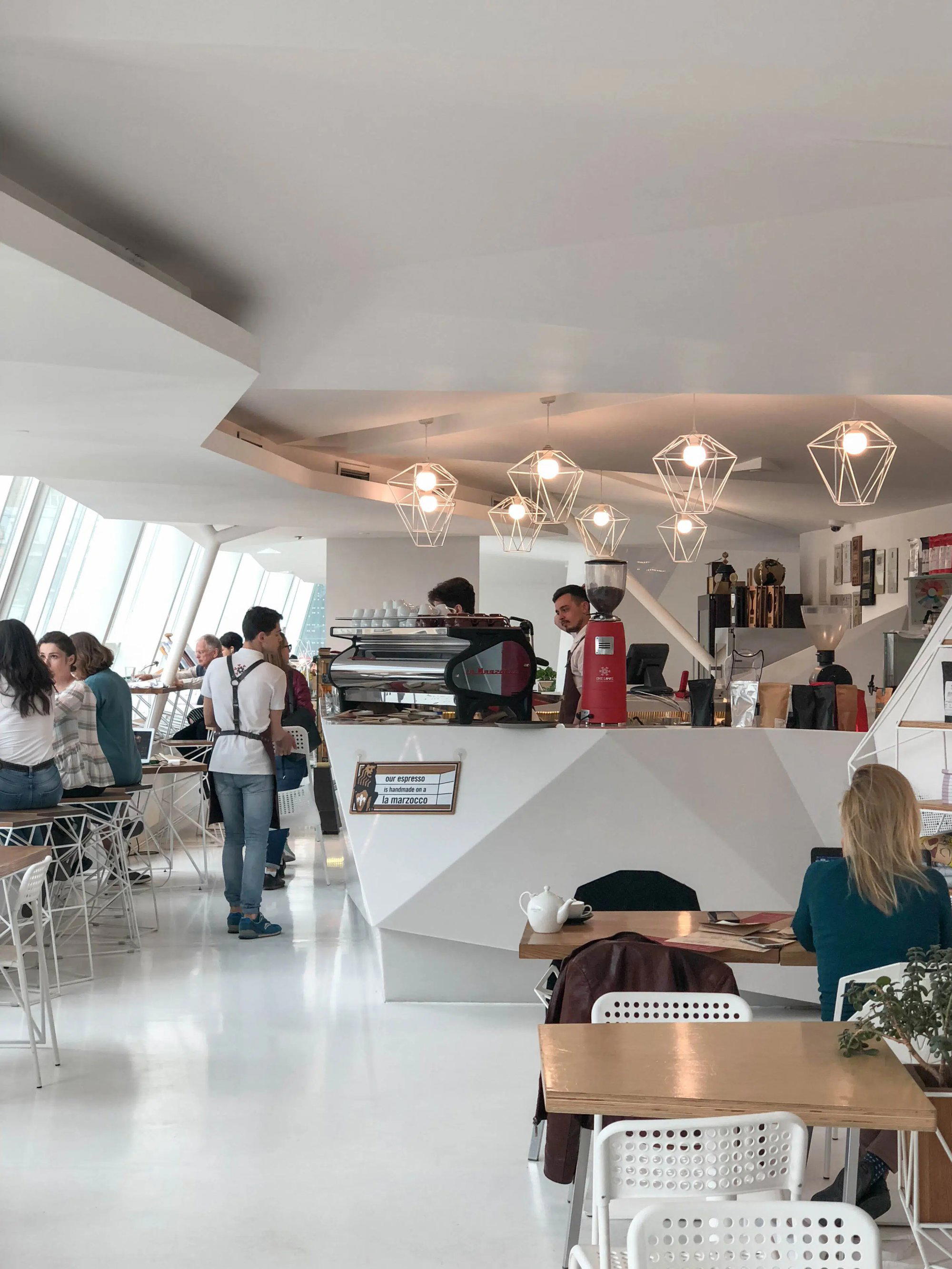
Details
- Elegant
- Scenic
- Cozy
- Date Night
- Special Occasion
- Celebration
- Terrace
- Waterfront
- Historic Building
- Extensive Wine List
- Waterfront
- Garden
- A La Carte
- Vegetarian Friendly
- Vegan Options
Current opening hours
- Monday
- 10 AM–10 PM
- Tuesday
- 10 AM–10 PM
- Wednesday
- 10 AM–10 PM
- Thursday
- 10 AM–10 PM
- Friday
- 10 AM–11 PM
- Saturday
- 10 AM–11 PM
- Sunday
- 10 AM–10 PM
Hours can change for holidays and private events. Last verified .
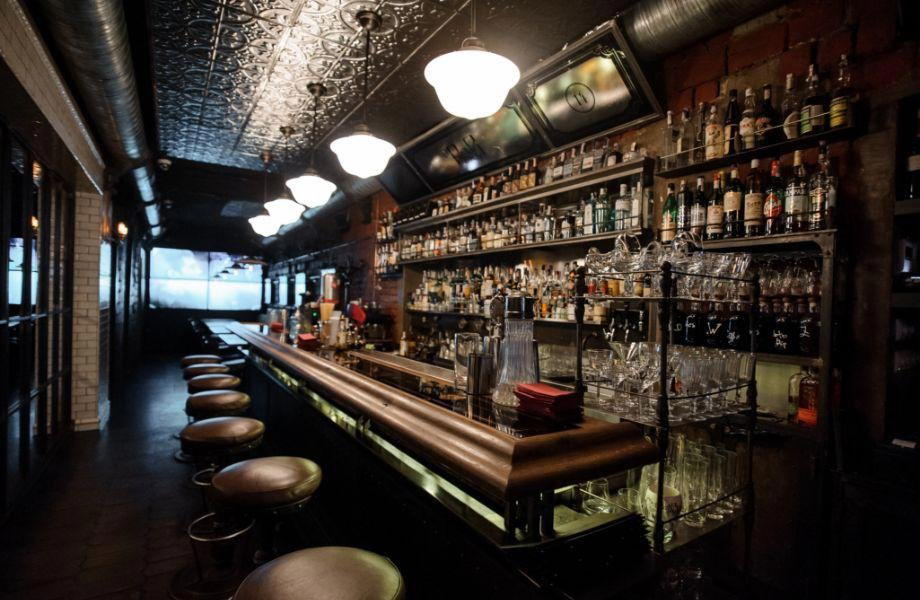
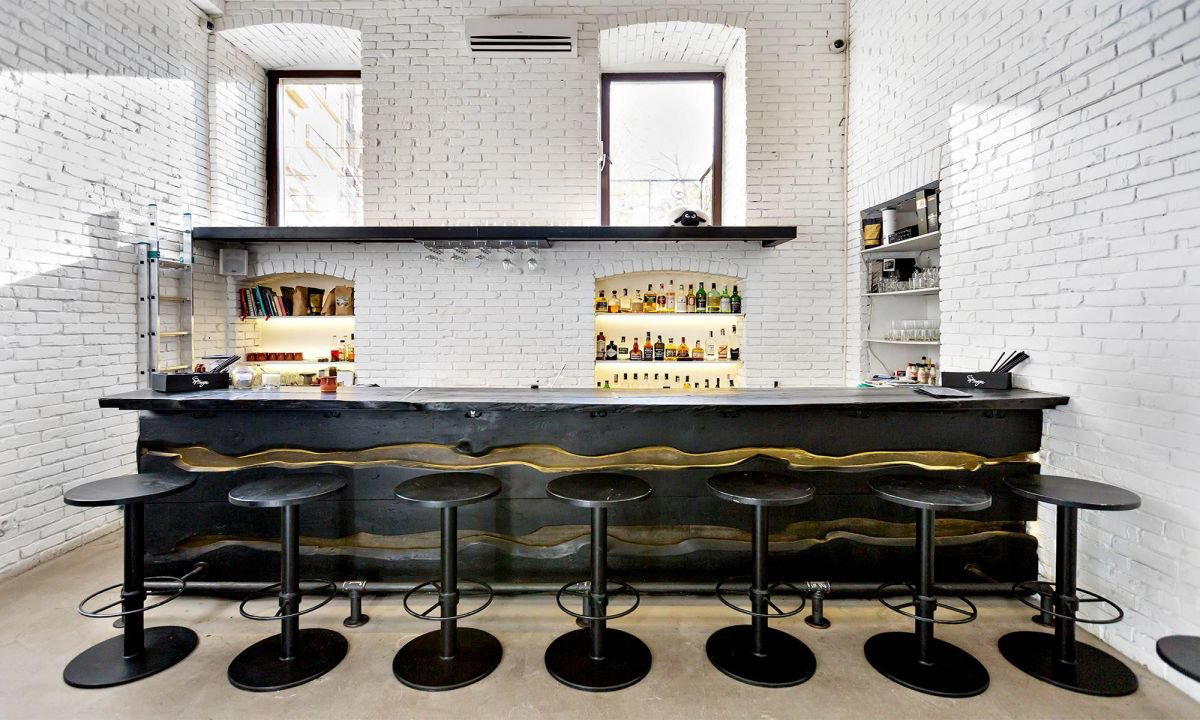
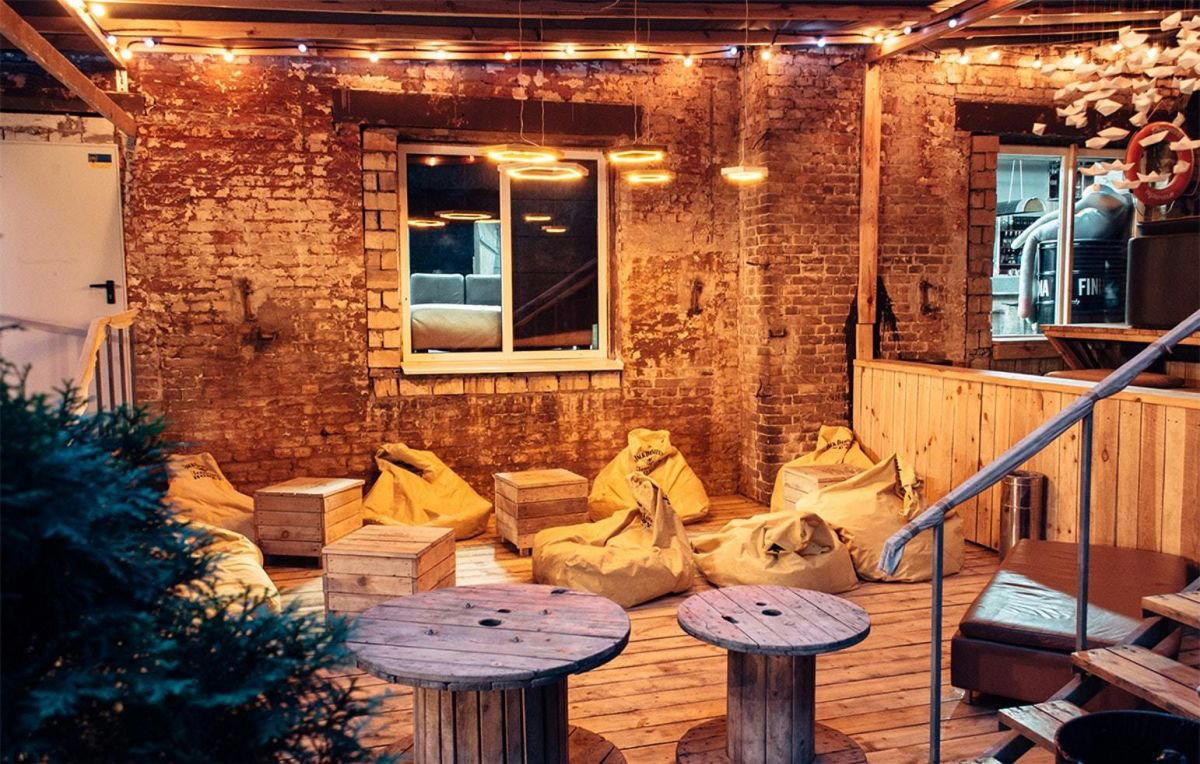
Elegant and refined with beautiful park-like atmosphere, scenic waterfront views day or night.