Delikacia
On Nezalezhnosti Street in central Ivano-Frankivsk, Delikacia occupies a position in a city whose restaurant scene has grown steadily more serious about Western Ukrainian ingredients and regional cooking traditions. The address places it within easy reach of the city's pedestrian core, making it a practical choice for visitors and residents alike who want something rooted in the local food culture.
Pearl is the En Primeur Club membership app — saves, bookings, and concierge access live there. Same editors, same standards.
- Address
- Nezalezhnosti St, 20, Ivano-Frankivsk, Ivano-Frankivsk Oblast, Ukraine, 76000
- Phone
- +380681176070
- Website
- 23restorany.ua
- Directions
- Get directions
 Saves & bookings on Pearl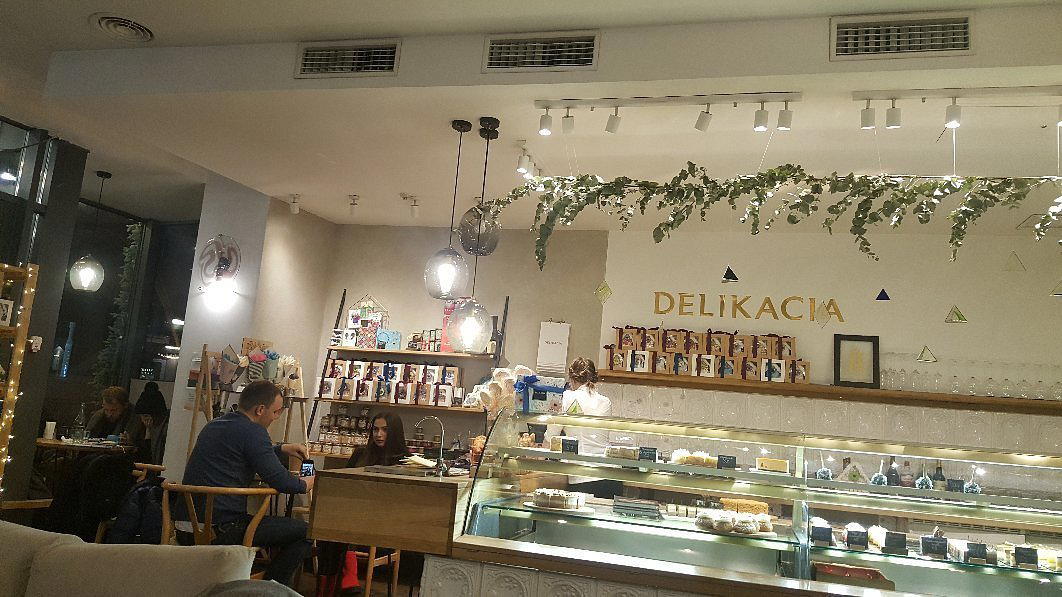
Ivano-Frankivsk and the Ingredient Question
Western Ukraine's restaurant scene has spent the better part of the last decade asking a pointed question: how seriously should a kitchen engage with the agricultural output of the Carpathian foothills, the river valleys, and the small-scale producers operating across the Prykarpattia region? The answer, increasingly, is seriously. Cities like Ivano-Frankivsk sit at a junction between Central European culinary traditions and the particular larder of highland Ukraine, where dairy farming, foraged mushrooms, smoked meats, and river fish have sustained local cooking for centuries. The restaurants that have gained particularly traction in this city are those that treat that larder as an asset rather than a starting point to be improved upon by imported technique.
Delikacia, at Nezalezhnosti Street 20, operates within this context. The address is central, on one of the city's main arteries, placing it in the zone where Ivano-Frankivsk presents itself most deliberately to both residents and visitors. That positioning matters: restaurants on Nezalezhnosti and its surrounding streets compete in a tier where expectations around product quality and kitchen discipline are higher than at neighbourhood spots further from the centre.
The Sourcing Logic of Western Ukrainian Cooking
Understanding what a kitchen like Delikacia is working with requires some geographic orientation. The Ivano-Frankivsk oblast borders the Carpathian mountains to the south and west, and the agricultural character of the region reflects that topography. Sheep grazing at altitude produces the bryndza cheese that appears across Hutsul-inflected menus. Forests at various elevations yield porcini, chanterelles, and other fungi that, when treated with restraint, carry more flavour than almost anything a chef can import. River systems provide trout and other freshwater species. The growing season is compressed by altitude and climate, which concentrates flavour in summer produce and pushes kitchens toward preservation, fermentation, and smoking during colder months.
This is not a minor or incidental culinary tradition. It connects to broader Central European food cultures while remaining distinct from them, and it has attracted increasing attention from Ukrainian chefs who trained abroad and returned with techniques suited to showcasing what the region already produces well. The comparison with, say, Atelier Moessmer Norbert Niederkofler in Brunico, where an Alpine ingredient philosophy has driven serious critical recognition, is instructive: mountain-region sourcing, applied with discipline, can anchor a kitchen's identity more firmly than imported luxury ingredients ever could.
Where Delikacia Sits in the City's Dining Structure
Ivano-Frankivsk is not Lviv, and that distinction shapes what its restaurant scene looks like. Lviv draws a substantially larger tourist volume and has developed a more stratified dining market as a result, with venues like La Luce in Lviv operating in an Italian-influenced fine dining register that addresses an international visitor base. Ivano-Frankivsk's scene is smaller, more locally oriented, and more interesting for it: the competitive pressure runs toward pleasing a local clientele that eats out regularly and notices when a kitchen cuts corners on sourcing.
In that context, a restaurant named Delikacia, a word that carries connotations of delicacy, refinement, and considered pleasure in Ukrainian and related Slavic languages, signals something about its positioning. It is not presenting itself as a casual or rustic option. The central address reinforces that: this is a restaurant that intends to be taken seriously within the city's dining conversation. Comparable positioning in other Ukrainian cities can be seen at Kovcheg in Ternopil and Melange restaurant in Rivne, both of which occupy a similar mid-to-upper tier in their respective smaller western Ukrainian cities.
The Broader Ukrainian Restaurant Moment
Ukraine's restaurant industry has been operating under extraordinary pressure since 2022, and the kitchens that have continued to function have done so partly through a sharper focus on domestic supply chains. Import disruptions and logistical constraints accelerated what was already a growing movement toward local sourcing, and cities like Ivano-Frankivsk, further from the conflict's direct impact, have in some cases been able to maintain more consistent operations than restaurants in eastern cities. Maiak in Odesa and Daily Fish Cafe in Kyiv represent different points in that geography, each navigating supply and staffing in distinct ways.
The effect on sourcing philosophy has been significant. Kitchens that previously relied on imported proteins, wines, or specialty ingredients have had to rebuild around what is available domestically. For restaurants in western Ukraine, that recalibration often means returning to regional producers whose output had been undervalued during years when imports were cheaper and easier to obtain. That shift has not been comfortable, but it has produced sharper, more regionally grounded menus in a number of cases. The restaurants that were already oriented toward local sourcing before 2022 have generally fared better in maintaining menu coherence.
Planning a Visit
Nezalezhnosti Street 20 is accessible on foot from the central market square and the city's main pedestrian zone, making Delikacia a natural inclusion in an evening that begins or ends in the historic centre. Ivano-Frankivsk's compact core means most of the city's notable restaurants are within a short walk of each other, so a meal here can fit naturally into a broader exploration of the dining neighbourhood. It is worth making contact in advance, particularly for weekend evenings.
For visitors moving through western Ukraine more broadly, Cafe de Vino in Lutsk and Пронто Піца Чернівці in Chernivtsi offer reference points for the range of dining options available in the region's other smaller cities, while Don Omar in Kharkiv illustrates how different the dining culture becomes further east.
Fast Comparison
Comparable venues nearby, for context on price, style, and recognition.
| Venue | Cuisine | Price | Notes |
|---|---|---|---|
| DelikaciaThis venue — the venue you are viewing | Modern European Cafe & Patisserie | $$ | Not listed |
| Kovcheg | Georgian-European Brew Pub | $$ | :null |
| Valentino | Italian with Ukrainian influences | $$$ | Center |
| Melange restaurant | European and Ukrainian | $$ | city center |
| Nice Guys | American Hot Dogs | $$ | Lviv Center |
| Terra Emiily Restaurant | Modern European with Ukrainian Influence | $$$ | Vynnyky |
At a Glance
- Modern
- Cozy
- Brunch
- Casual Hangout
- Open Kitchen
Current opening hours
- Monday
- 7:45 AM–9 PM
- Tuesday
- 7:45 AM–9 PM
- Wednesday
- 7:45 AM–9 PM
- Thursday
- 7:45 AM–9 PM
- Friday
- 7:45 AM–9 PM
- Saturday
- 7:45 AM–9 PM
- Sunday
- 7:45 AM–9 PM
Hours can change for holidays and private events. Last verified .
Bright, light-filled space with relaxing loft interior, pleasant music, and welcoming atmosphere.