On a quiet Lviv side street, Valentino occupies a dining tier where the city's appetite for European culinary tradition meets local ingredient culture. The address on Ostapa Nyzhankivs'koho places it within walking distance of the historic centre, positioning it as part of a maturing restaurant scene that has steadily moved beyond Soviet-era catering conventions toward something with genuine European ambition.
Pearl is the En Primeur Club membership app — saves, bookings, and concierge access live there. Same editors, same standards.
- Address
- Ostapa Nyzhankivs'koho St, 20, Lviv, Lviv Oblast, Ukraine, 79005
- Phone
- +380972356777
- Website
- valentino.lviv.ua
- Directions
- Get directions
 Saves & bookings on Pearl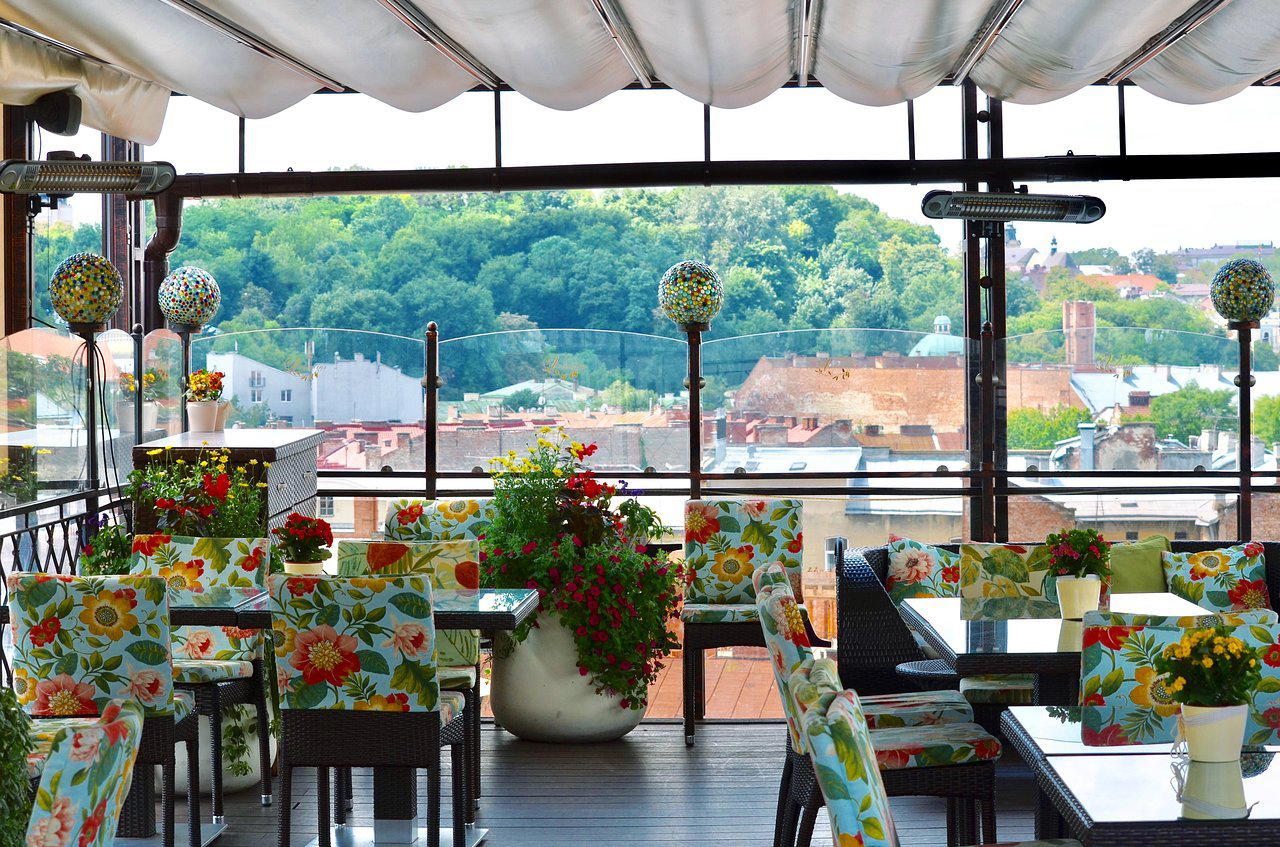
A Lviv Dining Room Where the Street Matters
Lviv's restaurant scene has developed along a distinct axis over the past decade: a city that once offered little beyond Soviet canteen logic has rebuilt its hospitality culture from the ground up, drawing on Galician culinary memory, proximity to Central European food traditions, and a post-2014 surge in civic identity that extended naturally into dining. Ostapa Nyzhankivs'koho Street sits within that transformation, a quieter corridor removed from the tourist-dense cobblestones of the Market Square but still within the city's walkable historic core. Venues on streets like this tend to serve a local and nationally mobile clientele rather than a passing tourist crowd, which shapes expectations in both directions: the kitchen has to earn repeat visits, not just first impressions.
Valentino sits on that street at number 20. The address alone says something about positioning. Lviv's dining geography has a clear hierarchy: the loudest, most theatrical venues cluster around the historic centre's main squares, while the more considered rooms tend to sit a block or two removed. That physical distance from the tourist circuit is not a disadvantage in a city where the serious dining conversation has moved well past novelty concepts and themed interiors.
The Galician Larder and Why Sourcing Defines This City's Better Kitchens
Western Ukraine's food culture is built on a larder that most Western European visitors underestimate. Galicia, the historical region that Lviv anchors, sits at a geographic crossroads where Polish, Austro-Hungarian, Ukrainian, and Jewish culinary traditions have layered over centuries. The result is a raw ingredient culture of considerable depth: river fish from Carpathian tributaries, wild mushrooms from the foothills, dairy from small-scale producers in the Prykarpattia zone, and a grain and legume tradition that predates industrial agriculture in the region. Kitchens that understand this larder work differently from those importing their identity wholesale from Western European menus.
In Lviv's current dining scene, the gap between restaurants that engage with local sourcing and those that perform it as branding has become more visible. Venues like Harmata, La Luce, and Terra Emiily Restaurant each occupy different positions on that spectrum, as do Nice Guys and Tante Sophie Càfe Escargot. The city's better rooms have learned that Galician ingredients, presented without apology, carry more authority than imitation French or Italian frameworks dropped onto a Ukrainian address. That shift in editorial confidence is one of the more interesting developments in Lviv's hospitality story over the past five years.
European Ambition in a Ukrainian City
Lviv occupies an unusual position in the broader Ukrainian dining conversation. It is not Kyiv, where Barbara Bar and a cluster of internationally-facing venues compete at a capital-city register. It is not Odesa, where Maiak draws on a Black Sea coastal identity with its own distinct logic. Lviv's reference points are Central European: Vienna, Kraków, and Chernivtsi, a city whose own dining scene includes venues like Пронто Піца Чернівці working within a similar mid-sized western Ukrainian urban context.
That Central European gravitational pull shapes what the city's restaurants aspire to. The format vocabulary of a Lviv dining room, whether coffee-house tradition, European brasserie register, or the more contemporary small-plates approach, almost always references the Habsburg-era cosmopolitanism that the city still wears architecturally. Valentino's name signals at minimum an awareness of, and probably an engagement with, that Italian and European thread that runs through Lviv's dining identity.
Across western Ukraine more broadly, the dining conversation is spreading beyond Lviv. Delikacia in Ivano Frankivsk, Kovcheg in Ternopil, and Melange in Rivne all signal that the region's appetite for considered dining extends well beyond the Lviv city limits. In that context, Lviv retains its position as the editorial capital of western Ukrainian food culture, but the competitive pressure from smaller cities is real and growing.
Without published award recognition or a Michelin framework operating in Ukraine at present, the trust signals that matter in Lviv are different from those in Paris or Tokyo. Peer-set positioning, local critical consensus, and sustained booking demand function as the primary indicators. In cities operating outside formal award systems, the restaurants that build durable reputations tend to do so through consistency in sourcing, format discipline, and a clear sense of who they are cooking for. That pattern holds whether you are looking at Cafe de Vino in Lutsk or a considerably more formally recognised room like Le Bernardin in New York. The mechanisms of reputation differ; the underlying logic does not.
Valentino's address on Ostapa Nyzhankivs'koho places it in the company of Lviv venues that have chosen positioning over foot traffic. For a city of Lviv's scale and tourist volume, that is a considered decision. Rooms that survive on that basis tend to have a kitchen identity that rewards returning visitors rather than one-time guests seeking the loudest option nearest the centre. The comparison set in Lviv's current scene includes venues working across price tiers, from the more casual end through to rooms with genuine European service polish. Don Omar in Kharkiv and venues in smaller Ukrainian cities like Hotel Desyatka illustrate how Ukrainian hospitality is diversifying nationally, but Lviv retains a density of serious options that few other Ukrainian cities can match.
Planning Your Visit
Valentino is located at Ostapa Nyzhankivs'koho Street 20, a walkable distance from Lviv's historic centre. The address puts it within the walkable inner city, accessible without a car from the main hotel corridors near the Market Square. Lviv's restaurant culture generally runs later than Western European norms, with dinner service extending well into the evening. For the full breadth of what the city offers across cuisines and formats, our full Lviv restaurants guide covers the scene in detail. Booking ahead is advisable for weekend dinners at venues of this type in Lviv, where the local dining-out culture generates real demand on Friday and Saturday evenings. Arriving in the early part of dinner service gives the leading chance of a considered pace through the meal.
Continue exploring
More in Lviv
At a Glance
- Romantic
- Elegant
- Cozy
- Sophisticated
- Date Night
- Family
- Special Occasion
- Live Music
- Extensive Wine List
- Sommelier Led
Current opening hours
- Monday
- 8 AM–10 PM
- Tuesday
- 8 AM–10 PM
- Wednesday
- 8 AM–10 PM
- Thursday
- 8 AM–10 PM
- Friday
- 8 AM–10 PM
- Saturday
- 8 AM–10 PM
- Sunday
- 8 AM–10 PM
Hours can change for holidays and private events. Last verified .
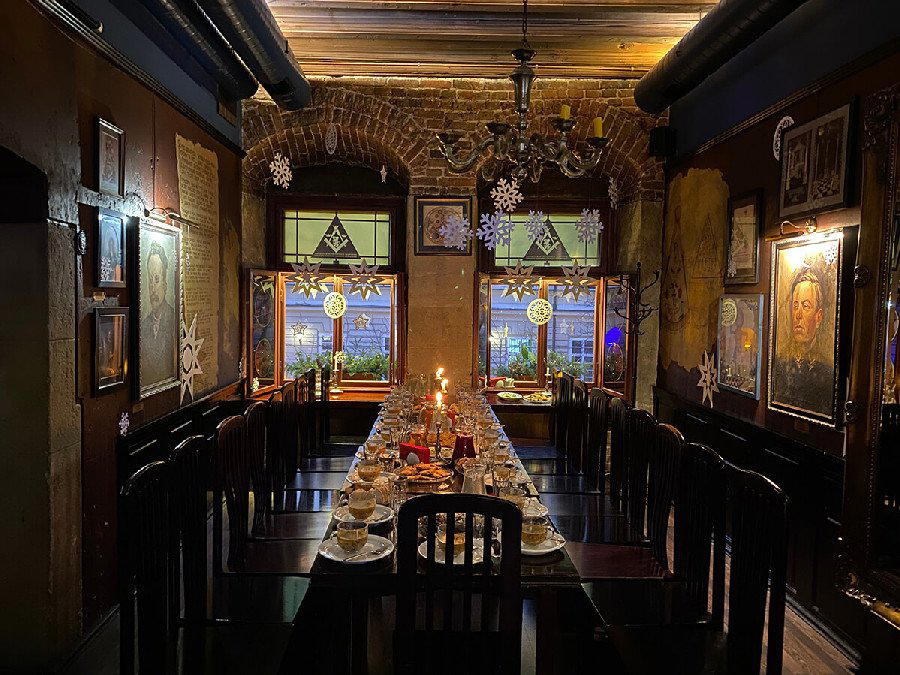
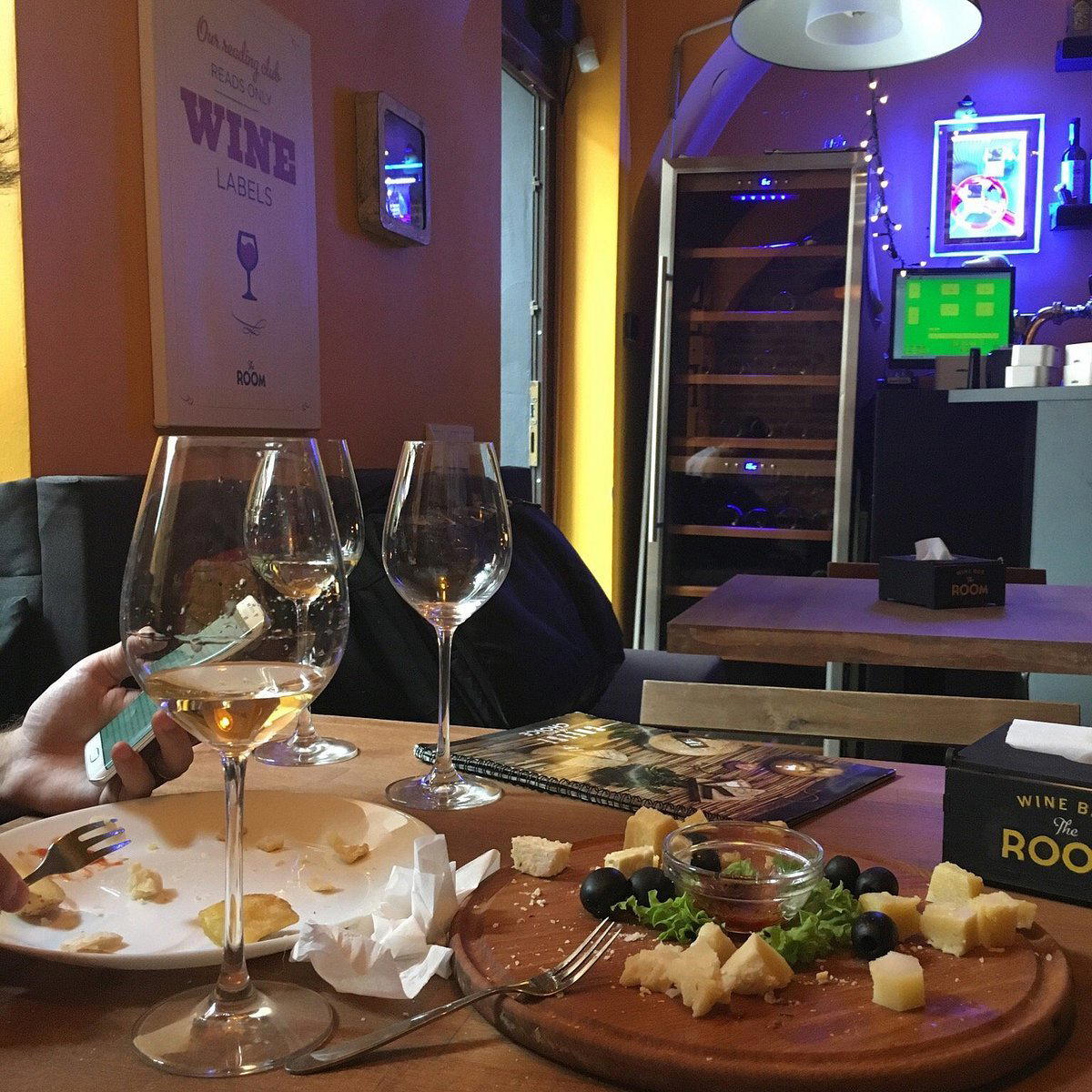
Romantic atmosphere with quiet violin playing, warm candlelight in the evenings, and cozy setting in an old house near Market Square.
Know Before You Go
- Getting there
- Ostapa Nyzhankivs'koho St, 20, Lviv, Lviv Oblast, Ukraine, 79005