Portosole
Our verdict
On Ponce de Leon Boulevard in Coral Gables, Portosole occupies a corner of the city's increasingly confident restaurant corridor. The address puts it within the same walkable stretch as several of the neighbourhood's more ambitious tables, and the wine program is the clearest reason to visit with intent rather than convenience.

Pearl is the En Primeur Club membership app — saves, bookings, and concierge access live there. Same editors, same standards.
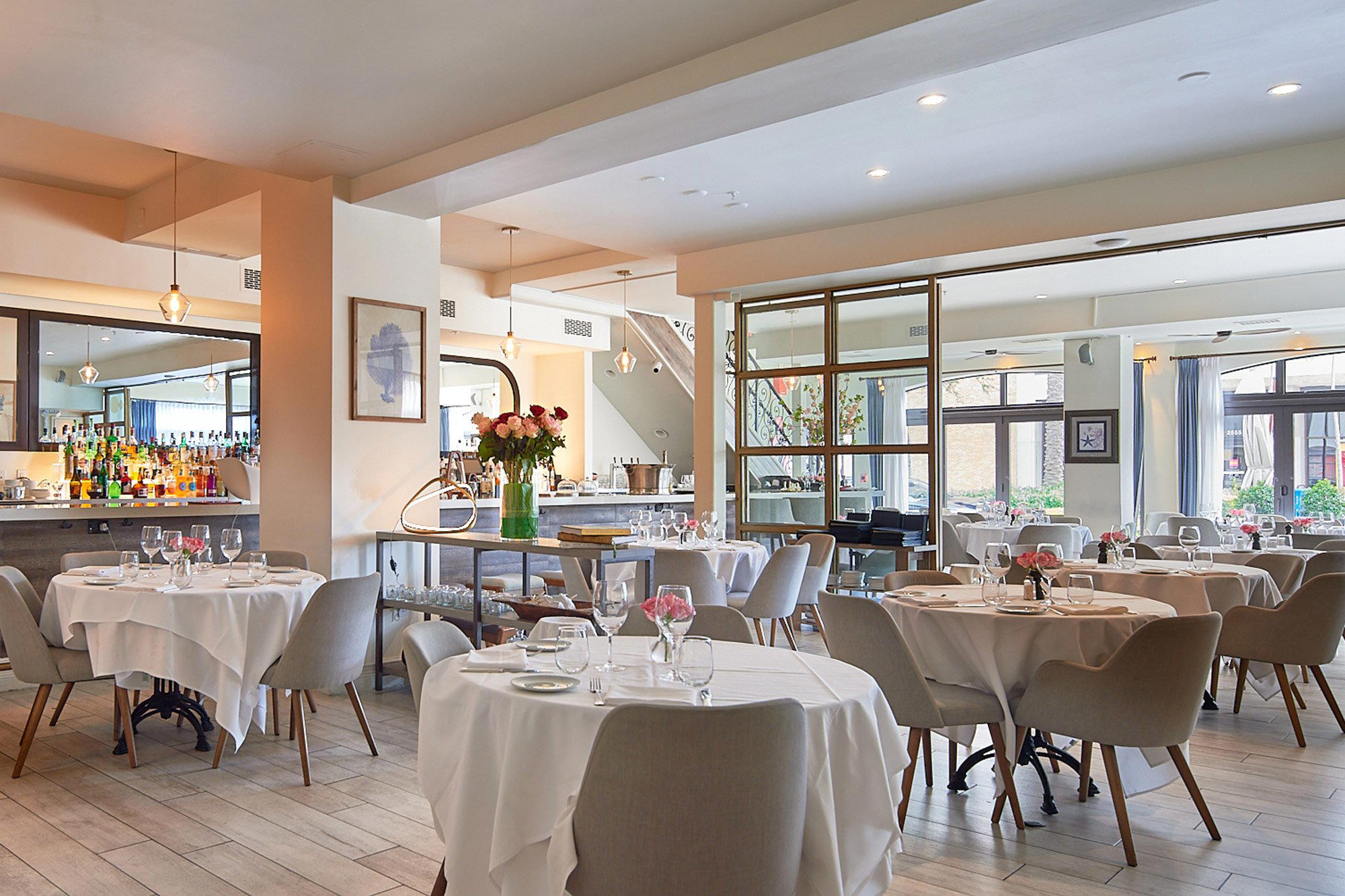
Ponce de Leon and the Question of Where to Drink Well in Coral Gables
Coral Gables has spent the better part of a decade sorting itself into tiers. The City Beautiful's dining corridor along Ponce de Leon Boulevard and the surrounding blocks now holds enough serious tables that a visitor can spend an entire evening moving between distinct registers of ambition, from the Japanese precision at Shingo to the wood-fired Italian at 450 Gradi, from the colonial-era ritual of Afternoon Tea at The Biltmore to the neighbourhood ease of Aragon Café. Portosole, at 2530 Ponce de Leon Blvd, sits inside this maturing restaurant corridor, and the address alone carries a certain implicit pressure. The surrounding blocks do not reward coasting.
What distinguishes one table from another in a corridor this competitive is rarely the room alone. Approach Portosole in the early evening, when the Coral Gables light shifts from white subtropical glare to something warmer and more forgiving, and what you notice first is the quality of stillness the space preserves against the boulevard's movement. That atmospheric separation from the street is a design decision common to the better Coral Gables rooms: the city's residents expect a degree of remove, and the restaurants that hold their loyalty tend to deliver it without theatrical effort.
The Wine Program as the Central Argument
In any serious restaurant, the wine list functions as an editorial statement. A list curated without coherent logic tends to reveal itself quickly: too many options priced for margin rather than meaning, allocated bottles bought for prestige rather than drinking, by-the-glass selections that don't connect to the kitchen's direction. The restaurants in this neighbourhood that attract repeat visitors from Miami's broader dining community typically hold their ground through programme depth rather than through novelty.
Coral Gables sits inside the broader South Florida market, which has developed a genuinely sophisticated wine-buying culture over the past fifteen years. The city's demographics skew toward Latin American and European diaspora communities with strong wine literacy, and the restaurant lists that serve this audience well tend to skew toward Iberian producers, northern Italian appellations, and South American labels that the mainstream Miami market underweights. The better local lists also reward diners who want to drink at the margins of the usual: lesser-known Galician whites, Uruguayan Tannat, or Central Spanish reds from Ribera del Duero and Toro that sit outside the Napa-Bordeaux comfort zone. Whether Portosole's list maps to these patterns specifically is something leading confirmed directly with the venue, but the address and the competitive set it inhabits suggest a programme pitched at an audience that knows what it's asking for.
For comparison, consider what serious wine programming looks like at the top of the national tier. Le Bernardin in New York City built its cellar depth around the logic of the kitchen: a seafood-driven menu that rewards white Burgundy and mature Champagne, with a list broad enough to satisfy collectors but pointed enough to mean something. The French Laundry in Napa treats its cellar as an argument about California's place in the global canon. Single Thread Farm in Healdsburg builds its by-the-glass programme around the same agricultural logic as its menu. The standard these rooms set is not about volume but about coherence: the list should feel authored, not assembled.
Where Portosole Fits the Coral Gables Pattern
The restaurants that hold serious positions in Coral Gables tend to share a few structural characteristics. They serve a local clientele that dines frequently and notices inconsistency. They operate in a market where the Brickell and Wynwood dining noise is loud enough that a Coral Gables address implies a deliberate choice to stay out of that circuit. And they sit in a neighbourhood where the architecture, the tree canopy, and the street pace all signal that the experience should be measured rather than accelerated. Portosole's position on Ponce de Leon places it at the centre of that logic.
The neighbourhood context also matters for understanding what the kitchen is likely doing. Coral Gables restaurants that perform well across multiple years tend to anchor to a cuisine tradition with enough depth to sustain a regular audience. Italian and Mediterranean formats have historically done well in this market, in part because the Latin American diaspora has a different but complementary relationship to those food cultures than the broader American dining public. Venues like Arcano reflect how that overlap gets expressed in a contemporary Coral Gables room.
Wider field of American fine dining offers useful reference points for what serious ambition looks like at this tier. Alinea in Chicago, Providence in Los Angeles, Blue Hill at Stone Barns in Tarrytown, Addison in San Diego, and The Inn at Little Washington all define their positions through a combination of kitchen identity and a front-of-house program, including the wine, that reinforces rather than contradicts that identity. Atomix in New York City and 8½ Otto e Mezzo Bombana in Hong Kong show how the international tier handles the same alignment question. At a local scale, the logic holds just as firmly: the rooms along Ponce de Leon that build audiences do so because the kitchen and the cellar speak the same language. See our full Coral Gables restaurants guide for a broader map of how the neighbourhood's tables position against one another.
Planning Your Visit
Portosole's address at 2530 Ponce de Leon Blvd places it in a walkable section of Coral Gables where several neighbouring restaurants, including Aragon Café and 450 Gradi, allow for a before or after drink without a long transit. Parking in Coral Gables is easier than in Brickell or Miami Beach, with municipal garages within a short walk of the boulevard. Coral Gables restaurants generally see their busiest periods during the winter season, when the population of part-time residents and visitors from colder climates expands significantly, so earlier booking in the October-to-April window is advisable.
Frequently asked questions
Where is Portosole located?
Portosole is located at 2530 Ponce de Leon Blvd, Coral Gables, FL 33134, Coral Gables.
Is Portosole a good option for a wine-focused dinner in Coral Gables rather than Miami proper?
For guests who want a serious wine programme without committing to the Brickell or Wynwood dining scene, Portosole's address at 2530 Ponce de Leon Blvd puts it in walkable reach of Coral Gables' own concentration of committed restaurants. The City Beautiful corridor has built a local reputation for diners who return regularly rather than once for a headline occasion, which tends to keep kitchen and floor standards accountable. That consistency is the structural argument for choosing Coral Gables over the higher-profile Miami neighbourhoods for a wine-led evening.
What should I order at Portosole?
What the Coral Gables dining corridor consistently points toward is Portosole's wine programme as the anchor of the experience. Check directly with the restaurant at 2530 Ponce de Leon Blvd for current kitchen offerings before you visit.
How far ahead should I plan for Portosole?
The Coral Gables winter season, running November through April, compresses reservations across the corridor's better addresses considerably. Visiting during that window, booking one to two weeks ahead is a reasonable floor; for weekend tables or a group, push that further. The summer months offer more flexibility along Ponce de Leon, though the restaurant's local clientele keeps demand steadier than at more tourism-dependent venues.
What's Portosole best at?
The wine programme is the most cited reason to seek out Portosole specifically within the Ponce de Leon corridor rather than settling for a nearby alternative. Coral Gables supports a dining audience that treats the bottle as seriously as the plate, and Portosole's position on that corridor reflects a list curated with some editorial intent. That focus on wine separates it from several neighbours where the list is an afterthought.
A Quick Peer Check
Comparable venues nearby, for context on price, style, and recognition.
| Venue | Cuisine | Price | Awards | Notes |
|---|---|---|---|---|
| PortosoleThis venue — the venue you are viewing | Authentic Italian Coastal | $50–100 | Not listed | Not listed |
| Fontana | Italian-Inspired Fine Dining | $30–50 | Not listed | Coral Gables |
| NOMA Beach at Redfish | Coastal Italian Seafood | $50–100 | Not listed | Coral Gables |
| Luca Osteria | Modern Italian Osteria | $50–100 | Michelin Plate · Wine Spectator Award of Excellence | Coral Gables |
| Salumeria 104 - Coral Gables | Rustic Italian Trattoria | $30–50 | Not listed | Coral Gables |
| Mariposa at Neiman Marcus - Coral Gables | Contemporary New American | $30–50 | Not listed | Coral Gables |
Continue exploring
More in Coral Gables
Restaurants in Coral Gables
All restaurants in Coral Gables →
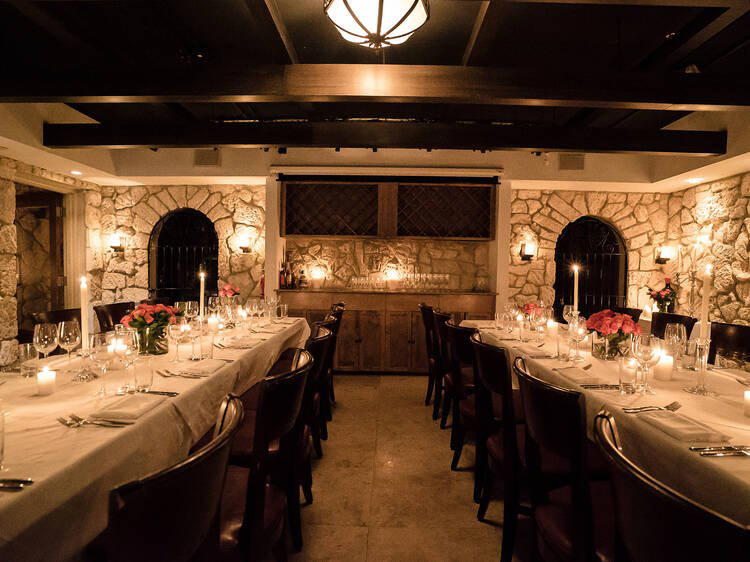
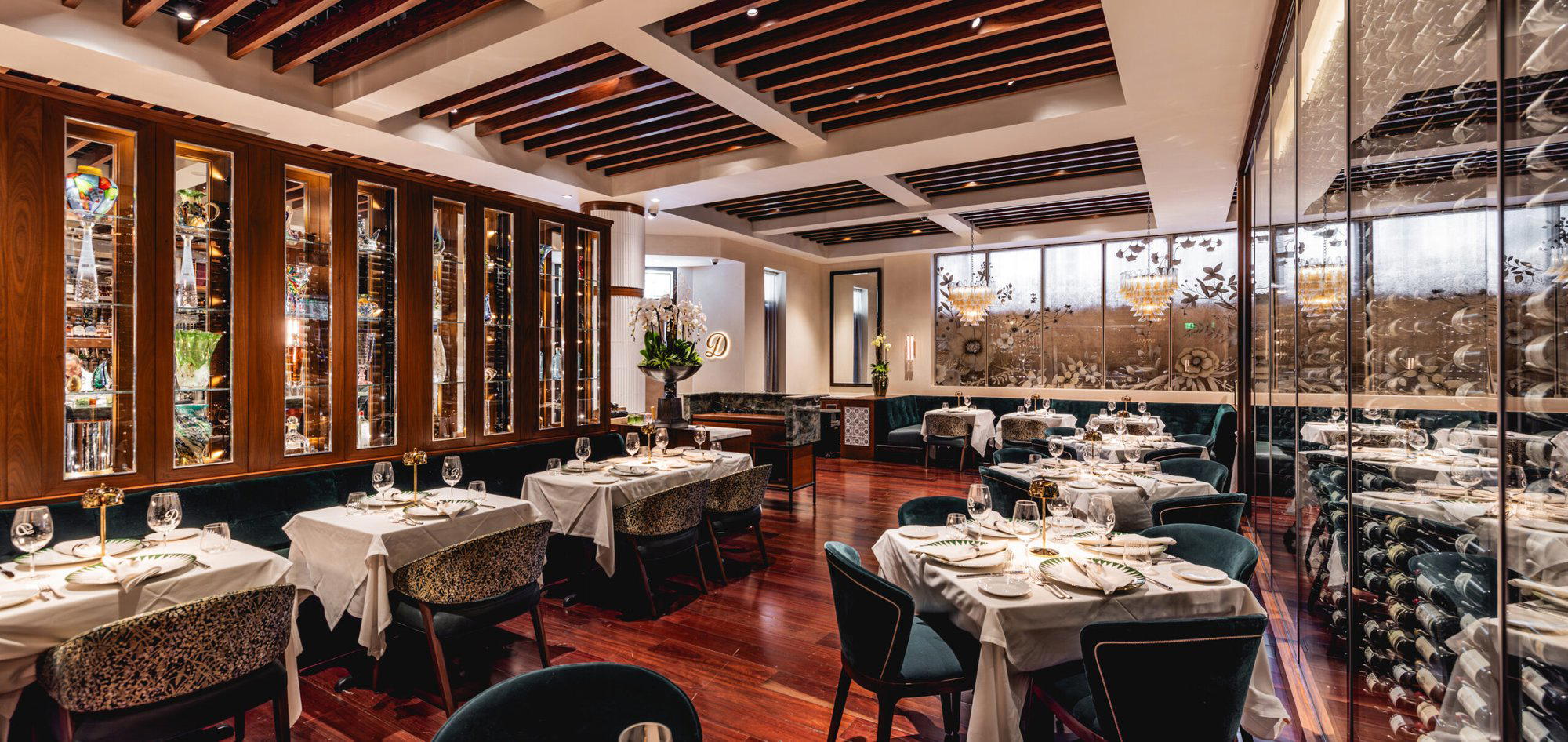
Bars in Coral Gables
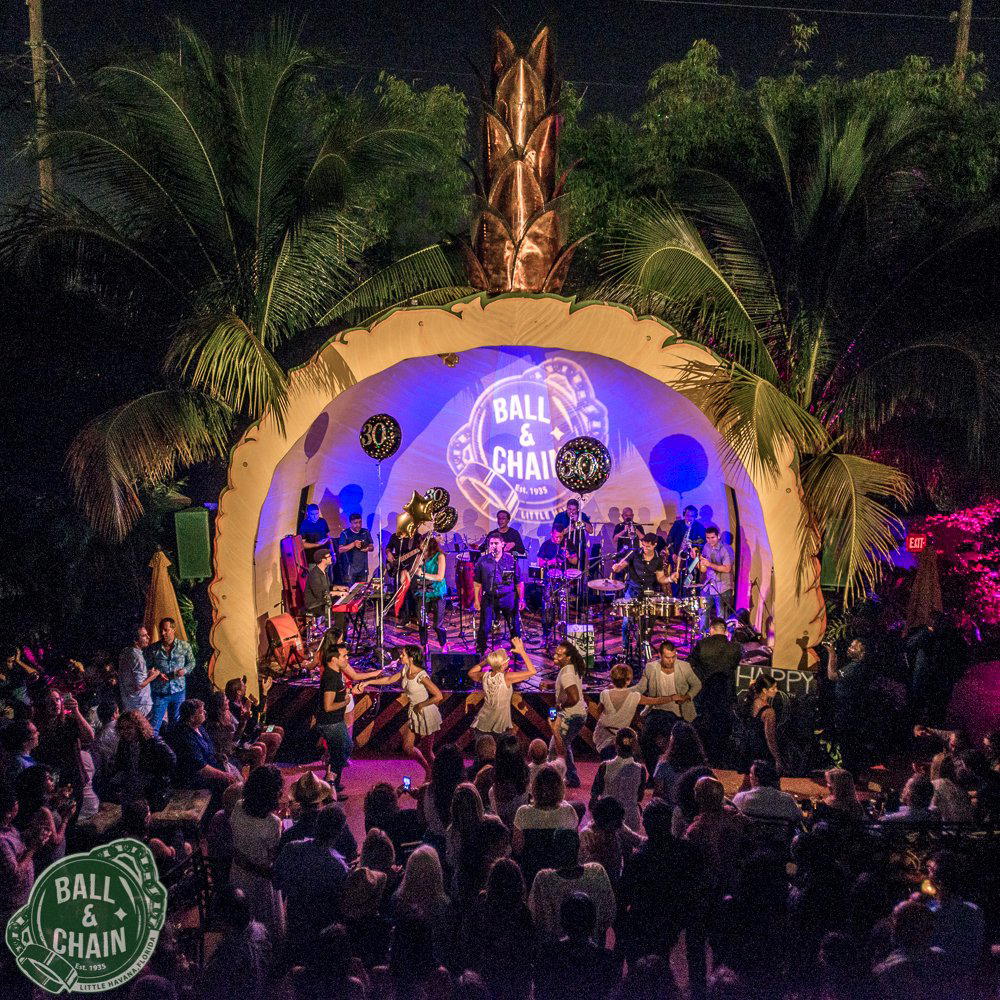
All bars in Coral Gables →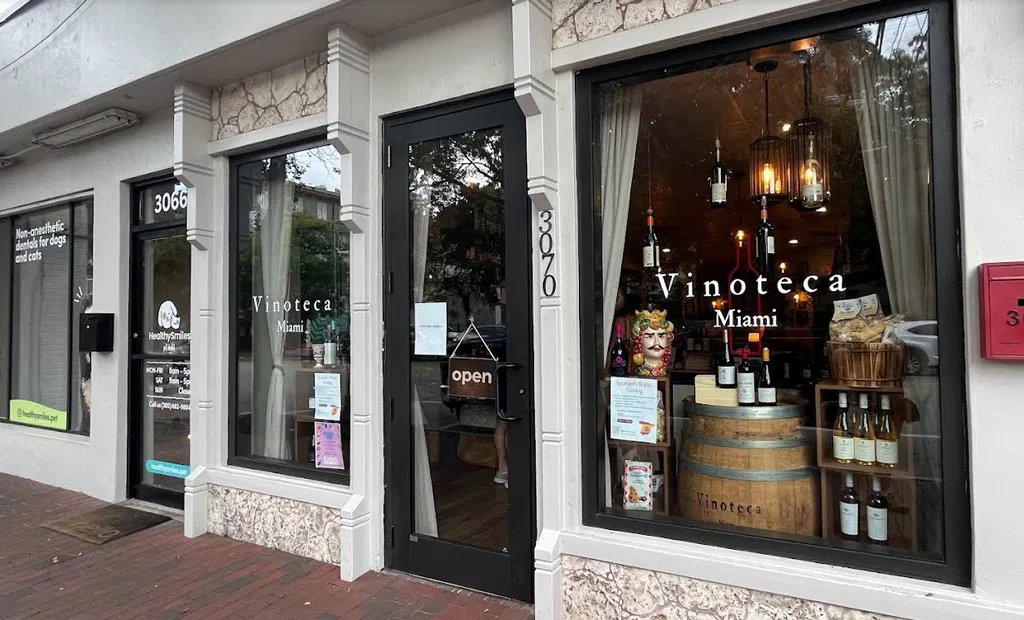
Portosole
The wine
- Wine program
- Curated wine list
- Extensive wine list
Details
- Warm
- Cozy
- Elegant
- Sophisticated
- Date Night
- Special Occasion
- Group Dining
- Open Kitchen
- Extensive Wine List
- A La Carte
- Wine
- Vegetarian Friendly
- Vegan Options
Current opening hours
- Monday
- 12–10 PM
- Tuesday
- 12–10 PM
- Wednesday
- 12–10 PM
- Thursday
- 12–10 PM
- Friday
- 12–11 PM
- Saturday
- 12–11 PM
- Sunday
- 1–9 PM
Hours can change for holidays and private events. Last verified .
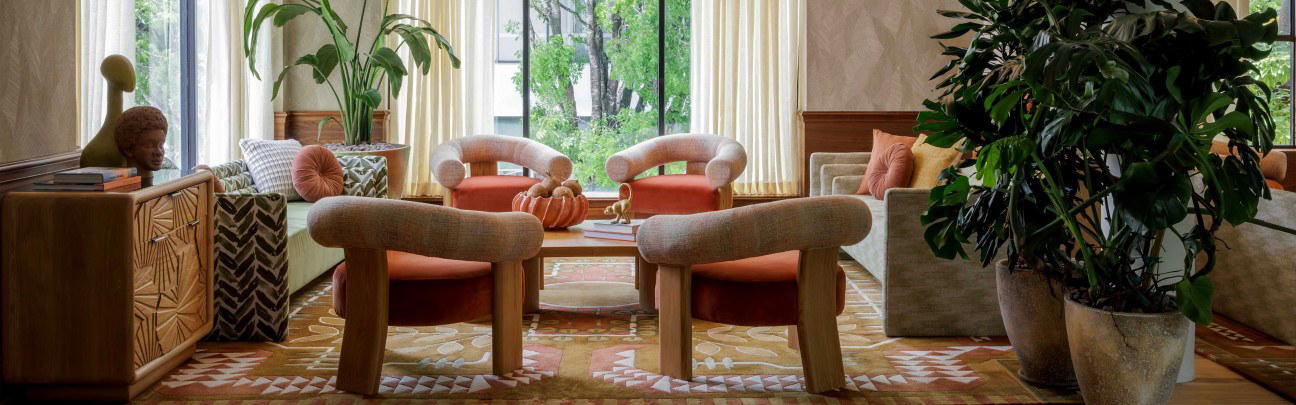
Warm and authentic coastal Italian atmosphere with elegant touches, white linen tables, and a sense of conviviality.