Salumeria 104 - Coral Gables
Our verdict
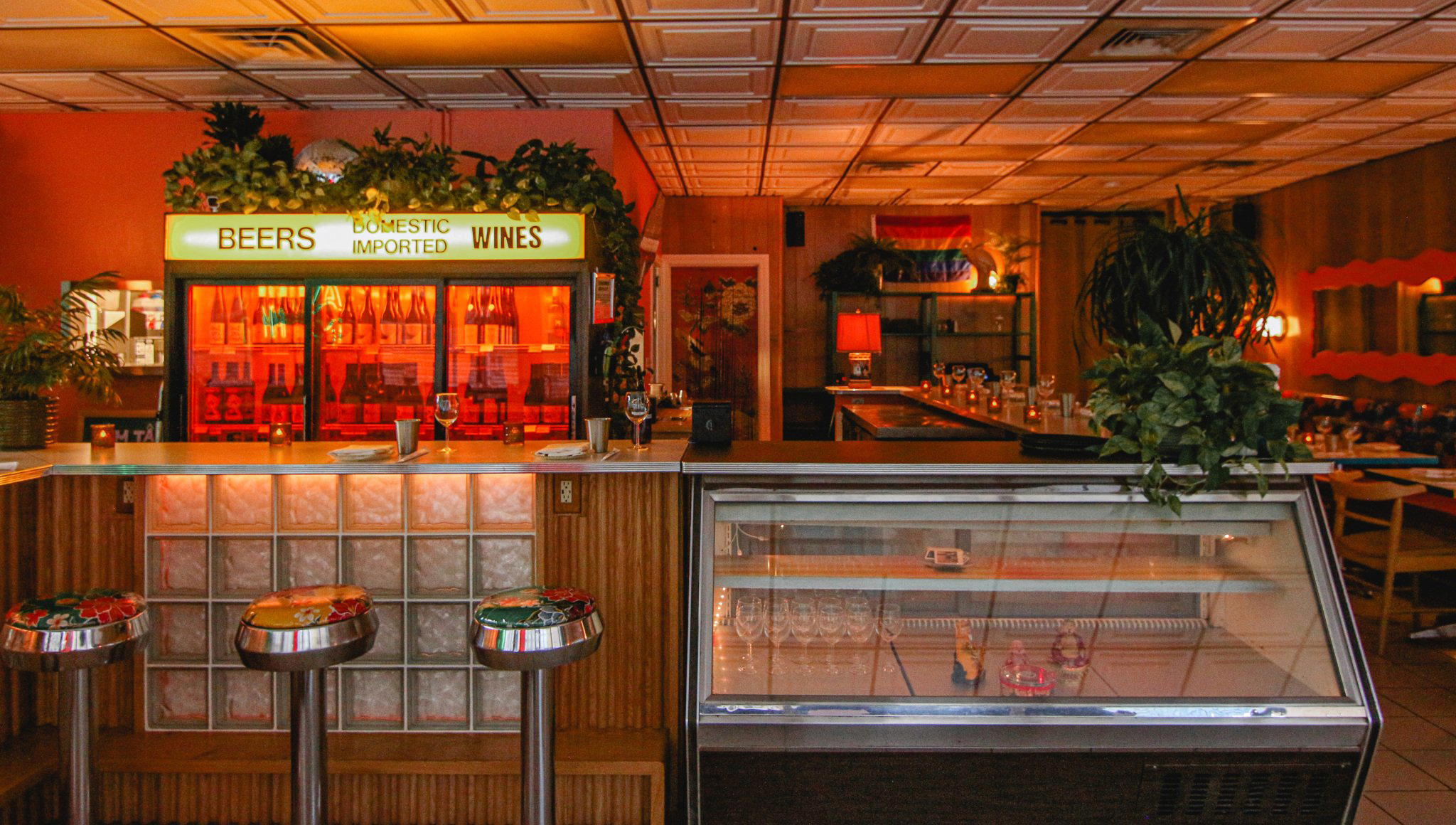
Salumeria 104 on Coral Gables' Miracle Mile brings the Italian salumeria tradition to South Florida, anchoring its menu in cured meats, house-made charcuterie, and ingredient-led cooking that prioritises provenance over spectacle. The format sits closer to a Milan neighbourhood counter than a Miami dining destination, which in this zip code is a deliberate distinction.

Pearl is the En Primeur Club membership app — saves, bookings, and concierge access live there. Same editors, same standards.
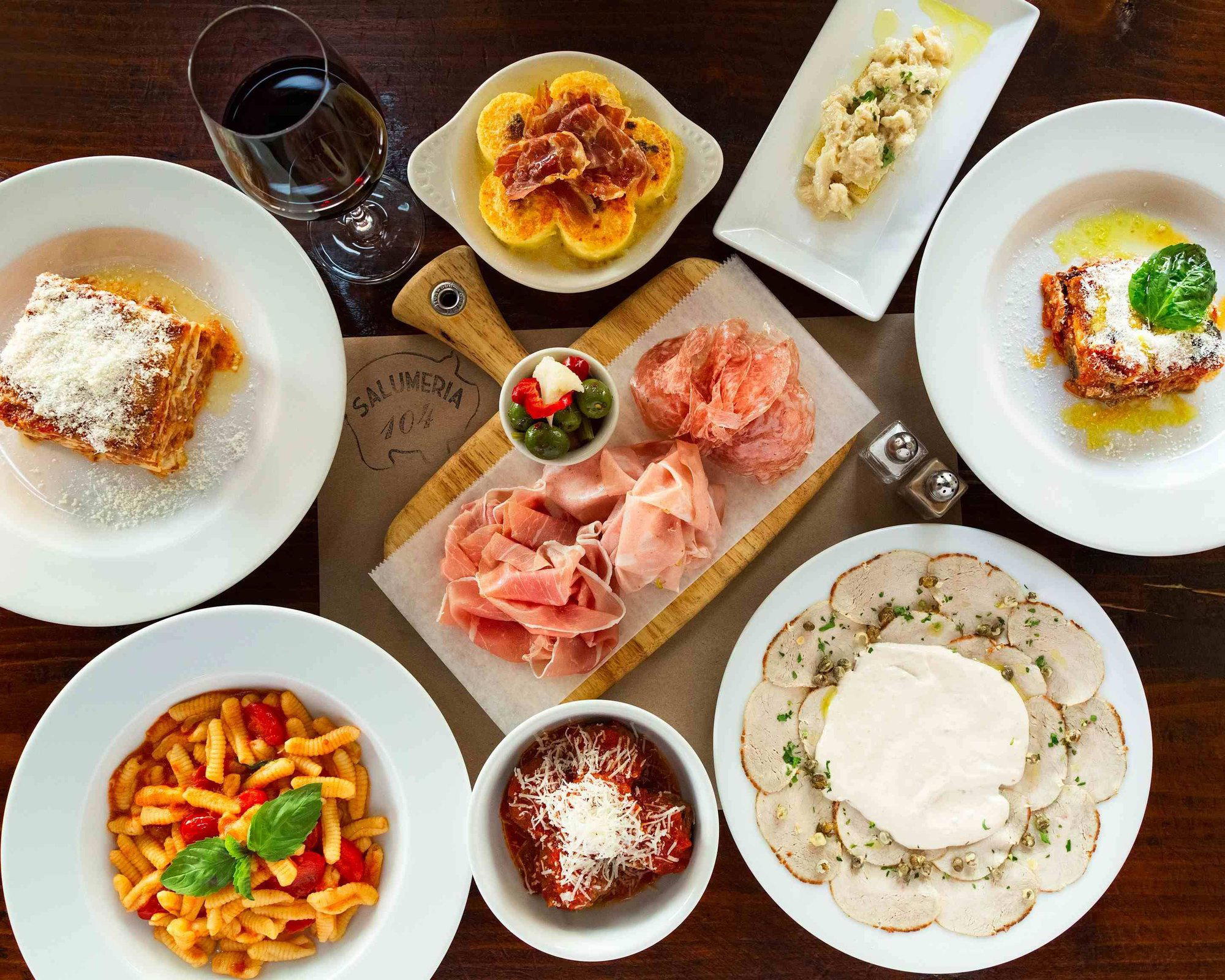
The menu
What to order
- Truffle tagliolini
- Homemade ravioli
- Wagyu carpaccio
- Porchetta
Miracle Mile and the Salumeria Tradition
Coral Gables' Miracle Mile has long operated as a counterpoint to the louder dining corridors of Miami proper. The boulevard's pace is slower, its dining rooms more neighbourhood-facing, and its tenant mix weighted toward local operators rather than group-backed concepts. Within that context, a salumeria format carries specific meaning: it signals a commitment to the product itself rather than the performance around it. The Italian salumeria, at its most functional, is a place where cured meats, preserved vegetables, and quality pantry goods define the menu's logic, and where sourcing decisions are the primary editorial statement.
Salumeria 104 at 117 Miracle Mile sits squarely in that tradition. The address positions it within walking distance of Coral Gables' established dining cluster, which includes everything from Japanese omakase at Shingo (Japanese) to Neapolitan pizza at 450 Gradi. In a row of restaurants that span several price tiers and culinary registers, the salumeria format occupies a distinct niche: it asks the ingredient to carry weight that other formats assign to technique or theatre.
What the Salumeria Format Means for How You Eat
The salumeria as a dining format predates the modern restaurant by centuries. In northern Italy, particularly in Emilia-Romagna, the salumeria functioned simultaneously as a retail counter and an informal eating space, with cured meats sold by the slice and consumed on the premises alongside bread, cheese, and wine. That dual identity, shop and dining room, shapes how food is composed and served: portions are calibrated around the product, not the plate; accompaniments are chosen to reveal the cured meat rather than compete with it; and the wine list, where one exists, tends to favour the same regional logic.
In a South Florida context, maintaining this format requires specific sourcing decisions. Florida's climate does not support the same ambient curing conditions found in the Po Valley or the Apennine foothills, which means ingredients either need to travel from their origin or be produced under controlled conditions locally. The distinction matters because it determines whether the menu is an import operation or a genuine translation of the tradition. The strongest salumeria concepts in American cities tend to resolve this by establishing direct relationships with producers, whether that means importing DOP-certified product from Italy or working with domestic charcutiers who apply the same curing standards.
For the full picture of where Salumeria 104 sits within Coral Gables' dining options across price points and formats, the our full Coral Gables restaurants guide maps the broader scene.
Ingredient Sourcing as the Central Argument
In ingredient-led restaurant formats, sourcing is not a marketing footnote but the operational core. The difference between a cured meat programme that works and one that doesn't comes down to the quality of the raw material before any technique is applied. Salami, prosciutto, and coppa made from heritage-breed pork fed on specific diets carry measurably different fat composition and flavour depth than commodity product. The same applies to the cheese selections and pantry components that typically fill out an Italian charcuterie-led menu.
The salumeria's seasonal logic also differs from that of a produce-driven restaurant. Rather than tracking harvest windows, a charcuterie-focused menu tracks curing cycles and the ripening timelines of aged cheeses. A properly aged prosciutto crudo requires a minimum of 12 months; many premium examples run to 24 or 36 months. These timelines are not adjustable to meet seasonal dining trends, which gives the format a slower, more stable rhythm than kitchens that rebuild their menus quarterly around what's in the market.
This positions Salumeria 104 in a different conversation than most of Coral Gables' other dining rooms. Where Aragon Café operates in a neighbourhood café register and Arcano represents the more formal end of the local Spanish-influenced dining scene, the salumeria occupies a format that is simultaneously casual in delivery and demanding in sourcing standards.
Coral Gables in the Broader American Fine-Ingredient Conversation
The sourcing-first approach that defines Italian salumeria culture has also shaped some of the most discussed American restaurant programmes of the past decade. Operations like Single Thread Farm in Healdsburg and Blue Hill at Stone Barns in Tarrytown have placed farm-to-table sourcing at the structural centre of their identities, while more technique-forward rooms like Alinea in Chicago and The French Laundry in Napa approach ingredient quality as a prerequisite for technical expression. The salumeria tradition is different from both: its sourcing argument is the technique, and the cured product is the finished statement.
Closer in format to the salumeria ethos are the charcuterie-anchored programmes at places like Emeril's in New Orleans, where American curing traditions intersect with European methods, or the more research-driven preservation work visible at Lazy Bear in San Francisco. The point of comparison is not price or formality but the underlying argument: that preserved and cured product, made correctly from the right raw material, requires no embellishment to justify its place on a menu.
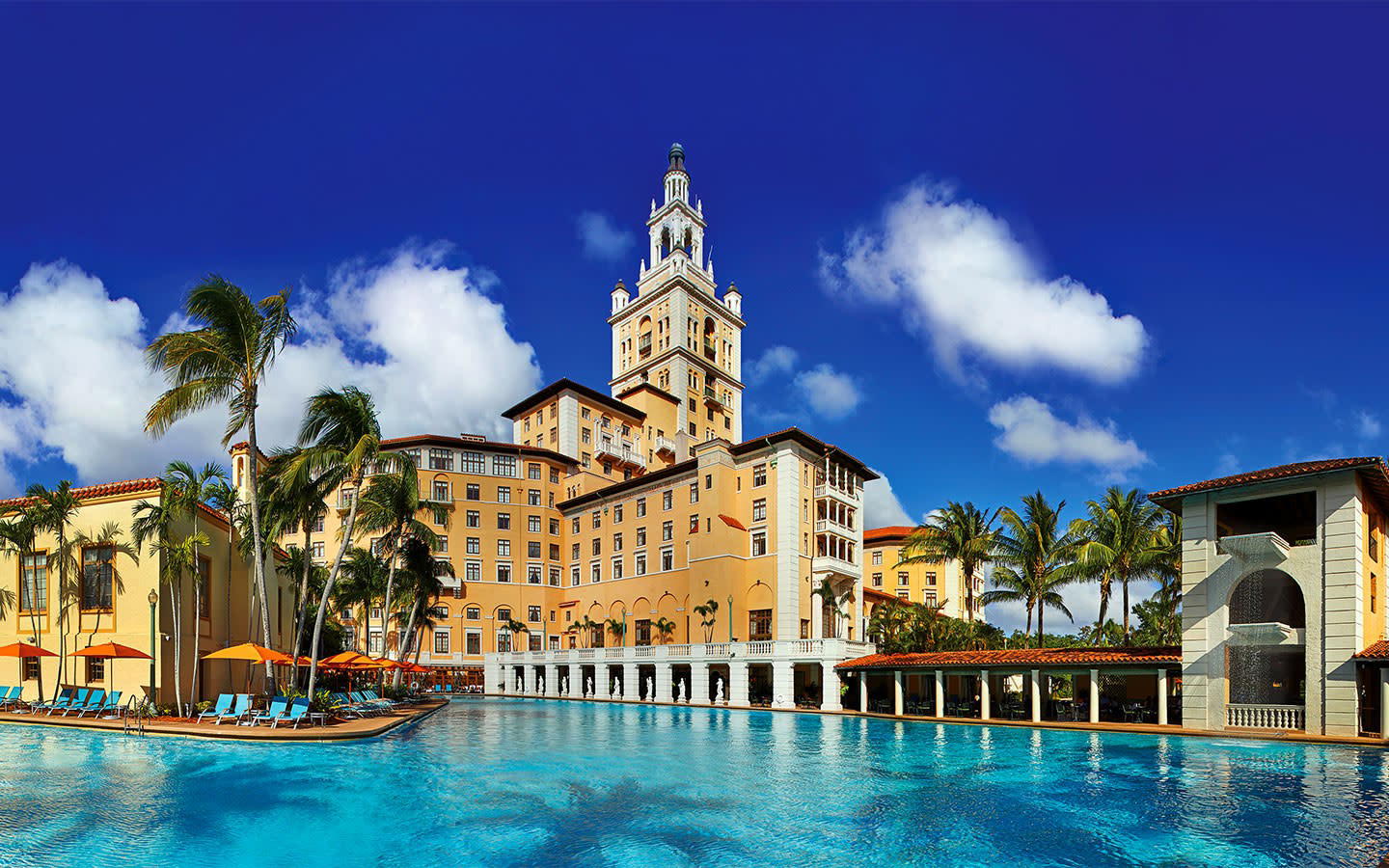
Among Coral Gables' own dining options, the afternoon format at Afternoon Tea at The Biltmore represents the city's most formal take on a structured food ritual, while Salumeria 104 sits at the opposite end of the ceremony spectrum: the food is the ritual, the sourcing is the ceremony.
Planning Your Visit
Salumeria 104 is located at 117 Miracle Mile in Coral Gables, 33134, within the main commercial corridor that connects the Coral Gables Metrorail station to the city's central dining cluster. Current hours, reservation requirements, and pricing are best confirmed directly with the venue before visiting, as operational details are subject to change. For a table at lunchtime on a weekday, walk-in availability is more likely; weekend evenings on Miracle Mile draw enough foot traffic that advance contact is advisable. The format lends itself to a slower, grazing pace rather than a single-course meal, so factoring an hour or more is reasonable. Parking is available in the surrounding city garages, which charge by the hour and are within a short walk of the address.
Frequently asked questions
What part of town is Salumeria 104 - Coral Gables in?
Salumeria 104 - Coral Gables is located at î117 Miracle Mile, Coral Gables, FL 33134, Coral Gables.
What is the signature dish at Salumeria 104 in Coral Gables?
Salumeria 104 operates within the salumeria tradition, where cured meats and sourced provisions are the central offering rather than a single plated signature. The format, rooted in northern Italian practice particularly from Emilia-Romagna, means the programme is built around the quality of its ingredients. Specific current menu items are best confirmed directly with the venue at 117 Miracle Mile, Coral Gables.
Should I book Salumeria 104 - Coral Gables in advance?
Reservations are recommended for Salumeria 104 - Coral Gables in Coral Gables. Confirm current policy via the venue's official channels.
Should I book Salumeria 104 in Coral Gables in advance?
Coral Gables' Miracle Mile draws a consistent local crowd alongside visitors who cross over from Miami proper, and salumeria-format venues with ingredient-led programmes tend to have limited seating by design. Contacting Salumeria 104 directly at 117 Miracle Mile before your visit is advisable, particularly on weekends or if you are travelling as a group.
Comparable Options
Comparable venues nearby, for context on price, style, and recognition.
| Venue | Cuisine | Price | Notes |
|---|---|---|---|
| Salumeria 104 - Coral GablesThis venue — the venue you are viewing | Rustic Italian Trattoria | $30–50 | Not listed |
| Fontana | Italian-Inspired Fine Dining | $30–50 | Coral Gables |
| 450 Gradi | Contemporary Italian Pizzeria | $30–50 | Coral Gables |
| La Pata Gorda | Ecuadorian Latin Seafood | $30–50 | Coral Gables |
| Dojo Izakaya | Modern Japanese Izakaya | $50–100 | Coral Gables |
| Tullio | Northern Italian Fine Dining | $50–100 | Coral Gables |