PopUp Bagels
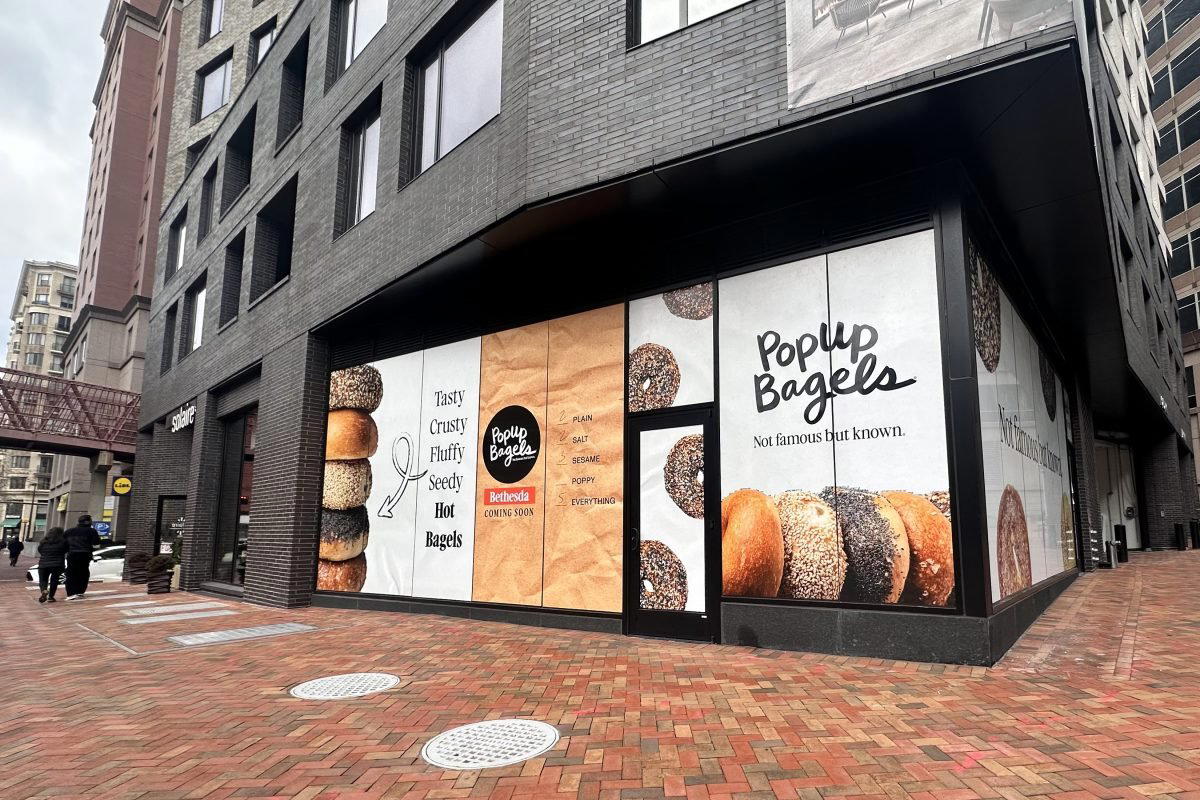
PopUp Bagels brings a New York-style bagel format to Bethesda's Bethesda Avenue, where the bread-first ethos and minimal-intervention approach to toppings have built a following in a neighborhood better known for sit-down dining. The model is simple: high-hydration dough, kettle-boiled, wood-fired, served without ceremony. It fits a specific moment in American bagel culture where sourcing discipline and production method matter as much as the schmear.
 Discover on Pearl
Pearl is the En Primeur Club membership app — saves, bookings, and concierge access live there. Same editors, same standards.
- Address
- 4819 Bethesda Ave, Bethesda, MD 20814
- Phone
- (301) 652-8990
- Website
- bethesdabagels.com
Bethesda's Casual Register, and Where Bagels Fit
Bethesda Avenue runs through a dining corridor that leans heavily toward polished sit-down experiences: Bistro Provence anchors the French end of the street, Bacchus of Lebanon handles the Levantine middle ground, and Barrel & Crow fills the American tavern slot. Into that context, PopUp Bagels at 4819 Bethesda Ave is a counter-service bagel shop in Bethesda.
The bagel has become, in the past decade, a genuinely contested food category across American cities. At the top tier sits the kettle-boiled, high-hydration style associated with New York's older bakeries and their contemporary inheritors. PopUp Bagels belongs to that lineage, which is why it operates the way it does: no extensive menu, no table service, no framing around the dining experience as an occasion. The product is the argument.
The Sourcing Logic Behind the Format
The bread-first discipline that defines this style of bagel operation is inseparable from ingredient sourcing decisions made at the production level. Kettle-boiling requires specific water chemistry to develop the characteristic crust; the malt syrup or lye bath used in the boiling process affects color and chew in ways that grocery-chain versions skip entirely. High-hydration doughs demand flour with particular protein content, typically a high-gluten bread flour that holds structure through the boil and the bake. These are not cosmetic choices. They determine texture at a molecular level.
American bagel revival that venues like PopUp Bagels participate in draws comparison to what happened to pizza and sourdough bread over the same period: a category that had been industrialized gets reclaimed by producers who treat sourcing as a constraint, not a cost variable. The result is a product that is denser, chewier, and more structurally coherent than the supermarket alternative. It also has a shorter shelf life, which is part of why these operations tend toward limited daily production and early sellouts rather than full-day availability.
For context on how seriously the sourcing question is taken at the upper end of the American food scene, consider that restaurants like Blue Hill at Stone Barns in Tarrytown and Single Thread Farm in Healdsburg have built entire tasting-menu identities around grain sourcing and milling provenance. The bagel category applies a version of that same logic at a different price point and with a very different service format. Where The French Laundry in Napa or Smyth in Chicago express sourcing discipline through multi-course progression, a venue like PopUp Bagels expresses it through a single item made correctly every morning.
The Production Model and Its Implications
PopUp Bagels began as a pop-up operation before moving into permanent locations. The Bethesda location on Bethesda Avenue is part of that expansion into a suburban Maryland market that has historically had limited access to this production standard in bagel form.
Bethesda's food scene spans a range of formality. CherCher Ethiopian Cuisine anchors the communal end, Chicken on the Run handles the fast-casual tier, and the avenue's sit-down restaurants fill the mid-to-upper range. A counter-service bagel shop with a defined production philosophy occupies a gap in that range: accessible in price, specific in execution, and built around a product that rewards knowing what you are ordering. The sourcing-led model means the menu is deliberately short. Cream cheese varieties, perhaps a few topping options, and the bagels themselves are the entirety of the offer. That restraint is the point.
The regional peer comparison is instructive.
Where It Sits Relative to the D.C. Region
The Washington D.C. metropolitan area has developed a more differentiated food culture over the past fifteen years. But the region has also developed appetite for the kind of ingredient-led casual format that PopUp Bagels occupies.
Sourcing conversation in American dining has progressively moved down the formality spectrum. What was once the concern of Michelin-chasing tasting menus at restaurants like Le Bernardin in New York City, Providence in Los Angeles, or Addison in San Diego has filtered into counter-service formats where a single well-made product carries the entire argument. PopUp Bagels participates in that shift at a price point accessible to a weekday morning crowd rather than a special-occasion dinner reservation. The comparison is not about equivalence in formality; it is about the same underlying discipline applied at different scales.
Fast Comparison
Comparable venues nearby, for context on price, style, and recognition.
| Venue | Cuisine | Price | Awards | Notes |
|---|---|---|---|---|
| PopUp BagelsThis venue — the venue you are viewing | Artisan Bagels & Schmears | $$ | , | |
| Pisco y Nazca Bethesda | Modern Peruvian Cevicheria | $$ | , | Bethesda |
| CherCher Ethiopian Cuisine | Ethiopian Cuisine | $$ | , | Bethesda |
| PopUp Bagels | New York-Style Bagels & Schmears | $ | , | Bethesda |
| Uncle Julio's Bethesda | Tex-Mex Fajitas | $$ | , | Bethesda Row |
| Dolcezza | Artisanal Italian Gelato & Coffee | $$ | , | Bethesda Row |
Continue exploring
More in Bethesda
Restaurants in Bethesda
Browse all →
Bars in Bethesda
Browse all →
Hotels in Bethesda
Browse all →

At a Glance
- Trendy
- Modern
- Casual Hangout
- Brunch
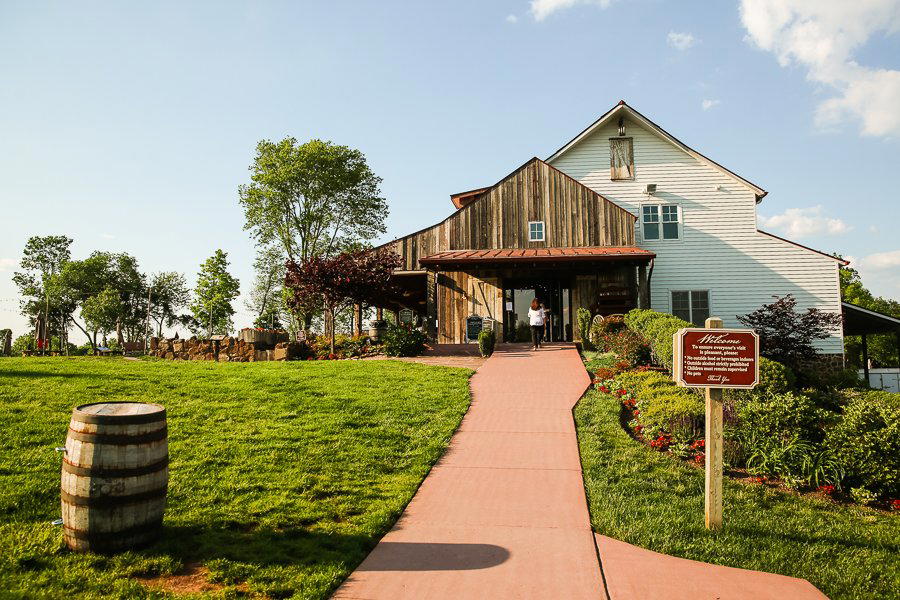
Casual, fast-paced atmosphere centered around hot, freshly baked bagels and creative schmears in a modern storefront.